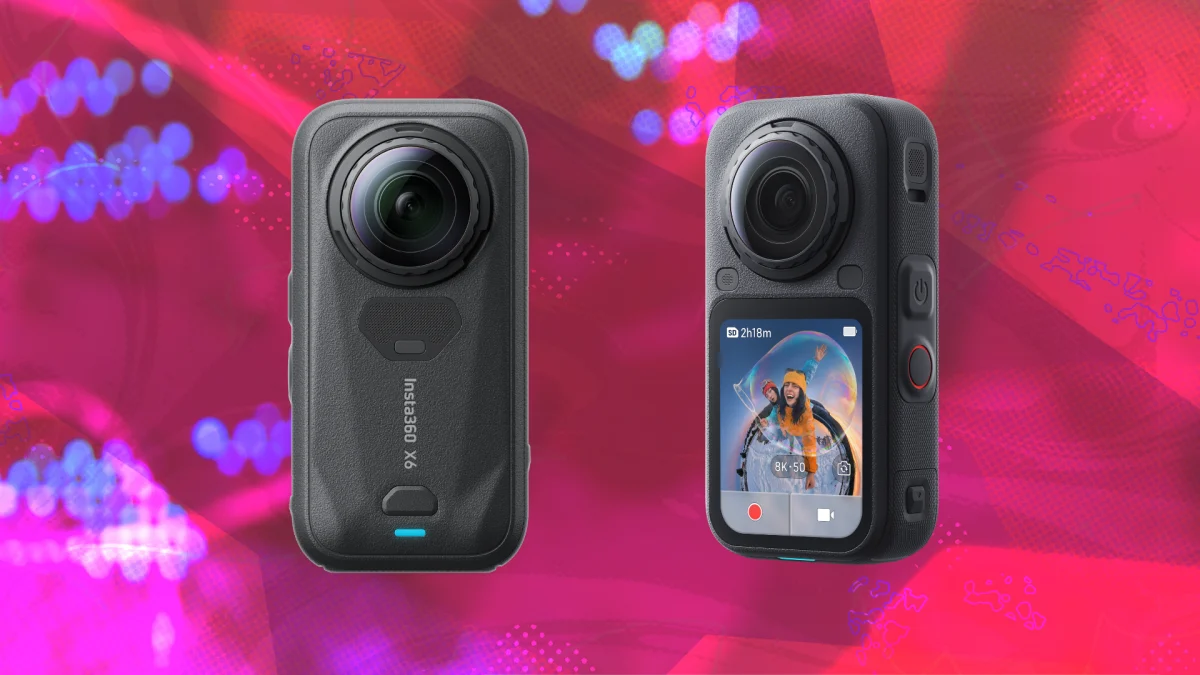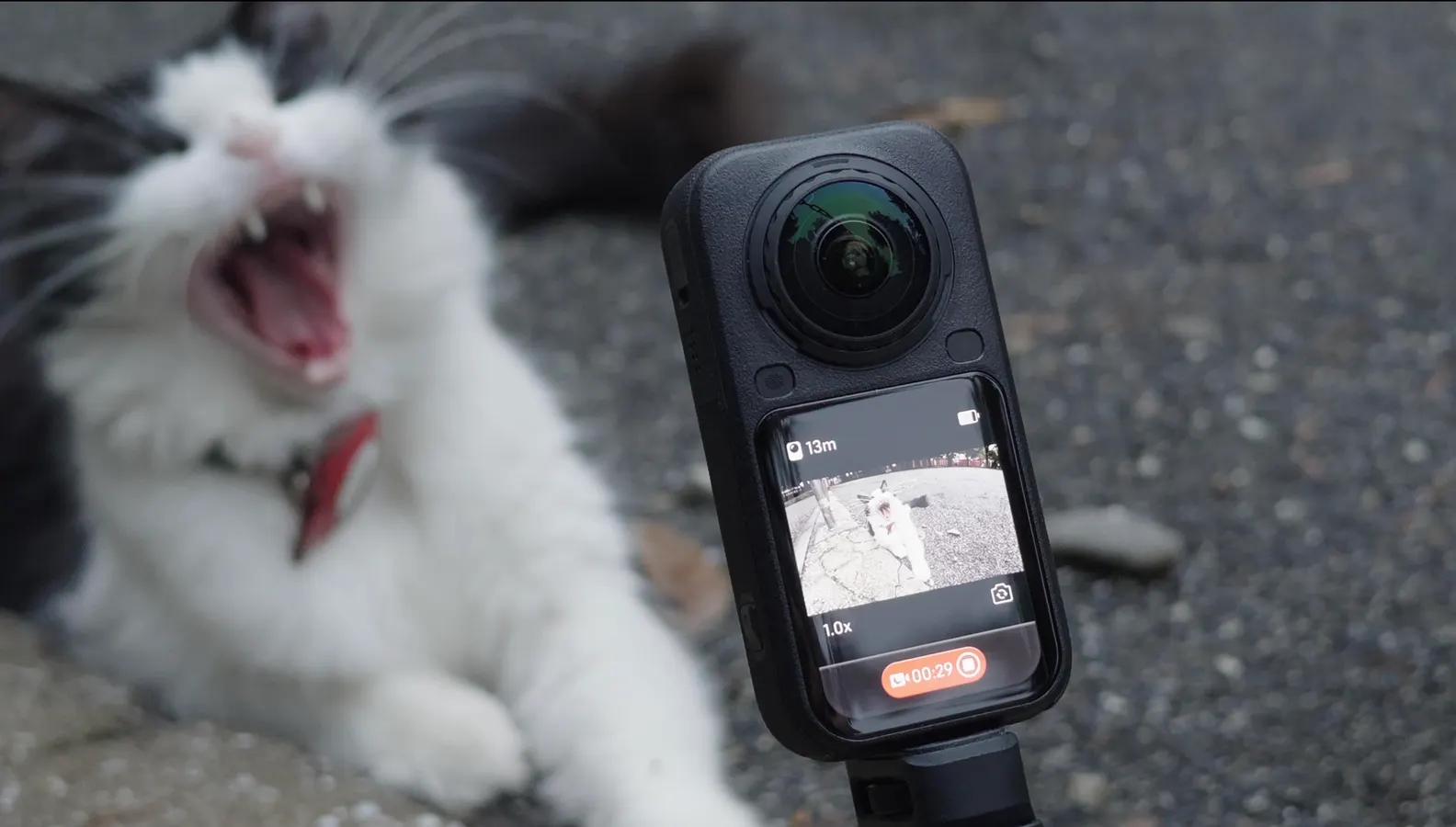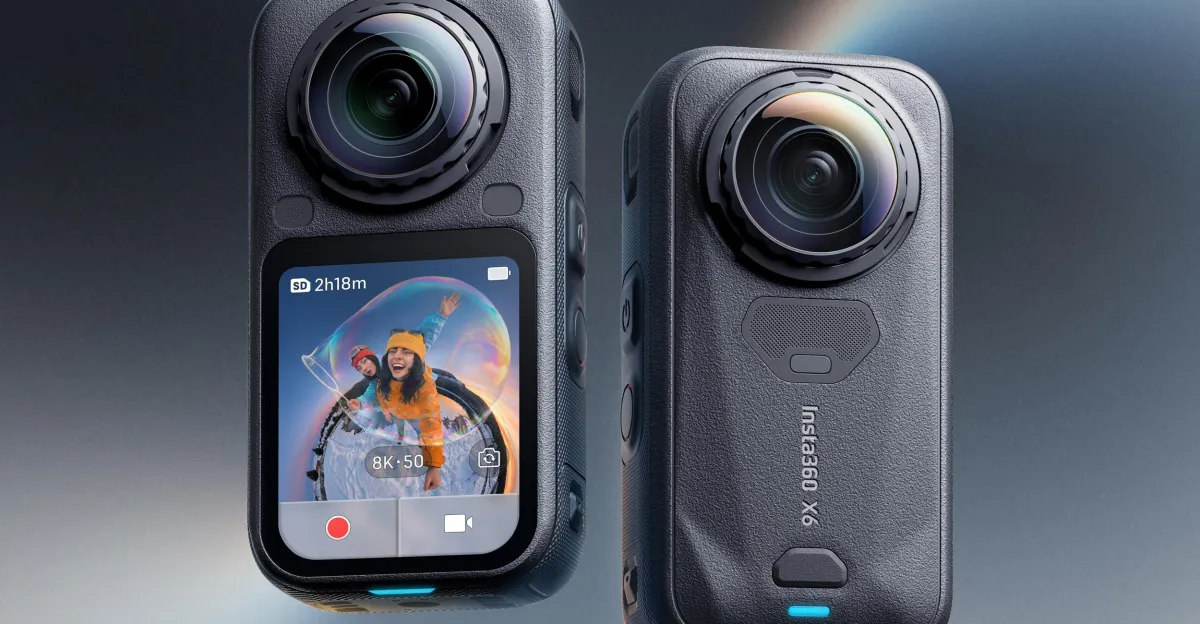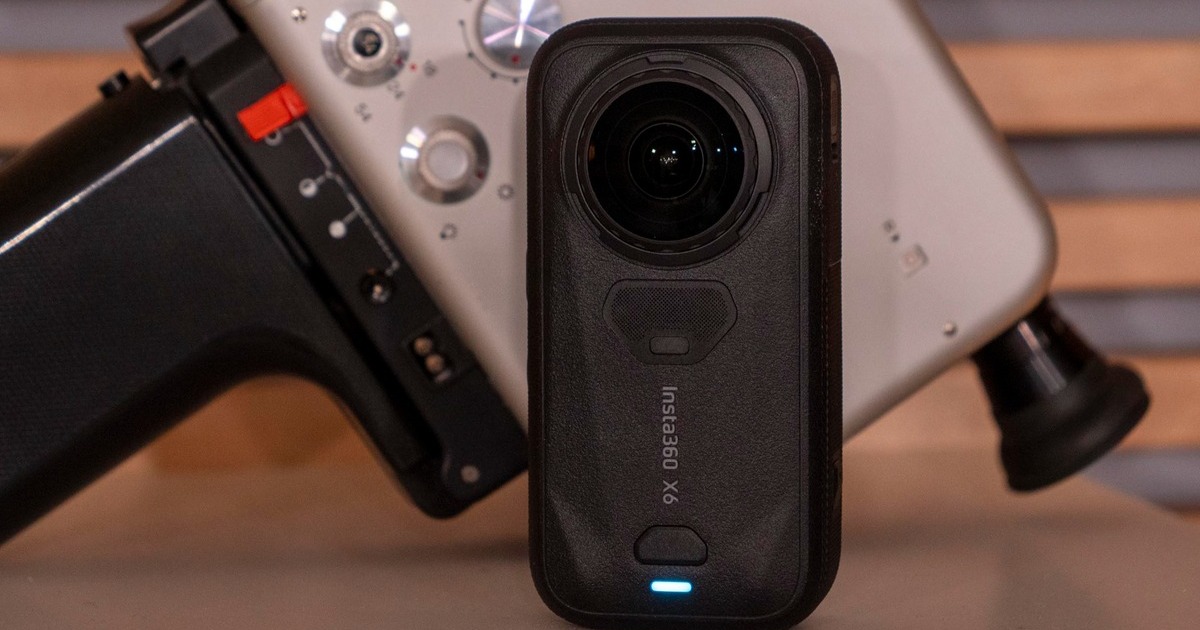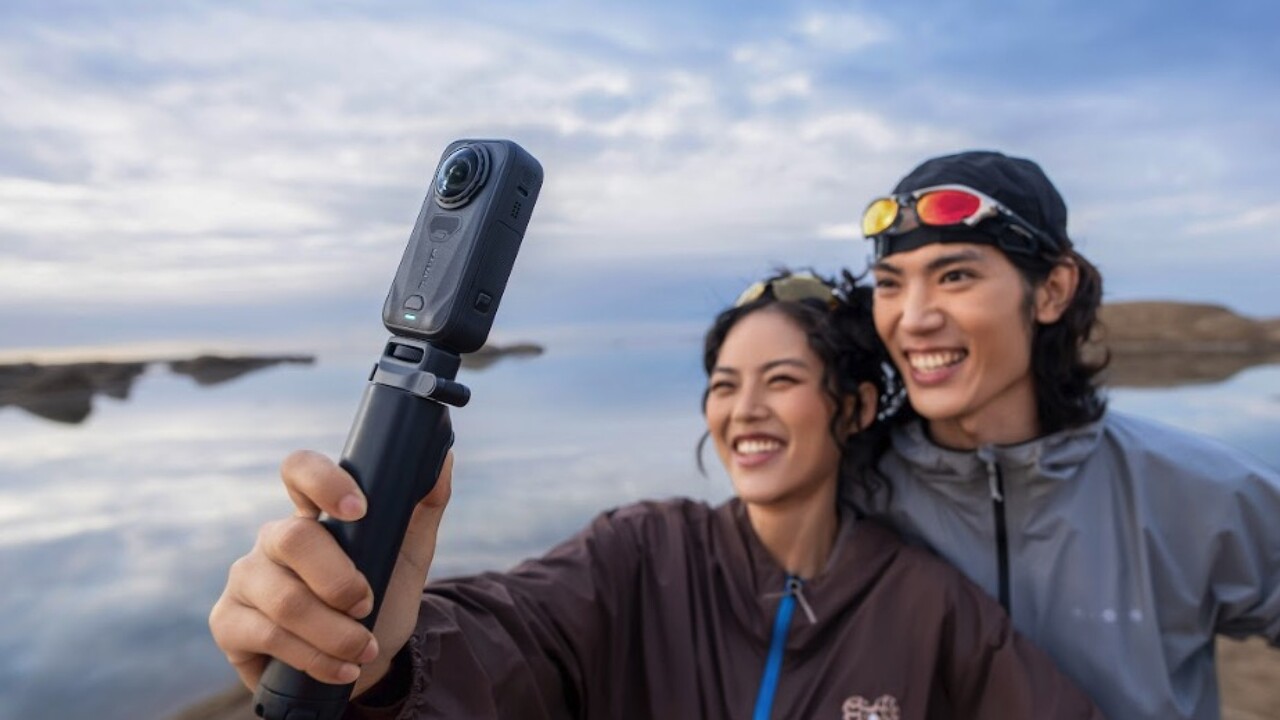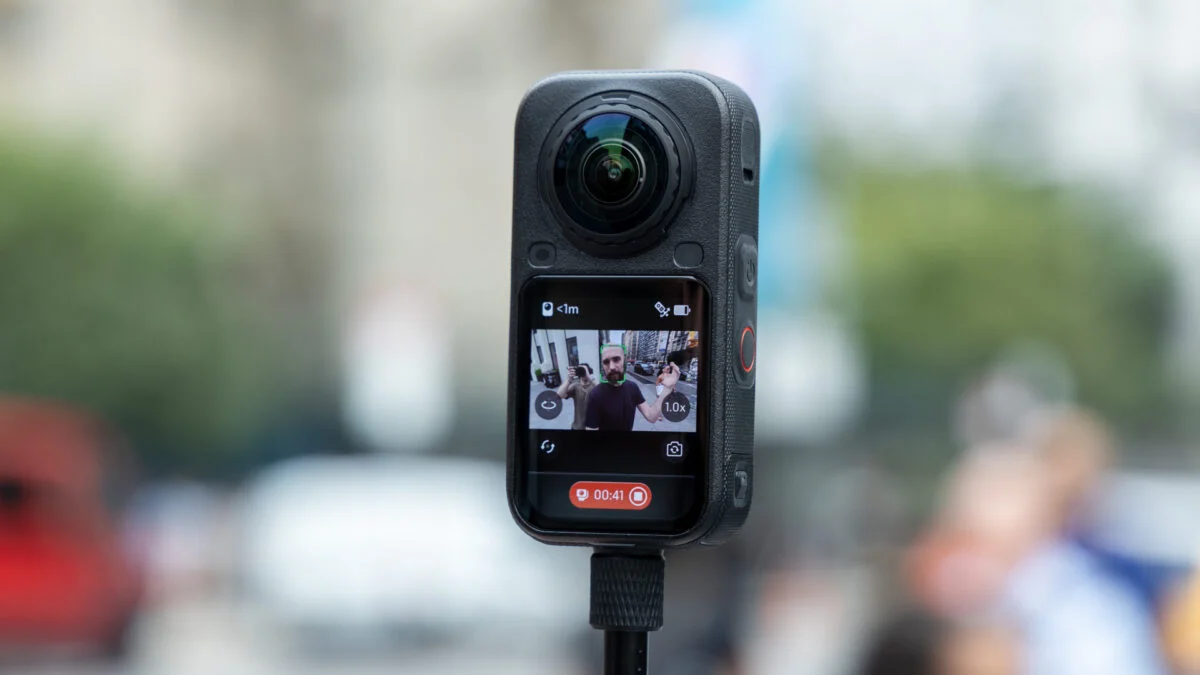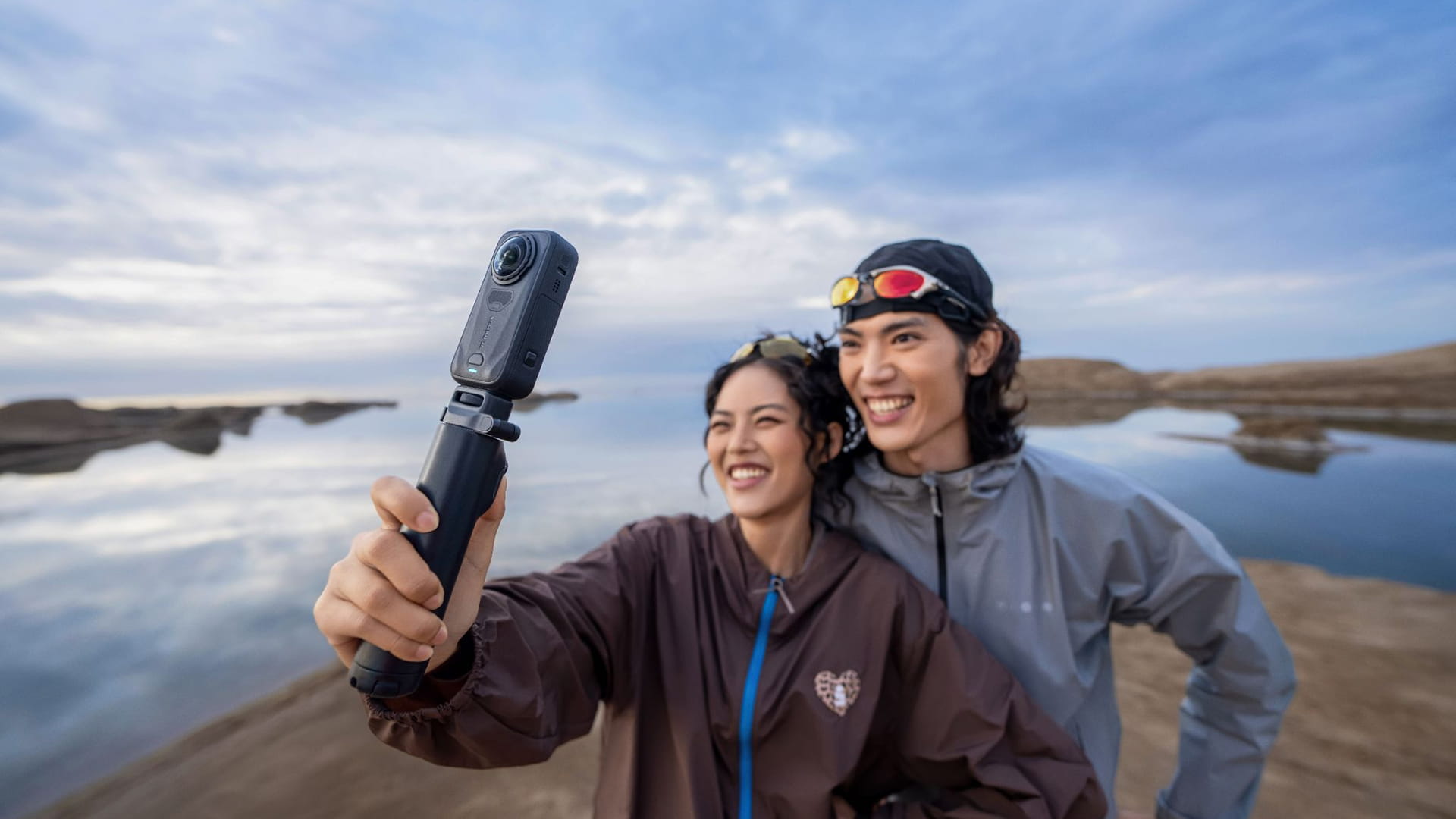
On August 12, marking ten years in the 360 camera business, Insta360 launched the X6, its latest flagship 360 camera. The device starts at RMB 3,999 (USD 591.8) in mainland China.
The X6 builds on a decade of development in 360 imaging. While previous generations focused largely on image quality, portability, and the shooting experience, the X6 points to a broader shift: Insta360 is handing more of the framing, subject tracking, and editing process to the camera and artificial intelligence.
The X6 supports up to 8K 360 video at 50 frames per second. It uses two custom 1/1.1-inch square image sensors co-developed by Insta360 and Sony. According to Insta360, the sensors offer 33% more area than those in the X5 and about four times as much light intake per frame, primarily improving performance in challenging conditions such as low-light and backlit scenes.
More significant, however, is the change in how users can shoot.
One of the defining features of 360 cameras is that users do not need to decide where to point the lens while recording. Instead, they can reframe footage afterward. The tradeoff is that this requires more post-production work.