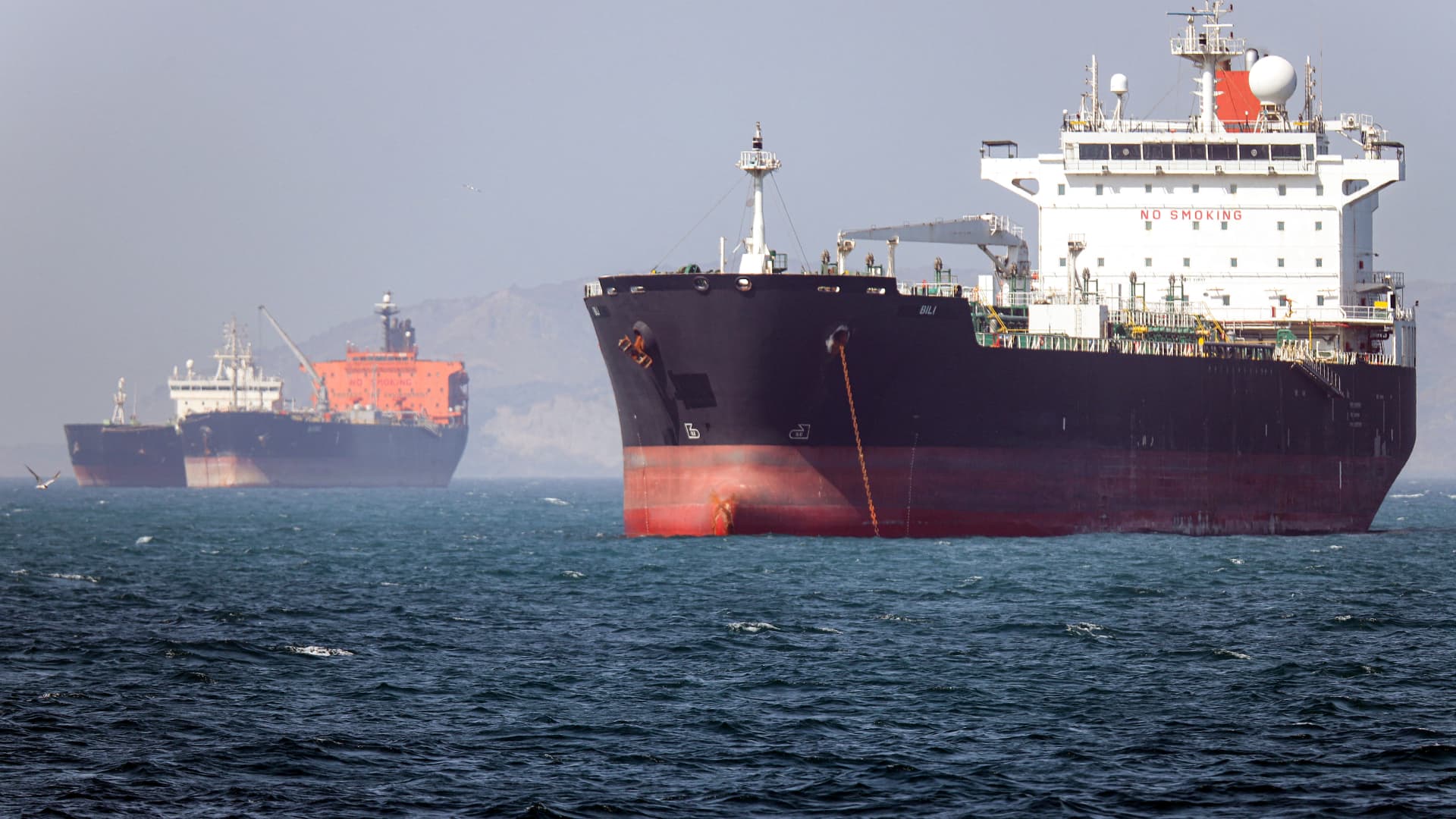
After Iran shut down the Strait of Hormuz, everyone thought prices would hit historic highs. But they didn’t. Why?
The answer is less about market resiliency, and more about two major government interventions. The U.S. intervened using a central banking model, and China intervened with a top-down government approach.
James Gutman, head of research at Abaxx Technologies, joins us this week to discuss how these two interventions influenced global oil flows, and why China emerged as a clear winner. Gutman wrote about the Chinese and American strategies on his substack, Arcs and Angles.
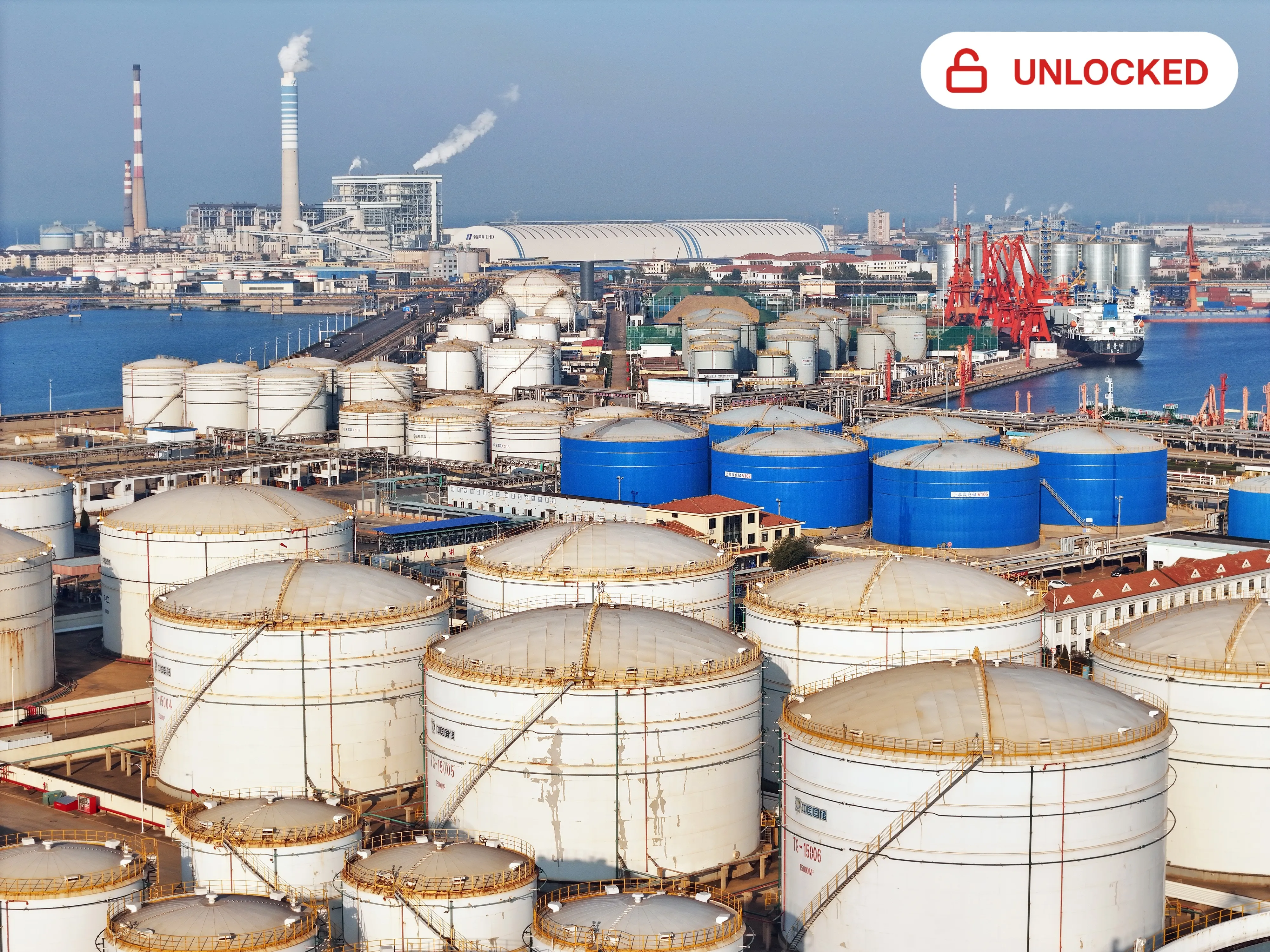
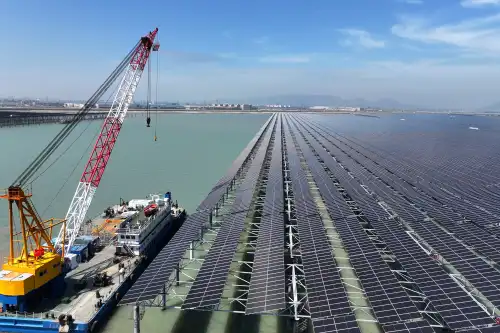
We look at how China cut crude oil imports and leaned on a decade of investment in electric vehicles, high-speed rail, and coal-to-liquids to defer demand. As China starts to come back into the market, the country is now operating at a position of strength.
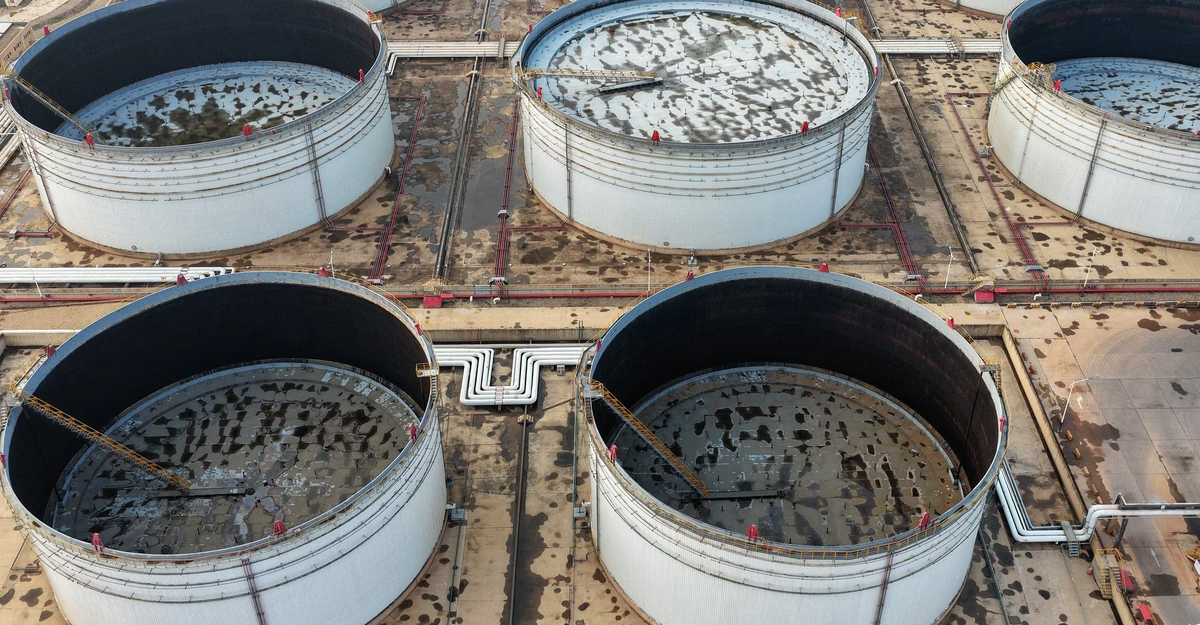
We also discuss the U.S. model, which leaned on strategic oil reserves to moderate prices in a way that mirrors central banking. Gutman argues that this “central bank of molecules” model worked, but only for so long. And he worries about how it will get used in the future.