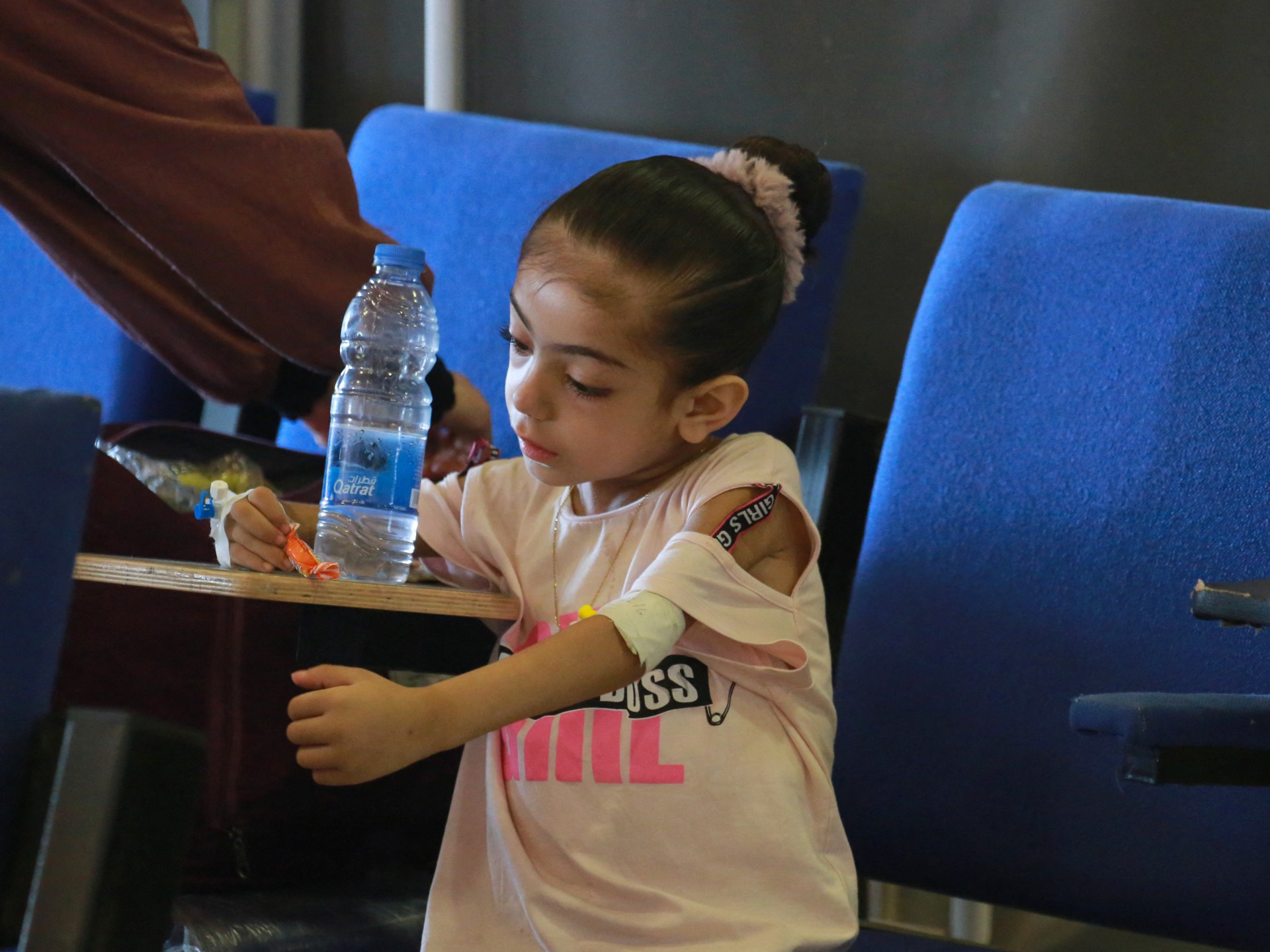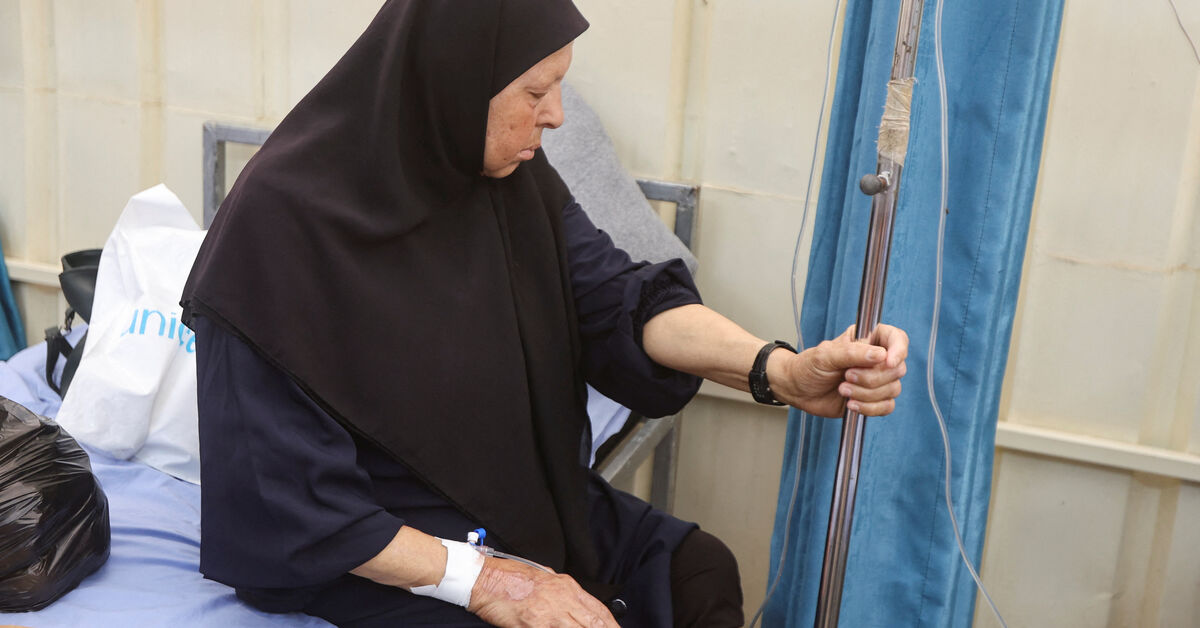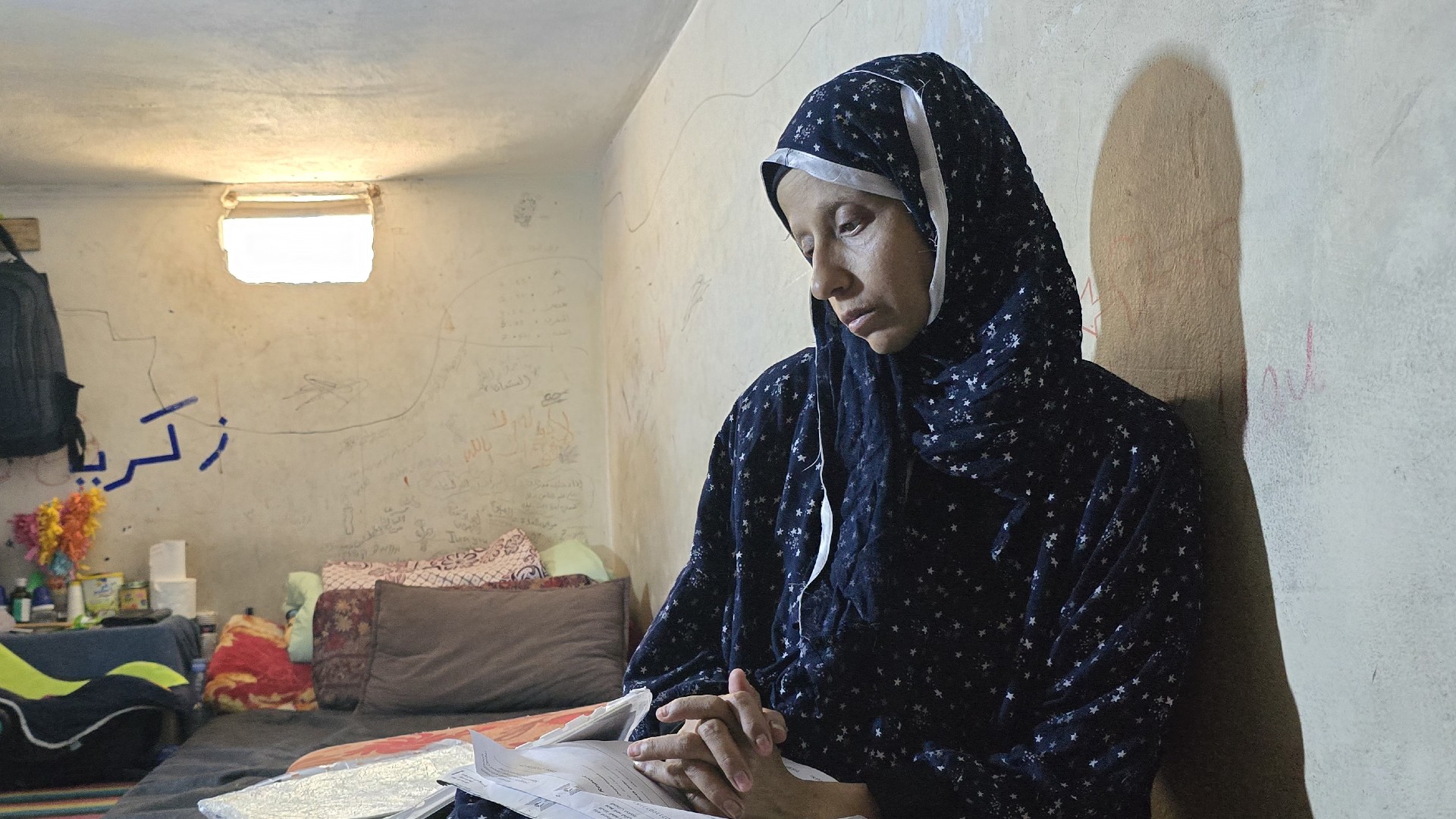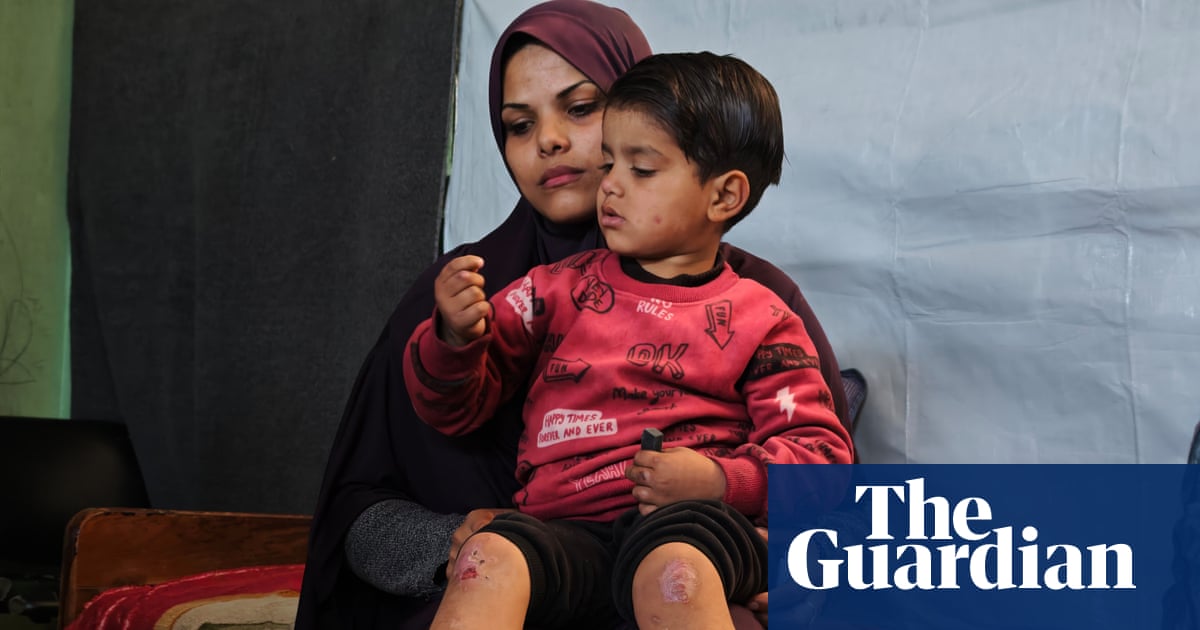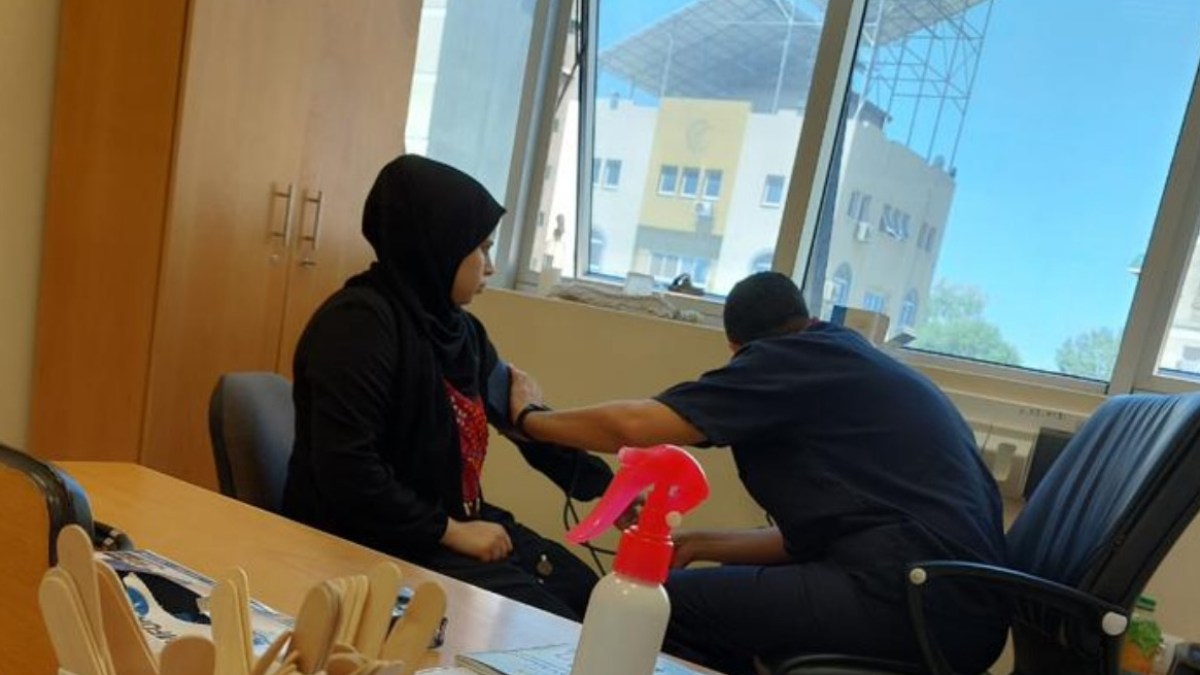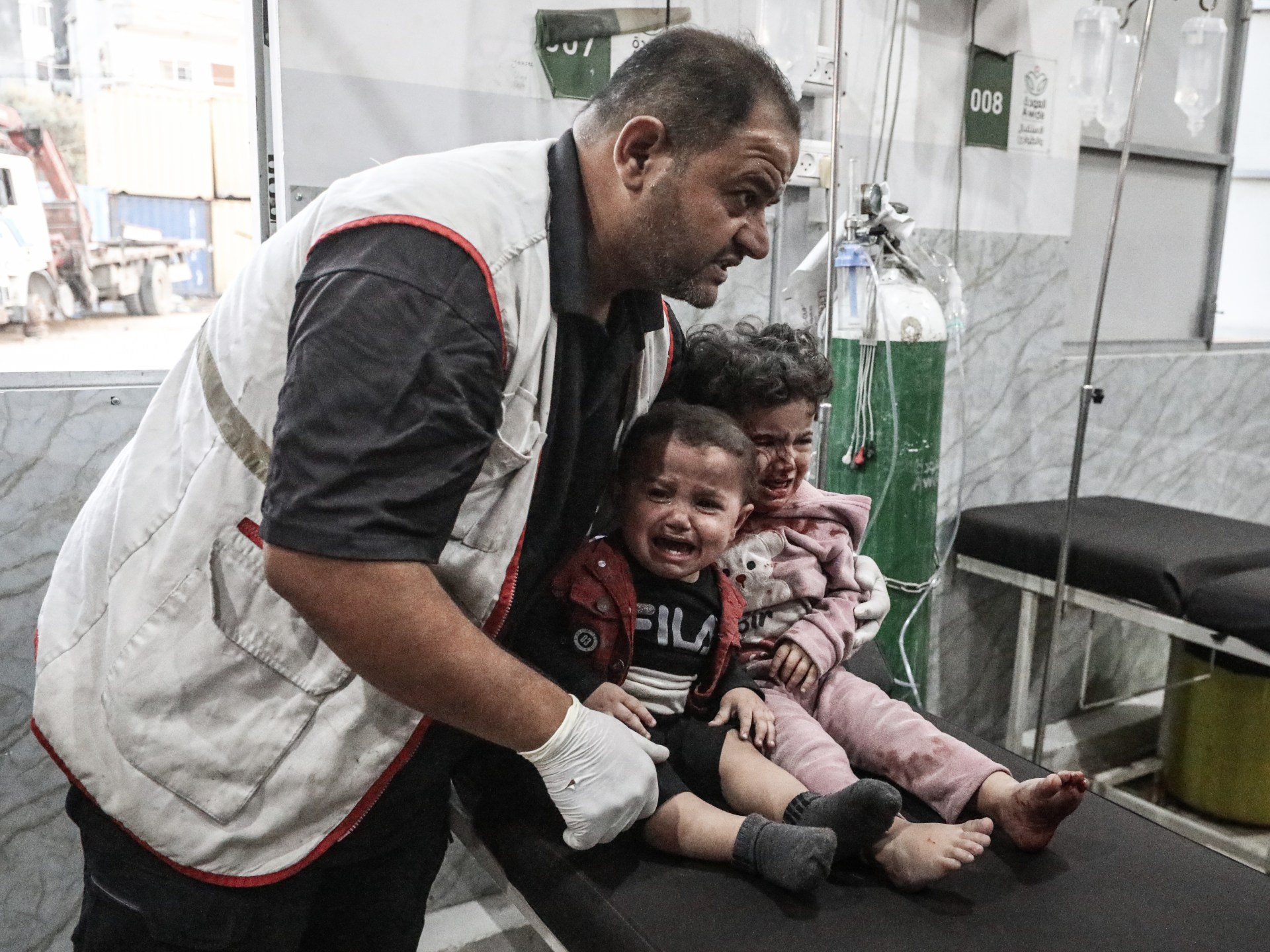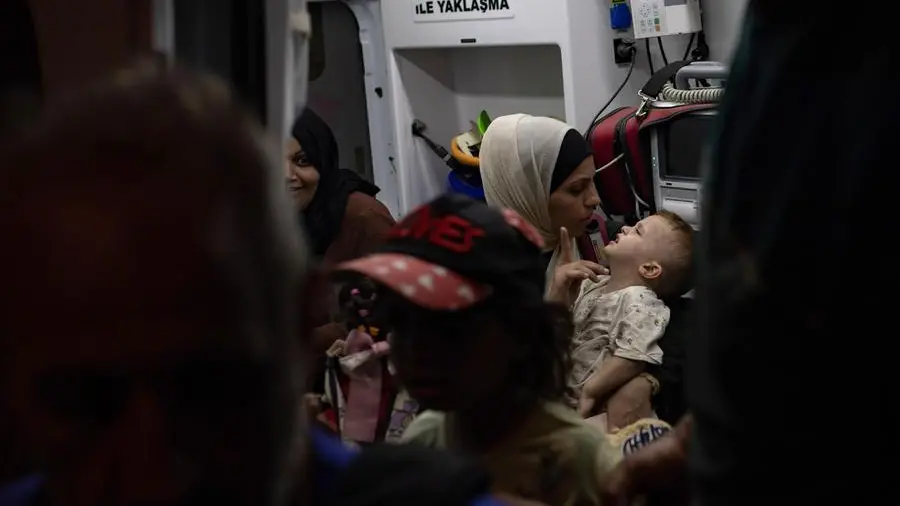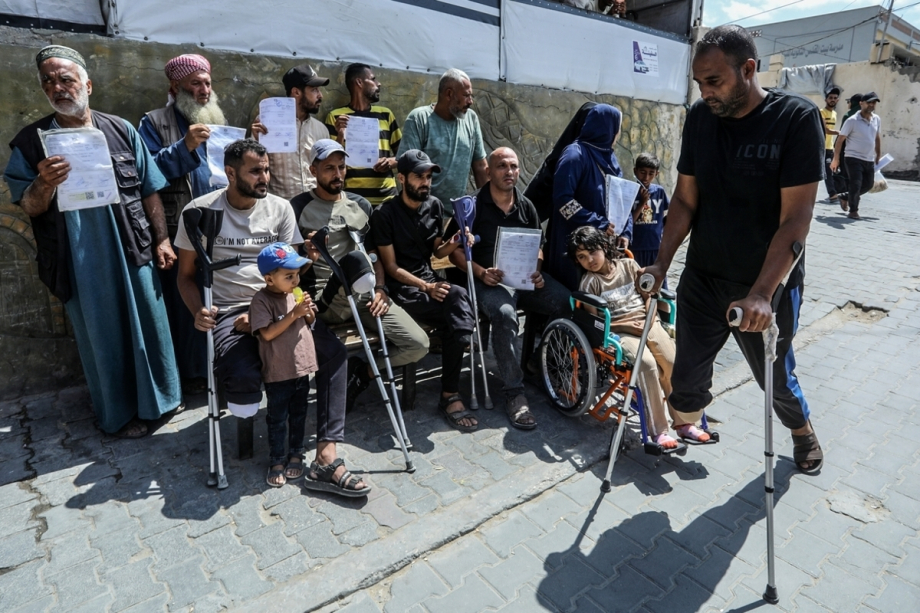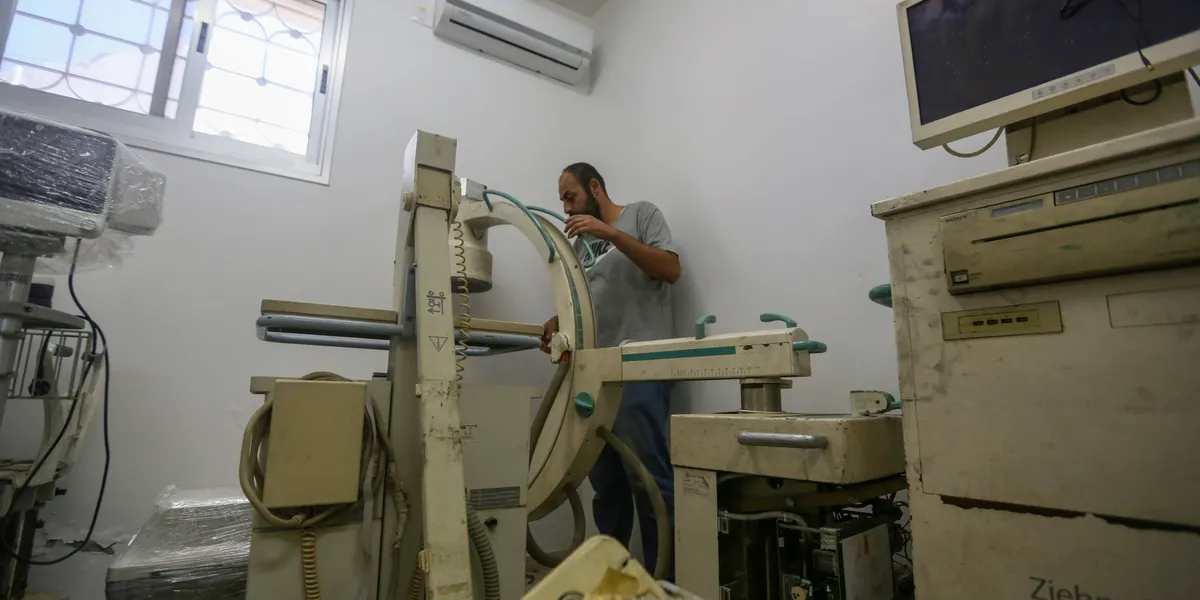
Israel is causing a wave of preventable cancer deaths in Gaza, leaving an estimated 17,000 people with no avenue for treatment.As Reuters reported on Thursday, Israel has destroyed the only specialized cancer hospital in the strip and is preventing Palestinians from seeking treatment outside the exclave.The result: Doctors say that cancer patients in Gaza are dying at between double and triple the rate they were before Israel began its genocidal war there. Israel's restrictions on aid entering Gaza have made chemotherapy and other forms of treatment inaccessible.33-year-old Khuloud Abu Sahmoud, a mother of two with ovarian cancer who spoke with Reuters, has been waiting to exit Gaza for nearly a year to receive treatment.According to Middle East Eye, she is one of at least 4,000 cancer patients in Gaza who have been issued medical referrals to leave the strip but who have been stuck waiting for final permission from Israeli authorities.In the meantime, her cancer has metastasized to her lungs and bones."I am dying. There isn't a feeling for me to even feel," Sahmoud told Middle East Eye. "Every day my disease progresses."She said that her fingernails have all fallen out and she has been left "just waiting to die.""The border crossing for me is the only lifeline. The only vein for me to be saved, to receive treatment abroad," she said. "I haven't taken any treatment for three months. I'm living on painkillers."She said she made her request to travel in October 2025 after a ceasefire was reached between Israel and Hamas, which was supposed to allow for aid to flow freely into Gaza and for people to leave."There has been no response to any appeal so far," Sahmoud said. "We haven't received any calls."The Coordinator of Government Activities in the Territories (COGAT), the Israeli military authority responsible for administering civilian matters in Gaza, has denied that it is blocking Palestinians from receiving treatment, with a spokesperson stating that permission to travel is "wholly dependent on the receiving country's request.”But the agency's own medical evacuation procedure requires that every patient leaving Gaza undergoes Israeli security screening and “will not be approved if there are security reasons that prevent their passage.”Israel has also imposed strict numerical restrictions on the number of people allowed to leave through the Rafah crossing, the main exit point from the strip.Palestinian health officials said only about 11,000 people in total—not just cancer patients—have been allowed to exit since the crossing reopened in February, an average of about 55-60 people per calendar day. This is fewer than half the number who were expected to leave following the ceasefire.According to Reuters, "a further 20,000 patients, including 5,000 with cancer, are registered for treatment abroad but not yet permitted to leave."All of the 36 hospitals and most primary healthcare facilities in Gaza have sustained damage from Israeli attacks, with only around half even partially functioning, according to the World Health Organization. As of the ceasefire, WHO reported that more than 1,700 Palestinian healthcare workers, including doctors, nurses, and paramedics, have been killed."Since the genocidal war on the Gaza Strip, among the most severely affected groups by this extermination are oncology and cancer patients," said Mohammed Abu Selmia, the director of Al-Shifa Hospital, which has been repeatedly raided, besieged, and damaged, and has just recently restarted oncology services.Selmia said this is because of the restrictions on the entry of chemotherapy treatments and Israel's destruction of diagnostic equipment, including MRI facilities."This group is suffering immensely," he said. "Recently, we have been recording a significant number of deaths ranging from three to five daily because patients are not receiving the chemotherapy needed to save their lives."The official death toll from Israel's military campaign in Gaza since October 2023 sits at 73,389, according to the Gaza Ministry of Health. But this only includes violent deaths from the war itself.Independent analyses have suggested that the true death toll is much higher when factoring in those who have perished due to disease and starvation as a result of Israel's attacks on medical facilities, civilian infrastructure, and restrictions on aid.Another cancer patient, Elham al-Skafi, said, "They stopped giving me chemotherapy because it is not available in Gaza.""I come in to get nutritional fluids, just so I can stay on my feet, and blood transfusions," she said. "That is what is currently available. This is what I take."She said she's had a transfer referral for over a year and a half now to leave the country for treatment."I am sitting and waiting," she said. "If the crossings were open, I would have left."
‘Waiting to Die’: Gaza Cancer Patients Dying at More Than Double the Pre-War Rate as Israel Blocks Treatment | Common Dreams
"I am dying. There isn't a feeling for me to even feel."
757 words~3 min read