Before now, Nigeria’s fiscal narrative has been trapped in a familiar paradox: an ambitious national budget laden with critical infrastructure goals, consistently hamstrung by a narrow revenue base and heavy debt-servicing obligations.
While short-term debt relief measures and external borrowing offer temporary breathing room, they ultimately compound long-term vulnerabilities.
As policymakers grapple with balancing expansive public investments against macroeconomic stability, a consensus has emerged among economic managers – solving Nigeria’s structural deficit is no longer just about cutting costs or managing loans – it is about fundamentally expanding what the nation earns internally.
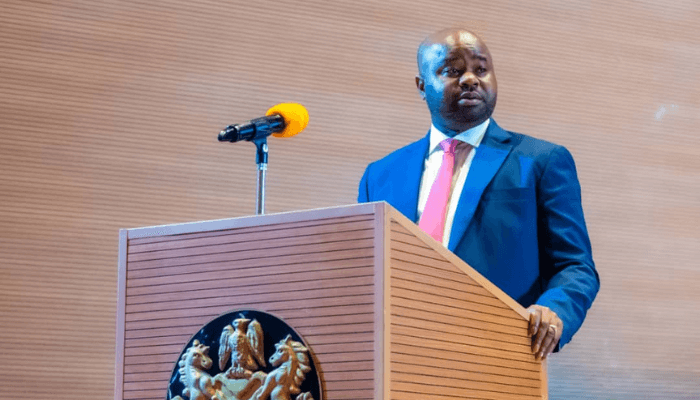
Zacch Adedeji, executive chairman, Nigeria Revenue Service (NRS) recently said that a combination of far-reaching reforms had moved the country from acute macroeconomic distress to a more stable and increasingly resilient footing.
He identified the removal of petrol subsidy, unification of the foreign exchange (FX) market, implementation of the Petroleum Industry Act (PIA), tighter monetary policy, and ongoing tax overhaul as the major reforms driving improvement in economic fundamentals.