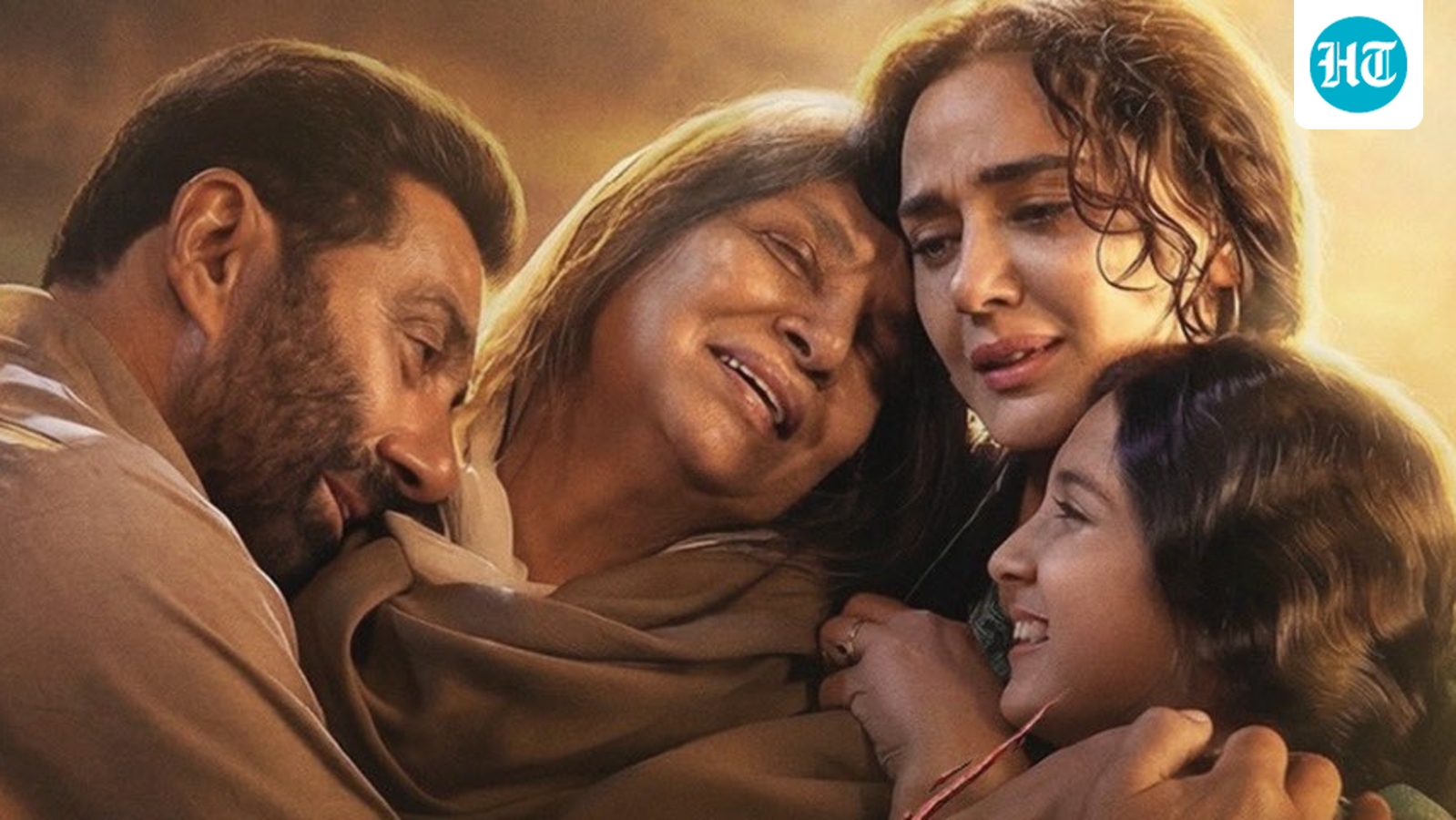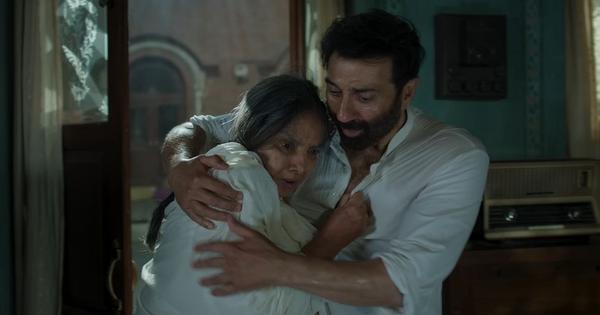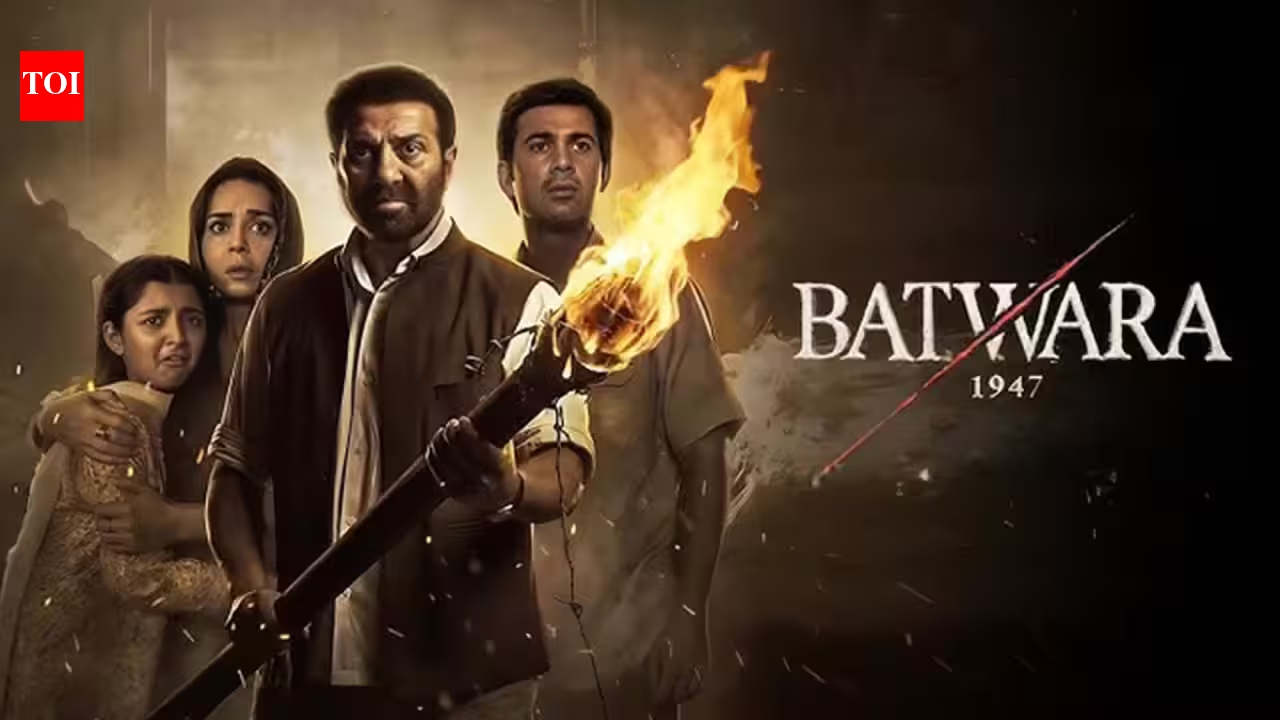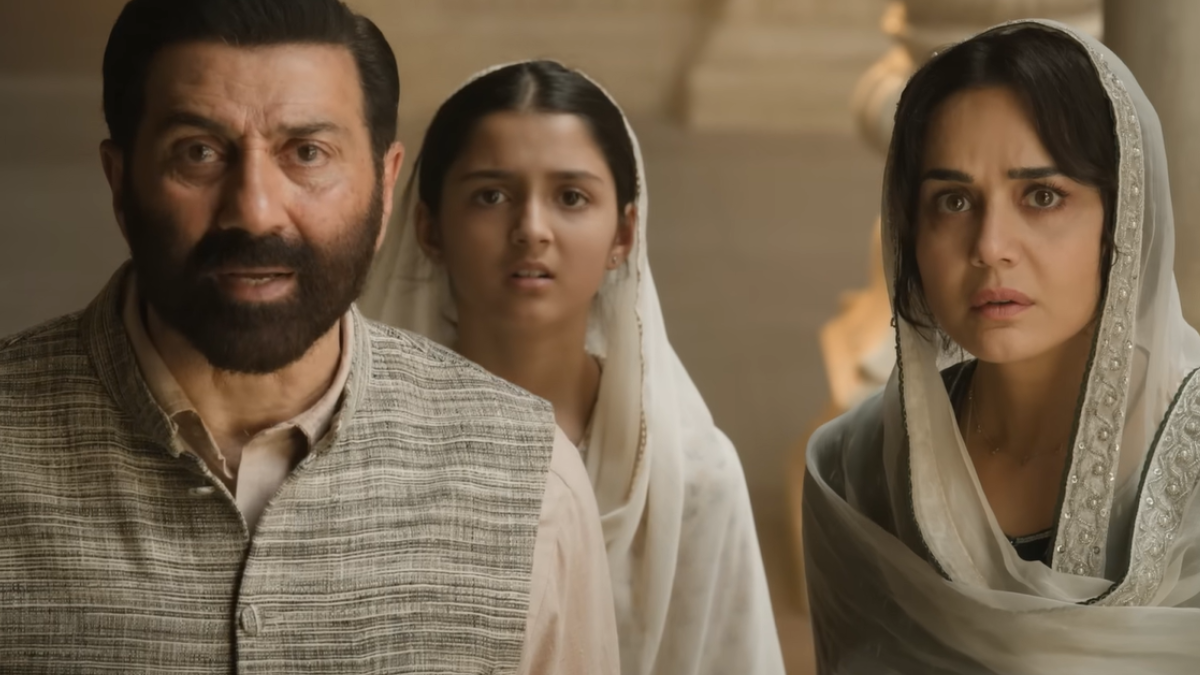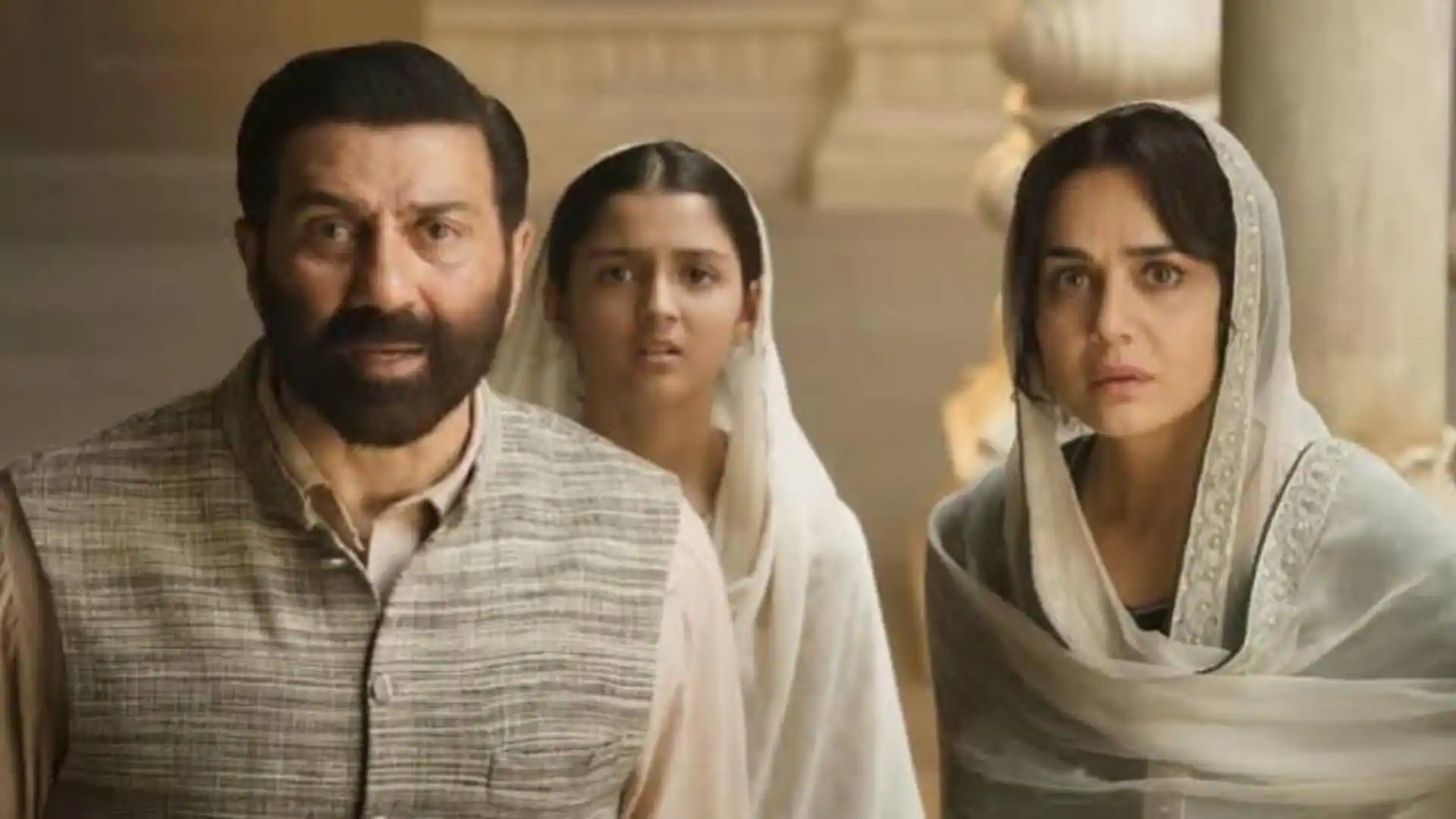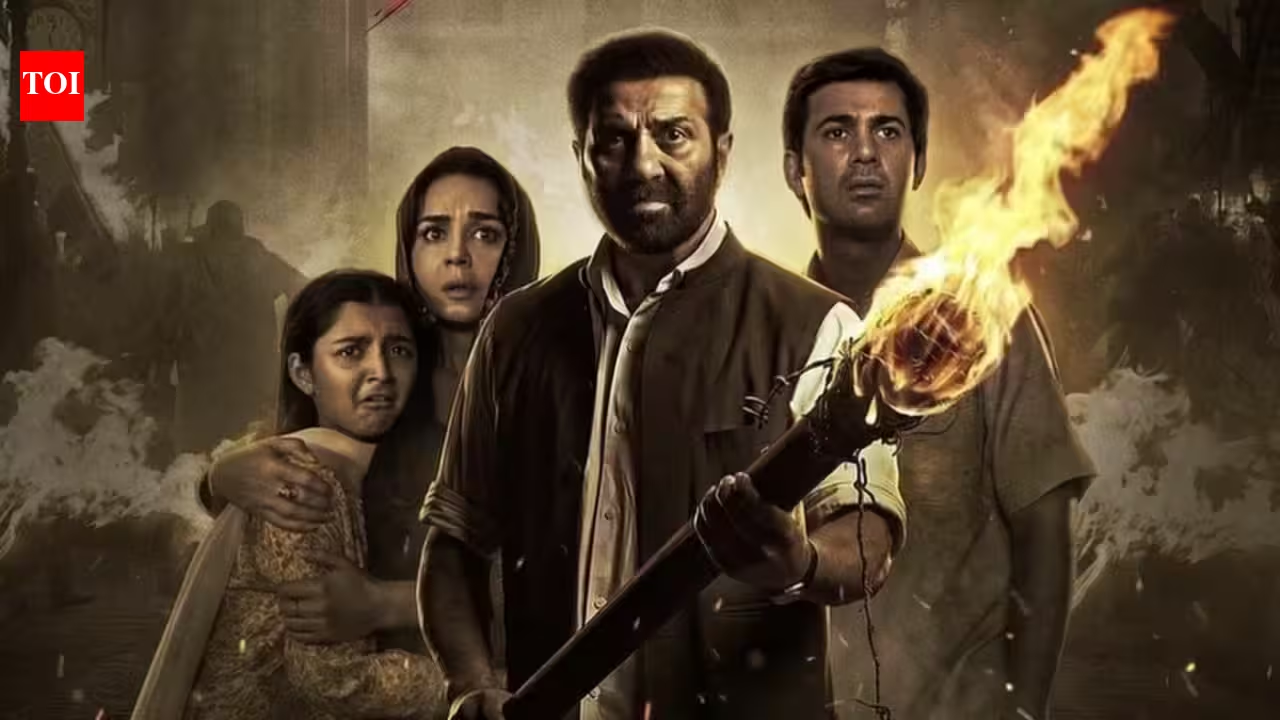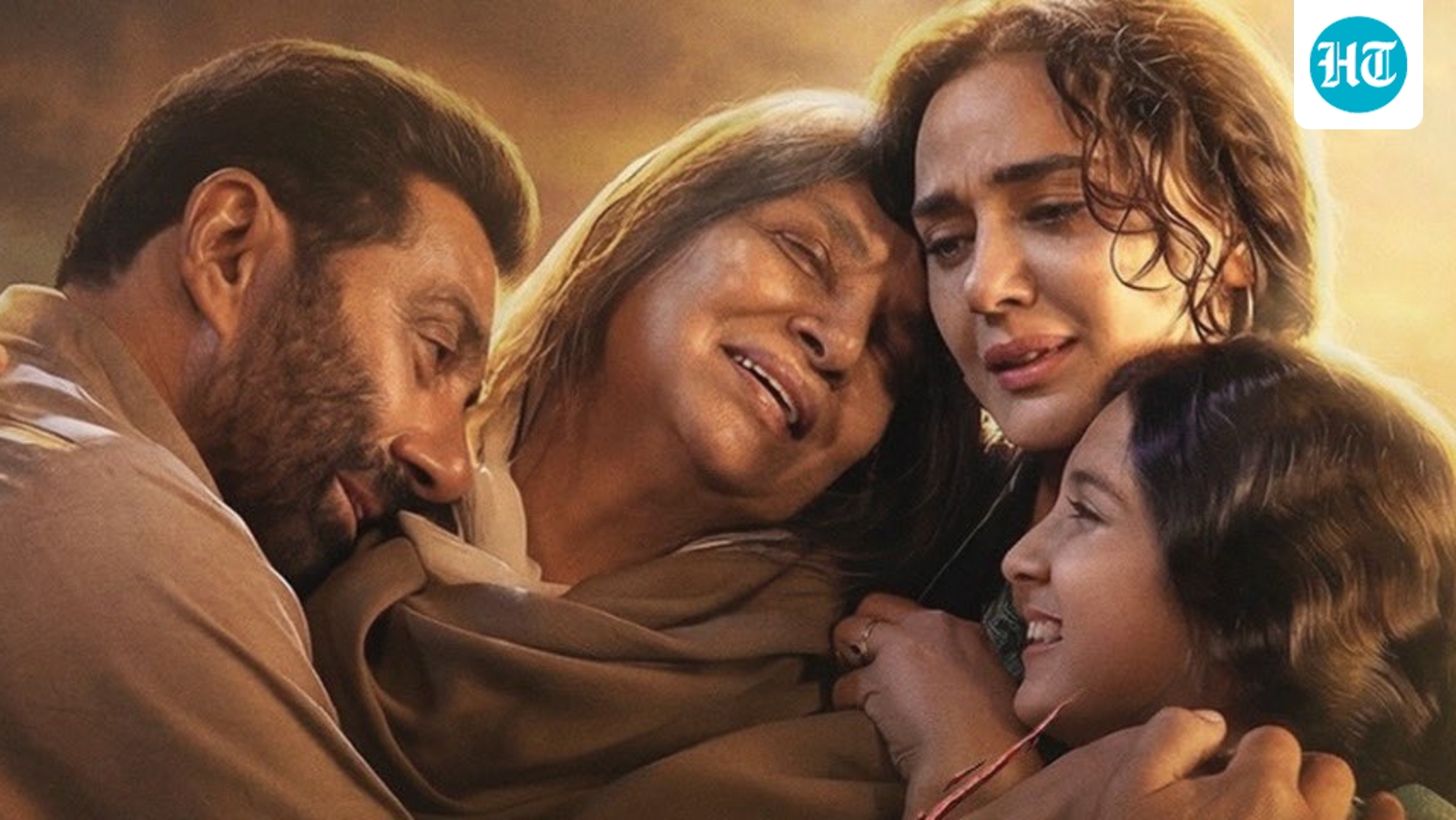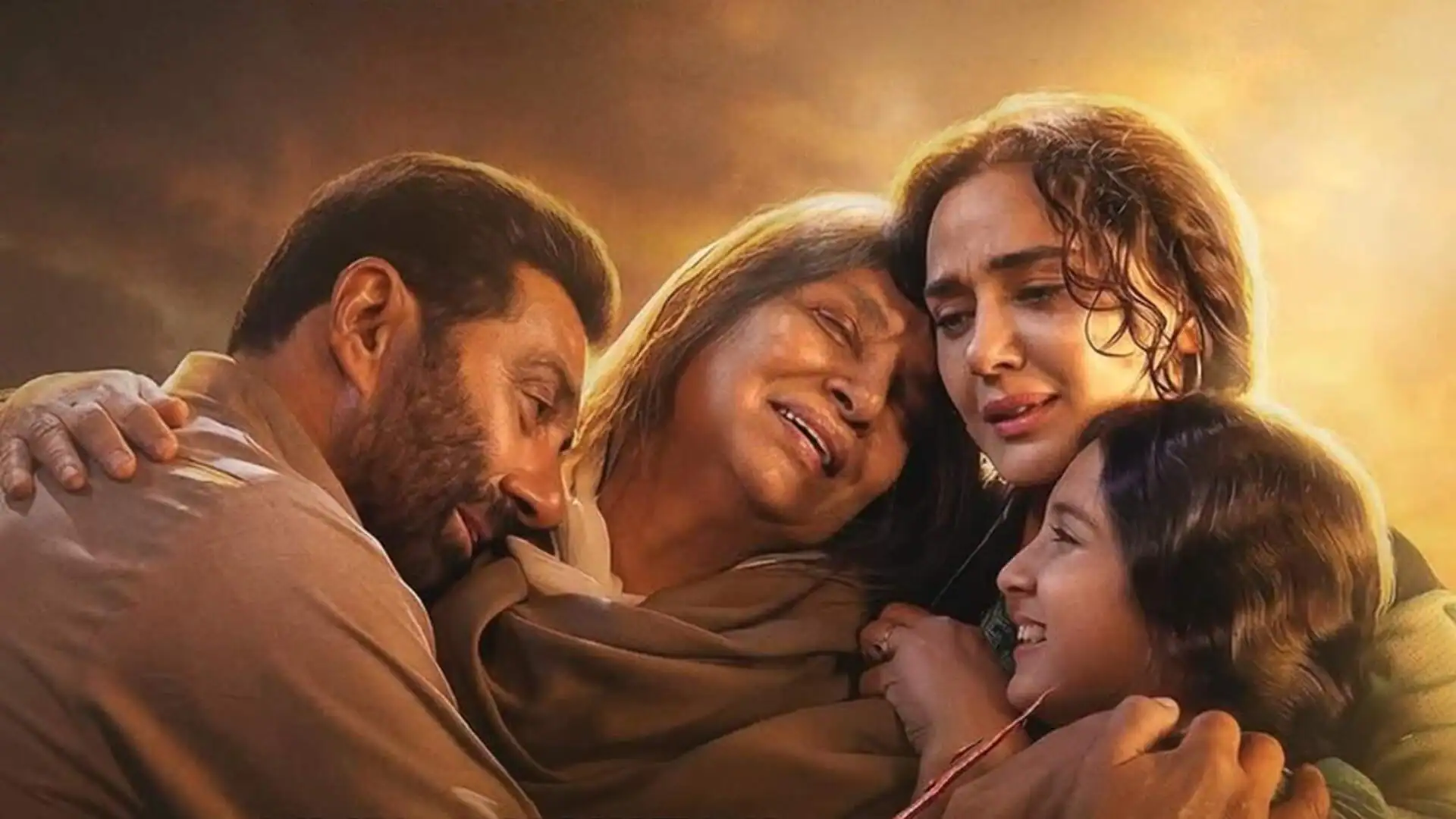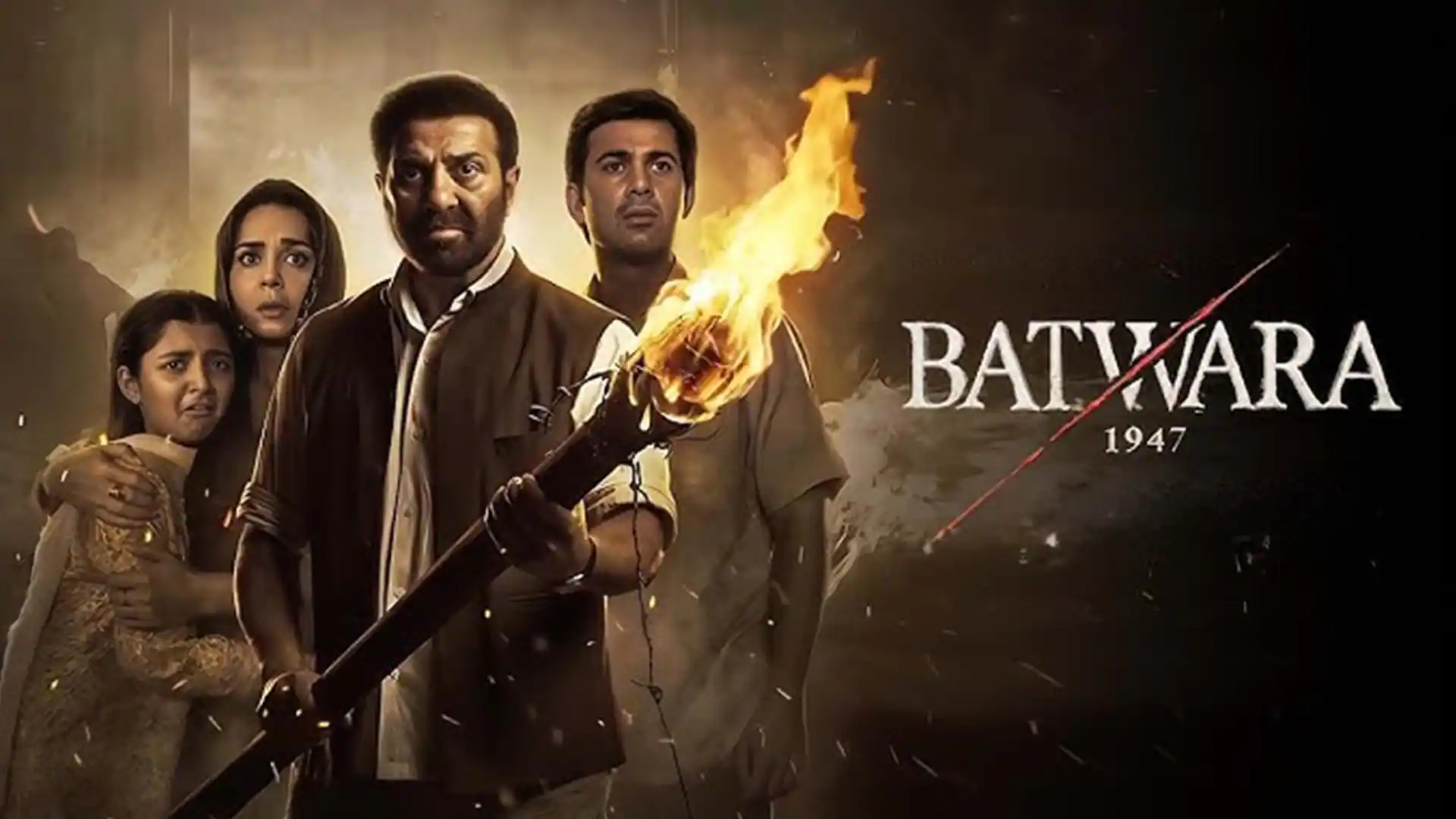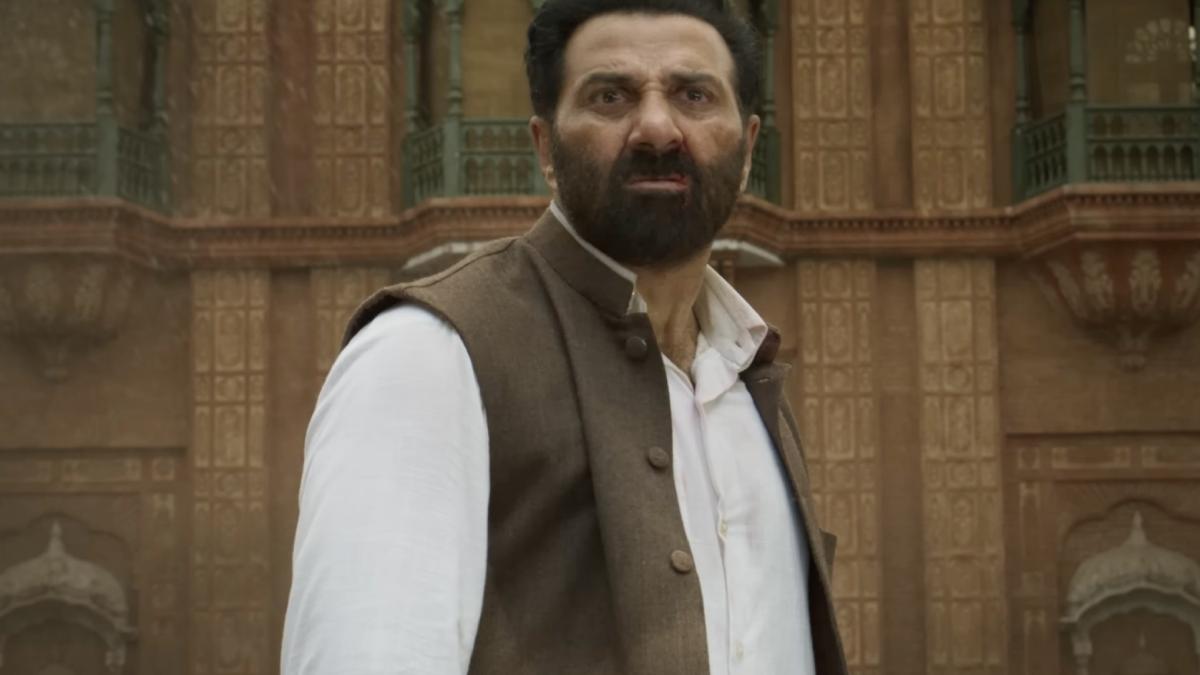
In a cinematic landscape dominated by polarised, ‘us versus them’ period pieces, Rajkumar Santoshi serves a humanistic counter-narrative this partition day. Based on Asghar Wajahat’s seminal play Jis Lahore Nai Vekhya O Janmeya Nai, the film poignantly handles the play’s core ideological conflict and subverts Sunny Deol’s popular persona to underline that human empathy and shared grief can outlast any artificial border.A Muslim refugee family from Meerut is allocated a Lahore haveli vacated during Partition, only to discover an elderly Hindu woman, Durga Devi or simply Mai, refusing to leave. Having just survived the horrific communal violence, Sikandar Mirza and Hamida (Preity Zinta) arrive in Lahore carrying immense psychological trauma. To them, the allocated haveli is a hard-earned refuge and a rightful compensation for everything they lost in India.When they discover Mai (Shabana Azmi) hiding in the house, they don’t see a helpless old woman who lost her everything to communal mayhem. To them, she represents the ‘other’, the very people who slaughtered their neighbours and relatives and forced them to flee. However, as time passes, it is hard to maintain burning communal hatred when the enemy is a fragile grandmother making tea and offering home remedies. Despite opportunistic neighbours, a radicalised son (Karan Deol), and communal rhetoric, Sikandar gradually discovers that trauma has no religion and sees the image of his own mother in Mai.Batwara 1947 (Hindi)Director: Rajkumar SantoshiDuration: 143 minutesCast: Sunny Deol, Shabana Azmi, Preity Zinta, Abhimanyu Singh, Karan DeolSynopsis: A Muslim refugee family moves into a Lahore haveli and discovers an elderly Hindu widow residing inside. When the family takes a moral stand to protect her, defying local extremists, all hell breaks loose.Wajahat’s mother is not an abstract figure or a political prop that certain ideologues and demagogues champion. Santoshi ensures Mai functions as a tangible human presence that challenges sectarian division without making a show of it. When Sikandar shouts in agitation, “A mother is a religion in herself; every person’s first religion is their mother,” the film shifts the definition of patriotism away from national borders or religious rituals to internal morality.
‘Batwara 1947’ movie review: Sunny Deol-Shabana Azmi symphony breathes life into Partition drama
Rajkumar Santoshi repurposes Sunny Deol’s might and Asghar Wajahat’s text to interrogate modern-day fanaticism with mixed results.
977 words~4 min read