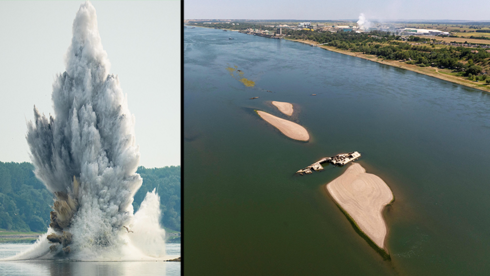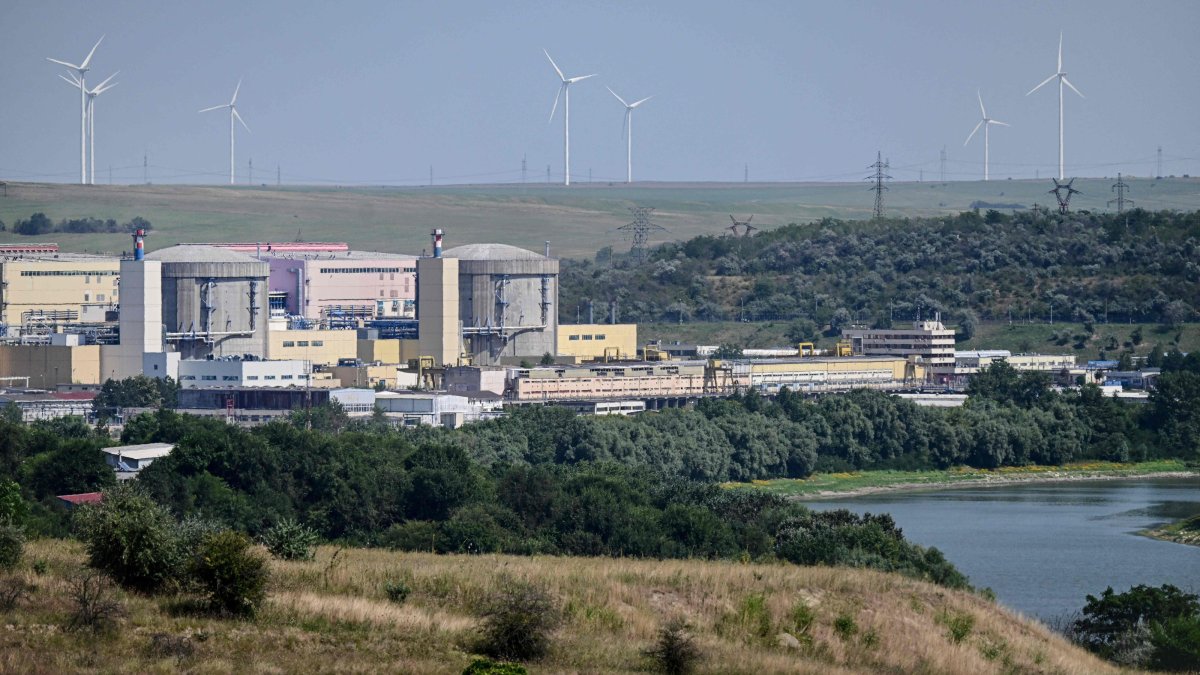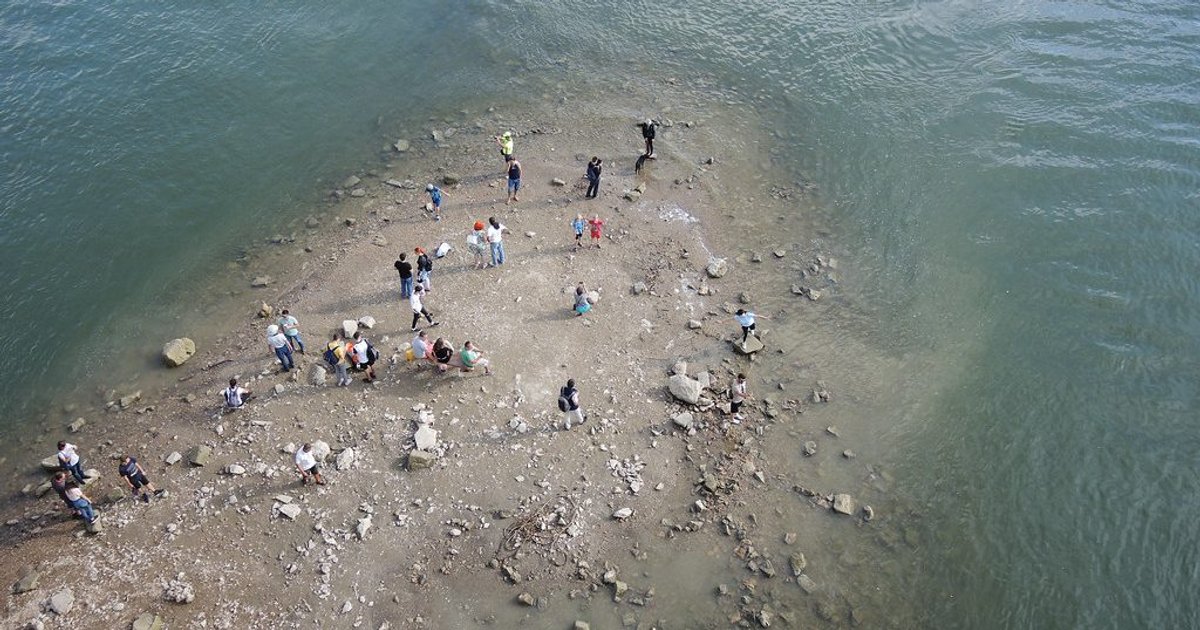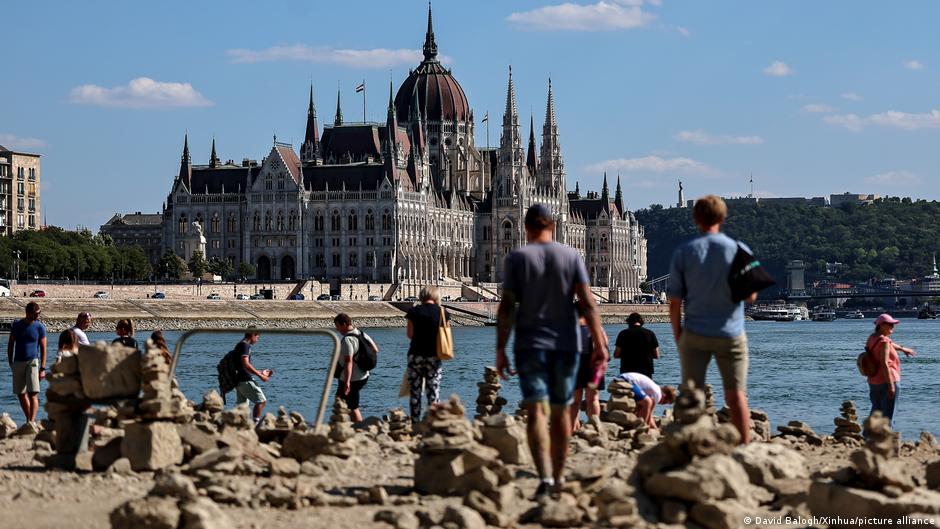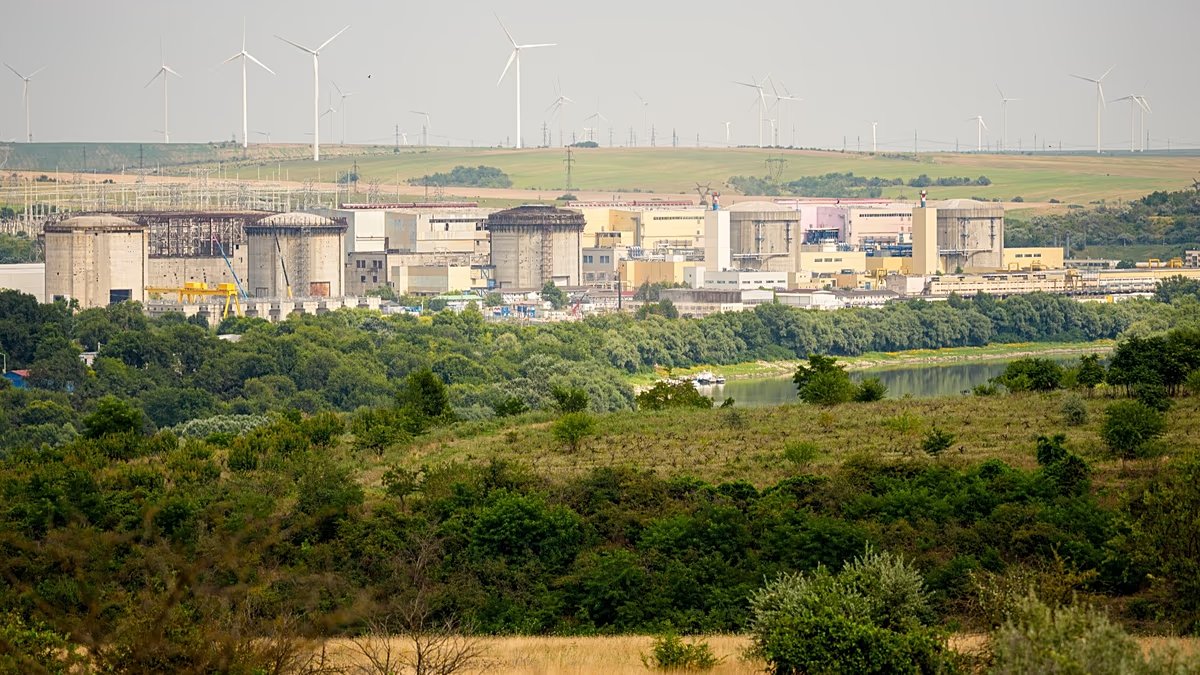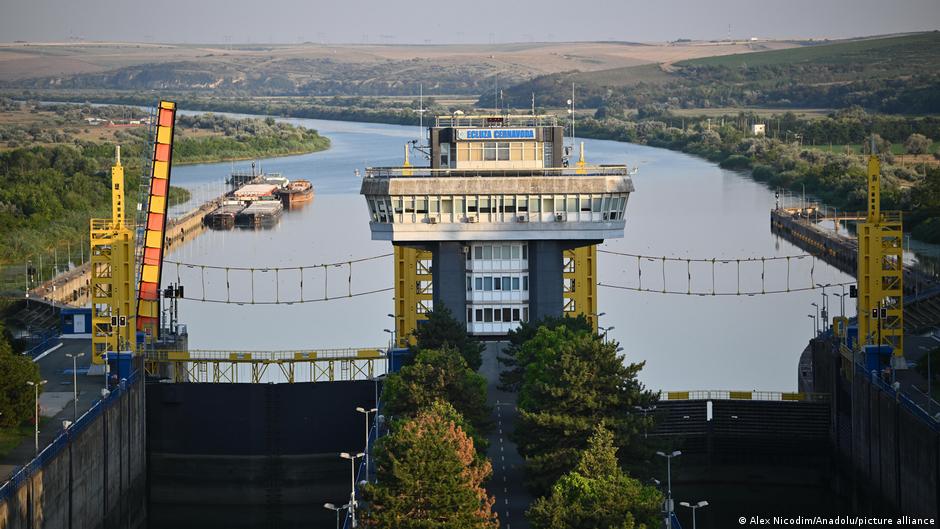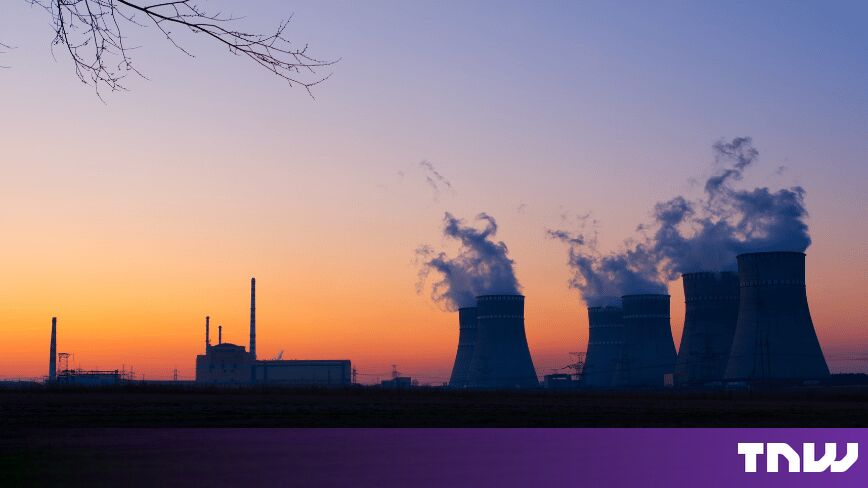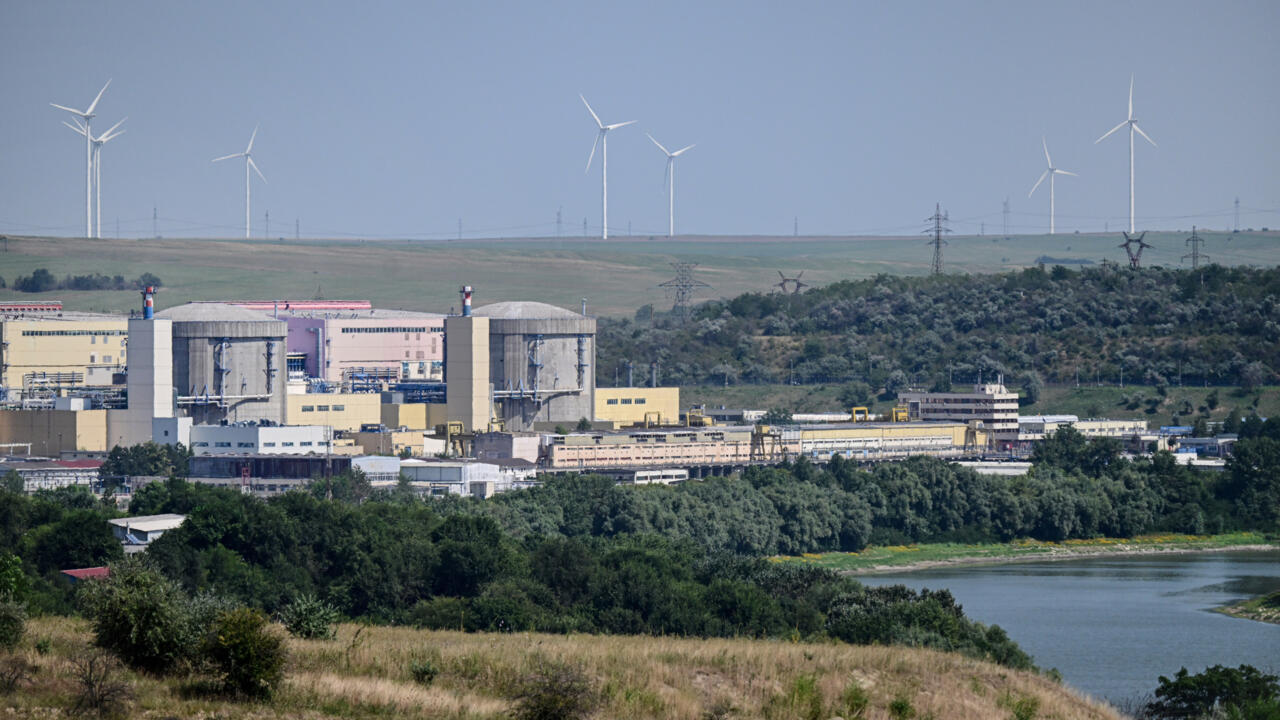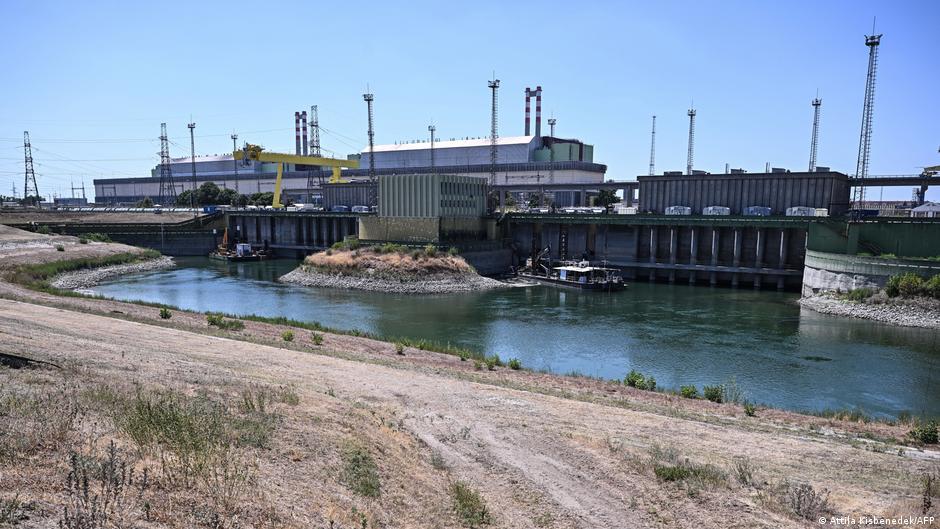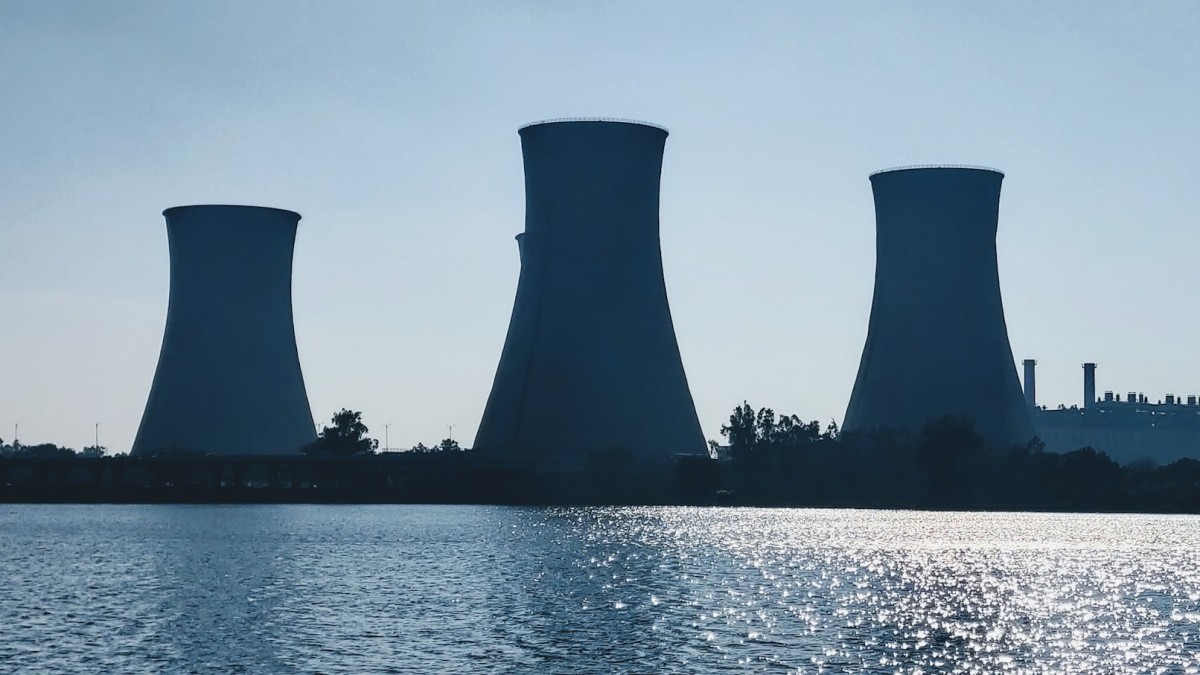
Severe droughts and record-low river levels are disrupting Eastern European nuclear generation, forcing Romania to shut down its last working reactor and straining Hungary's capacity to keep its plant online, sparking broader debate on how to adapt atomic energy to an increasingly extreme climate.
Reliance on river water for cooling nuclear reactors has long been an issue and has repeatedly led to reduced power output in the summer months, especially in France, which is more dependent on nuclear power than any other country.
But the extremity of drought and heat this year in Europe, which has experienced more warming than any other continent, has added urgency to a debate about adaptation.
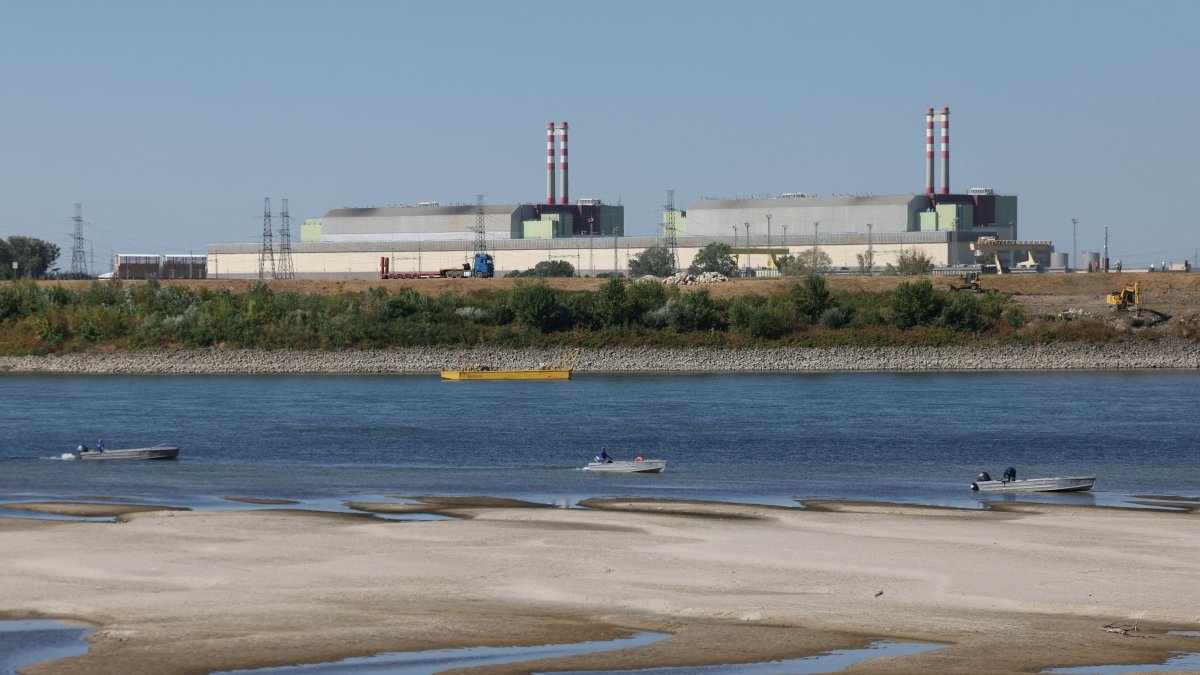
Hungary was forced to cut its 2-gigawatt Paks nuclear plant's output to just over 10% earlier this month, barely escaping a full shutdown for the first time in 44 years. It is now operating at 25% of its capacity.
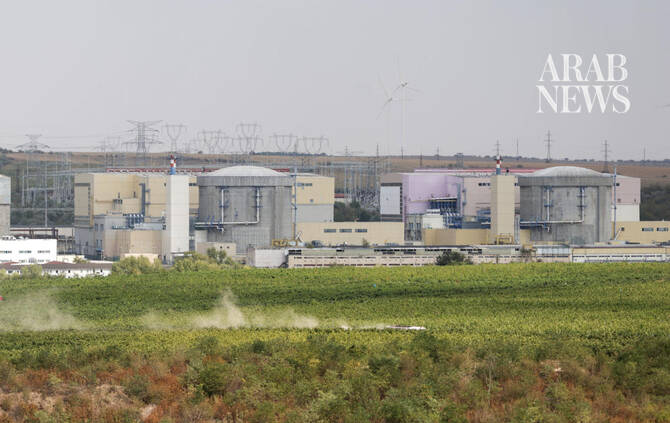
Romania's state-owned Nuclearelectrica shut down its last working reactor on Thursday after efforts to divert cooling water to the plant were not enough.