India just quietly became one of the most aggressive CBDC testing grounds on the planet. The Reserve Bank of India has extended its digital rupee pilot to two additional federally administered territories, pushing programmable welfare payments deeper into the country’s sprawling subsidy system.
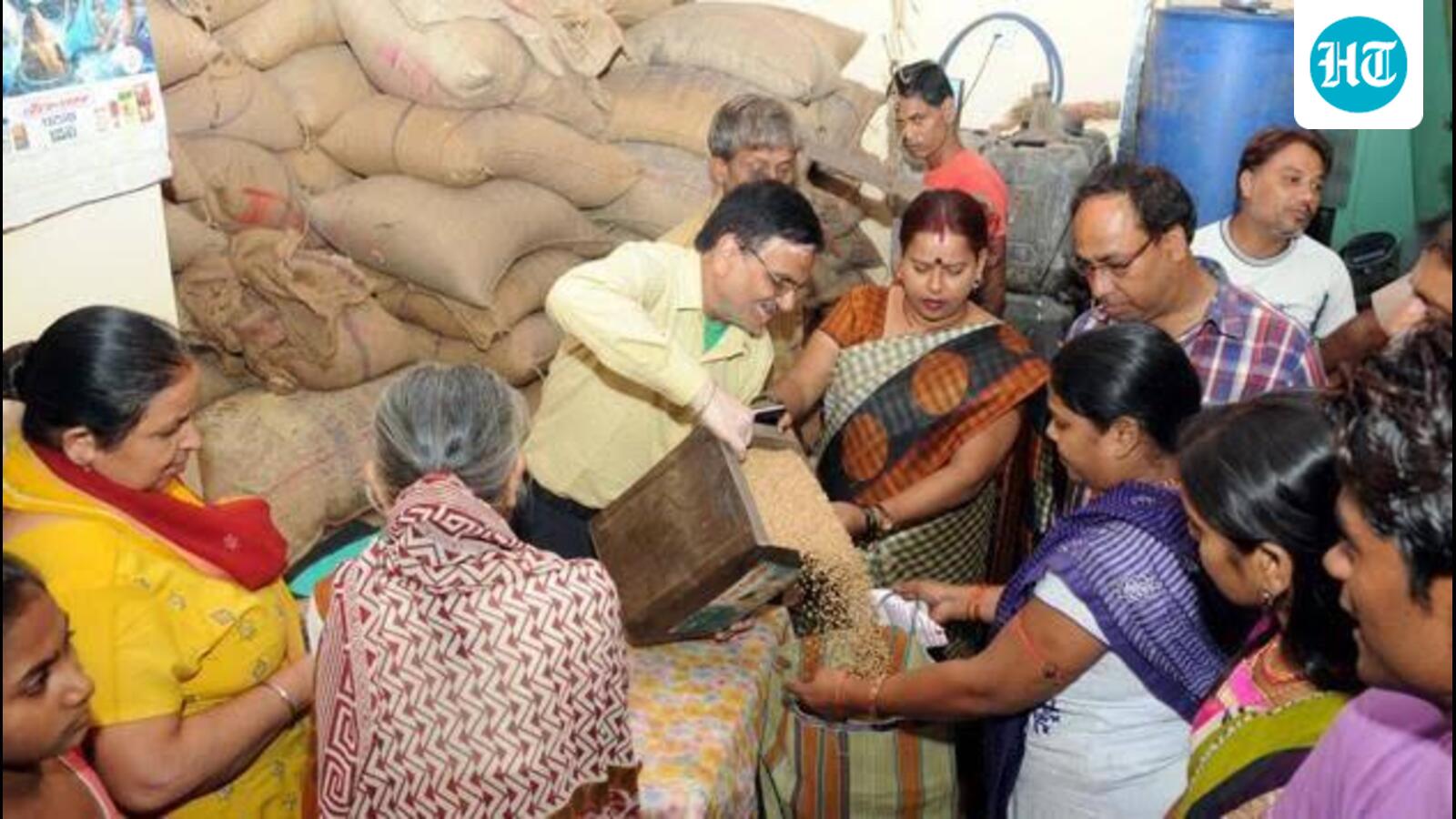
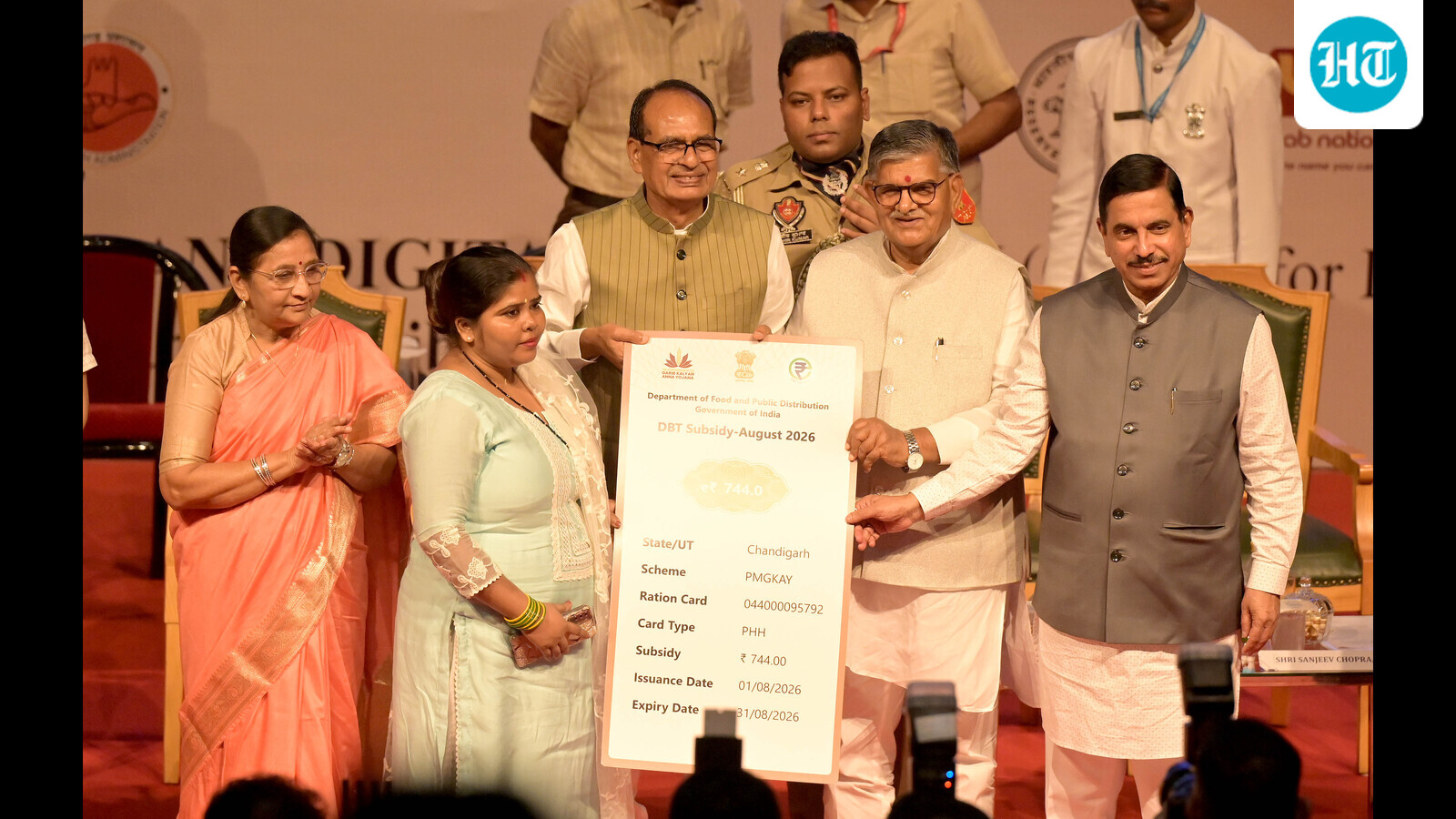
The expansion brings Puducherry and Chandigarh into the fold alongside Gujarat, where beneficiaries are already using the e₹ to receive food subsidies. The catch: the digital currency can only be spent on specified goods at designated retailers.
From pilot to platform
The retail digital rupee, known as e₹-R, first launched on December 1, 2022, across four cities: Mumbai, New Delhi, Bengaluru, and Bhubaneswar. What started as a cautious experiment has since ballooned into at least 10 concurrent CBDC pilots during the fiscal year 2025-26, according to the RBI’s latest annual report released in late May 2026.
Retail e₹ circulation currently sits at roughly ₹771 crore, which translates to about $92 million. The programmable features are the real story here. By restricting how and where digital rupees can be spent, the RBI is building infrastructure that could eventually underpin direct benefit transfers across India’s entire subsidy ecosystem. That ecosystem is valued at approximately $80 billion, making it one of the largest government-to-citizen payment networks anywhere in the world.