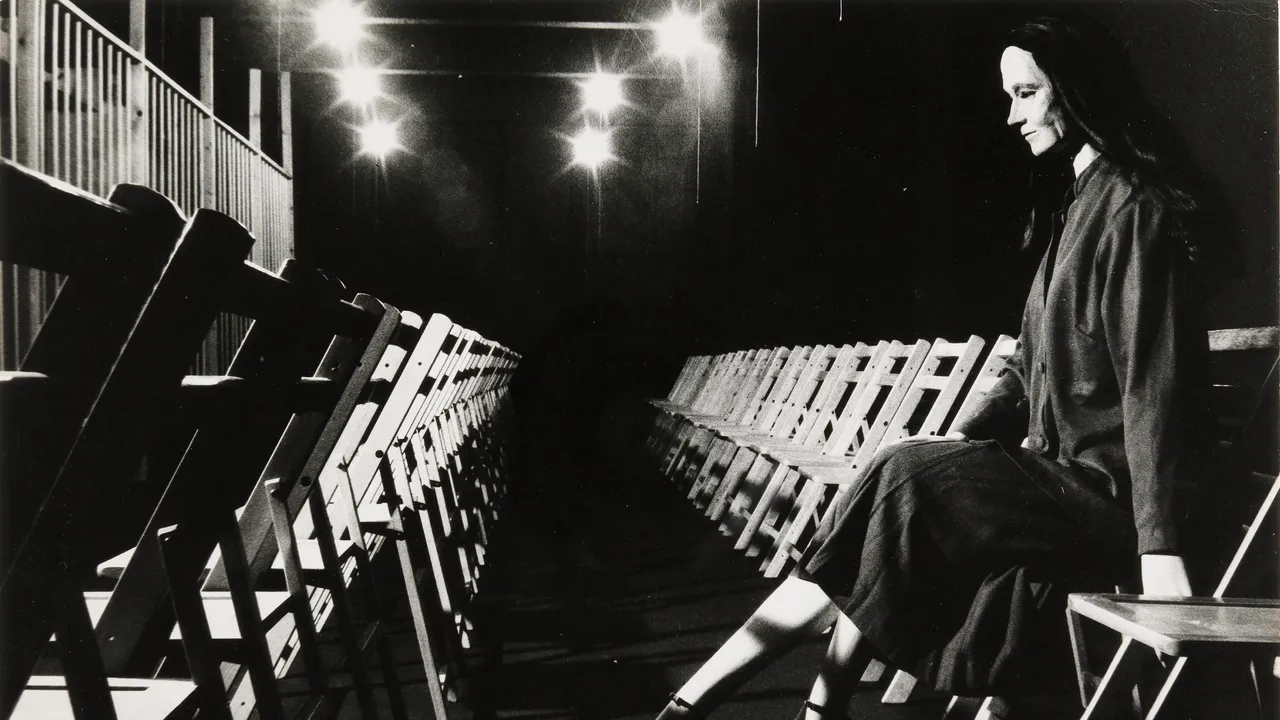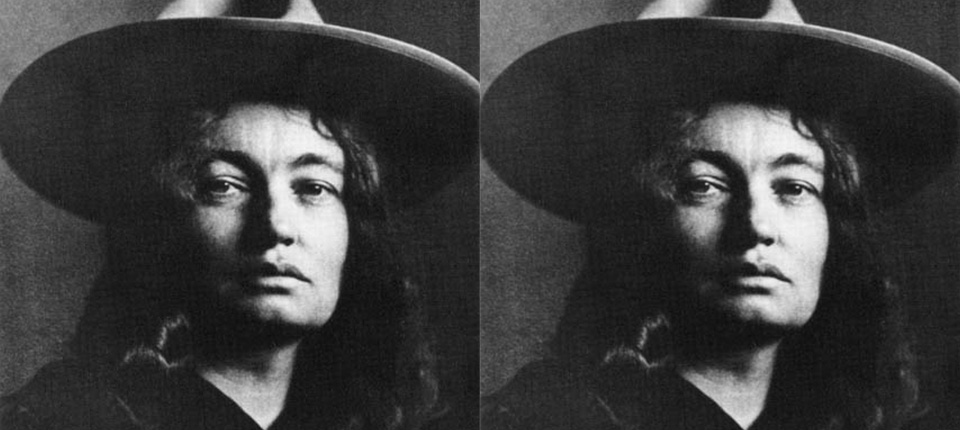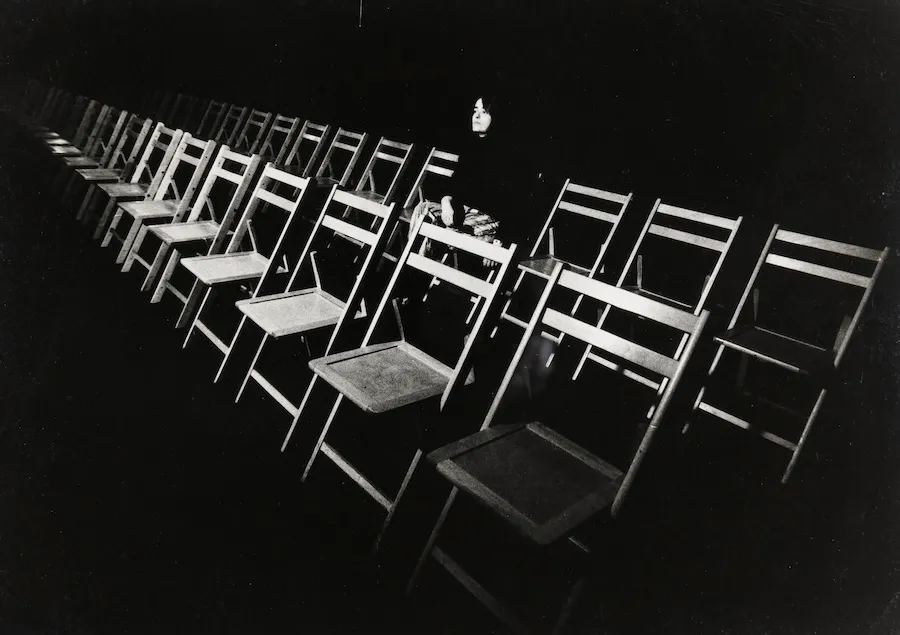
Kate Millett would never be more active or more in demand than she was in 1972. Two summers earlier, her debut book had made her a household name. Begun as her thesis for a literature Ph.D., Sexual Politics swelled into a wide-ranging examination of sex as a terrain of political contest and patriarchy as a ubiquitous force, adaptable but tenacious throughout history, structuring interpersonal life at every scale. The press seized on the book as an exemplary artifact of a new wave of feminism striking the shores of the mainstream.After Time put her portrait on its cover and dubbed her “the Mao Tse-tung of Women’s Liberation,” Millett struggled to wrench the spotlight back toward the causes she’d been made to represent. She spoke at rallies, college auditoriums, and closed-door rap sessions. She appeared on Dick Cavett and on the steps of the New York capitol. In March 1972 she returned to Columbia, where she’d been a graduate student, to protest layoffs of custodial staff; in May she traveled to California to witness the trial of Angela Davis. And in April she mounted an art show called Terminal Piece.Millett had been making art for over a decade, a parallel vocation that was met with mild curiosity when it was acknowledged at all. A spread in Life introduced her as a “furious young philosopher” before noting that she was also “a sometime artist” of “whimsical sculpture.” An accompanying photo shows her smiling broadly behind one of her creations: a cartoonish wooden bed with four oversized feet stretching out toward the camera. It was one of a suite of furniture pieces that brought Millett modest attention in the late 1960s, before the press reencountered her on the barricades. “Kate Millett’s sculptures all look alike and like Kate Millett,” Janet Malcolm wrote in The New Yorker. “They have a square-cut, blocky, strong, optimistic character.”Terminal Piece was something else. No one would call it whimsical or optimistic. Millett’s installation has been restaged this summer at mumok, in Vienna, where it occupies its own shadowy room on the museum’s top floor. A wall of wooden bars cuts the space in two. Behind them are arranged two rows of folding chairs. A single mannequin sits off-center in the second row, her head bowed slightly, her right foot arched forward. She wears the loose navy dress of a prisoner, penitent, or sleeper, and incongruous black high heels. She may be waiting to stand and depart (terminal as in transit stop), or she may be waiting forever (terminal as in fatal).
‘The Silent Art’ | Sam Huber
Kate Millett would never be more active or more in demand than she was in 1972. Two summers earlier, her debut book had made her a household name. Begun
2,499 words~11 min read