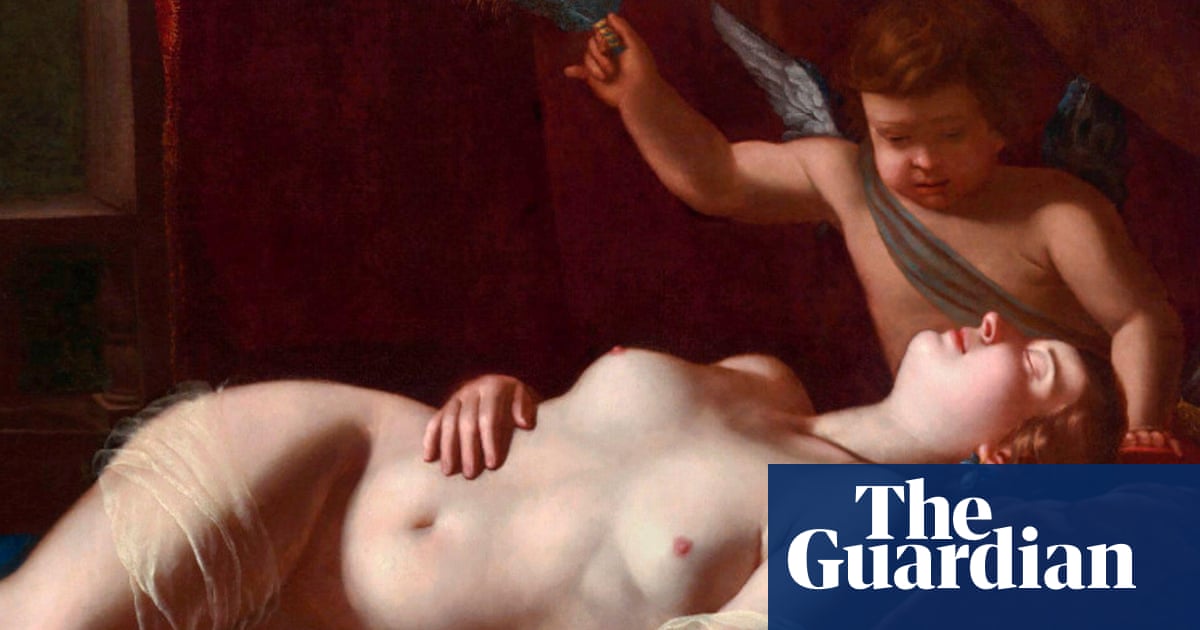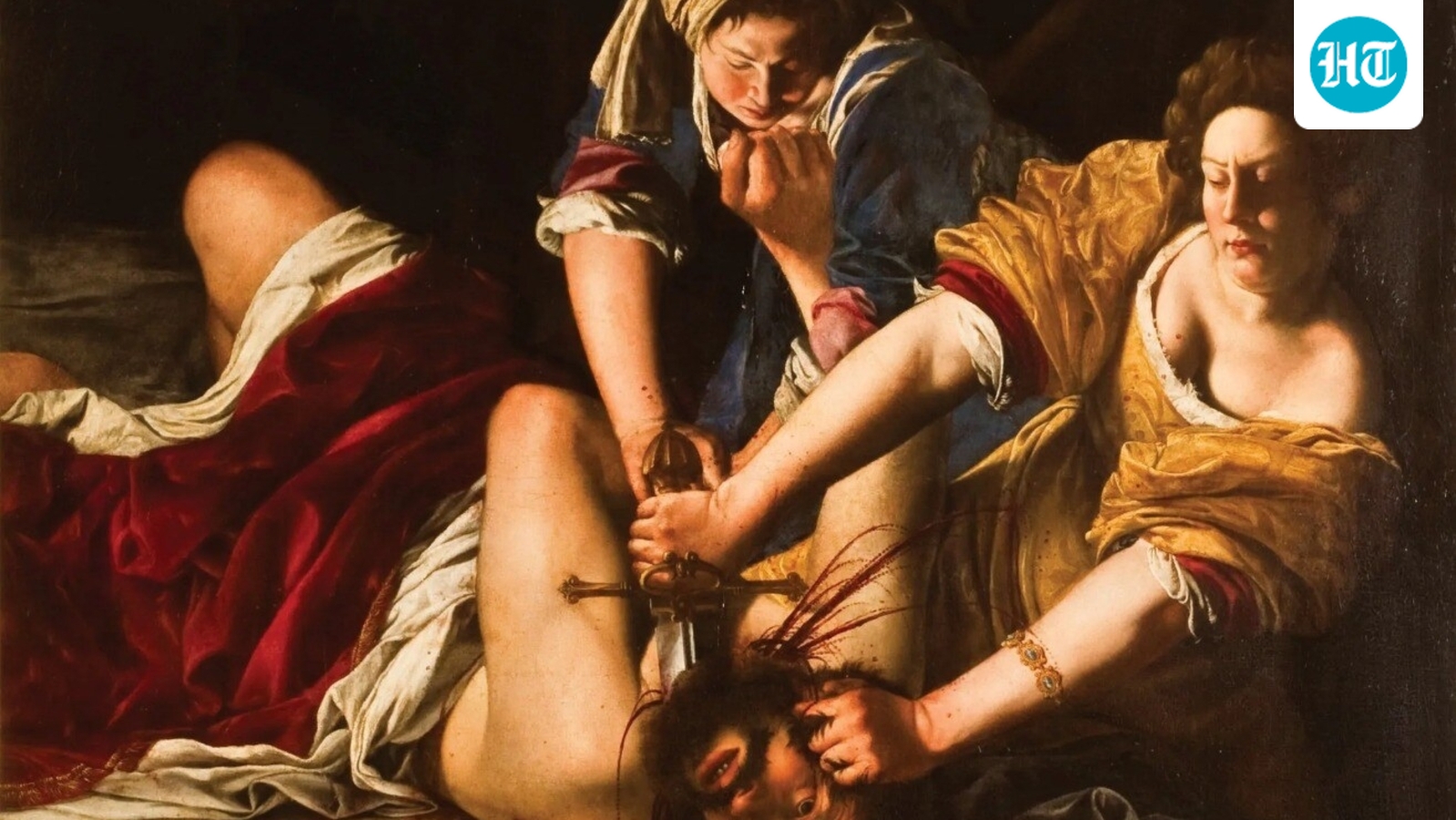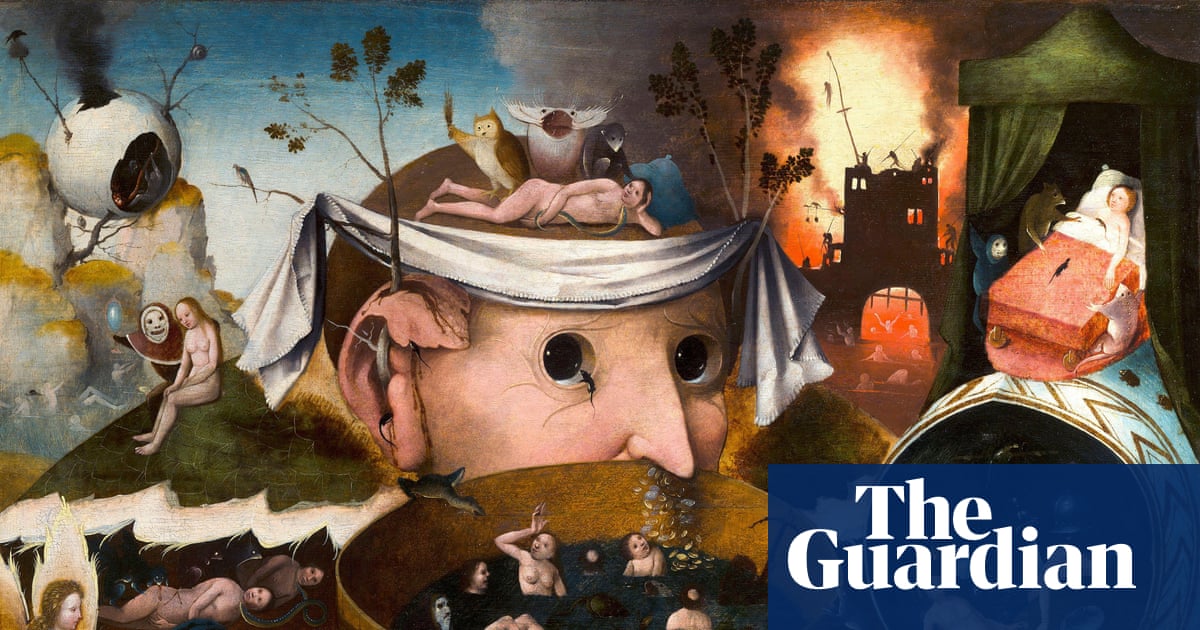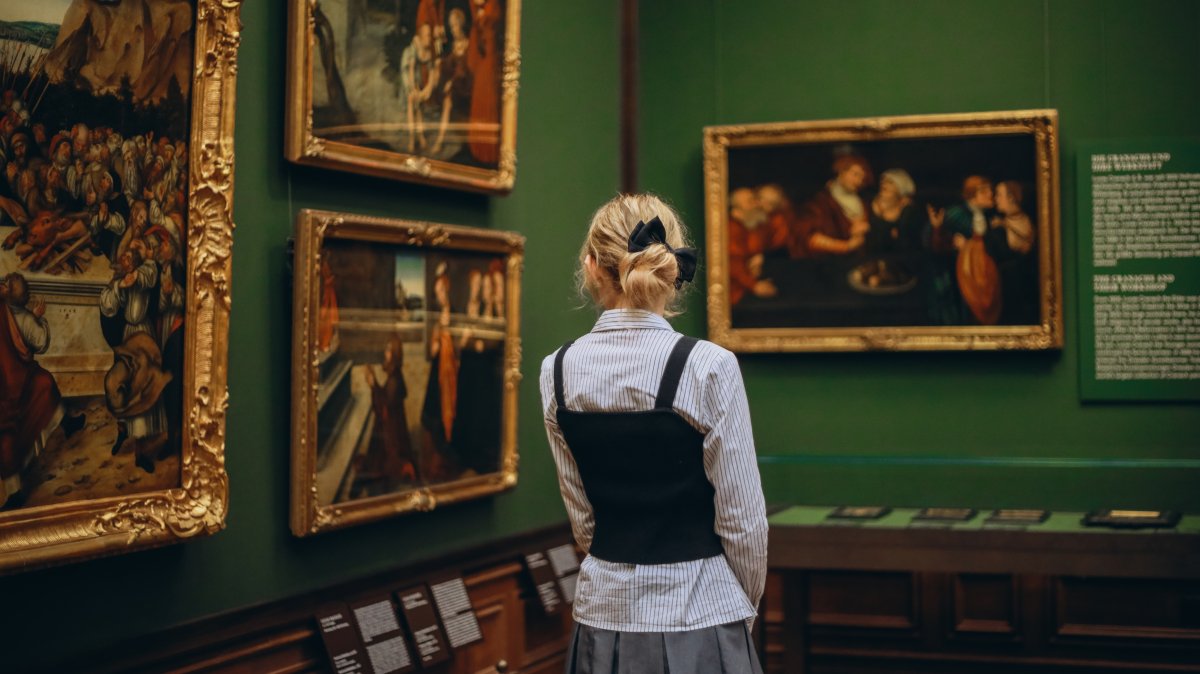
Some books arrive at precisely the right historical moment; others create that moment themselves. Linda Nochlin’s "Why Have There Been No Great Women Artists?" belongs decisively to the latter category. More than 50 years after its original publication in 1971, it continues to unsettle readers, not because its arguments have aged well, but because many of the structures it exposed have survived with astonishing resilience.
The brilliance of the book lies in the fact that Nochlin refuses to answer the title literally. She dismantles the question before attempting to respond to it. Her argument is elegantly simple yet intellectually devastating. The problem is not that women have failed to produce great art, but that history has been designed to recognize greatness according to standards that systematically excluded women long before they ever entered the studio.
This shift transforms the conversation completely. Instead of searching museums for forgotten female Michelangelos or Picassos, Nochlin asks us to examine the institutions that made Michelangelo and Picasso possible in the first place. That distinction changes everything. For centuries, becoming an artist required far more than talent. It required access to education, anatomy classes, apprenticeships, patrons, academies, financial independence, public commissions, professional networks and, perhaps most importantly, the social permission to devote one’s life entirely to artistic production. Women were denied nearly all of these. One cannot expect masterpieces to emerge from opportunities that never existed.