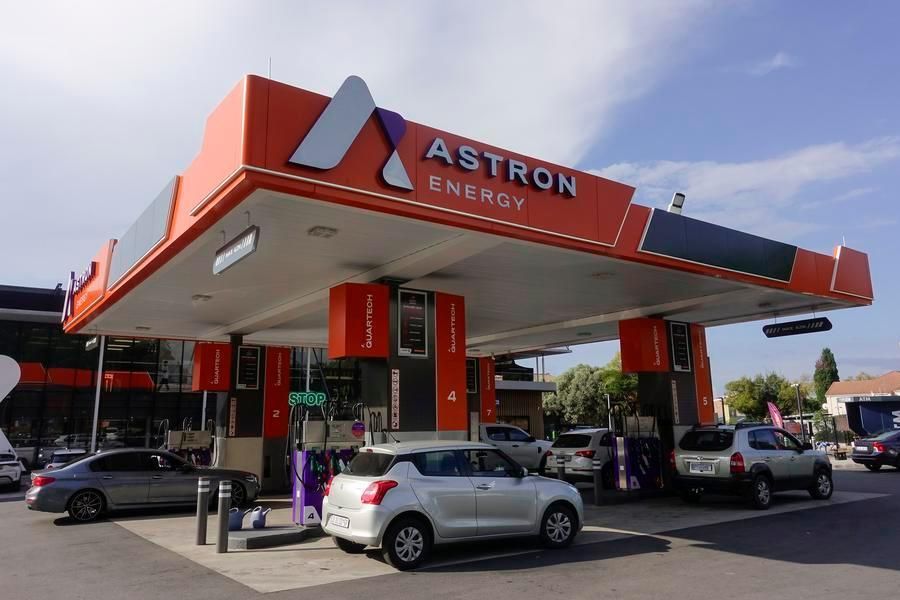
Photo taken on March 25, 2026 shows vehicles getting refueled at a petrol station in Johannesburg, South Africa.
Africa’s oil and gas industry is entering a new investment cycle. But unlike previous periods of enthusiasm, the continent’s opportunity is increasingly less about discovering another large reserve and more about determining whether existing and newly developed resources can be converted into energy security, industrial capacity and long-term economic value.
Upstream oil and gas investment in Africa is expected to reach approximately $41 billion in 2026, up from around $40 billion in 2025, according to industry estimates. Production is also expected to stabilise at approximately 11.4 million barrels of oil equivalent per day, with deepwater developments emerging as an important source of future supply.
This investment is significant because Africa remains one of the world’s most underdeveloped energy markets despite possessing substantial hydrocarbon resources. The continent is simultaneously an exporter of crude oil and natural gas and a major importer of refined petroleum products and, in some markets, electricity.
For decades, many African economies have focused on extracting hydrocarbons and exporting them, while importing a significant proportion of the refined products and industrial goods required by their domestic economies. The result has often been limited local value addition and insufficient industrial linkages.