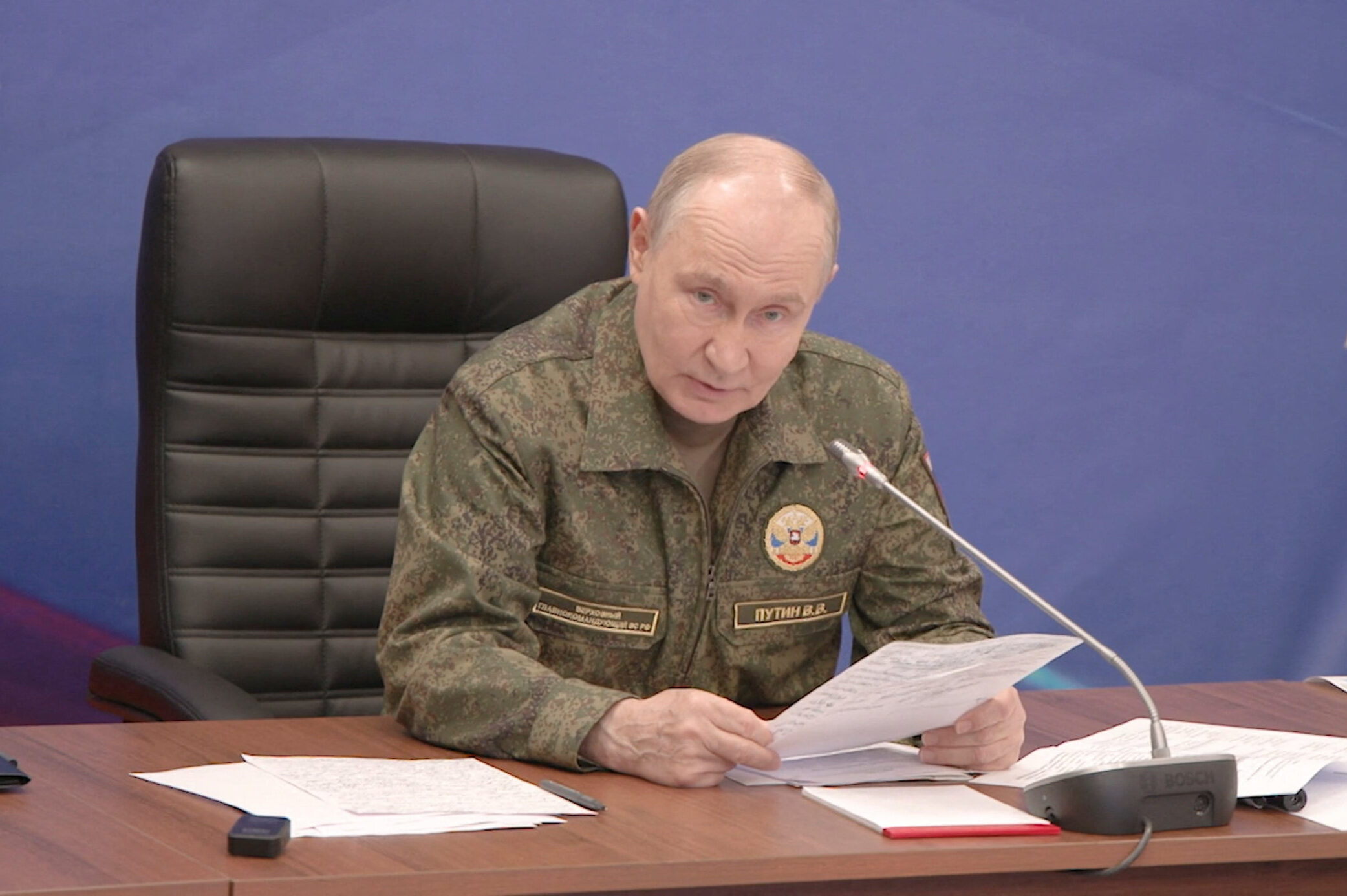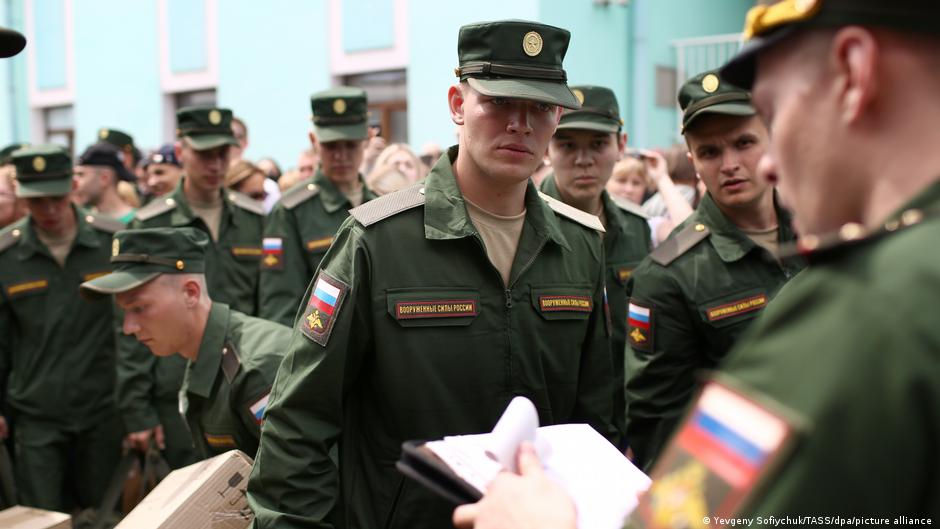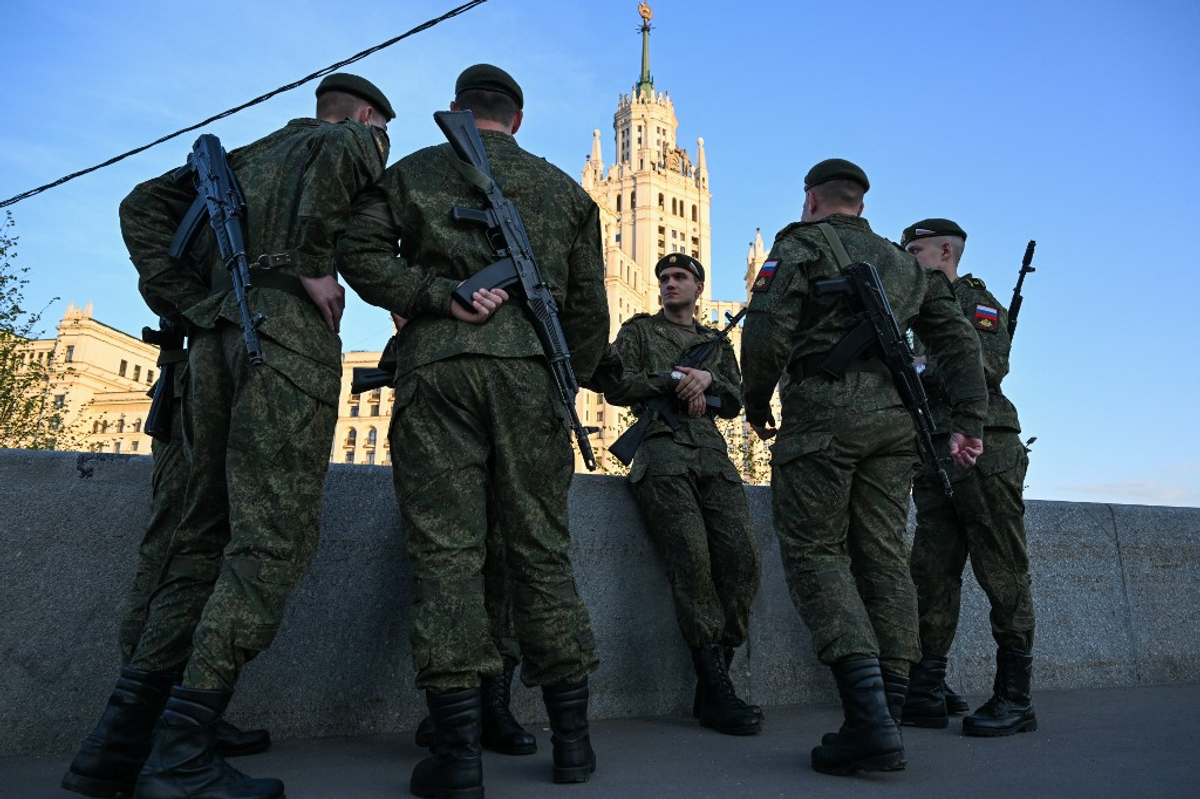
Russia’s invasion of Ukraine has stalled on the ground – and the war is taking an ever bigger toll on the Russian economy. Meanwhile, Kyiv claims to have recaptured 745 square kilometres of Ukrainian territory since the start of the year. Against this backdrop, talk of a new mobilisation is growing louder in Moscow – although this is unlikely to happen before the Duma elections in mid-September. What would the impact be? Risky moveJOIN US ON TELEGRAMFollow our coverage of the war on the @Kyivpost_official. A large-scale mobilisation would be Putin’s second big mistake after the invasion of Ukraine, Handelsblatt (Germany) comments: “The already negative mood in Russia could turn into open outrage. Putin’s approval ratings are likely to drop – just as they did after the first mobilisation in September 2022. Back then, there were public protests, and tens of thousands of Russians fled abroad. The stagnating economy would be deprived of even more workers. On top of that, it’s doubtful whether the plan would succeed. Ukraine has neutralised the Russians’ numerical superiority with its drones. If Putin now sends twice as many soldiers to charge against the Ukrainian drone wall, twice as many will die.” Acid test for Russians and regime Journalist and soldier Pavlo Kazarin (Ukraine) comments on Slawa.tv: “Mobilisation in itself will not lead to political protest or political action in Russia. However, it may place additional strain on the administrative system, as it would mean finding recruits, conscripting them, issuing them with uniforms, transporting them to their posts, arming them, training them and finding commanders for them. It will also place additional burdens on society, which opinion polls tell us is weary in this fifth year of the war and must now watch as Ukrainian drones bring the war back to Russian territory.”
Mobilisation Rumours: Kremlin Under Pressure?
Russia’s invasion of Ukraine has stalled on the ground – and the war is taking an ever bigger toll on the Russian economy.
826 words~4 min read