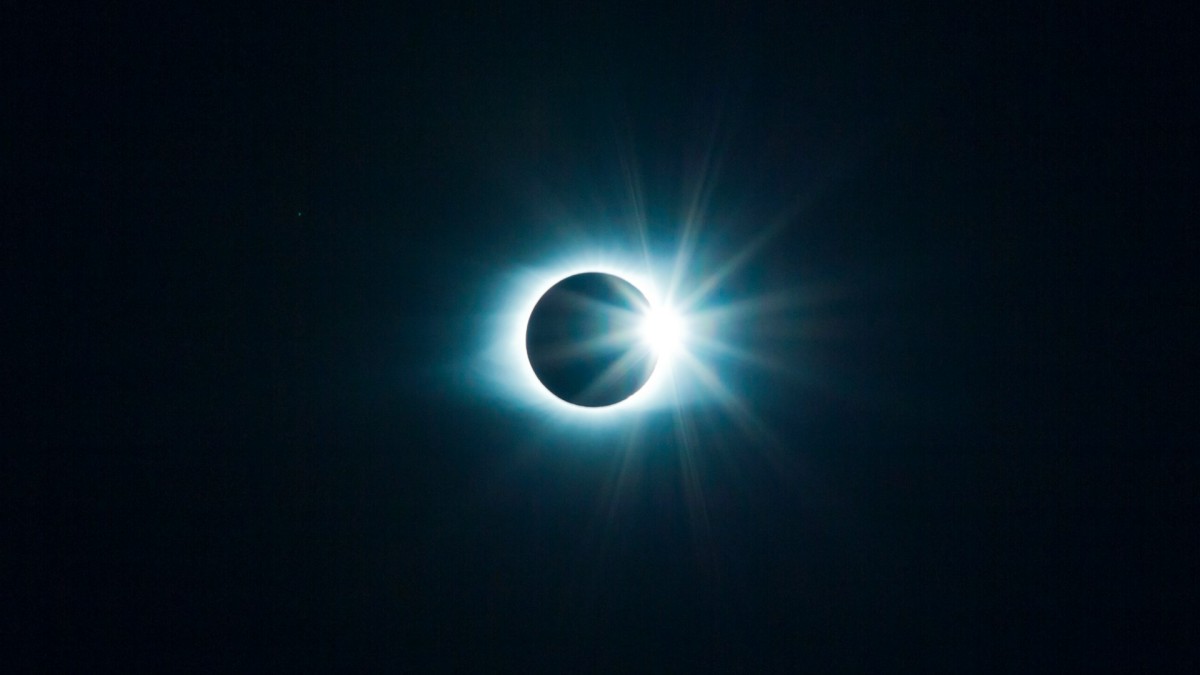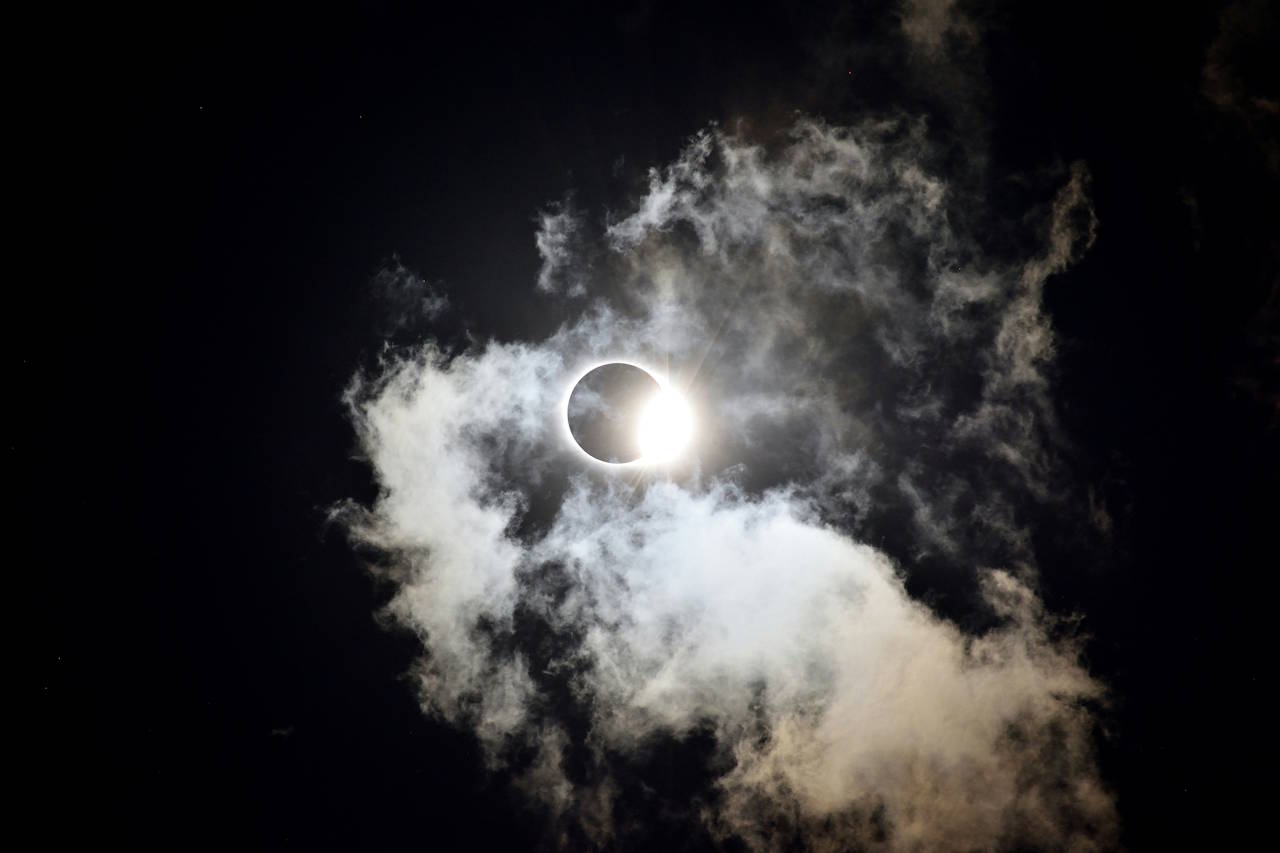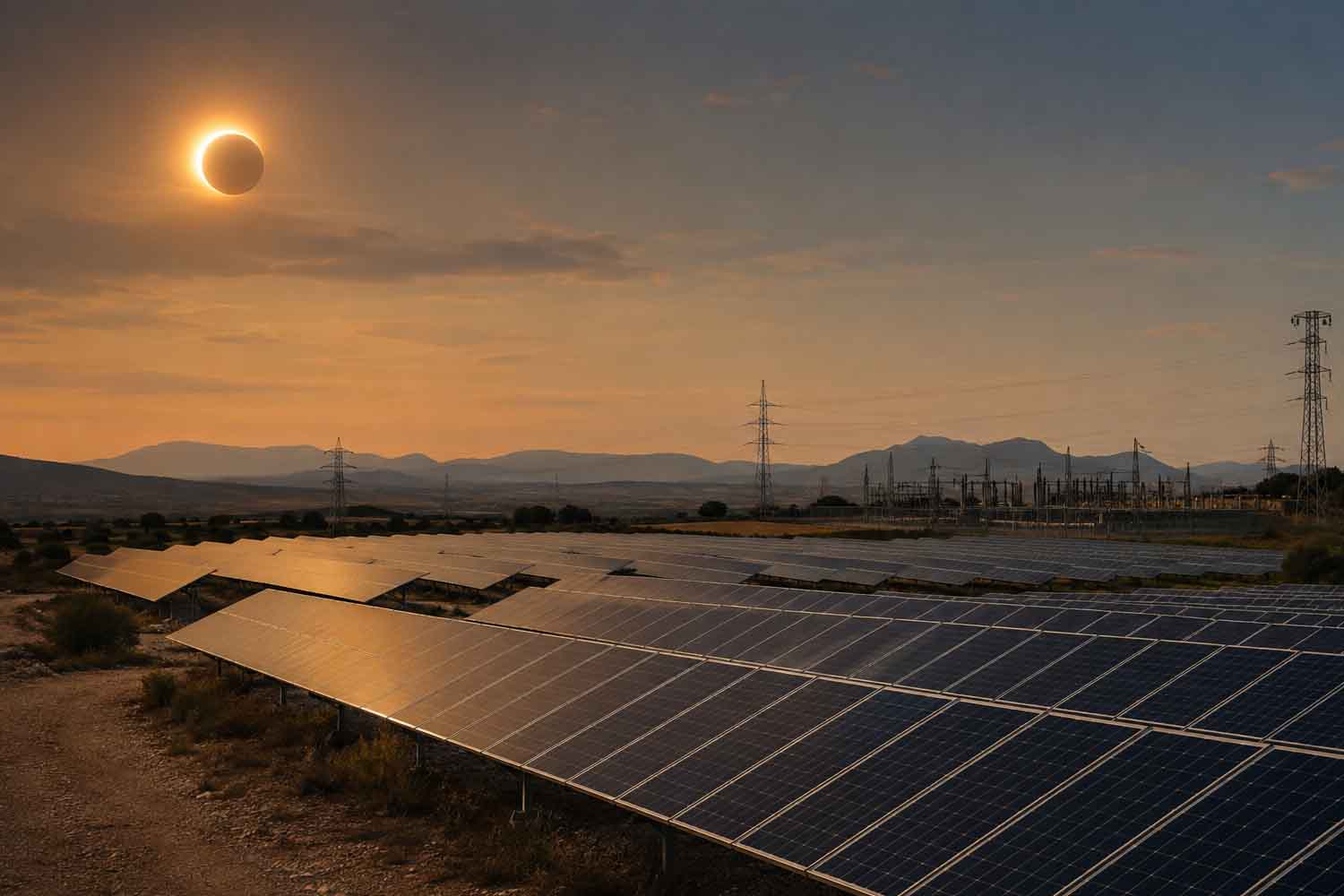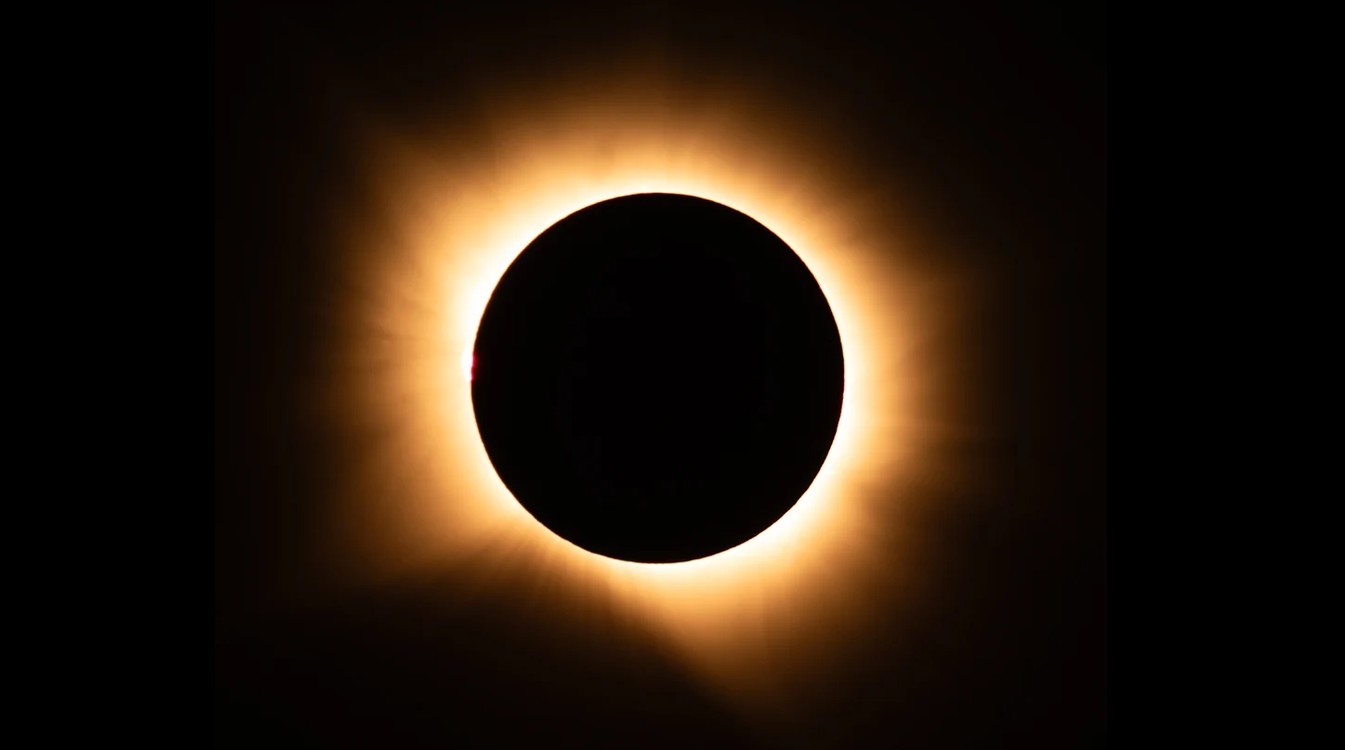
In a new weekly update for pv magazine, Solcast, a DNV company, reports that the Aug. 12 solar eclipse caused highly variable irradiance losses across Europe and North America, shaped by obscuration, cloud cover, and the timing of the eclipse.
However, eclipse-related power-market impacts varied much more, showing that irradiance loss or obscuration alone is not a reliable predictor of electricity-price effects.
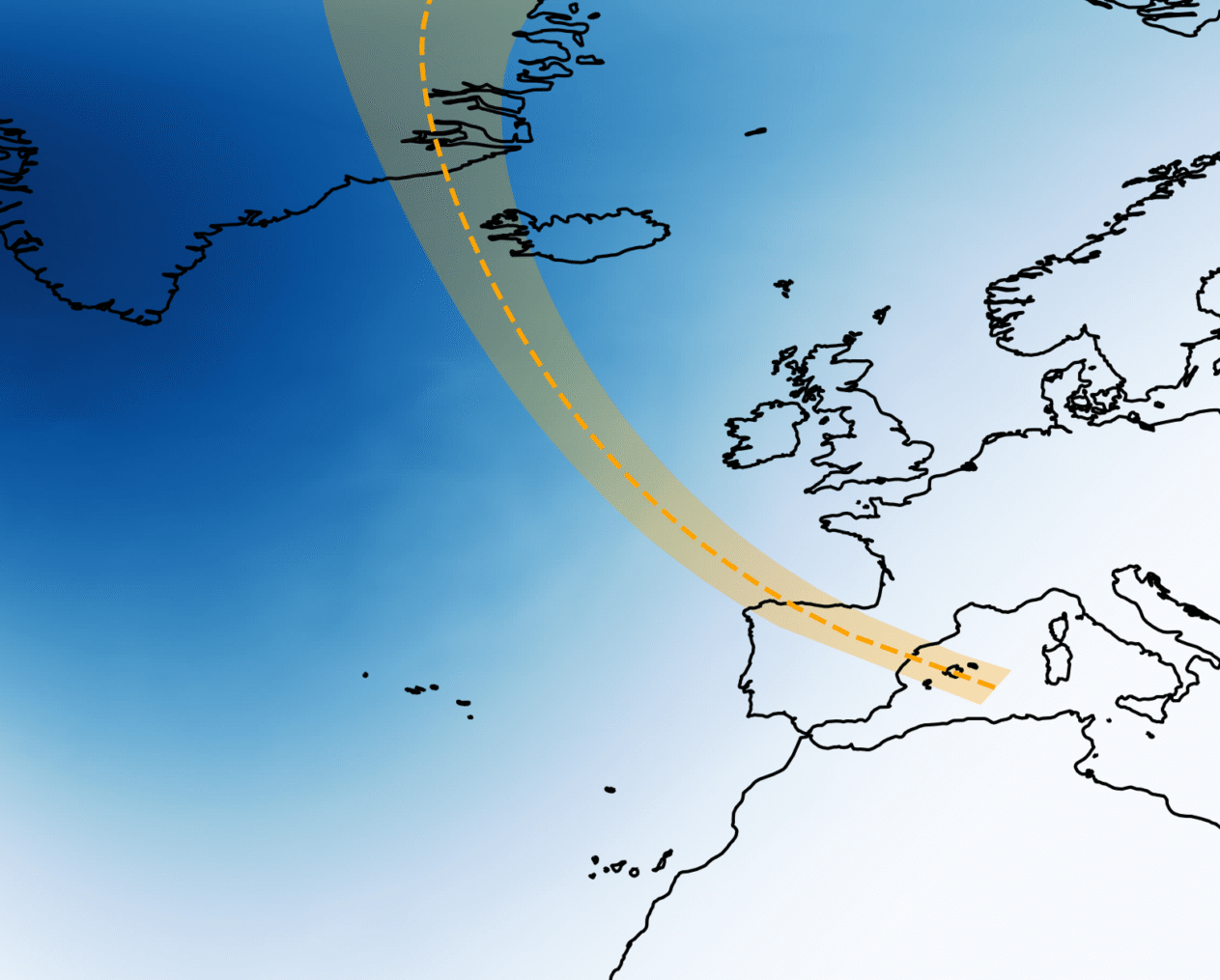
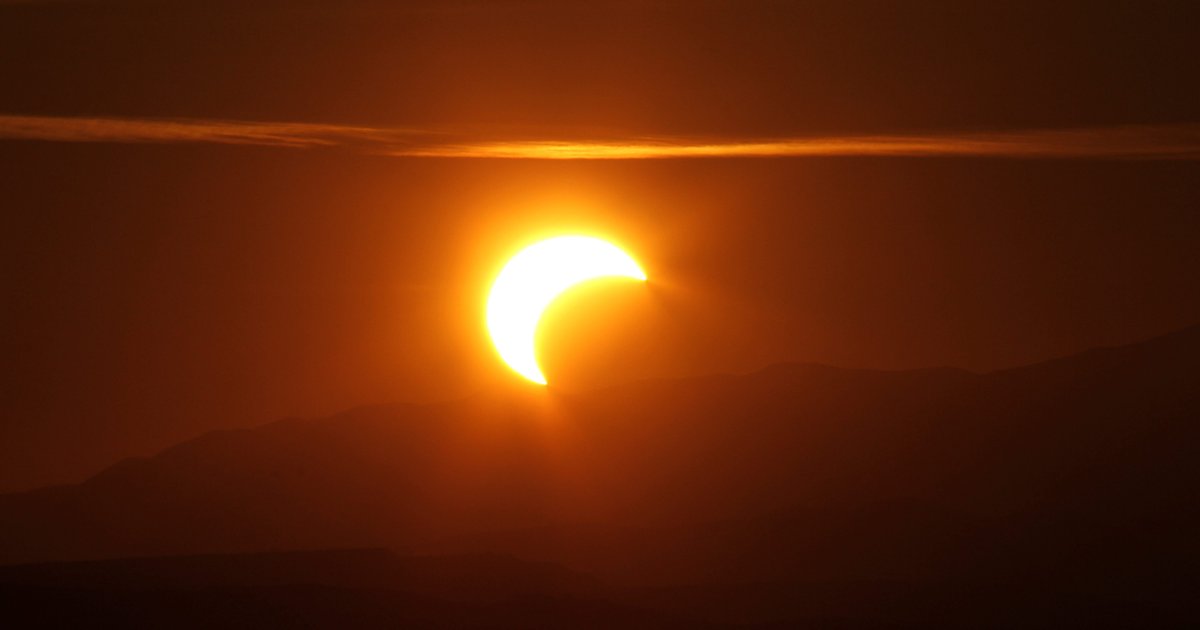
The Aug. 12 solar eclipse produced sharply different levels of obscuration across the North Atlantic. The path of totality crossed through Greenland, Iceland and Spain, while much of Western Europe observed over 80% obscuration and levels remained below 20% across the north-eastern United States. Despite the contrast daily irradiance losses were similar in some European and North American locations, according to analysis using the Solcast API. This similarly did not hold true for cloud and electricity market impacts which varied more greatly.
While Solcast’s pre-event analysis showed the irradiance losses under clear-sky conditions, we can now see how cloud conditions on the day reduced the impact in some regions and what the final result was.
As noted in clear sky irradiance losses, peak obscuration alone did not determine the daily eclipse-related loss. Some eastern North American locations experienced less than 20% peak obscuration but still recorded daily irradiance losses greater than European locations where obscuration exceeded 80%. Montreal followed this pattern, with cloud cover reducing its observed daily eclipse-related loss below the clear-sky estimate, while the remaining loss was still comparable with several much higher-obscuration European locations. The eclipse occurred near midday in North America, when irradiance levels were relatively high, but just before sunset in western Europe when irradiance was already declining.