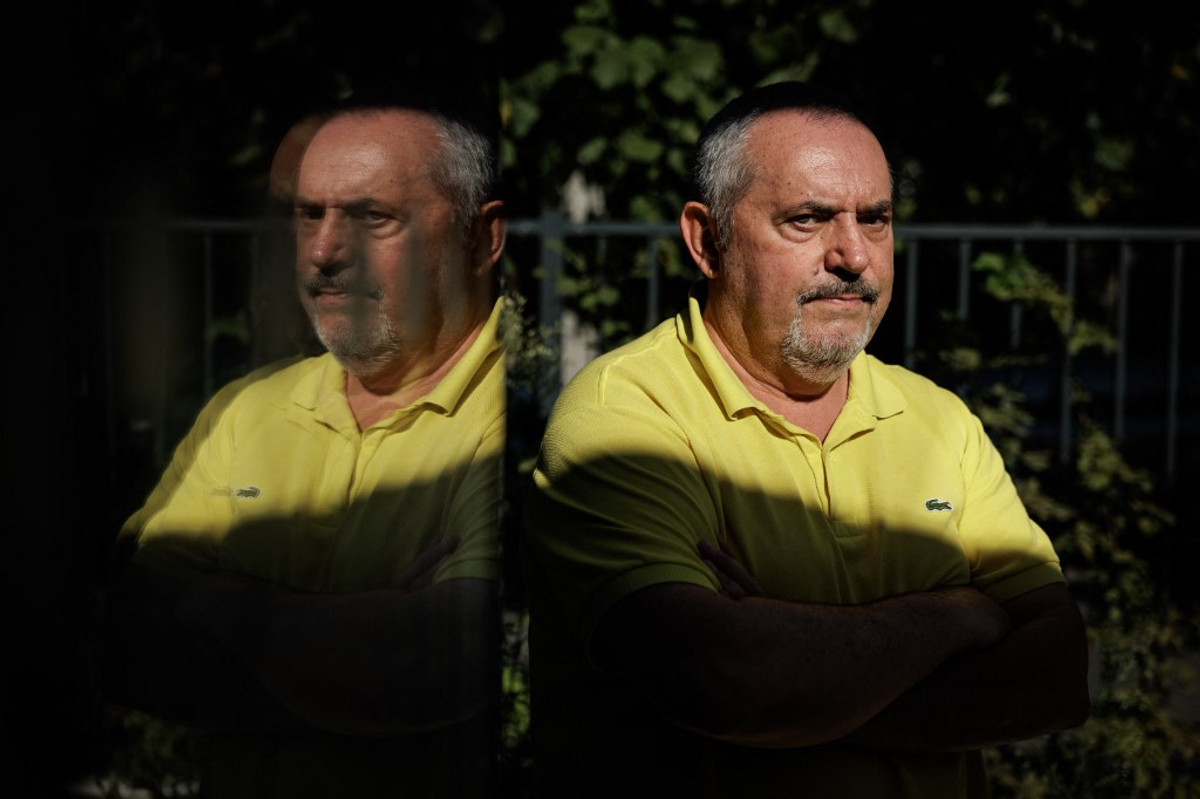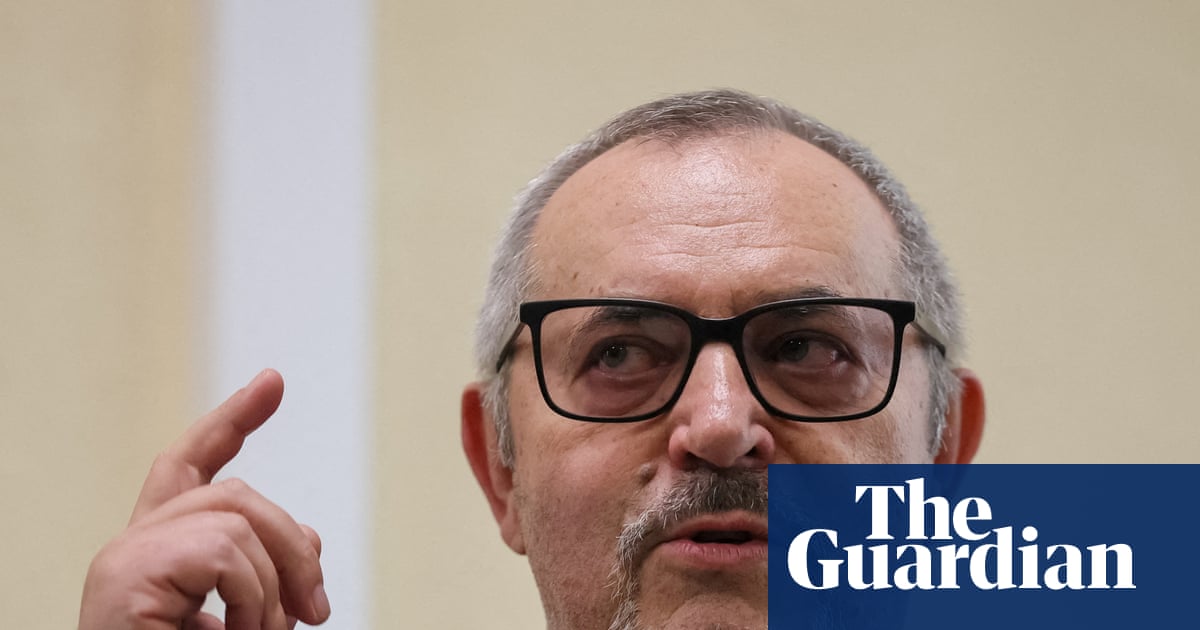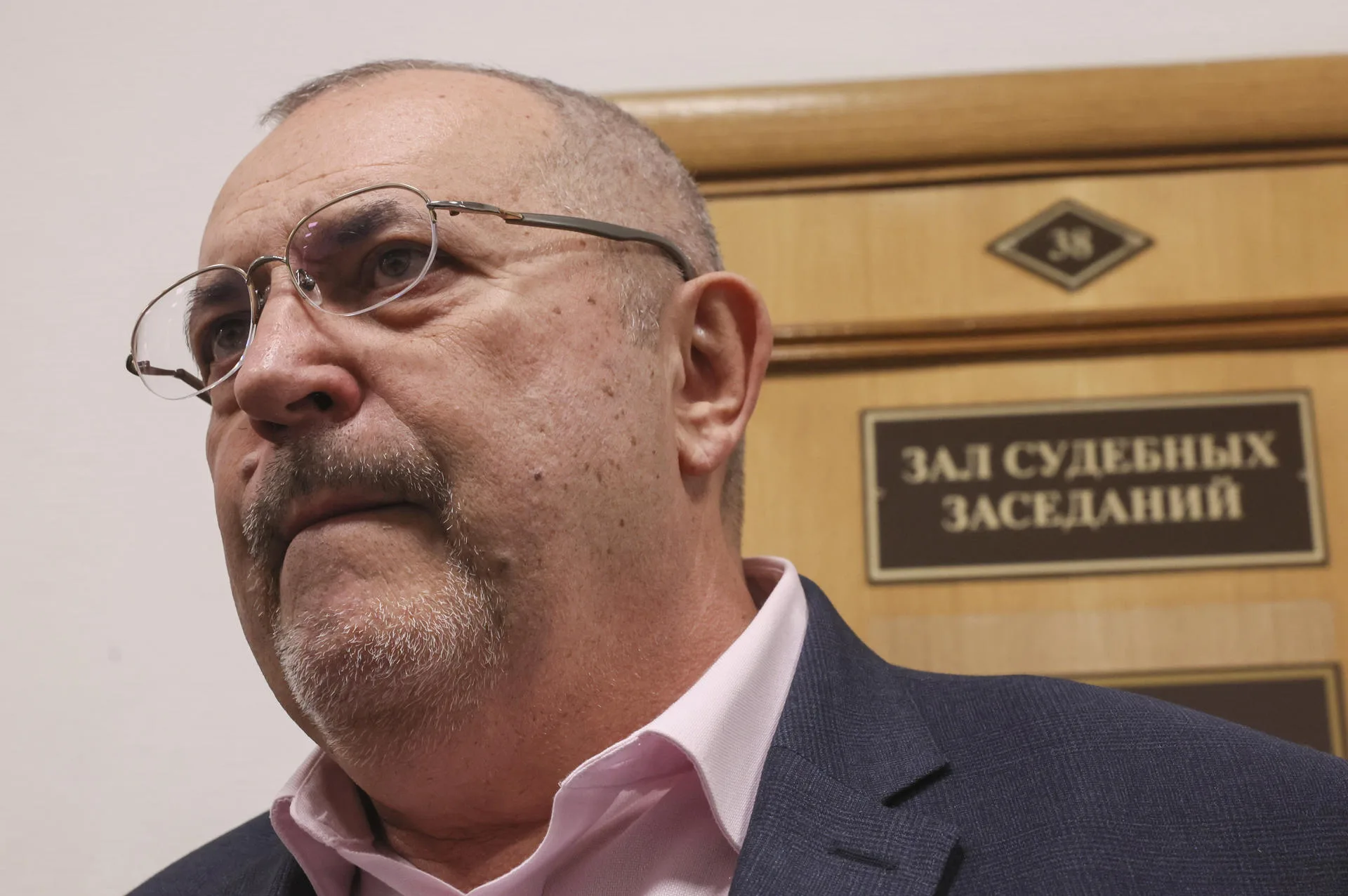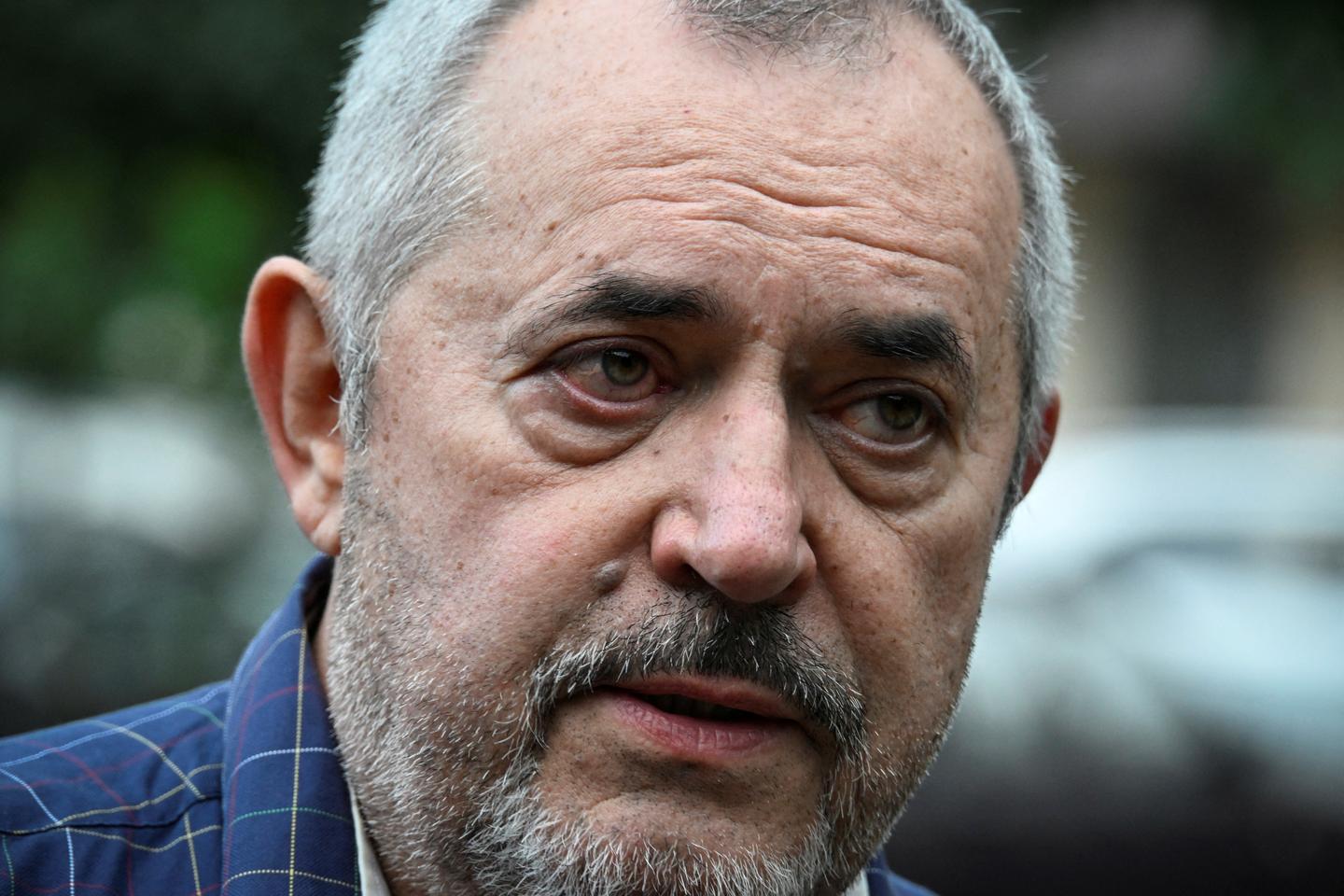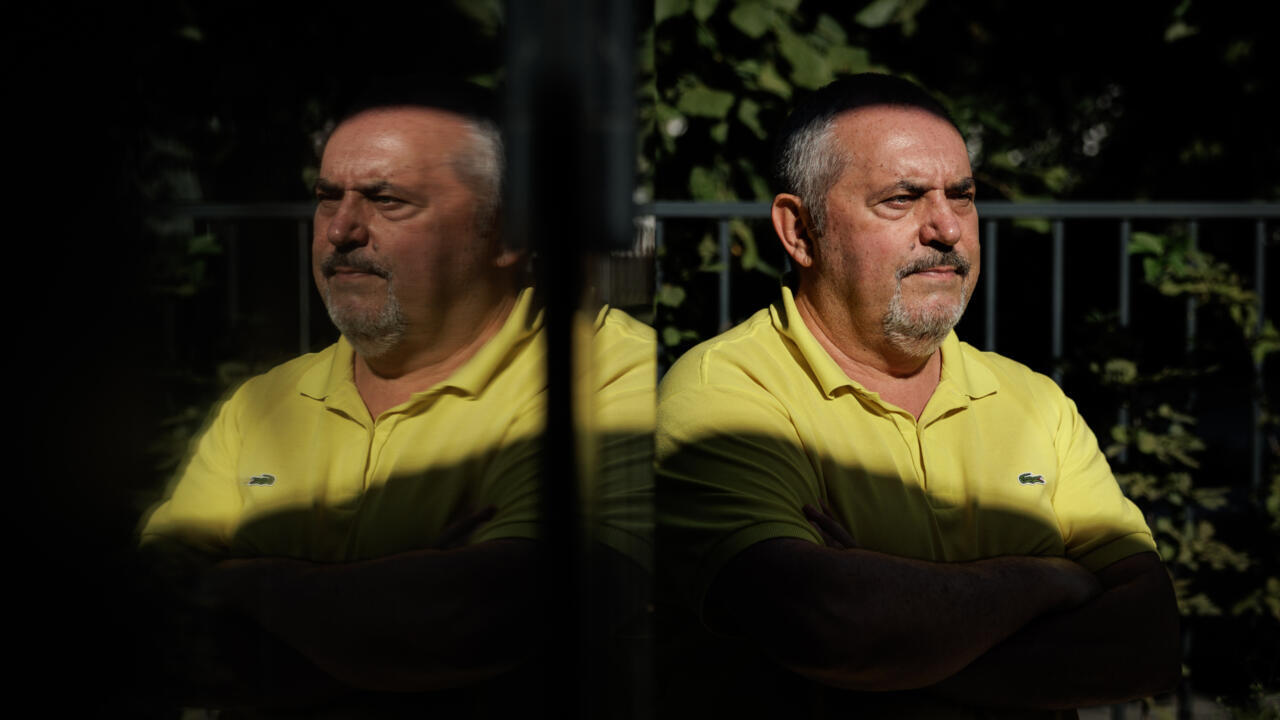
"I stayed in Russia for as long as I could," the anti-war politician told AFP from a hotel in the suburbs of Paris."I tried, until the very last moment, not to cross any red lines, but apparently the red lines have shifted." Nadezhdin, 63, is an unlikely rebel. Critics long described him as a token member of Russia's liberal opposition. He knows Vladimir Putin personally, and the two repeatedly had tea together when Putin came to power a quarter of a century ago. He worked with Sergei Kiriyenko, now Putin's powerful first deputy chief of staff, and for many years took part in political propaganda shows on Russian television.But after Russia invaded Ukraine in 2022, even the faintest semblance of pluralism has disappeared. Criticism of the war was outlawed, and top Kremlin critics ended up in exile, prison or dead.Nadezhdin hoped he might be safe as long as he played by the rules. But his calls for peace and tame criticism of the "special military operation", now in its fifth year, proved too much.
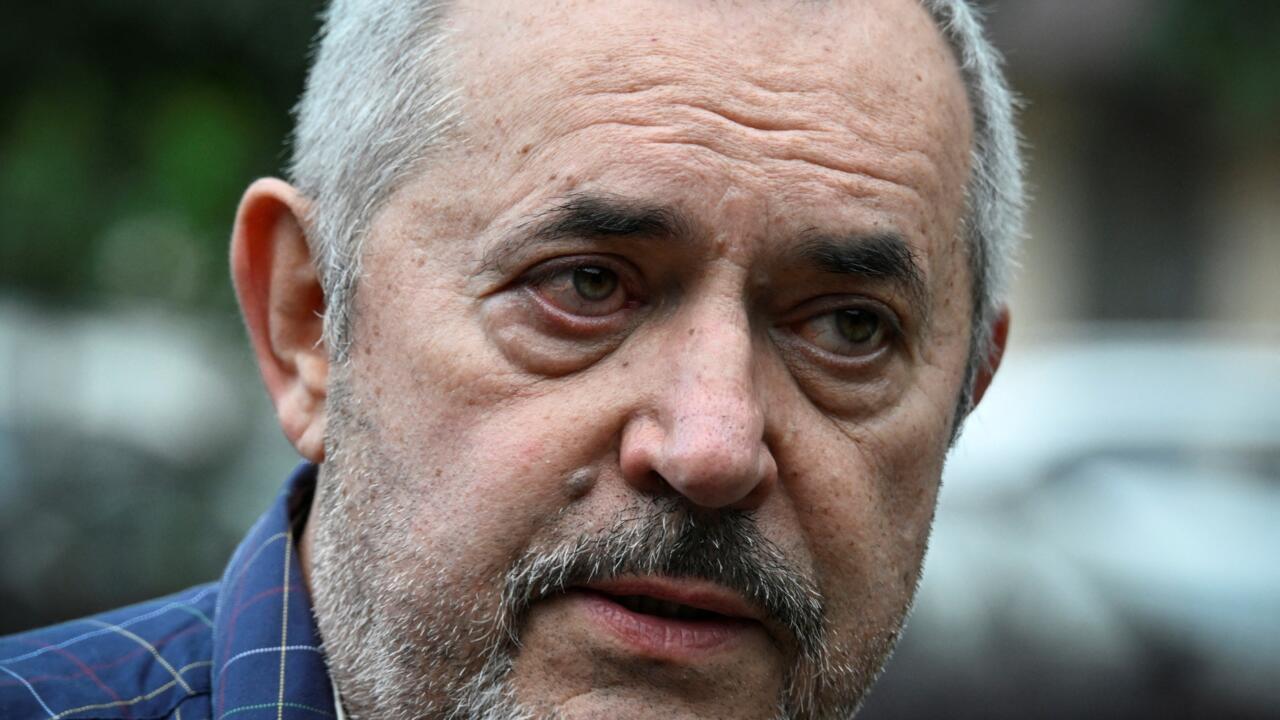
Boris Nadezhdin has become a magnet for anti-war sentiment in Russia © Alexander NEMENOV / AFP
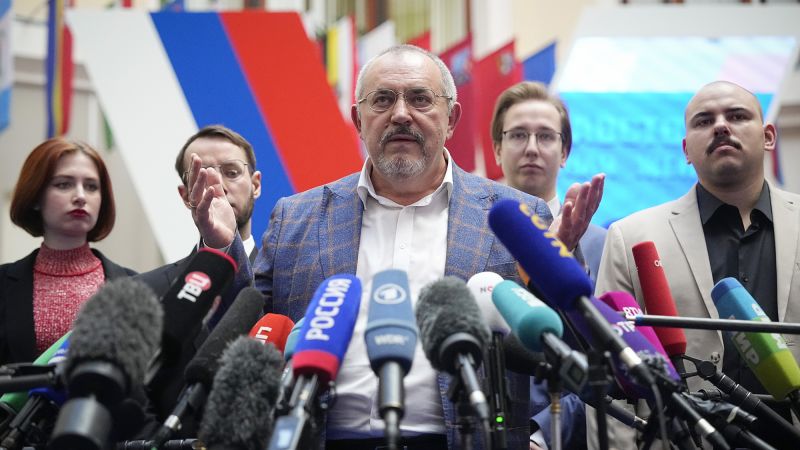
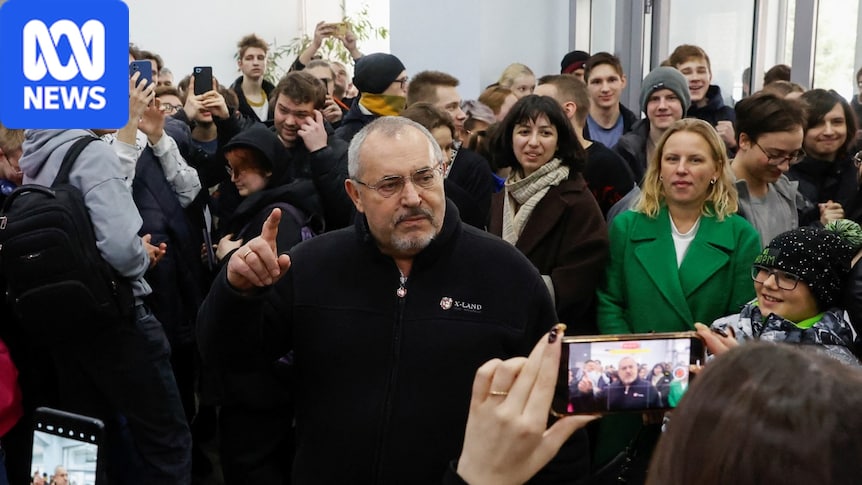
Nadezhdin, known for his affable demeanour, attempted to run for president in 2024. But he was barred after he became a magnet for anti-war sentiment, with images of long lines of his supporters published around the world.In July he learned that any further attempt to challenge the Kremlin could land him in jail. He tried to stand in tightly controlled parliamentary polls in September, but was declared a "foreign agent", a label used to stifle dissent."If in 2024 I could get away with criticising Putin and the war, now I can't anymore," he told AFP.He packed his bags and left through Kazakhstan on July 22 after being summoned for questioning by investigators. He feared that authorities were preparing to launch a criminal case against him. With a history of heart disease, he figured he might not get out of jail alive.Soon after Nadezhdin fled, Russia's only anti-war party, Yabloko, was barred from contesting the polls too.'They want peace'Demand for change is "enormous", he said, pointing to his conversations with Russians before his campaign was cut short.