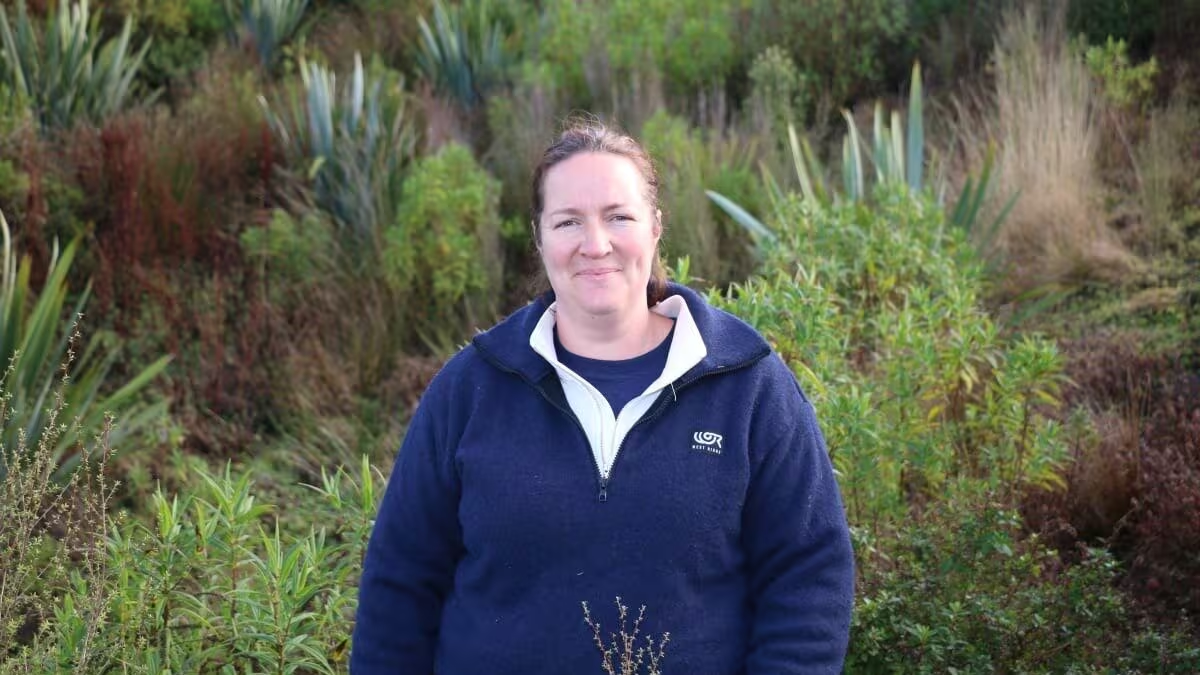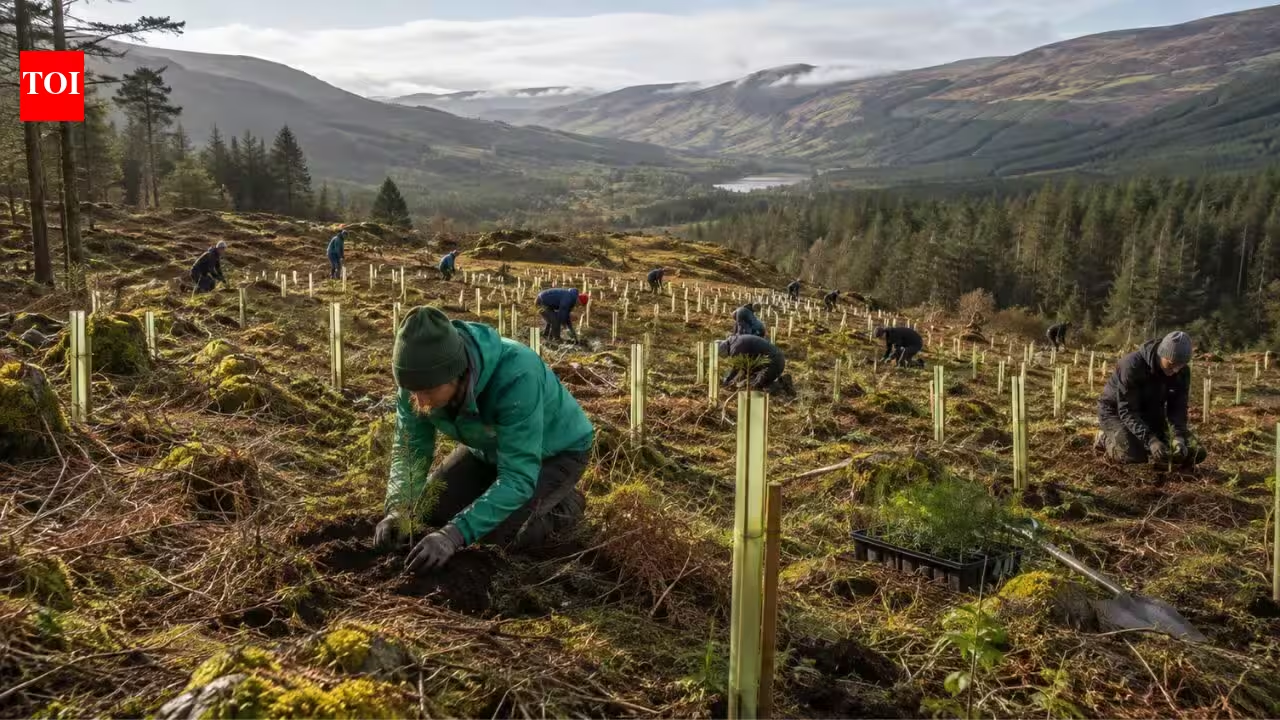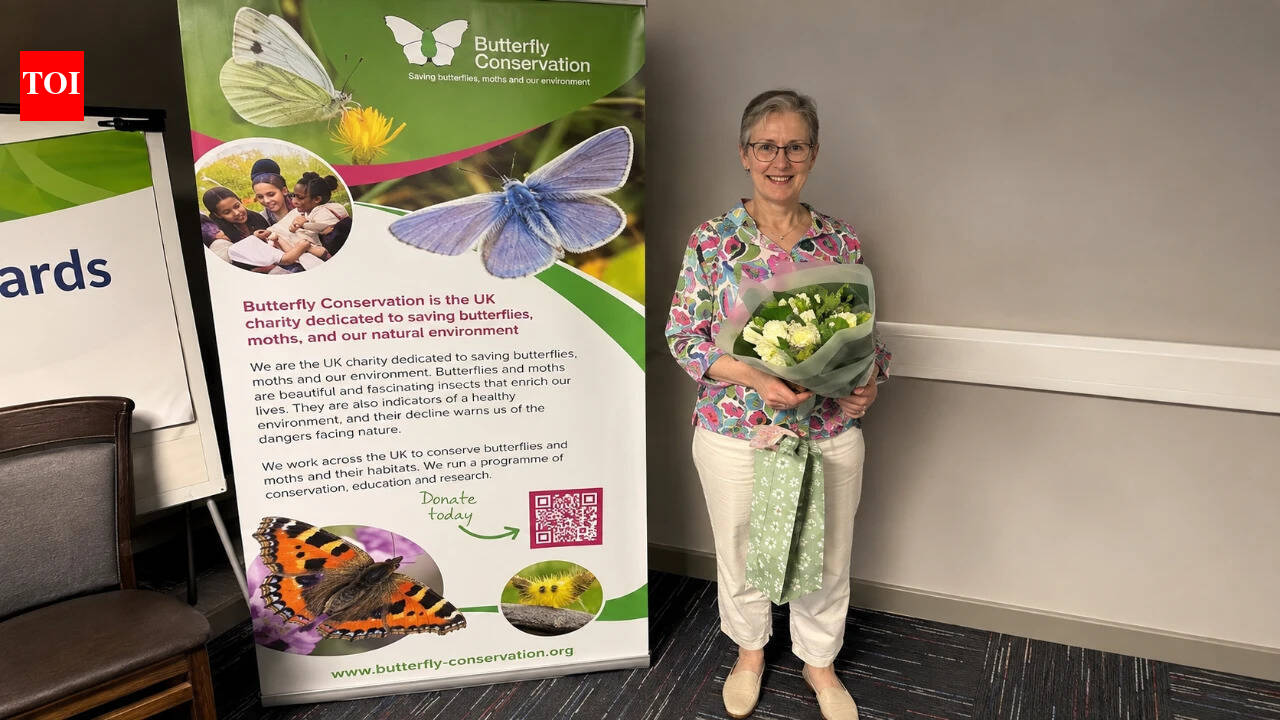
Rosemary Mulholland is planting a forest for people she will never meet, and calls it the “greatest privilege” of her life (Image: Butterfly Conservation Northern Ireland)There is a particular kind of hope involved in planting a tree whose full life will unfold after your own has ended. Rosemary Mulholland has embraced that idea on a far larger scale, helping create a forest she knows she may never live to see in its mature form. Yet, as she told the BBC, she does not regard that distance between present effort and future reward as a sacrifice. She calls it “the greatest privilege” of her life. Her words capture the unusual logic of long-term restoration: the people who do the planting may never sit beneath the tallest trees, hear the full chorus of wildlife that returns or witness the landscape reach ecological maturity. Still, they choose to begin. Mulholland’s story is therefore about more than trees. It is about stewardship, patience and the decision to leave behind something that belongs not to one generation, but to everyone who comes after it.A forest designed to mature long after Rosemary Mulholland is goneRosemary Mulholland is undertaking a form of work defined by delayed gratification. A forest is not a project that can be completed in the ordinary human sense, because planting is only the beginning of a much longer ecological story. Saplings must survive weather, disease, competition and changing conditions; soils must recover; insects, birds and mammals may gradually return; and the woodland itself must develop over decades. By the time a newly planted forest begins to resemble the complex ecosystem imagined by those who started it, many of its earliest caretakers may be gone. That is precisely what makes Mulholland's perspective so striking. In comments reported by the BBC, she has spoken about planting a forest she will never see and described the opportunity as “the greatest privilege” of her life. Rather than focusing on what she will miss, she places value on what she can set in motion. The statement turns conventional ideas of achievement on their head. Much of modern life is organised around visible results, quick returns and personal ownership. Forest restoration demands almost the opposite: faith in processes too slow for an individual lifetime, work whose greatest rewards will belong to strangers, and a willingness to invest in a future that cannot offer the planter recognition. In that sense, the forest becomes an act of intergenerational generosity. Mulholland and those working alongside her are not simply putting trees into the ground; they are creating the conditions for a landscape to outlive them, potentially providing habitat, storing carbon, shaping the local environment and becoming part of the lives of people who may never know who planted its first trees. Her reflections, give the project a deeply personal dimension while also revealing its broader meaning: sometimes the most important thing a person can build is something they accept they will never get to see finished.Rosemary Mulholland (Image: Linkedin)Why planting trees is only the beginning of the storyThe image of tree planting can make restoration look deceptively simple: dig a hole, place a sapling inside it and wait for a forest to emerge. But a living woodland cannot be reduced to the number of trees planted. Its future depends on whether those trees survive and on whether the wider ecosystem around them can develop into something resilient and interconnected. A genuine forest is made not only of trunks and leaves, but of soil organisms, fungi, insects, birds, mammals and countless ecological relationships that take time to establish. This is why Mulholland's willingness to think beyond her own lifetime matters. The success of such a project cannot be judged solely by the planting season or even by the next few years. Ecological restoration operates on a different clock. Some changes can be seen quickly, while others unfold slowly and unpredictably. The people who begin the work can guide the first stage, but they cannot entirely control what the landscape eventually becomes. That uncertainty requires patience as well as humility. The forest may change through storms, droughts and shifting climates; species may arrive that its founders did not anticipate; and future generations may make decisions that alter its management. Yet none of that diminishes the value of beginning. Instead, it underlines the essential point behind Mulholland's vision: planting for the future means accepting that the future will have a life of its own.The privilege of leaving something behindMulholland's description of the work as a privilege also offers a different way of thinking about environmental responsibility. Discussions about climate change, biodiversity loss and degraded landscapes are often framed through crisis, obligation and the damage that must somehow be prevented. Those realities remain urgent, but her words introduce another emotion: gratitude. To have the opportunity to contribute to something larger and longer-lasting than oneself can itself be a source of meaning. The person planting a tree may never experience the mature forest, but they can still know that their hands helped begin a chain of events that will continue after them. There is something profoundly democratic about that legacy. A future child walking through the woodland will not need to know Mulholland's name to benefit from the shade, habitat and living landscape created through earlier effort. The forest will eventually belong to its own time as much as to the people who planted it. That may be why her comments to the BBC resonate beyond one restoration project. They speak to a broader question facing every generation: what are we willing to create when the people most likely to benefit may never be able to thank us?A lesson in thinking beyond one lifetimeRosemary Mulholland's forest challenges the assumption that a meaningful life must be measured by outcomes we personally witness. Some achievements are immediate, but others are planted in the present and realised in a future beyond our reach. Forests make that truth visible. A young tree can look small and vulnerable, offering little hint of the ecosystem it may one day support. But time transforms the scale of what a single act of planting can mean. Mulholland knows she may never see that final transformation, and yet she regards being part of its beginning as “the greatest privilege” of her life. That is perhaps the central lesson of her story. We do not have to own the future to care for it, and we do not have to witness every result to know that the work matters. Sometimes the most hopeful thing a person can do is begin something whose final shape will belong to people they will never meet. For Mulholland, that something is a forest. For everyone else, her words offer a simple but powerful reminder: the future is built partly by those willing to work for a world they will never fully see.
Rosemary Mulholland is planting a forest for people she will never meet, and calls it the “greatest privilege” of her life
There is a particular kind of hope involved in planting a tree whose full life will unfold after your own has ended. Rosemary Mulholland has embraced that idea on a far larger scale, helping create a forest she knows she may never live to see in its mature form.
1,141 words~5 min read