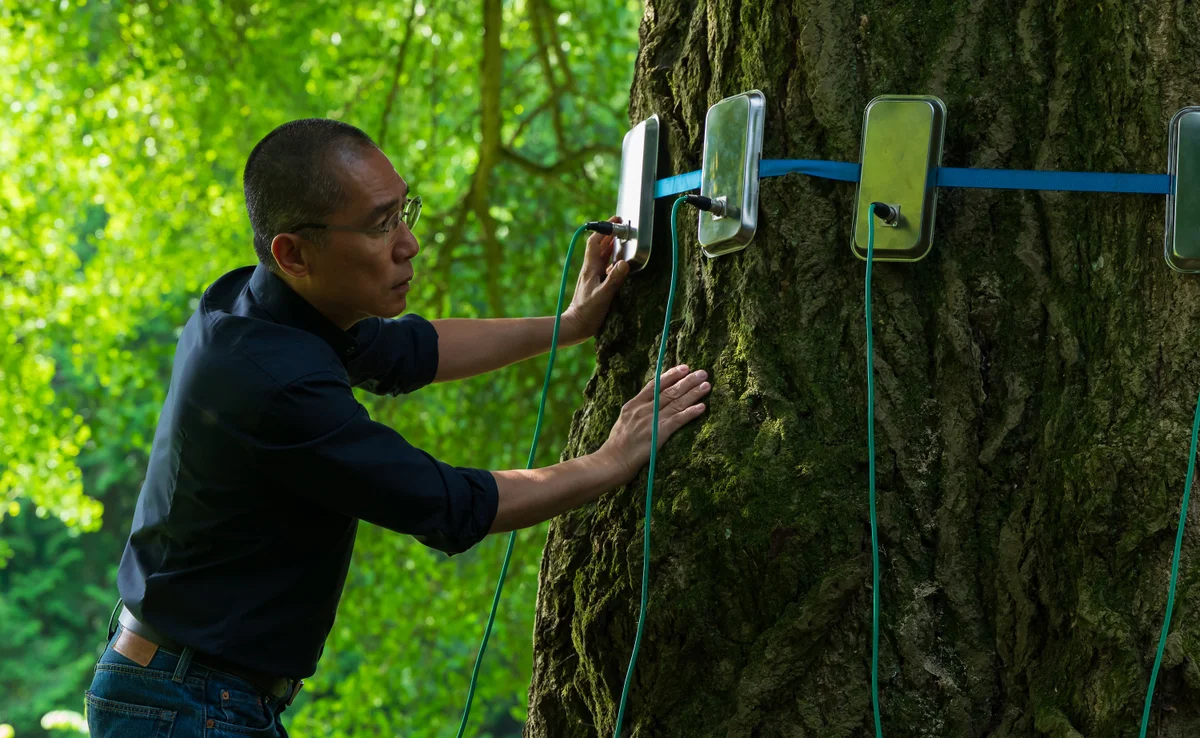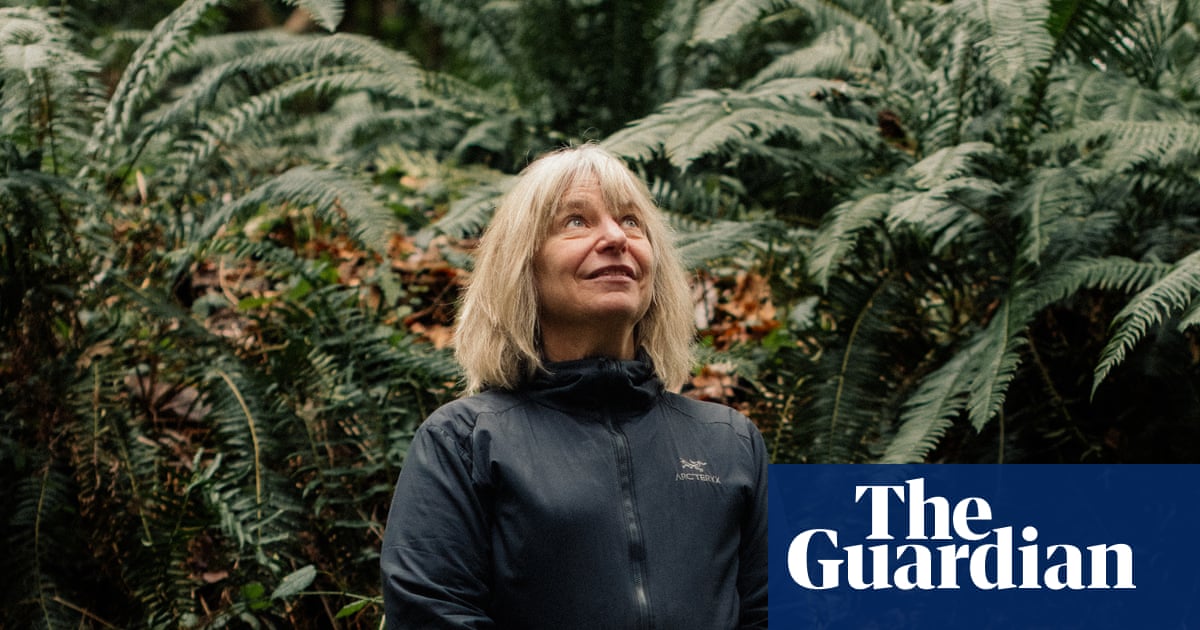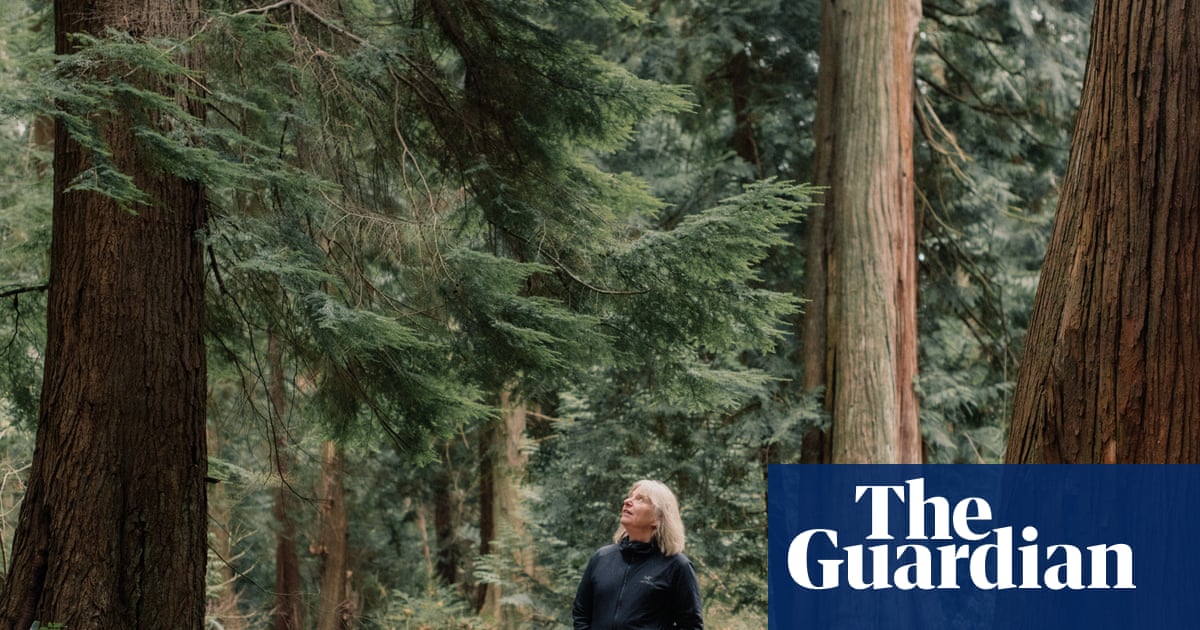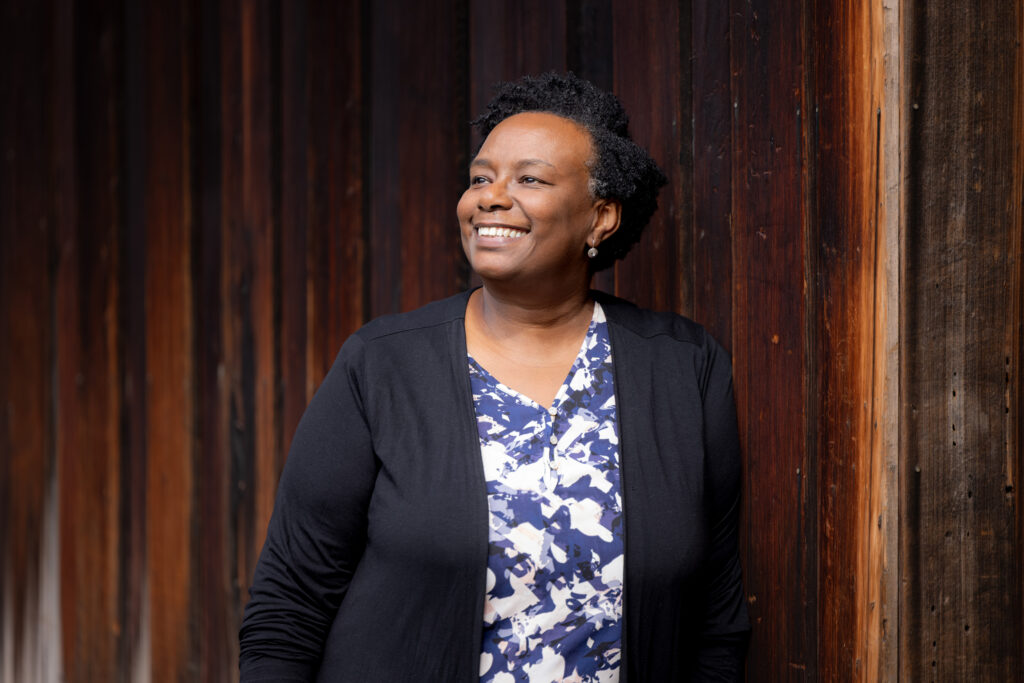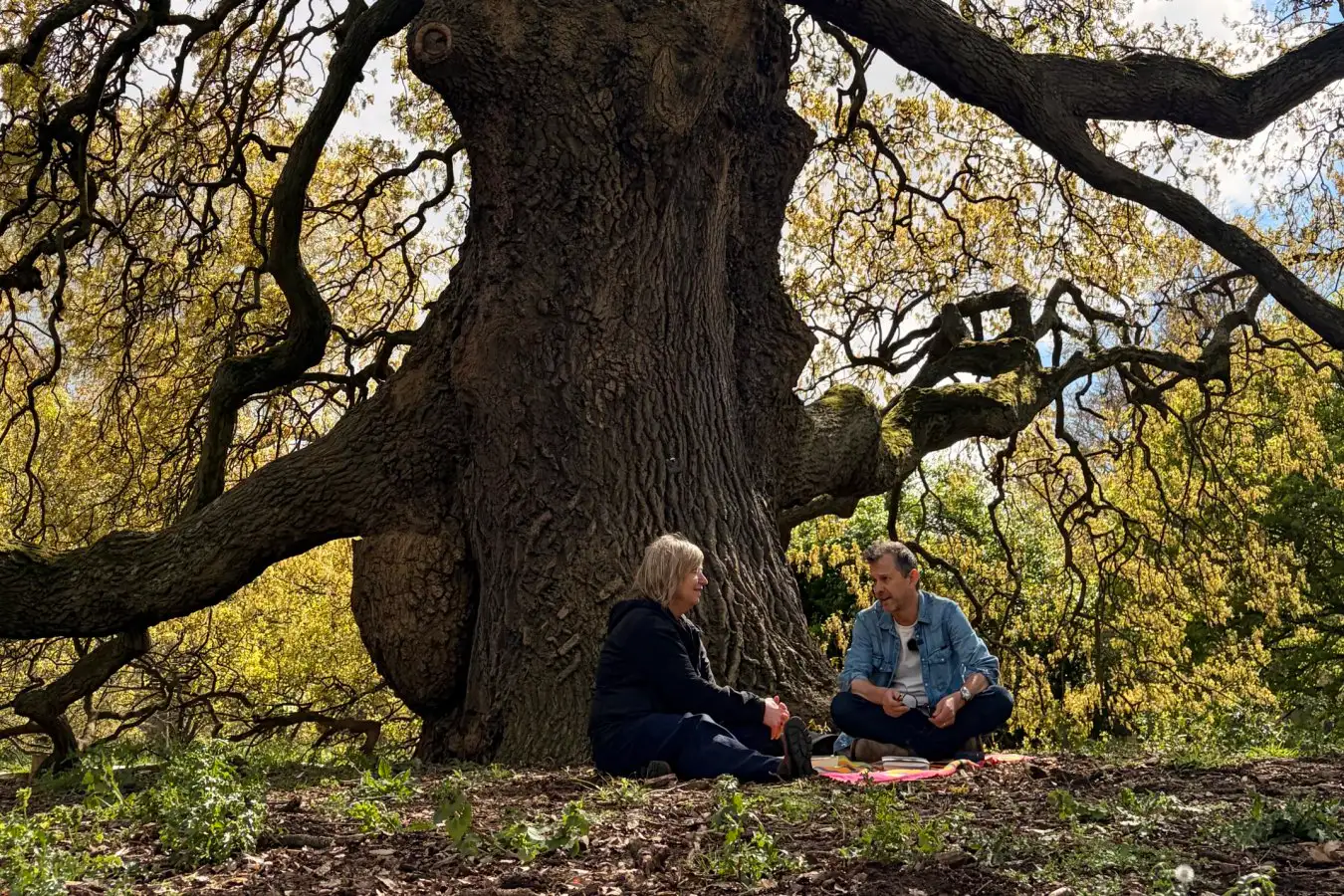
Suzanne Simard and Rowan Hooper discuss the “mother tree” concept
To some, forest ecologist Suzanne Simard is a pioneer in the tradition of Jane Goodall, Rachel Carson and Lynn Margulis. To others, she has veered too far from what science tells us. In 1997, she published a breakthrough paper showing that trees exchange food and nutrients via an underground fungal network connecting their roots, a system the journal Nature dubbed “the wood wide web“.
In 2021, Simard published Finding the Mother Tree: Uncovering the wisdom and intelligence of the forest. Her work found a huge new audience, tapping into a public thirst for evidence of community in nature, much like James Lovelock’s Gaia hypothesis. But, as with Gaia, there was an intense backlash, as some researchers objected to the claim that trees shared resources.
Simard grew up in a family of loggers and knows better than most the damage that unsustainable modern forestry practices are having on ecosystems. As an academic at the University of British Columbia, Canada, she runs the Mother Tree project, a major research programme aimed at understanding the relationships between trees in forest ecosystems. Drawing again on that work, she has just published When the Forest Breathes, a sequel to Finding the Mother Tree.