An awe‑inspiring investigation of the untamed places and inhospitable environments in which life – besides humans – finds a way
O
ff the coast of California, two miles down, there exist geothermal nurseries: gatherings of tens of thousands of small violet octopuses, each the size of a grapefruit. Known as pearl octopuses (Muusoctopus robustus), they congregate around hydrothermal springs which warm their eggs, allowing them to hatch in less than two years (in cold water it can take 10 years). When I want to calm my mind, I think of these gatherings, this factory of octopuses powered by the Earth’s energy that exists quietly away from our gaze, and might easily never have been discovered. How many more such worlds exist?
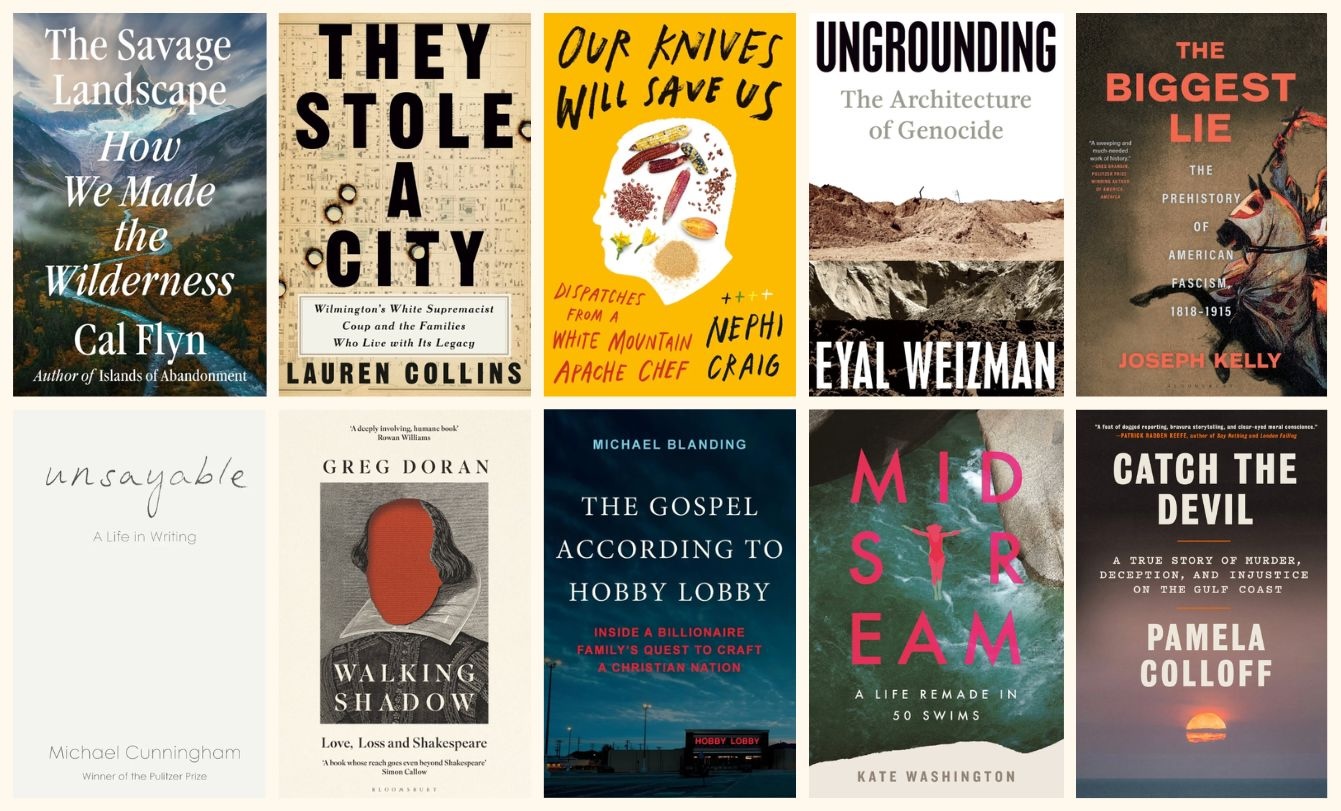
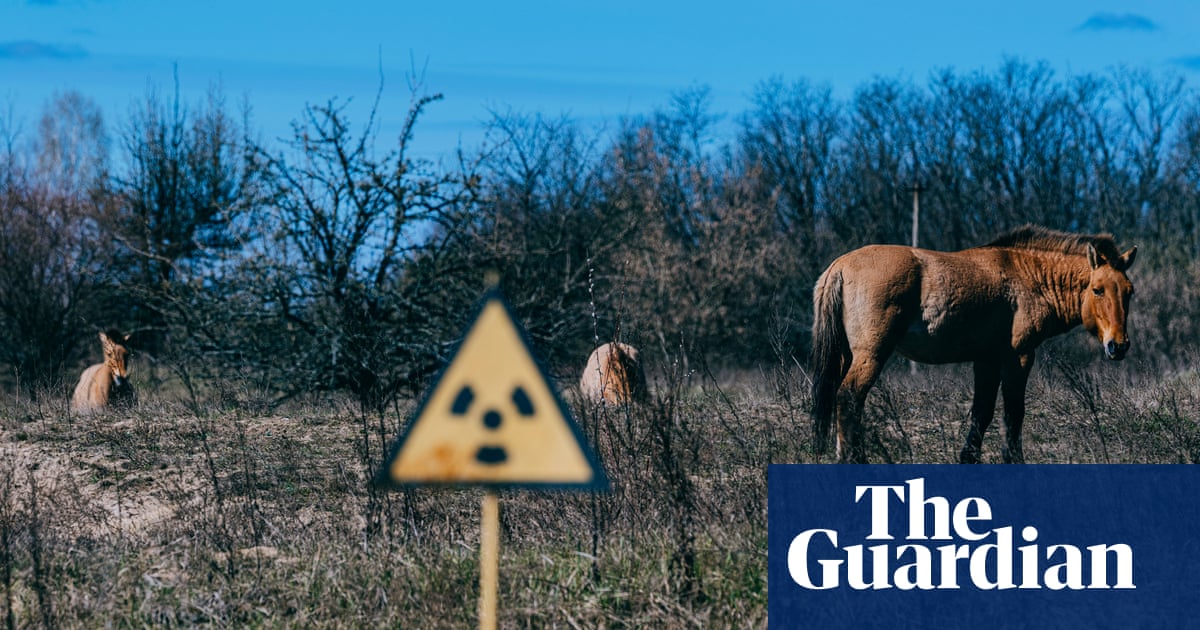
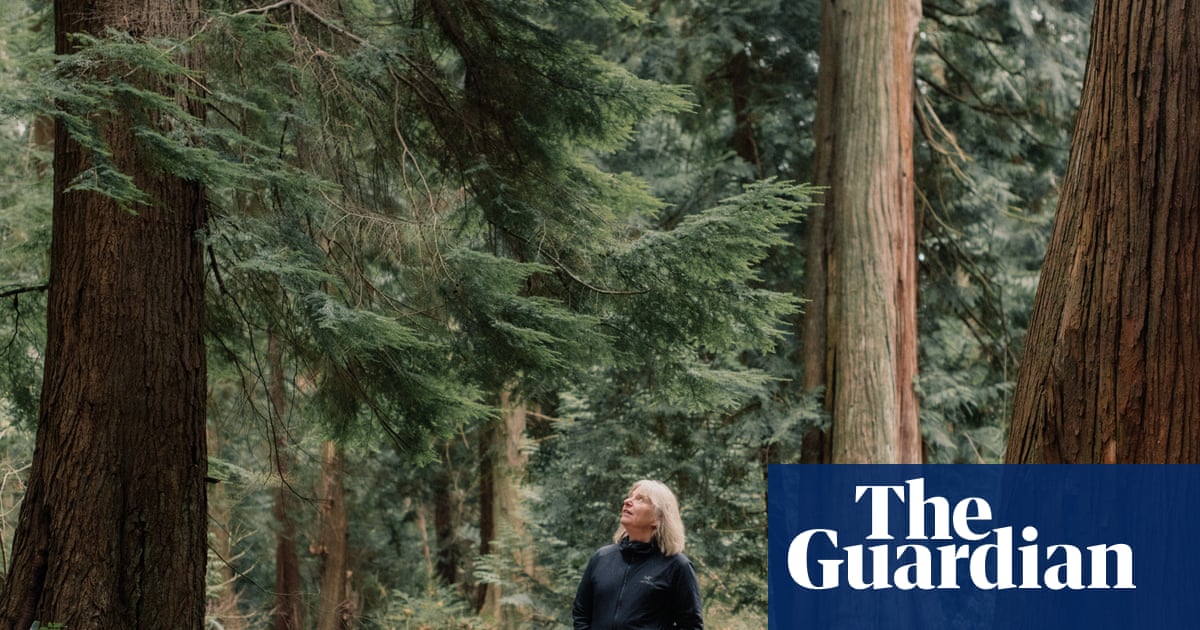
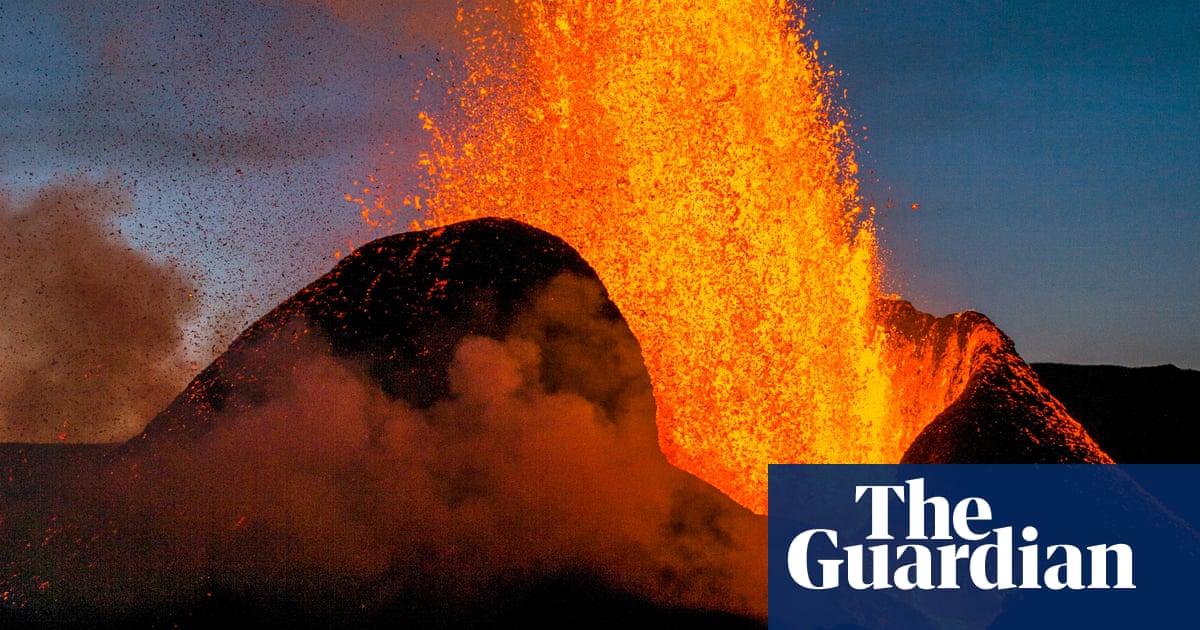
The seafloor is just one setting in Cal Flyn’s carnival of a book, The Savage Landscape, a wondrous personal journey to locate and understand wilderness. It’s a work of extraordinary physical and narrative movement that takes us from the depths of the ocean to volcanoes and icebergs, but is also a journey into our own psyches, and the stories we tell ourselves about “wild” landscapes. Above all, it is a reminder that the places we might conceive of as empty or barren are no such thing; that within wildernesses there is abundant life, both human and nonhuman.