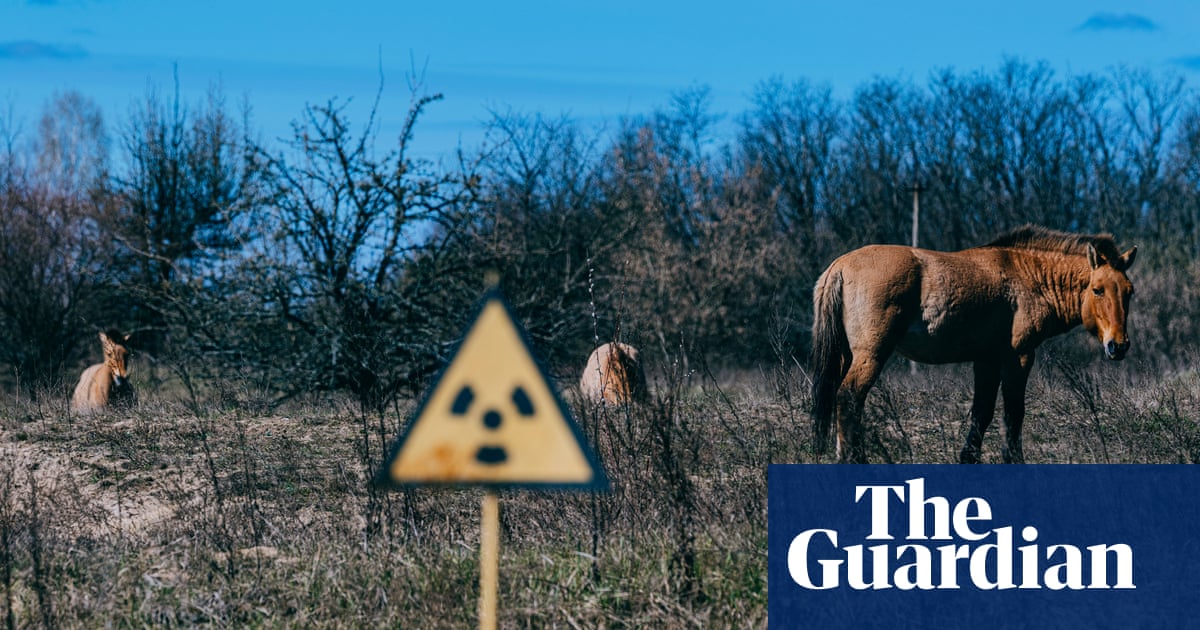
From moss piglets to radioactive horses – a survey of animals’ extraordinary adaptations to extreme environments
A
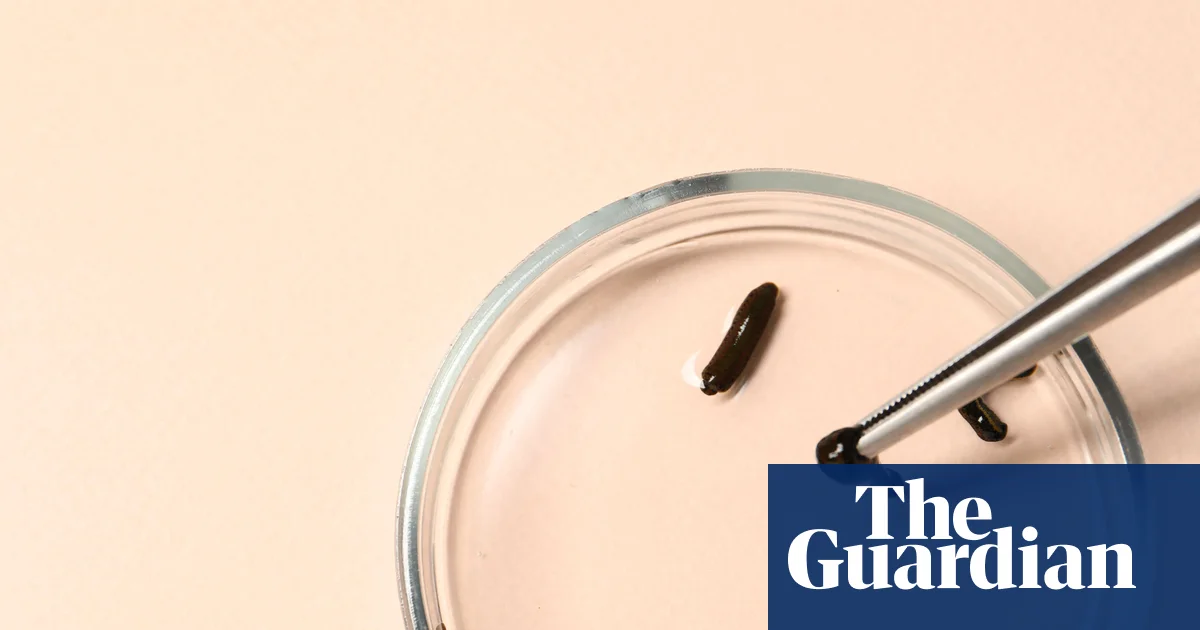
top the gloop that swirls on subterranean pools in Romania’s Movile cave, a host of mostly translucent, unseeing creatures scrabbles around. These singular beasties – centipedes, spiders, scorpions, leeches, snails and woodlice – derive their daily nutrients from slimy mats of sulphur-loving bacteria that thrive in the oxygen-poor atmosphere.
This unique ecosystem was isolated for more than 5m years until 1986, when drilling for a potential power plant pierced the cave’s walls. As the science writer Alex Riley reports in Super Natural, 37 out of the 52 invertebrate species living in the 240-metre-long space – which sits 21 metres below the surface near the Black Sea coast – exist nowhere else on Earth.
While our ancestors were evolving in the intervening aeons – learning how to use fire, circling the globe, discovering petroleum and then polluting the atmosphere with greenhouse gases – “the animals in Movile cave slurped up their microbial crop” oblivious to the world outside.