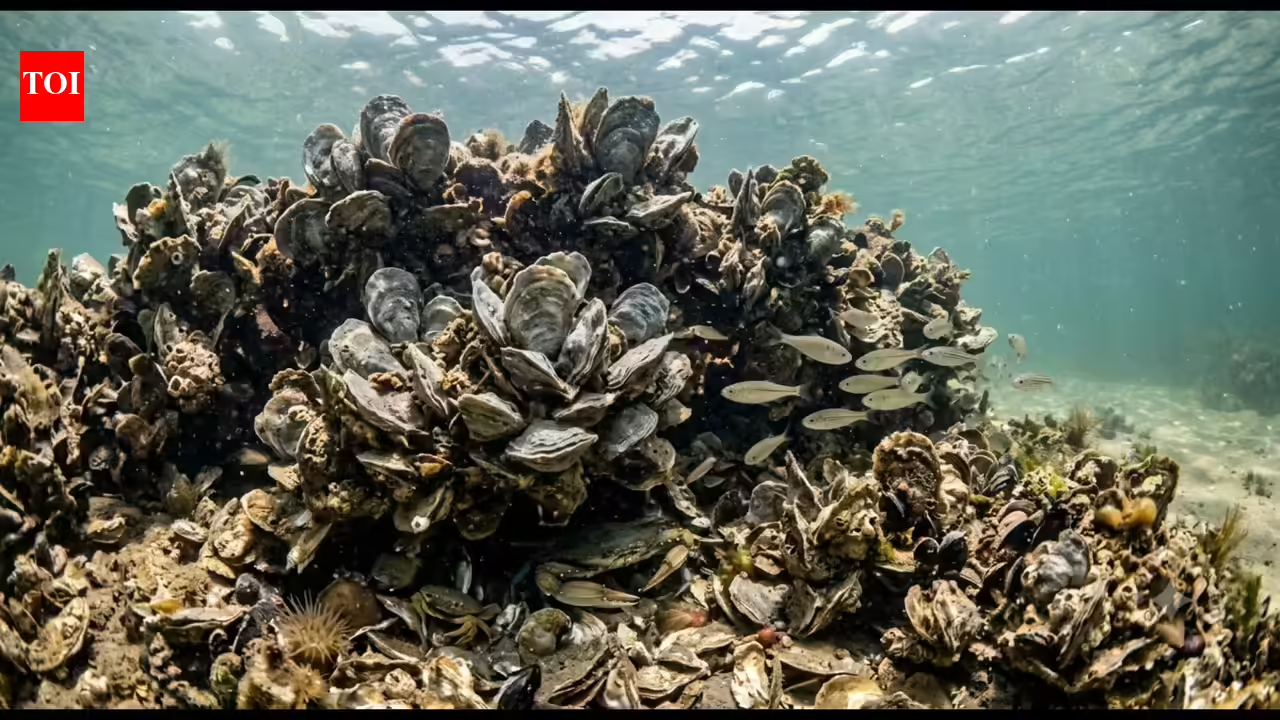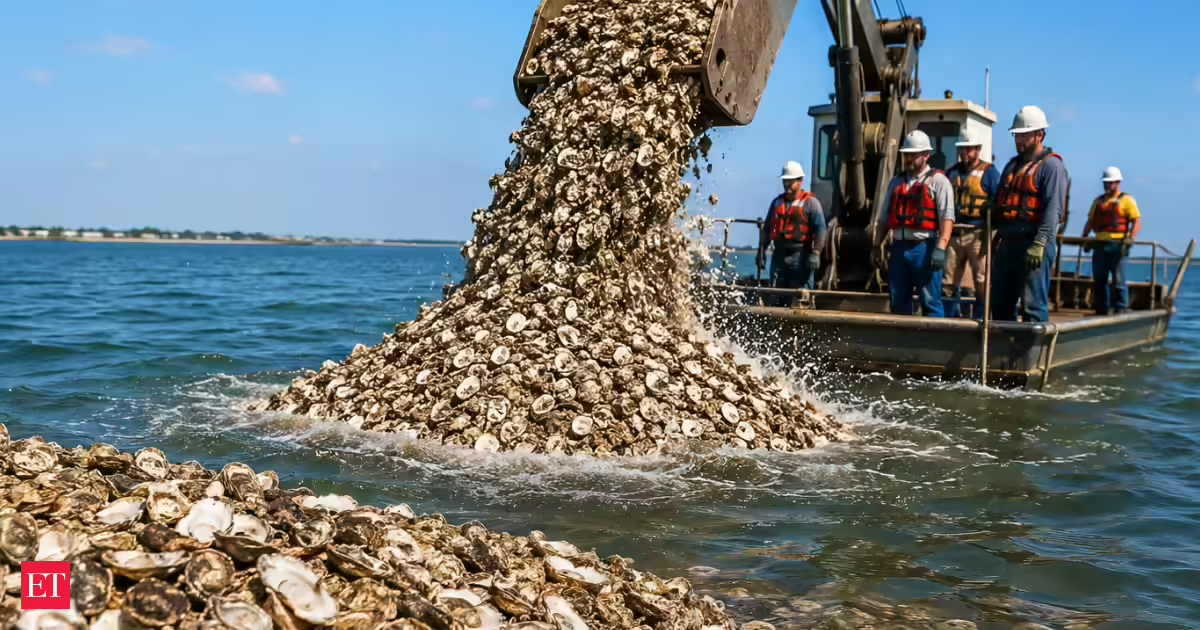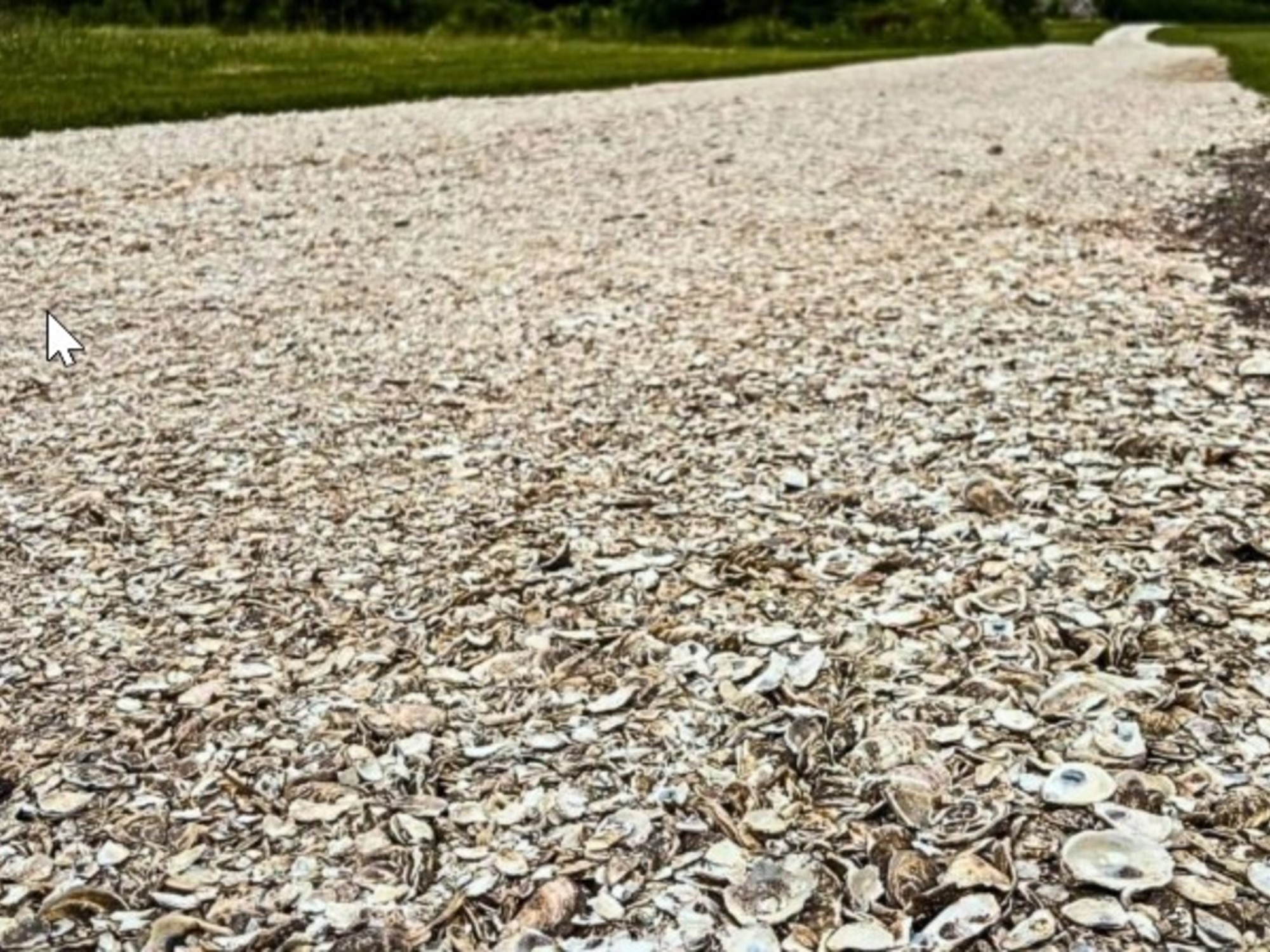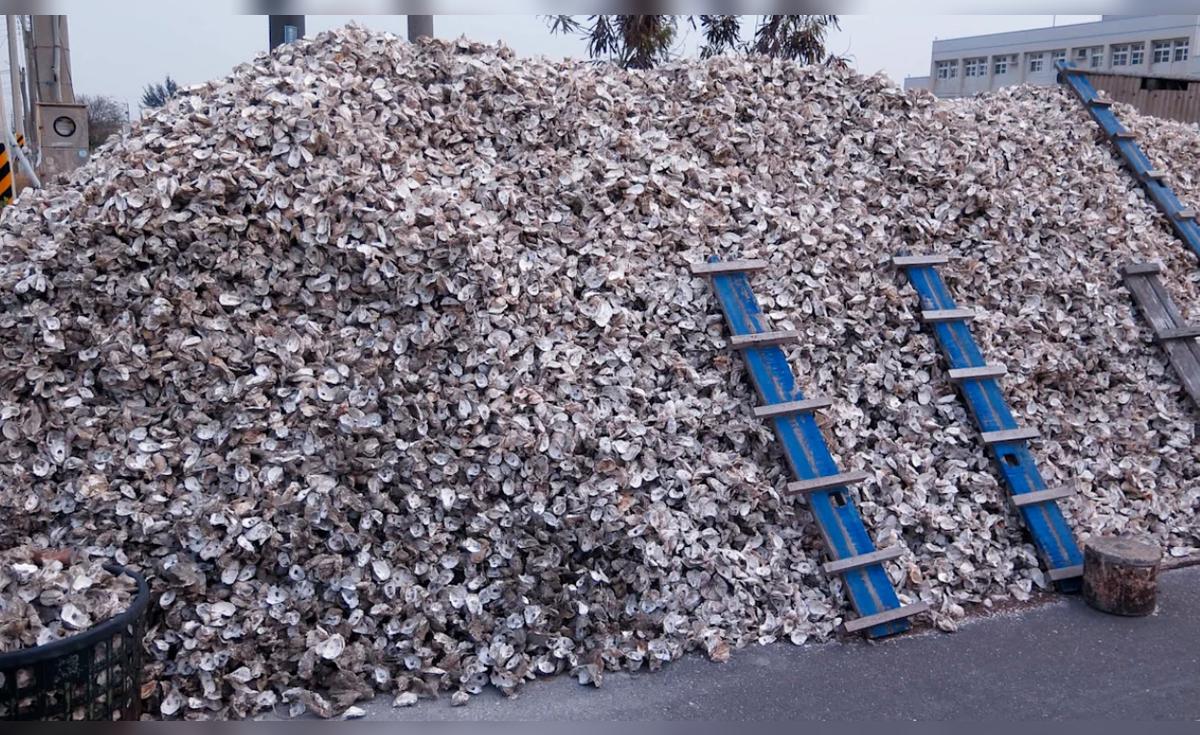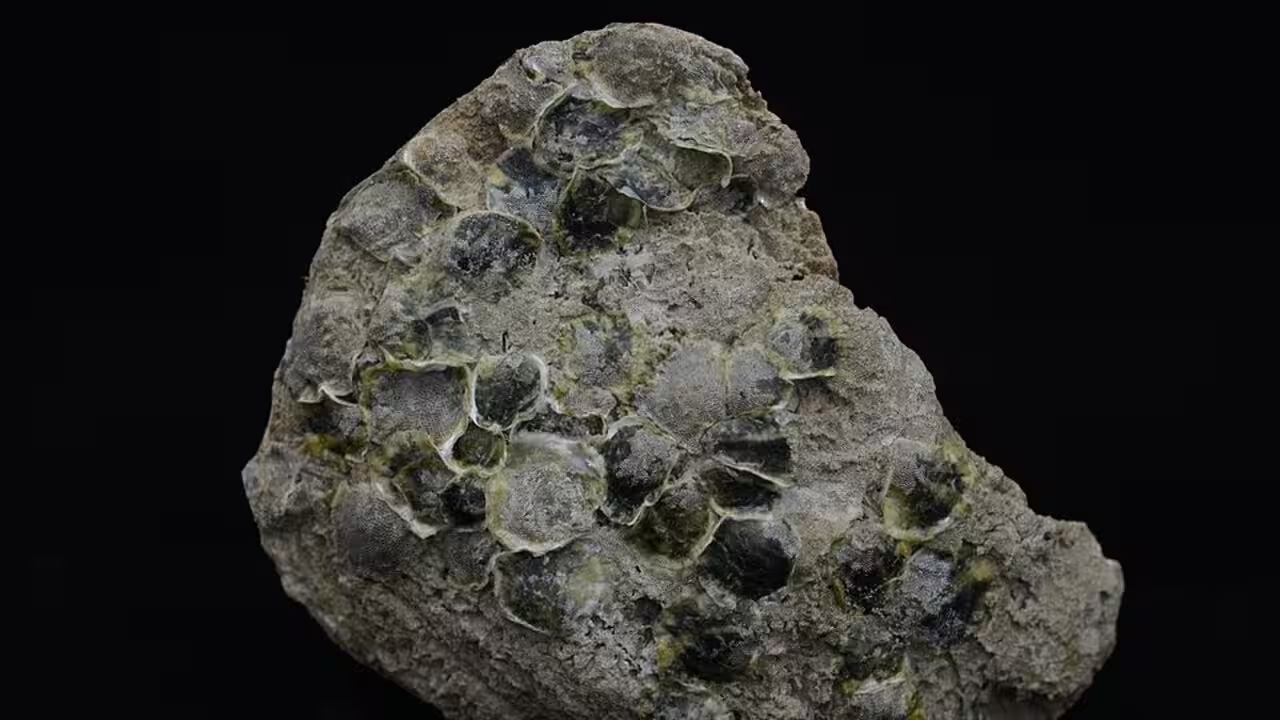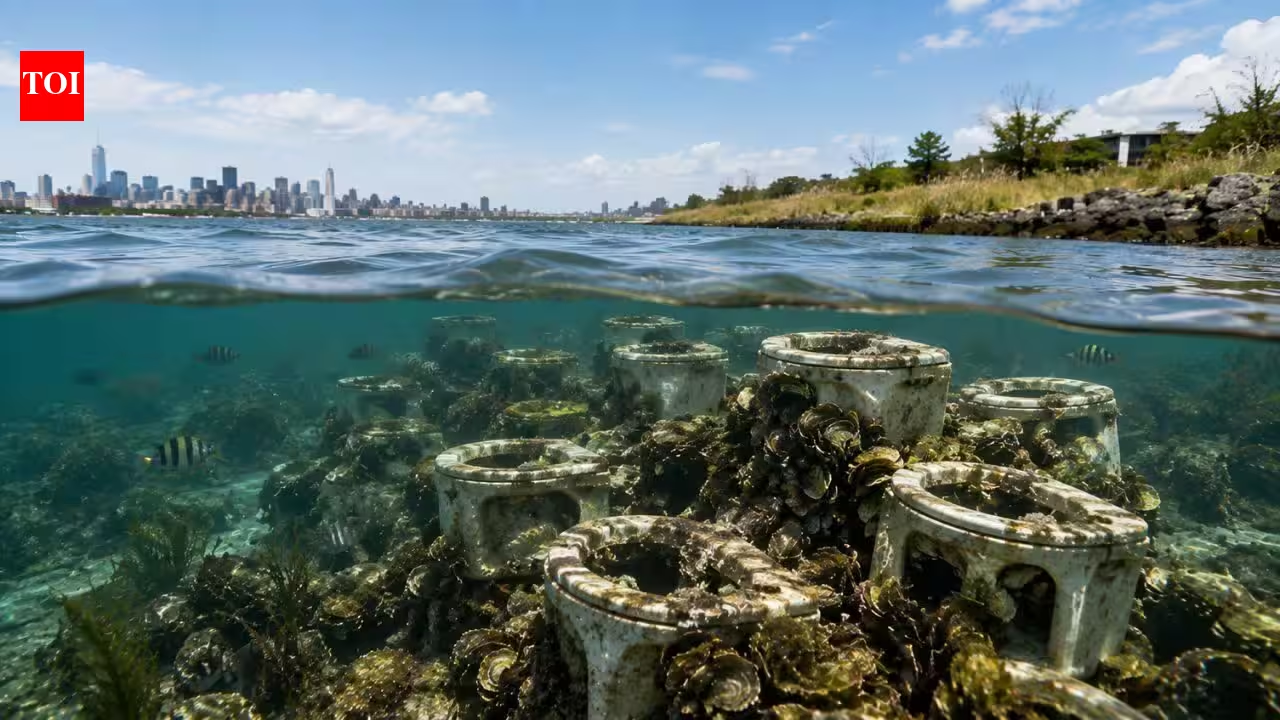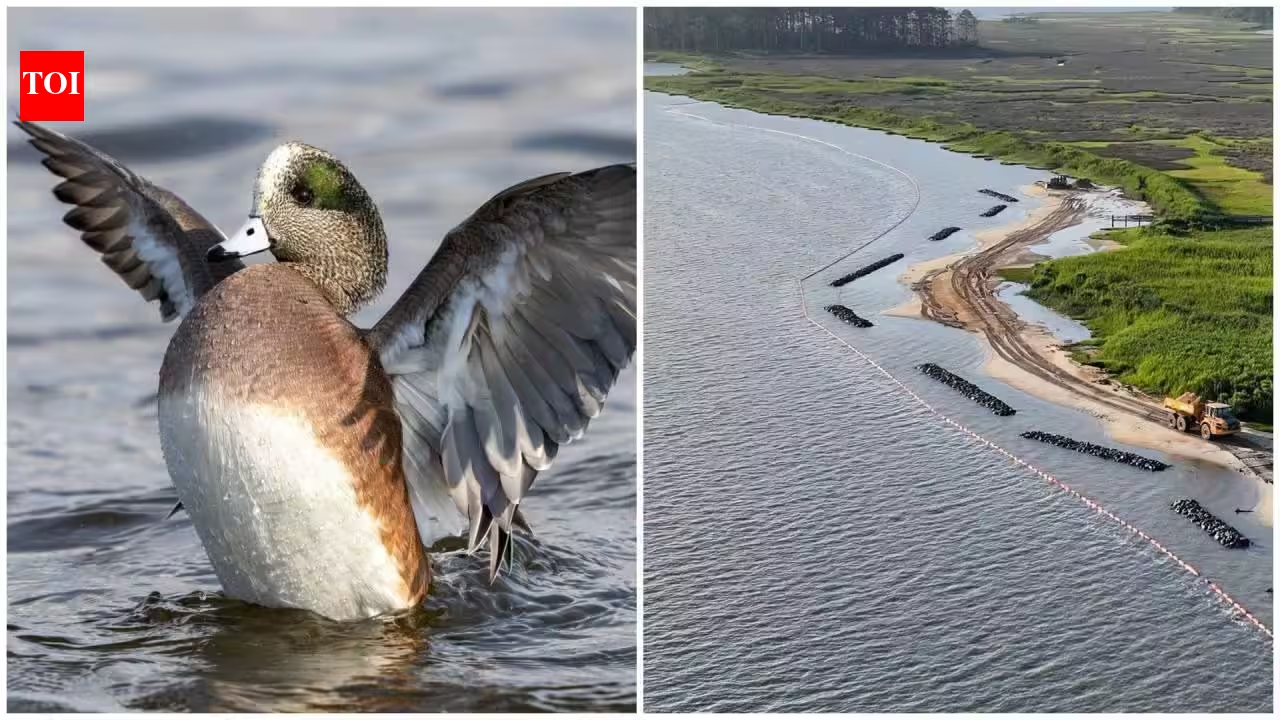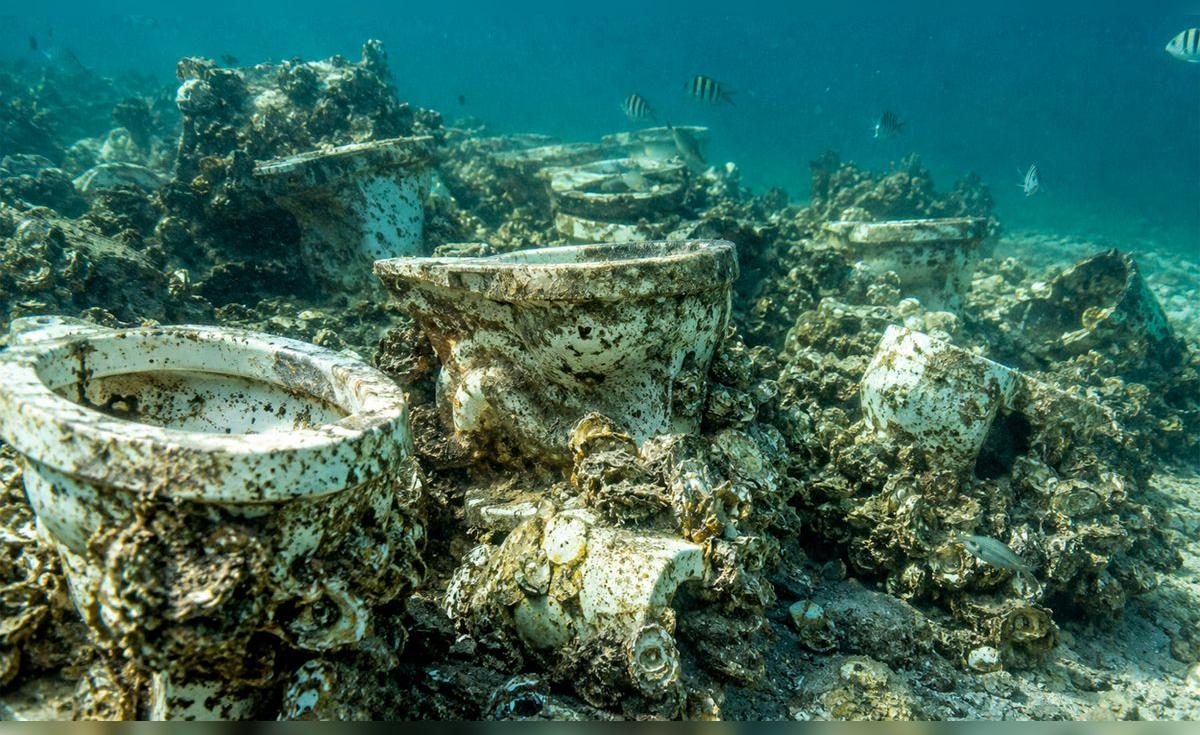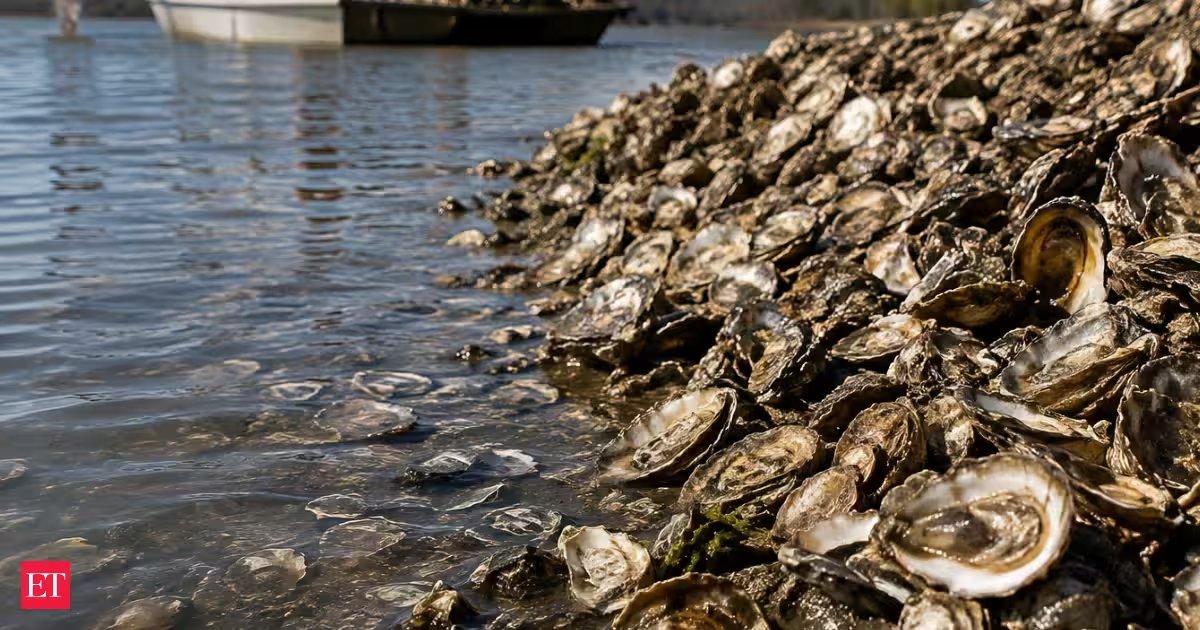
A big pile of oyster shells in a restaurant trash can might not seem like a way to help the environment. However, in Alabama, that is exactly what it is. Oyster shells from Gulf Shores restaurants can end up back in the water instead of in a landfill. Since 2016, the Alabama Coastal Foundation has collected tens of millions of discarded oyster shells from coastal restaurants and returned them to Alabama waters to support reef restoration efforts. The reason is simple biology: oyster larvae need a hard surface to attach to, and old shells are the best available substrate.Oyster larvae, called spat after they settle, spend their first free-swimming days searching for a firm surface. In the wild, that surface is almost always an older oyster shell. When the seafloor lacks enough shell material, spat find nowhere to attach, and reef growth slows as a result. That basic biological need is why a program built around discarded oyster shells has become a practical tool for reef restoration on the Gulf Coast.Why Alabama's oyster reefs needed helpGulf oyster populations have declined sharply over the past century. Overharvesting, disasters such as the Deepwater Horizon oil spill, and sedimentation from powerful storms have severely impacted these populations, contributing to a broader crisis in which approximately 85 percent of oyster reefs globally have been lost.A dense oyster reef contrasts with a degraded seafloor where little oyster habitat remains(representative Image). Image Credit: ChatGPTAlabama's reefs have experienced a similar decline. When these reefs decline, it means more than having fewer oysters to eat. Healthy oyster beds help clean the water, protect the shore from waves, and provide habitat for fish and crabs. It takes time for reefs to rebuild naturally, especially when there are not enough old oyster shells left on the Gulf floor for new spat to attach to. Young oysters need old shells as a surface on which to settle and grow. In search of the shell material needed for restoration, the Alabama Coastal Foundation found plenty of oyster shells in restaurant trash bins along the Gulf Coast.How the shell recycling program worksThe Alabama Coastal Foundation started its Oyster Shell Recycling Program in August 2016 with a grant from the National Fish and Wildlife Foundation as part of the Gulf Coast Conservation Grants Program. Restaurants along Alabama's coast, including the Original Oyster House locations in Gulf Shores and Mobile, separate oyster shells from other food waste. They no longer send the shells to a landfill. Instead, the shells are aged for several months. The curing process removes bacteria and leftover food material. Only after curing are the shells put into Alabama's bays and estuaries, where they become part of new reefs.What the program has achieved so farThe Alabama Coastal Foundation has collected more than 22.6 million oyster shells since 2016. NOAA Fisheries has helped support the effort. The foundation has converted these collected shells into roughly 2,250 cubic yards of usable reef-building material. Young oysters growing on recycled shell material. Image Credit: Galveston Bay FoundationOnce the restored reefs become established and ecologically stable, portions of them may eventually support carefully managed, sustainable harvesting, distinct from the unchecked overharvesting that damaged the reefs in the first place."We need oysters so people can make a living from them, and most of the reefs have been lost," explained Cecilia Mace, a spokesperson for the Original Oyster House restaurants in Mobile and Gulf Shores, emphasizing to NOAA Fisheries that the program has been essential. The shell recycling program plays a critical role in what remains of those reefs. The program's impact extends beyond the reefs themselves, supporting the coastal communities and businesses that depend on them.A simple habit with a measurable resultThe oyster restoration program in Alabama has produced clear, significant results from something people usually throw away without a second thought. It shows that even a small act, like saving oyster shells at a restaurant, can make a difference along the coast. When an oyster shell is saved, it gives oyster larvae a place to grow. That oyster helps build a reef that cleans the water, provides a home for marine life, and helps protect the coast.
Since 2016, Alabama has recovered more than 22.6 million discarded oyster shells; the restaurant waste is being returned to coastal waters to help build reefs
Discover how Alabama's oyster shell recycling program has collected over 22.6 million discarded shells since 2016, aiding reef restoration and supporting coastal ecosystems.
690 words~3 min read