The scheme is funded through France’s Energy Savings Certificates (CEE) system and complements existing electric mobility incentives, including the environmental bonus (bonus écologique) and the social leasing scheme for new electric vehicles. Rather than coming from the state budget, CEE funding is provided by energy and fuel suppliers such as EDF, Engie and TotalEnergies, which are required to contribute under the polluter-pays principle.
However, the planned incentive of just €337 per vehicle has already drawn criticism. Romain Ryon, President of Mobilee, a company specialising in CEE certificates for the transport sector, described the amount as ‘rather low.’
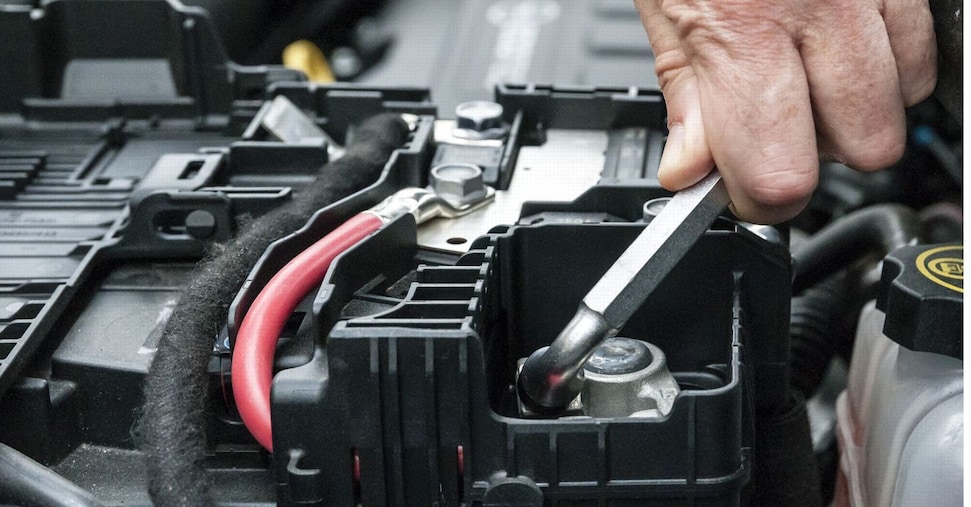
To qualify for the new incentive, a used electric vehicle must meet several criteria. It must have been first registered in France between 1 January 2017 and 31 December 2023, while its battery must retain at least 80% of its original capacity. Alternatively, the vehicle must offer at least 80% of its original type-approved range or a remaining range of at least 200 kilometres. The recipient must also keep the vehicle for at least three years.
The incentive does not apply to private sales. Buyers must instead purchase or lease the used electric vehicle from a dealership or professional used car dealer. Private individuals are eligible regardless of income, while businesses and other organisations can also apply.