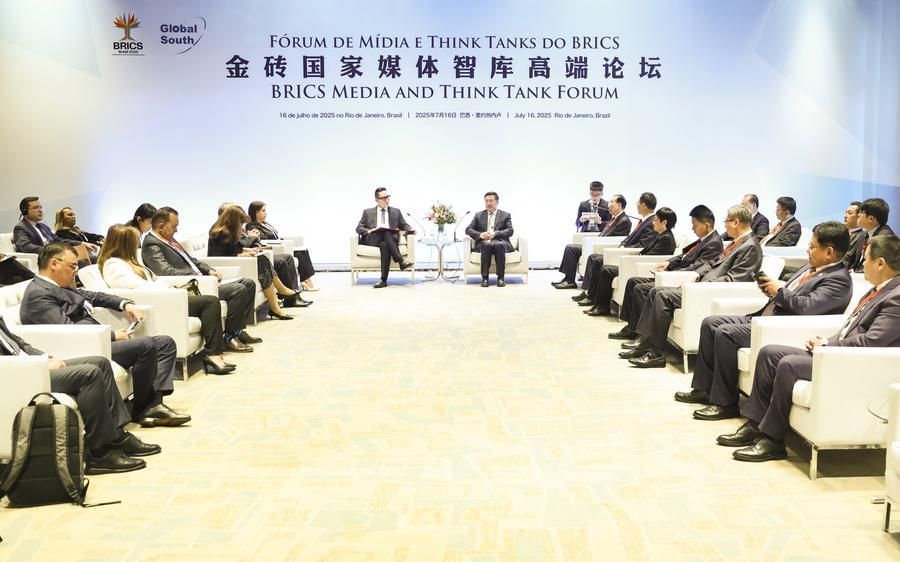
President of Xinhua News Agency Fu Hua meets with important guests attending the BRICS Media and Think Tank Forum in Rio de Janeiro, Brazil
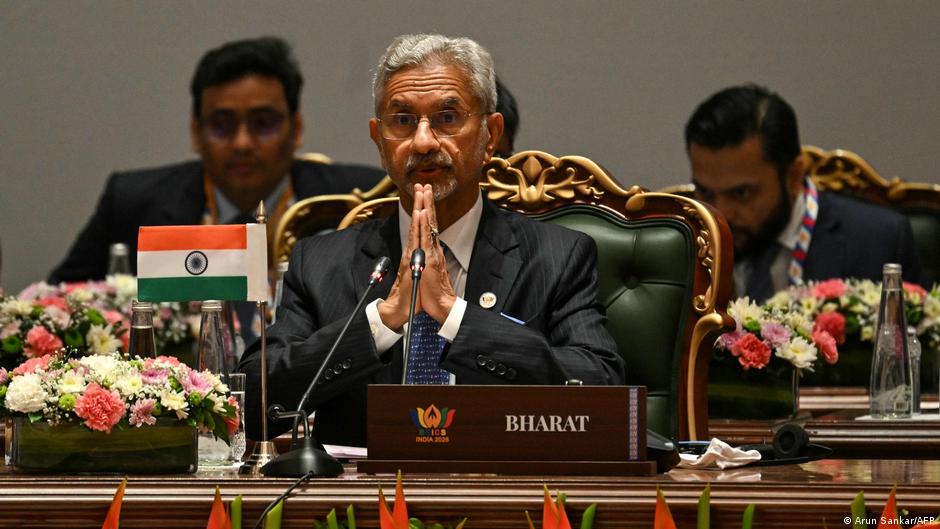
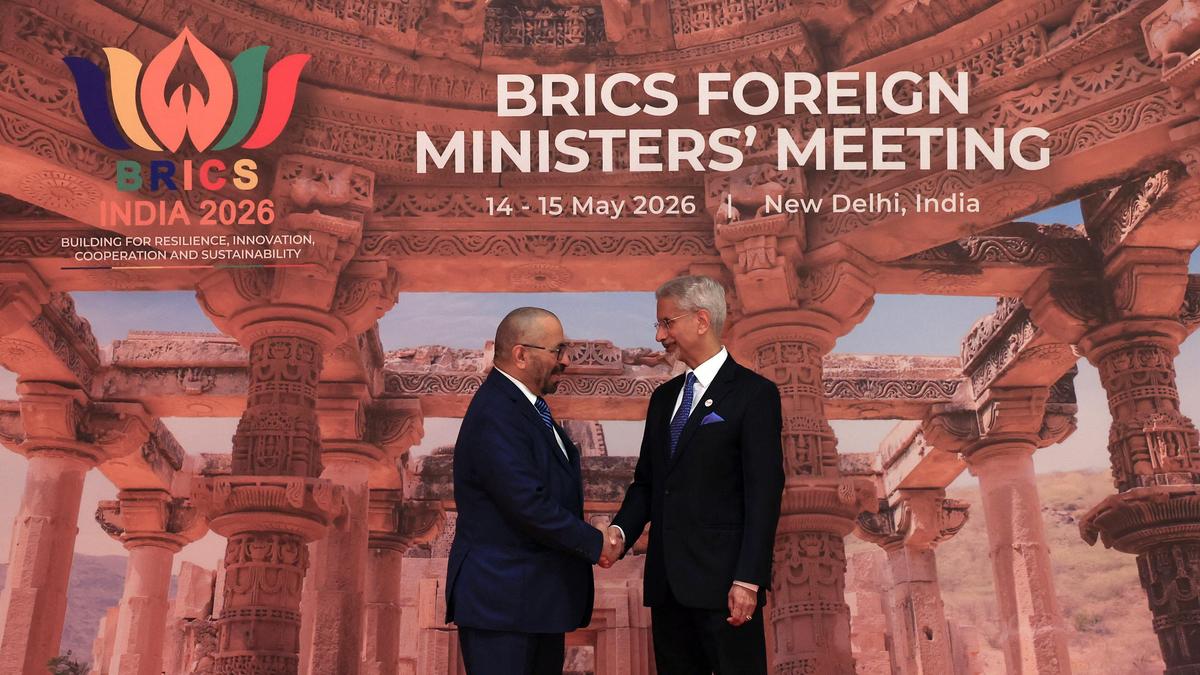
The escalating conflict in the Middle East represents more than a regional security crisis. It has become a significant geopolitical test for BRICS, expanding beyond its original five members to include key Middle Eastern powers such as Iran, Saudi Arabia and the United Arab Emirates. The conflict is forcing the grouping to navigate increasingly complex political realities while attempting to preserve its vision of greater multipolar cooperation.
One of the most significant questions is China's role. Despite its close strategic partnership with Iran, Beijing is unlikely to become directly involved militarily. China's primary strategic priorities remain Taiwan and the South China Sea, where it continues to concentrate its military and diplomatic resources. A major military commitment in the Middle East would divert attention and resources from these core national interests.
Equally important, China has cultivated strong economic and diplomatic relationships not only with Iran, but also with Saudi Arabia, the UAE and other Gulf states. Preserving those relationships is likely to remain a higher priority than becoming directly involved in the conflict.