The Ministry of New & Renewable Energy (MNRE) also agreed in July 2026 to waive the mandate for projects approaching completion, requiring applicants to have submitted applications by 23 July 2026.
| Photo Credit:
bl-online Administrator
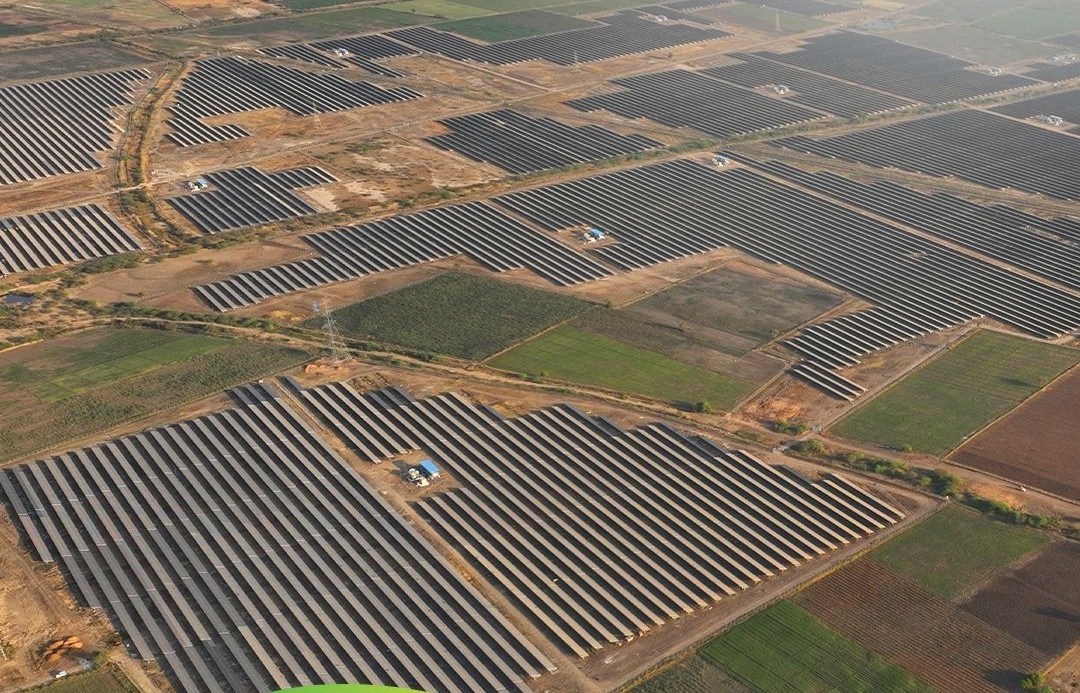
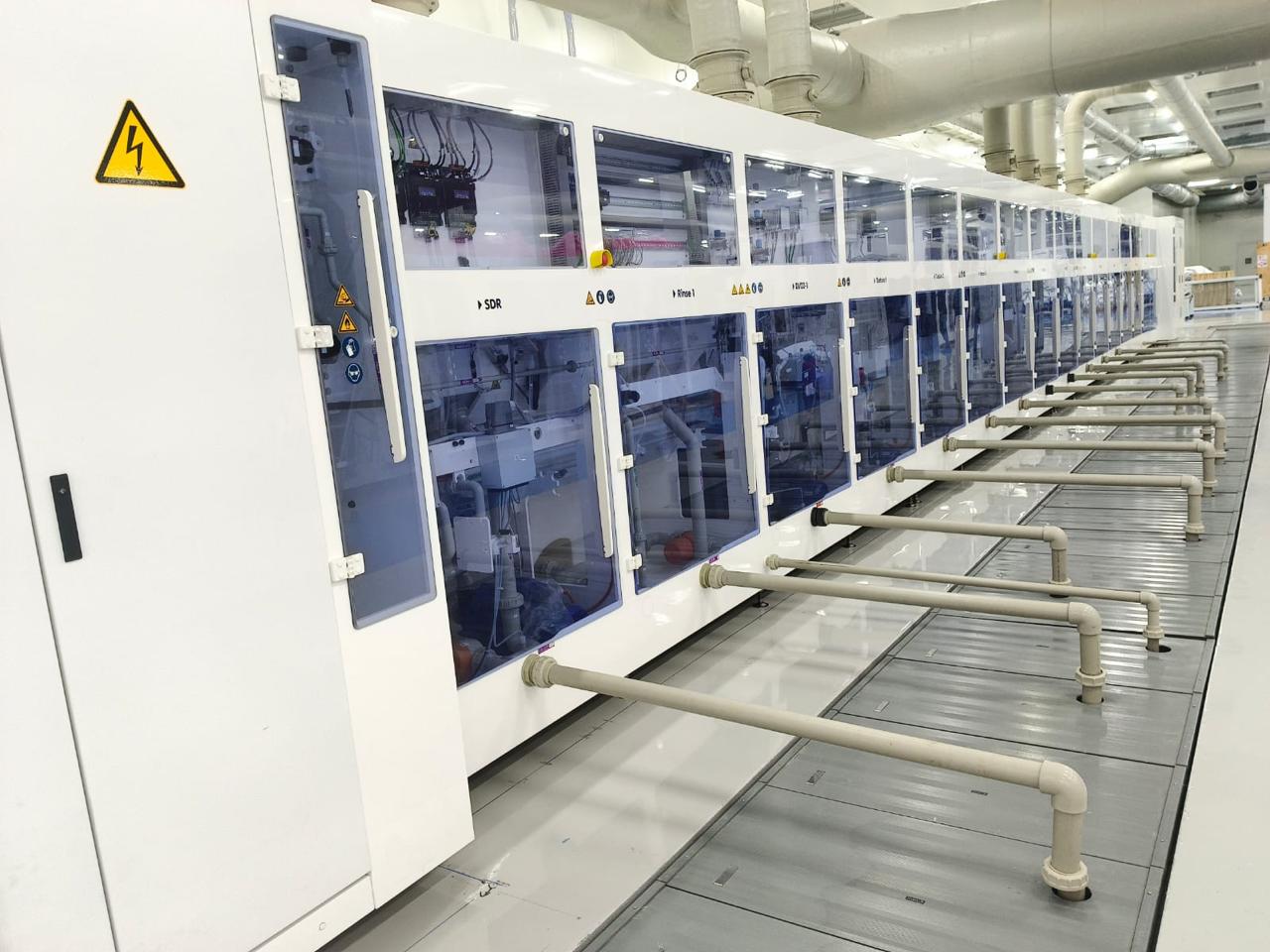
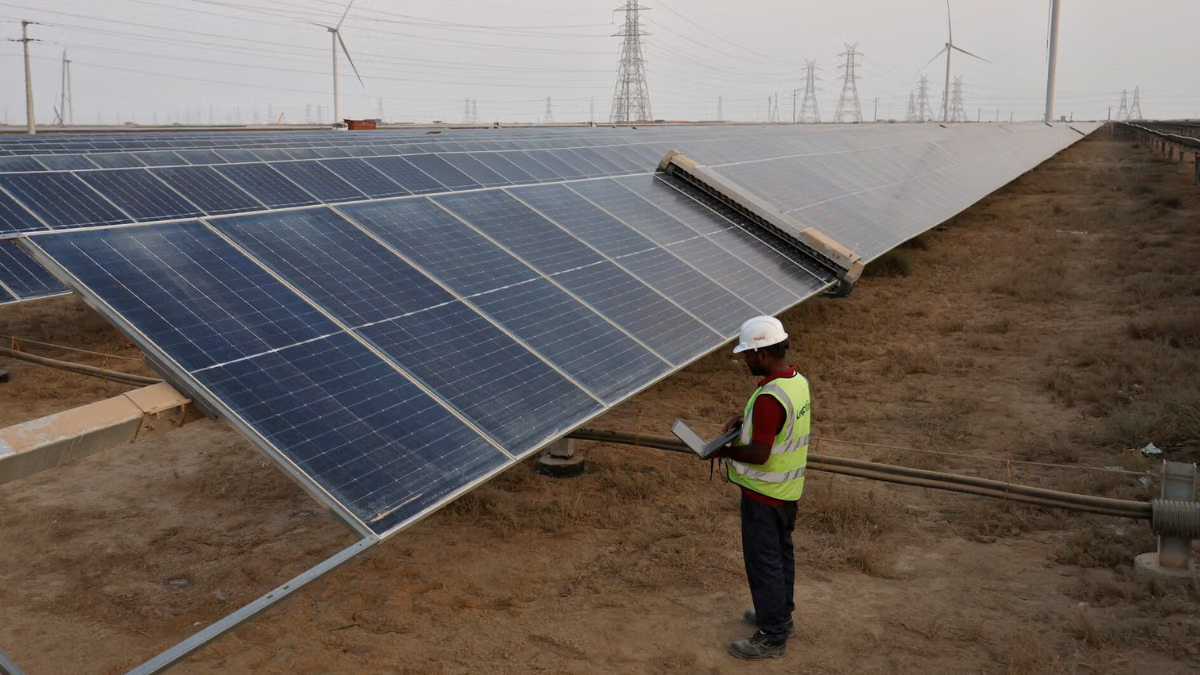
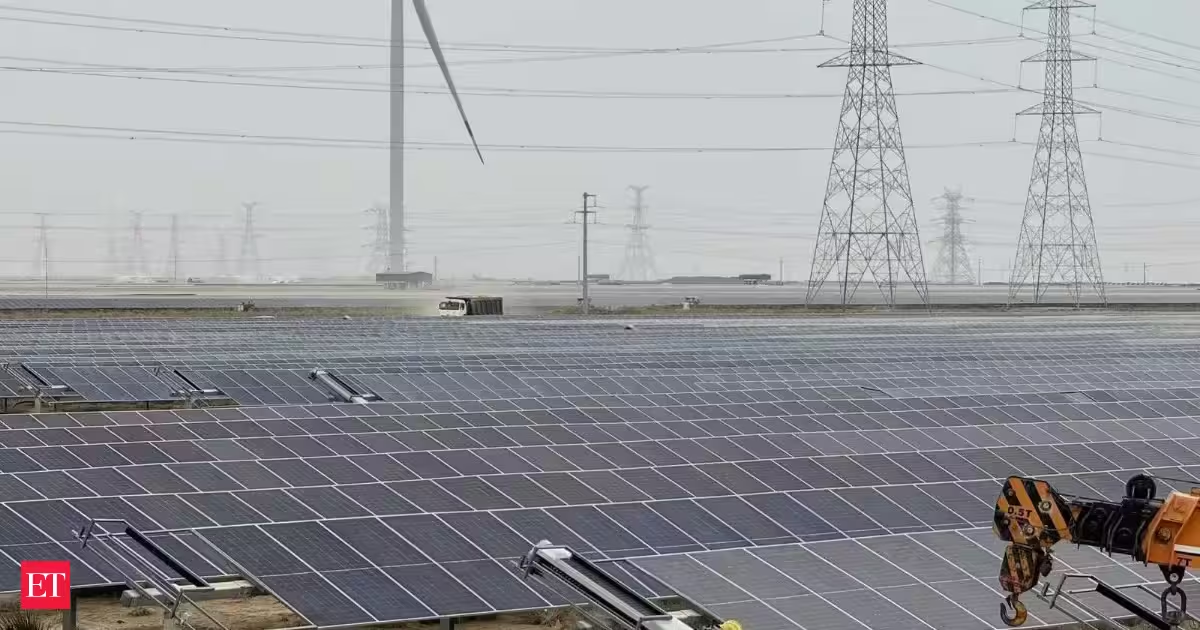
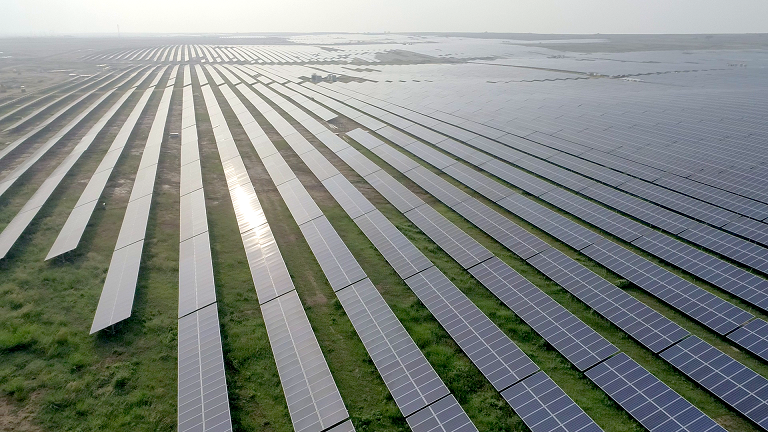
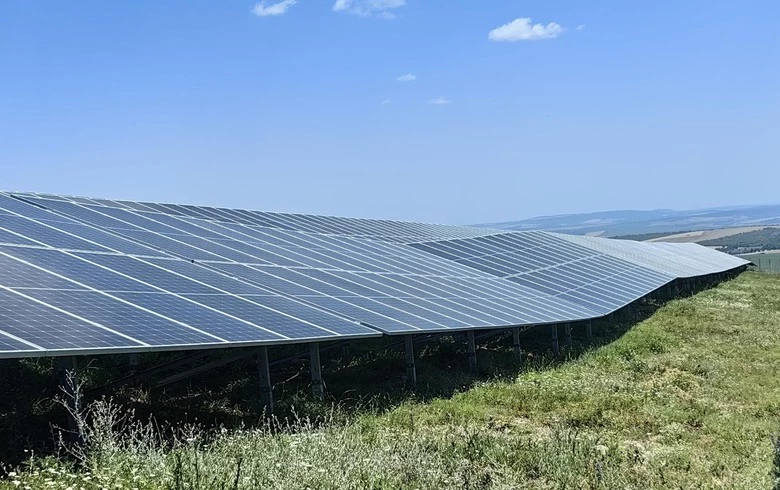
India is on course to add a record 50 gigawatts (GW) of solar power capacity in the 2026 calendar year, largely aided by the ALMM mandate for solar PV cells and the phased removal of waivers for inter-state transmission charges.The country is set to commission more solar capacity in 2026 than in any year in its installation history, even as the policy driving that surge simultaneously creates a supply crunch that will push system prices significantly higher, Wood Mackenzie said.“India added 34 GWdc (Gigawatts-Direct Current) of solar capacity in H1 2026, 38 per cent above H1 2025 levels, as developers raced to commission projects ahead of the June deadline for the Approved List of Models and Manufacturers-II (ALMM-II). Full-year additions are forecast to exceed 50 GWdc, surpassing the previous record of 49 GWdc set in 2025,” it added. Sureet Singh, Research Analyst at Wood Mackenzie, noted that India’s ALMM-II mandate is a bold step toward building a fully integrated domestic solar supply chain, but cell manufacturing capacity has simply not kept pace with modules. The near-term cost impact is unavoidable, and developers will need to navigate a difficult transition period before prices stabilise.The 34 GWdc added in H1 2026 reflects a concentrated push by developers to complete projects before ALMM-II took effect, requiring the use of modules produced from domestically manufactured cells in government-supported projects. The accelerated build-out was further driven by the phased removal of waivers for inter-state transmission charges, which fell from 75 per cent to 50 per cent for projects commissioned from July 2026 onwards and are set to be phased out entirely after July 2028. Momentum is expected to slow in H2 2026 as cell capacity constraints and rising module prices weigh on project development. However, ALMM-II waivers granted for net metering and open access projects until December 31, 2026 could provide upside to that figure. The Ministry of New & Renewable Energy (MNRE) also agreed in July 2026 to waive the mandate for projects approaching completion, requiring applicants to have submitted applications by 23 July 2026. Import dependency Wood Mackenzie pointed out that ALMM-II has reduced India’s direct cell imports from China. However, sourcing has pivoted toward Southeast Asia, with Indonesian cell imports nearly tripling in early 2026. In the first five months of 2026, India imported 5 GW of wafers and 20 GW of cells, with wafer imports climbing 86 per cent Y-o-Y to support domestic cell production, it pointed out. India has imposed a 20 per cent basic customs duty (BCD) on imported cells and modules, and in September 2025 the DGTR recommended additional anti-dumping duties of up to 30 per cent on Chinese-origin solar cells and modules, pending a final decision from Central Government, making Indonesian-origin supply an increasingly attractive alternative, though circumvention scrutiny may follow given the pattern of Chinese cell rerouting observed in other markets, Wood Mac said.“Any delay to the 14 GW of new cell manufacturing capacity currently under construction risks deepening import reliance and driving prices beyond current estimates. 130 GW of additional cell capacity is expected to come online by 2029, requiring a compound annual growth rate of 49 per cent from the 2026 full-build baseline of 88 GW,” it added.Elevated pricesEven as new cell capacity comes online, Wood Mackenzie expects insufficient utilisation to keep supply short of demand in 2027.