After doing three loops around the parking lot, you finally see a free spot. You step on the gas to claim it, but an SUV cuts in front of you and steals the space. You stomp on the brakes, jerking to a halt. You might forgive the other driver, but your Toyota remembers.
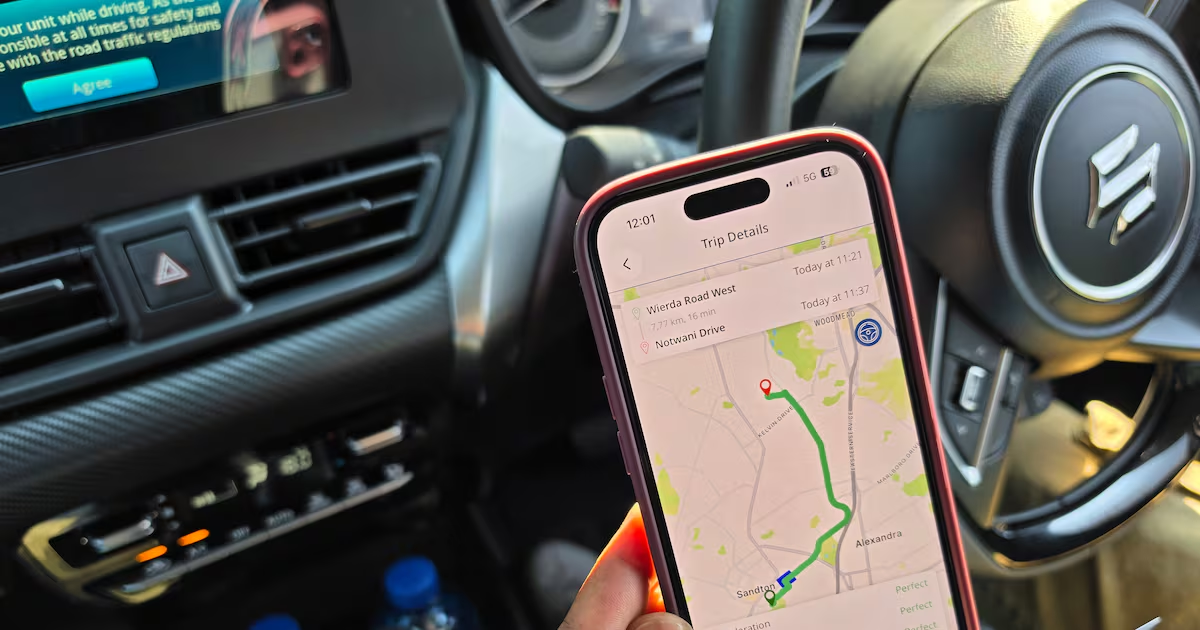
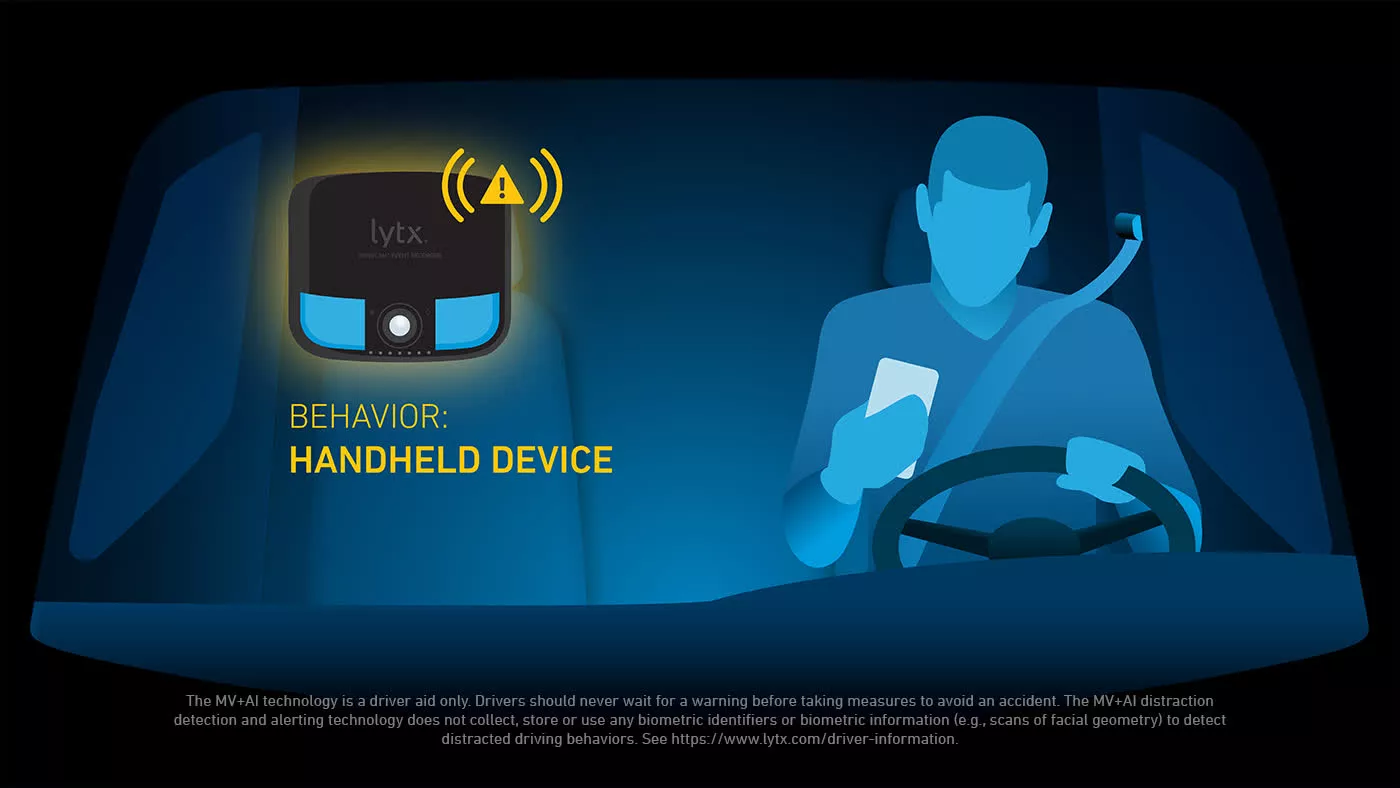
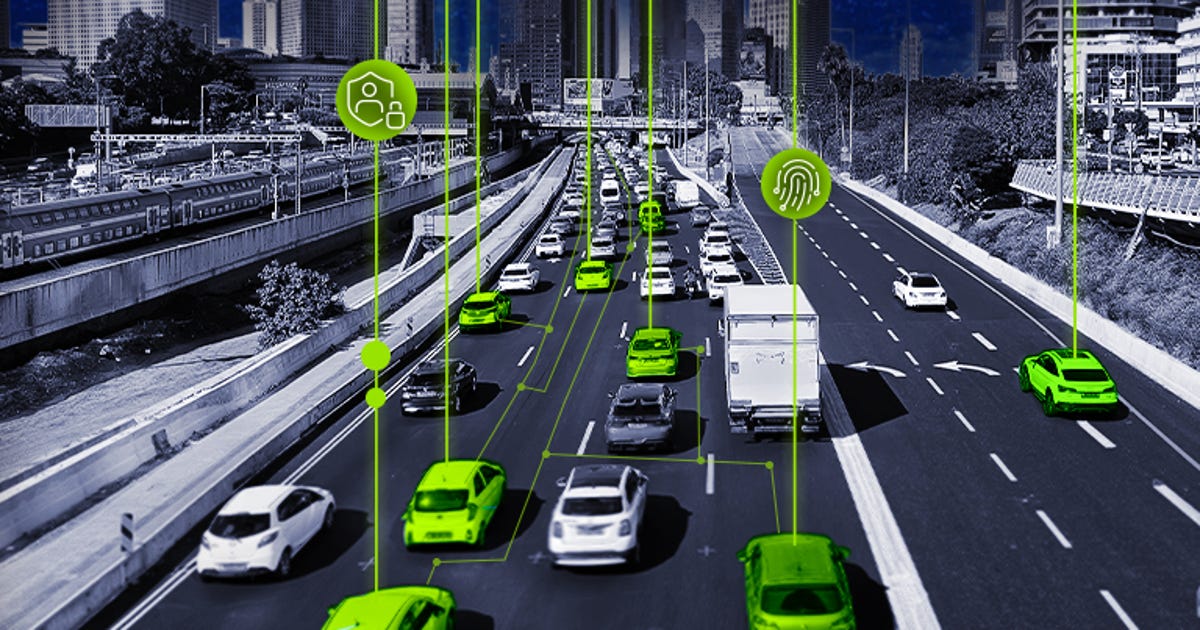
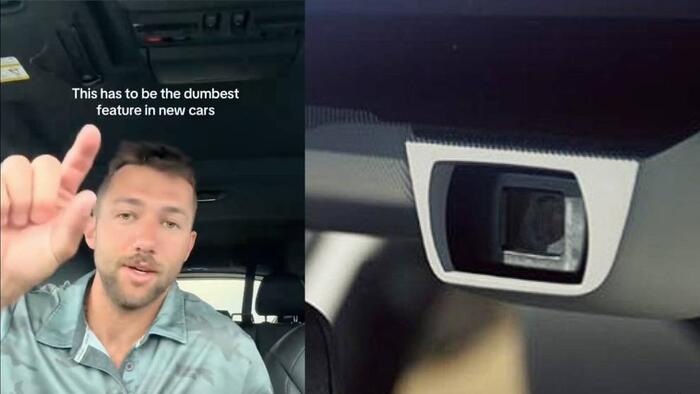
Later, as you drive home, your eyes wander to the restaurant that just opened on the corner. Your car loudly beeps you back to attention, the dashboard scolding, “keep eyes on the road.” Your car is watching you, and that hard stop and brief glance to the side are data sent directly to your car insurer, churning into an algorithm that decides your future premiums.
This surveillance model, called telematics, has become standard in auto insurance, as companies promise to save policyholders money if they agree to share their minute-to-minute driving data. They don’t actually save you money — a report by the Maryland Insurance Administration showed a mixed bag of premium changes with no real overall savings — but that hasn’t dissuaded companies.
As telematics grows in auto insurance, the human body is next. White House health officials and health insurance executives are pushing to bring a telematics model to mainstream medicine. “My vision is that every American is wearing a wearable in the next four years,” health secretary Robert F. Kennedy Jr. told House members in 2025. Kennedy claims devices that track your sleep, heart rate, glucose levels, and other metrics will help Americans “take control” of their health. And indeed, there are now countless wearables to track your vital bodily data — from your heart rate and daily steps to your ovulation and hormone levels.