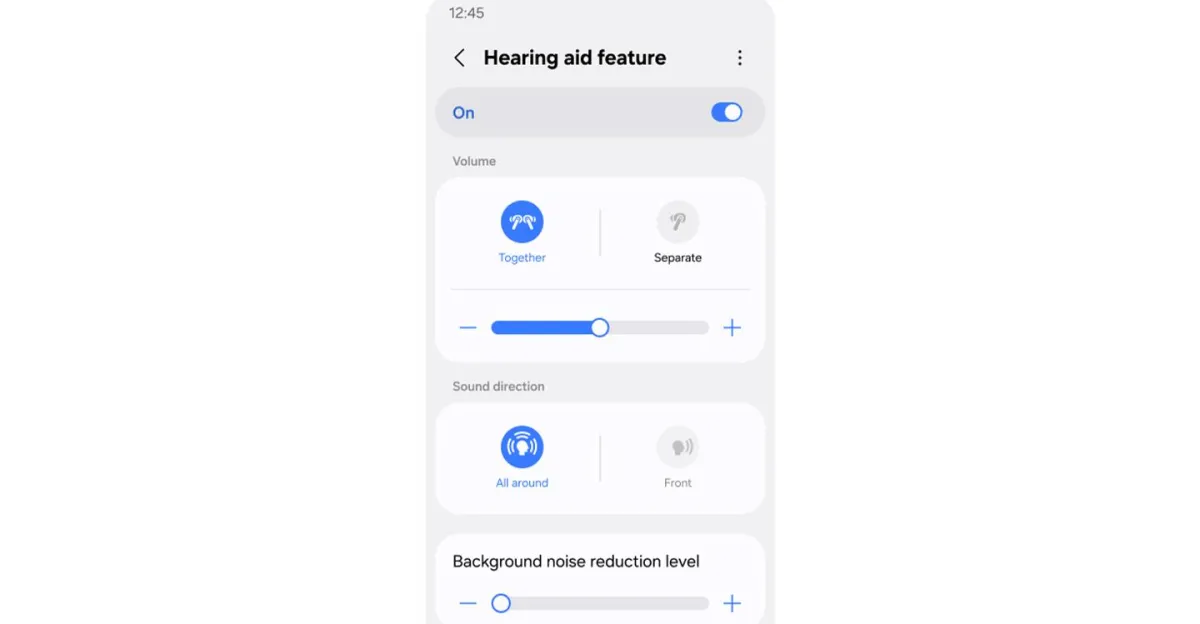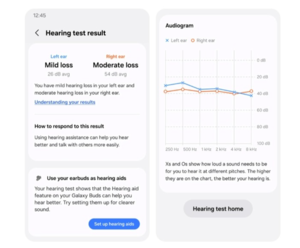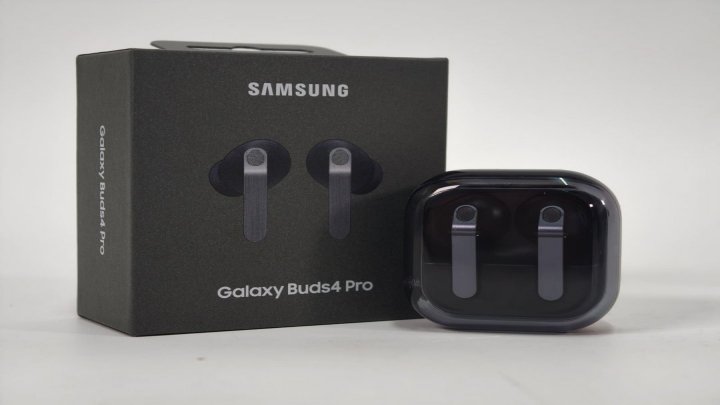
How the clinical auditory evaluation operates inside the companion softwareThe mobile application executes a five-minute pure-tone assessment across frequencies ranging from 250Hz to 8kHz. The algorithm charts response thresholds per ear, plotting a formal diagnostic audiogram directly on the smartphone display.The software isolates unilateral deficits, showing distinct decibel values for each ear to address asymmetric auditory reduction. Completing the assessment enables direct configuration mode, programming the wireless earbuds to apply target frequency boosts without requiring external audio hardware.Feature DimensionClinical Audiology StandardGalaxy Buds Hearing SolutionTypical Upfront Hardware CostExceeds Rs 1,00,000Consumer earbud hardware baseAssessment MethodologySound-booth diagnostic visit5-minute smartphone app tone testTarget Hearing Loss ProfileMild, moderate, severe, profoundMild to moderate auditory lossRegulatory FrameworkClass II Prescription DeviceClass II Software as a Medical DeviceUnited States Rollout WindowCommercial distribution activeScheduled for Q4 2026 releaseCentral Drugs Standard Control StatusIndian commercial sales activeRegulatory submission pendingWhy consumer hardware bypasses clinical adoption barriersWorld Health Organisation records indicate 1.5 billion people live with auditory loss globally, with projections pointing toward 2.5 billion by 2050. Prohibitive retail pricing, geographical disparities in specialist availability, and social self-consciousness prevent broader uptake of clinical hardware.The FDA registered Samsung's evaluation code under the Software as a Medical Device classification. This specific tier demands verified clinical testing, explaining the two-year validation phase following preliminary announcements during 2024.
Samsung Galaxy Buds Win FDA Clearance for Hearing Aid Features
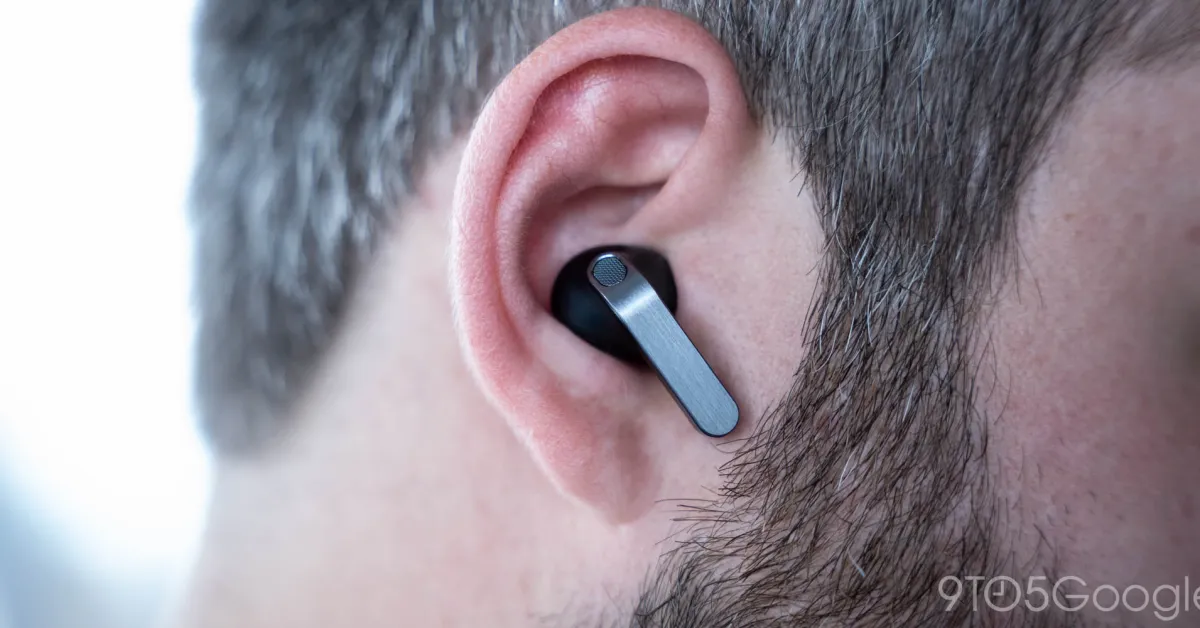
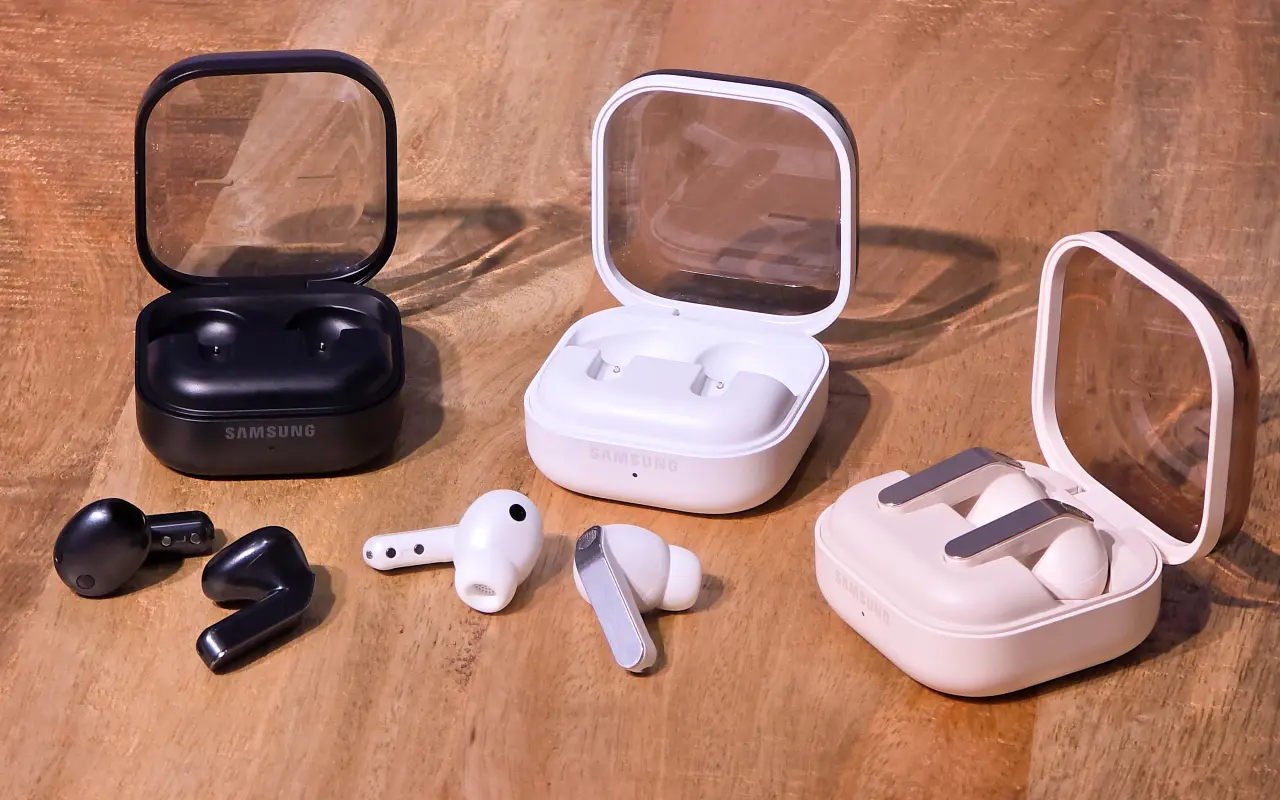
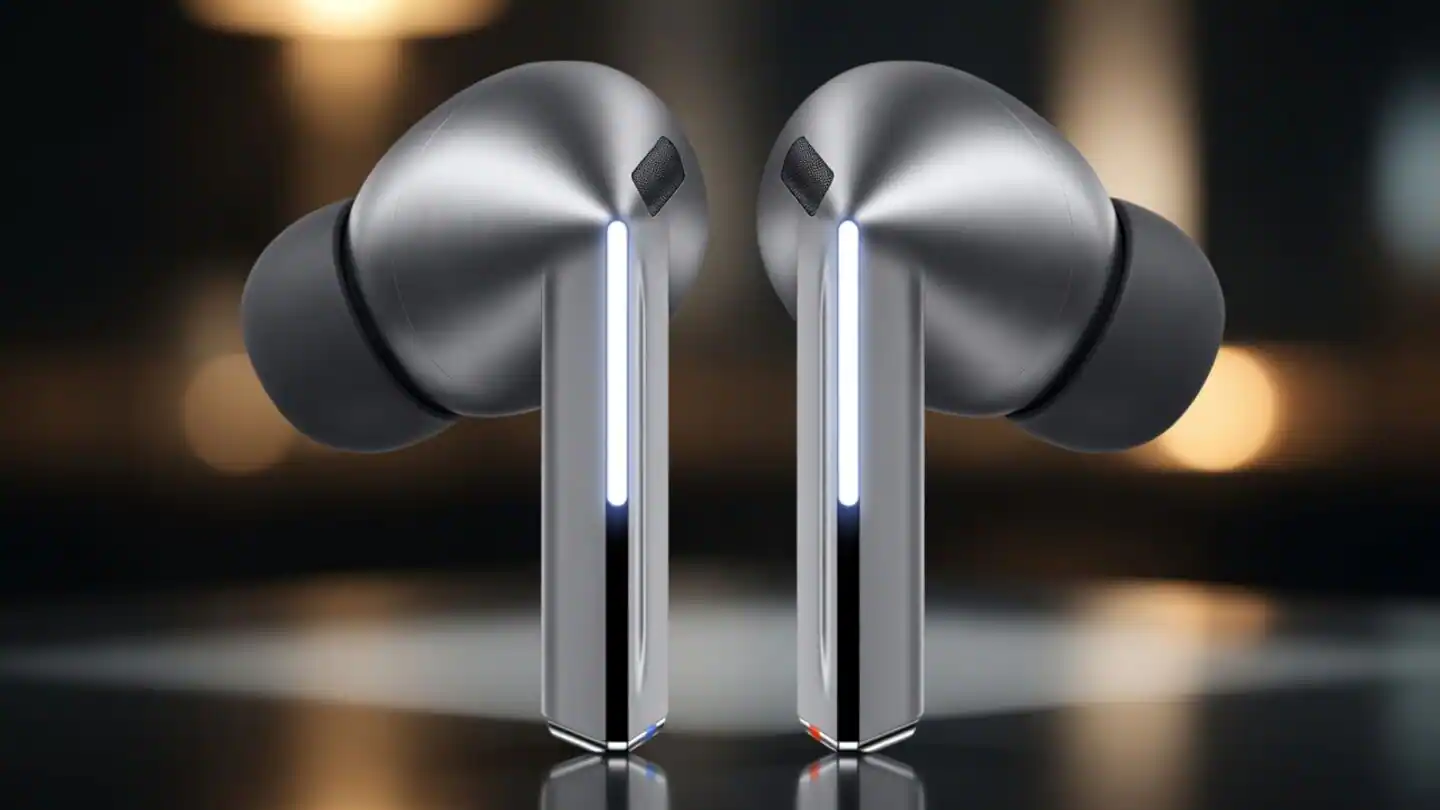
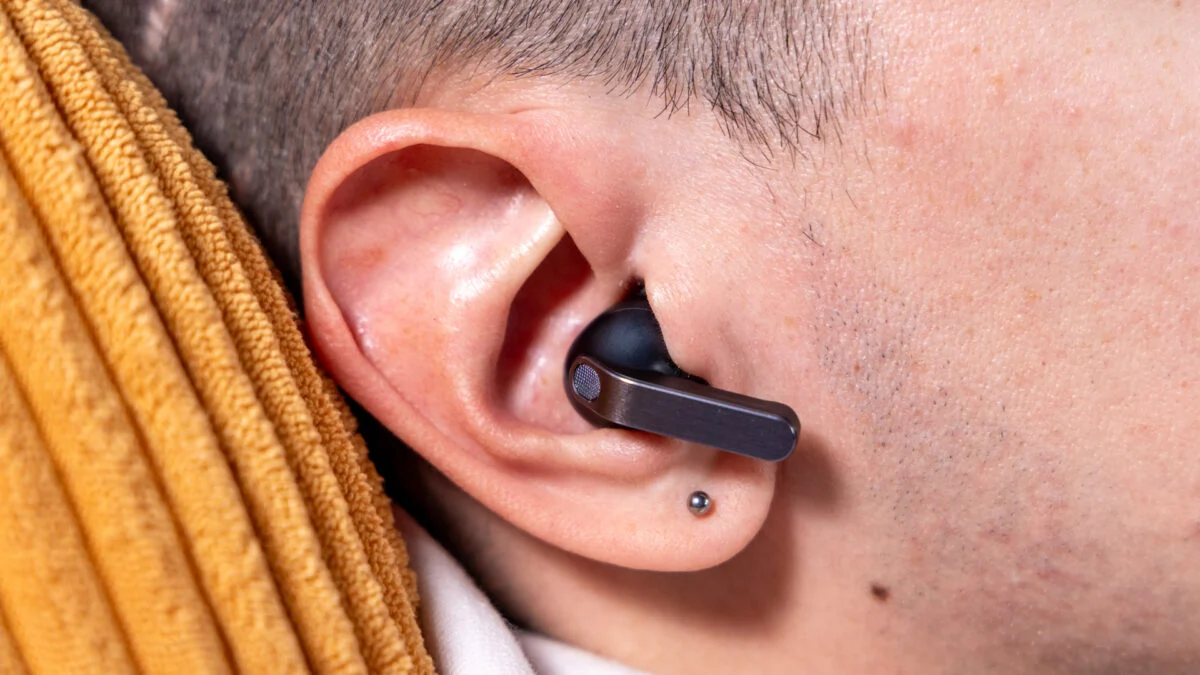
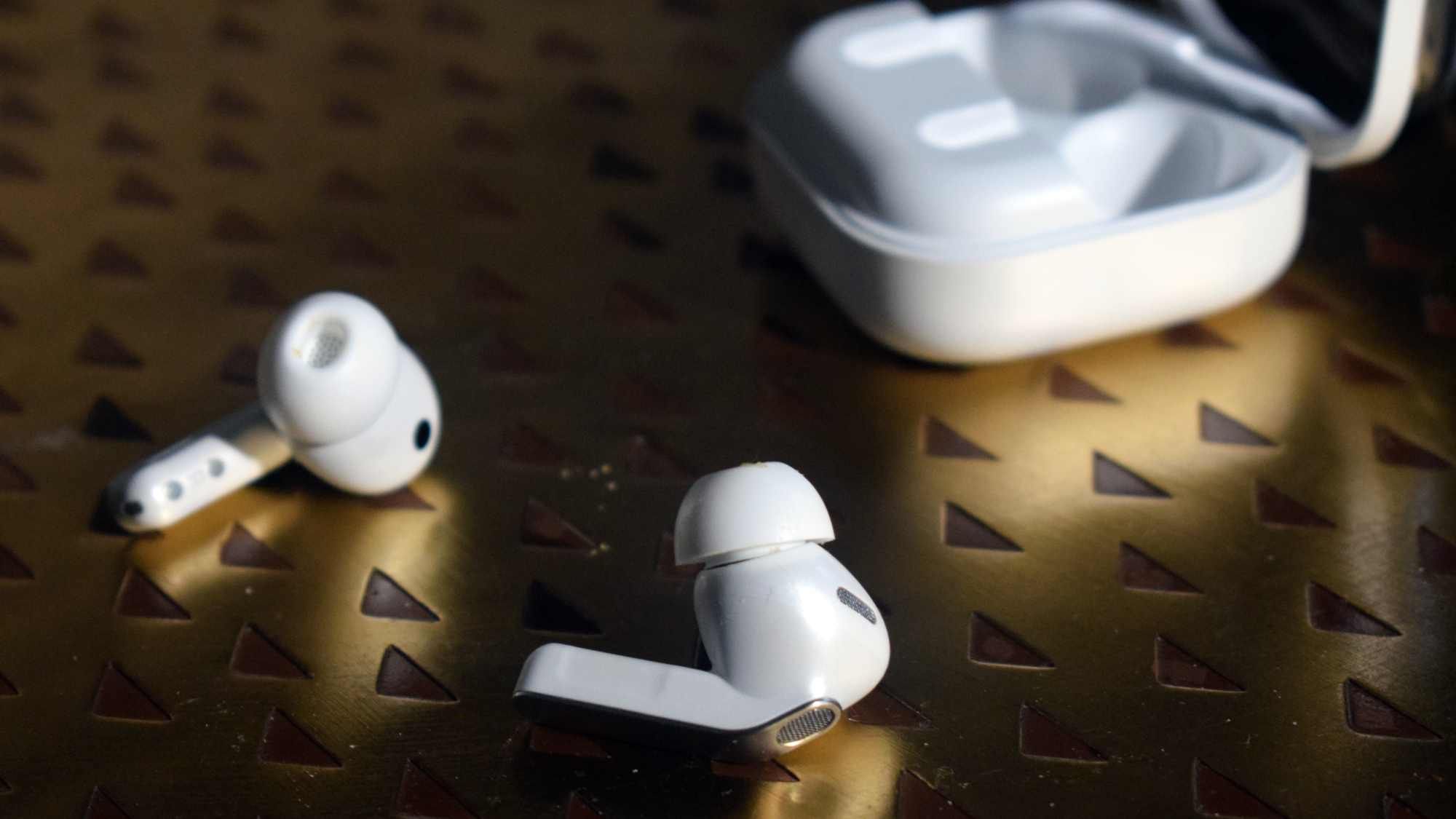
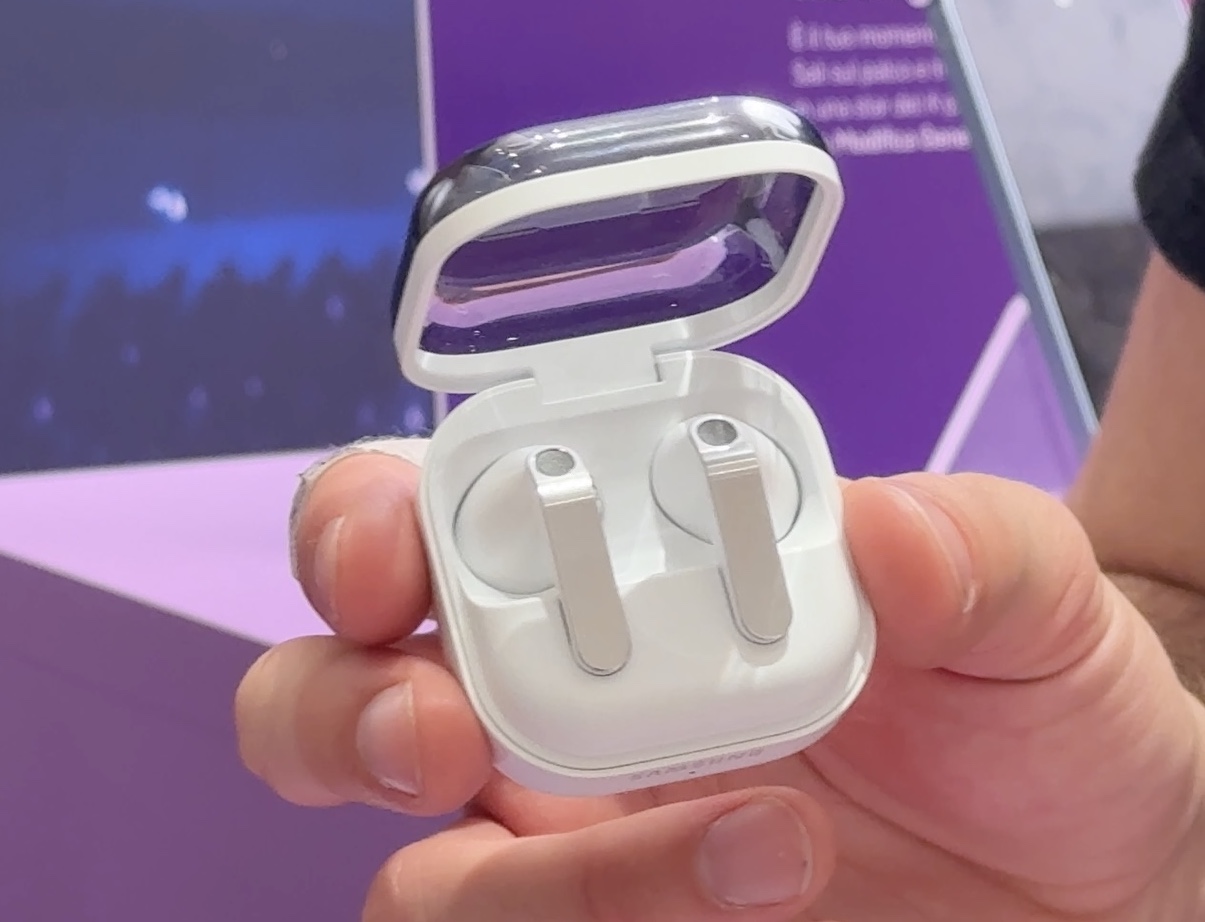
Samsung has gained FDA approval for its innovative software hearing aid feature designed for Galaxy Buds Pro. This enhancement allows users with mild to moderate hearing loss to customize frequency amplification. Scheduled for release in the United States in late 2026, it aims to provide an accessible alternative to costly clinical consultations, while Indian regulatory approvals are still underway.
210 words~1 min read