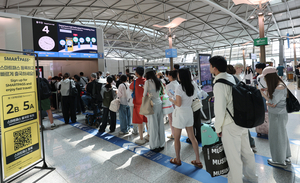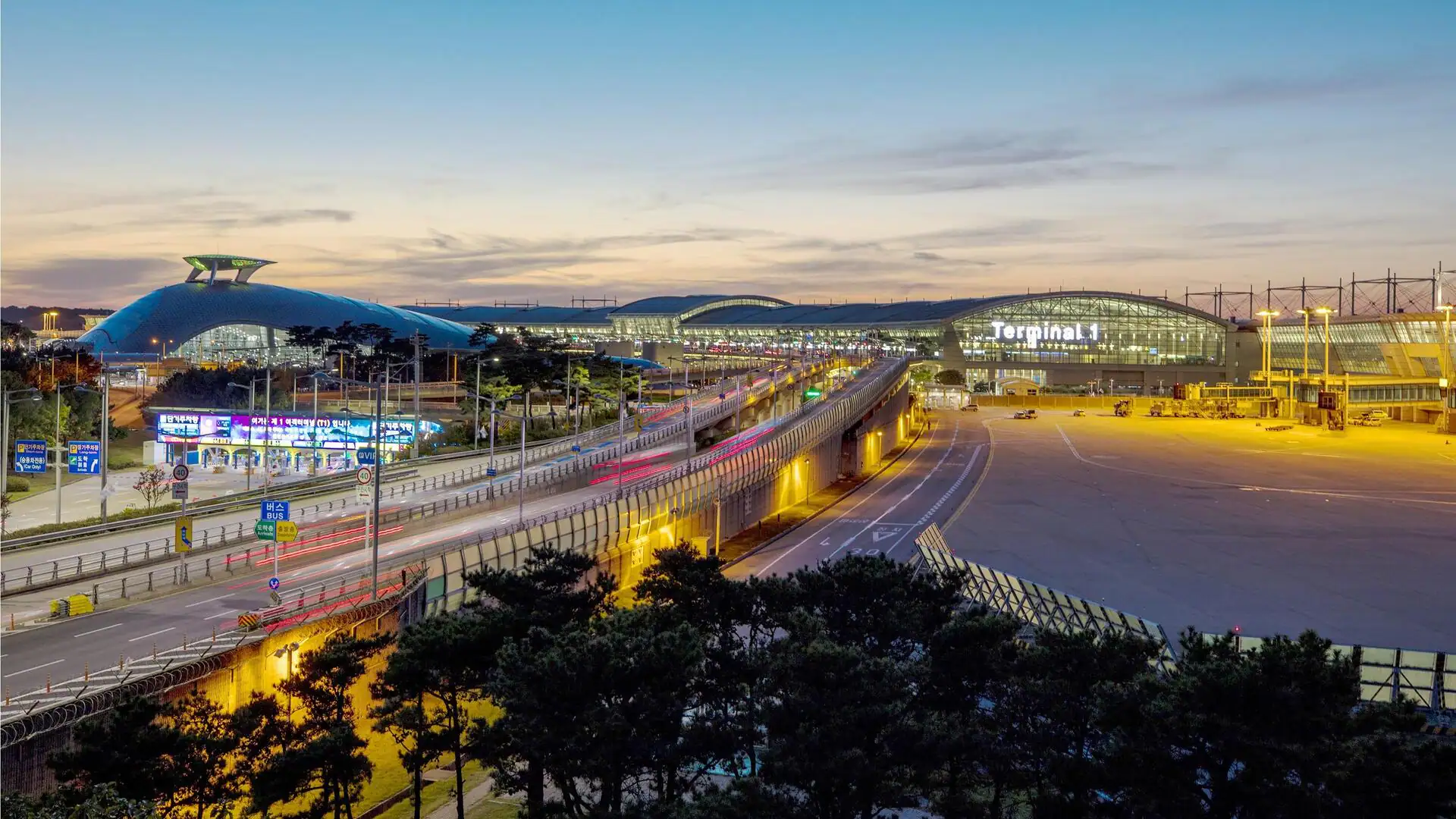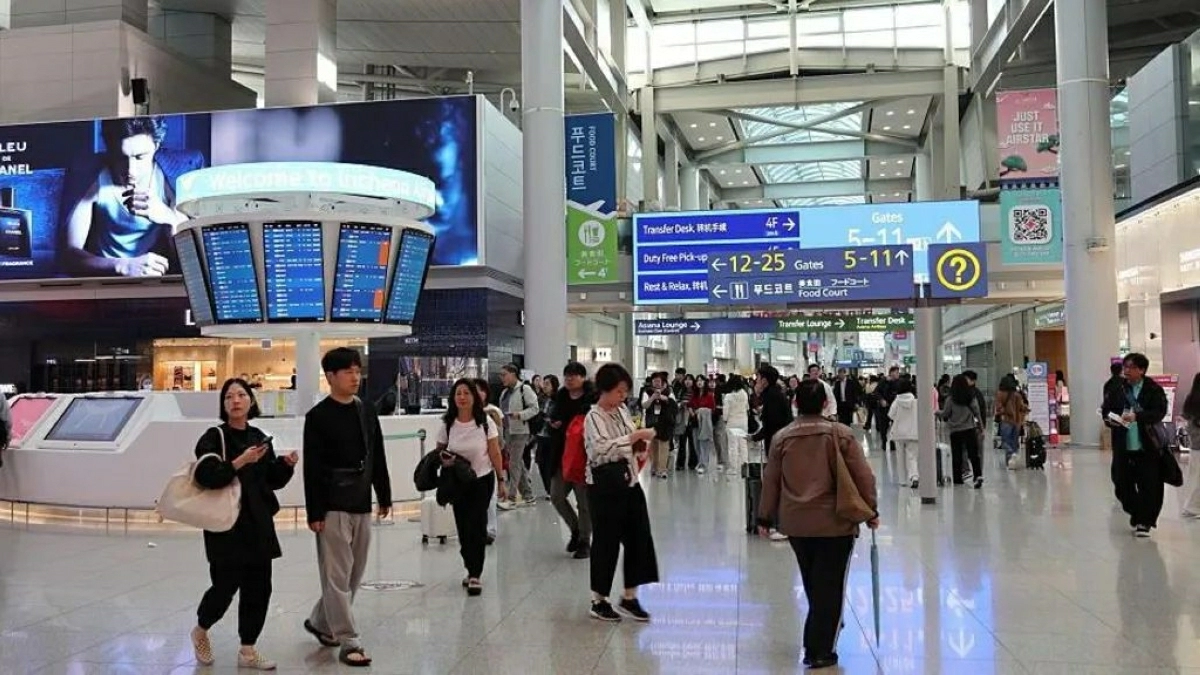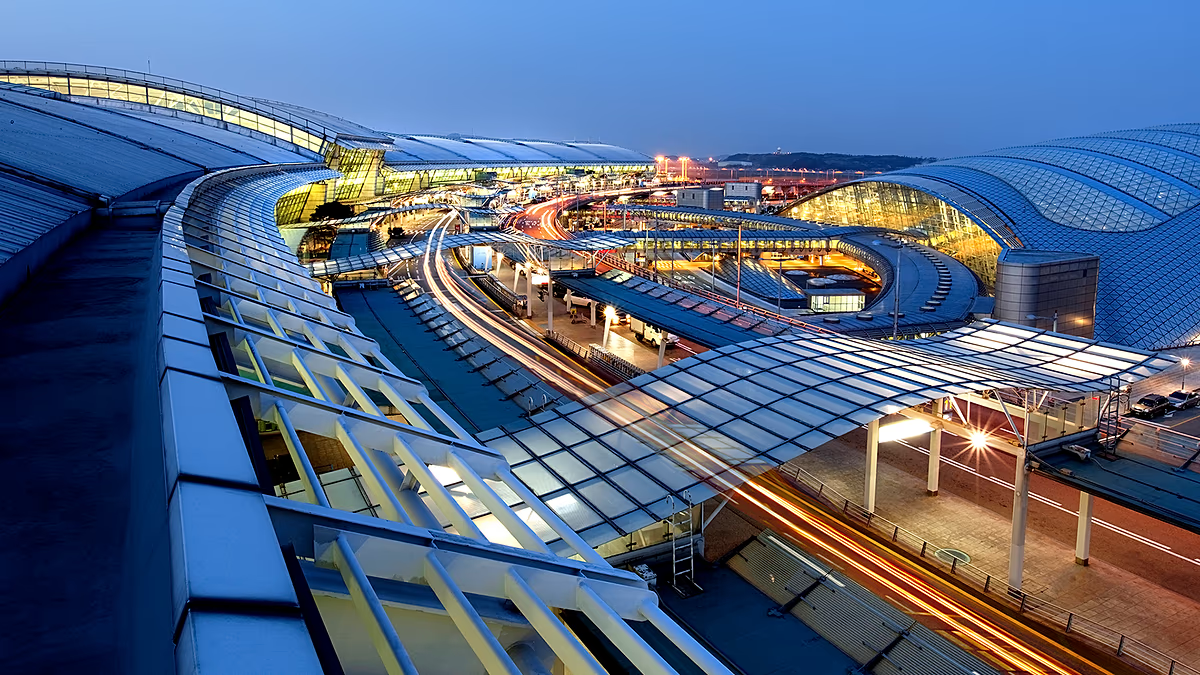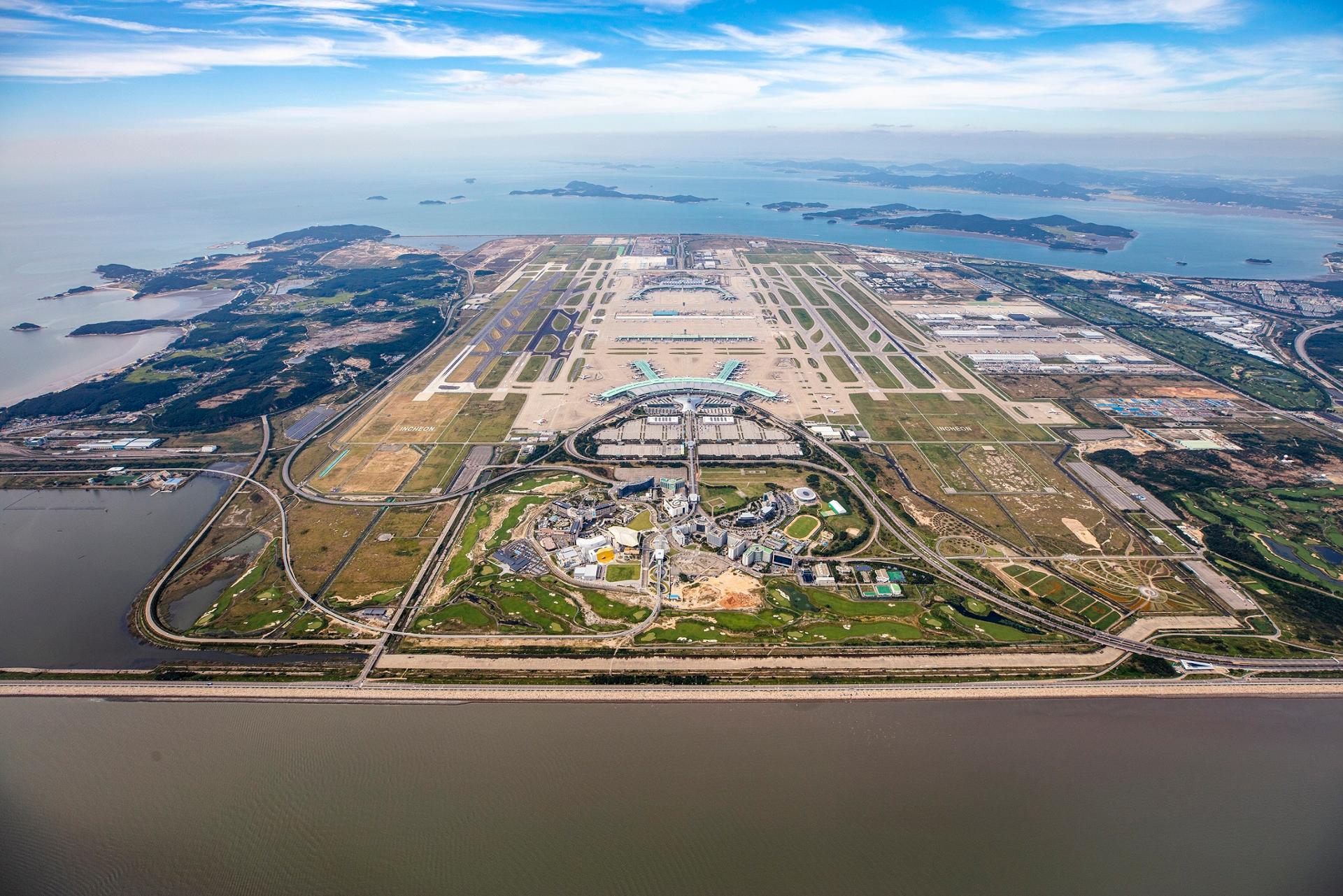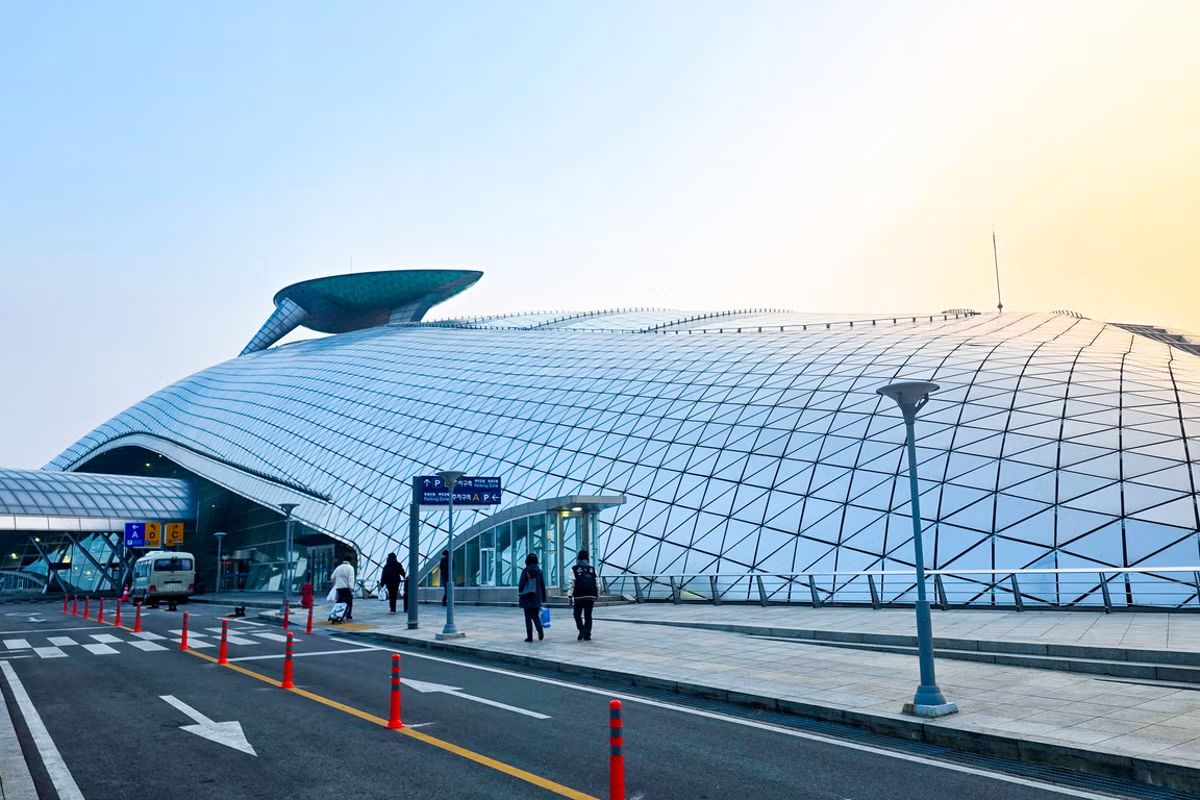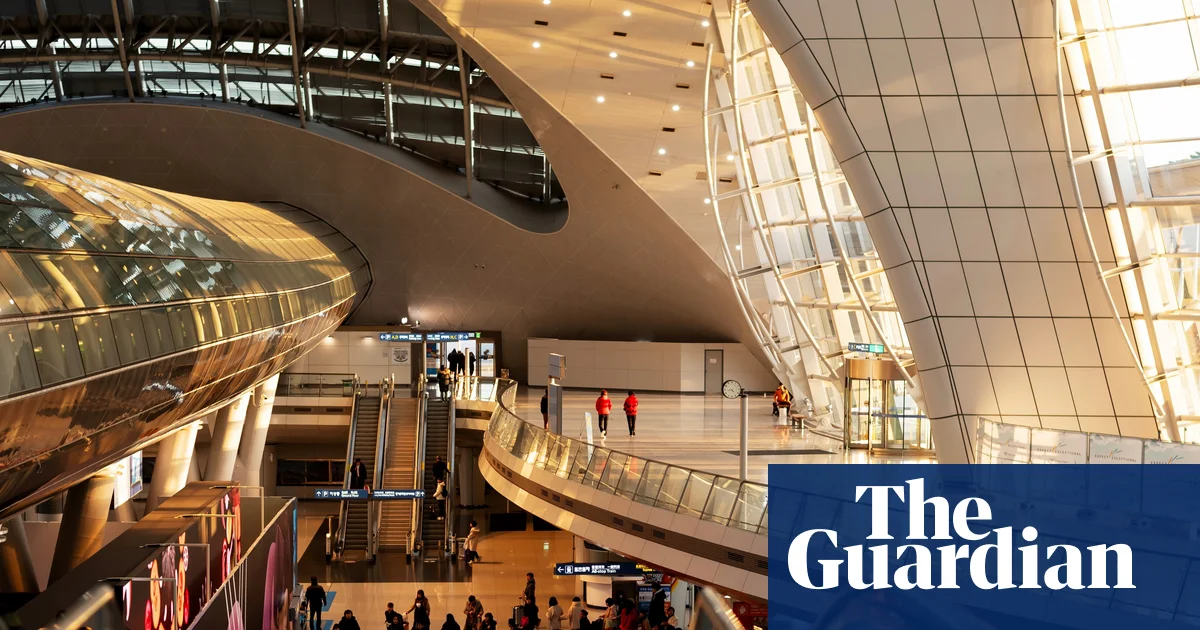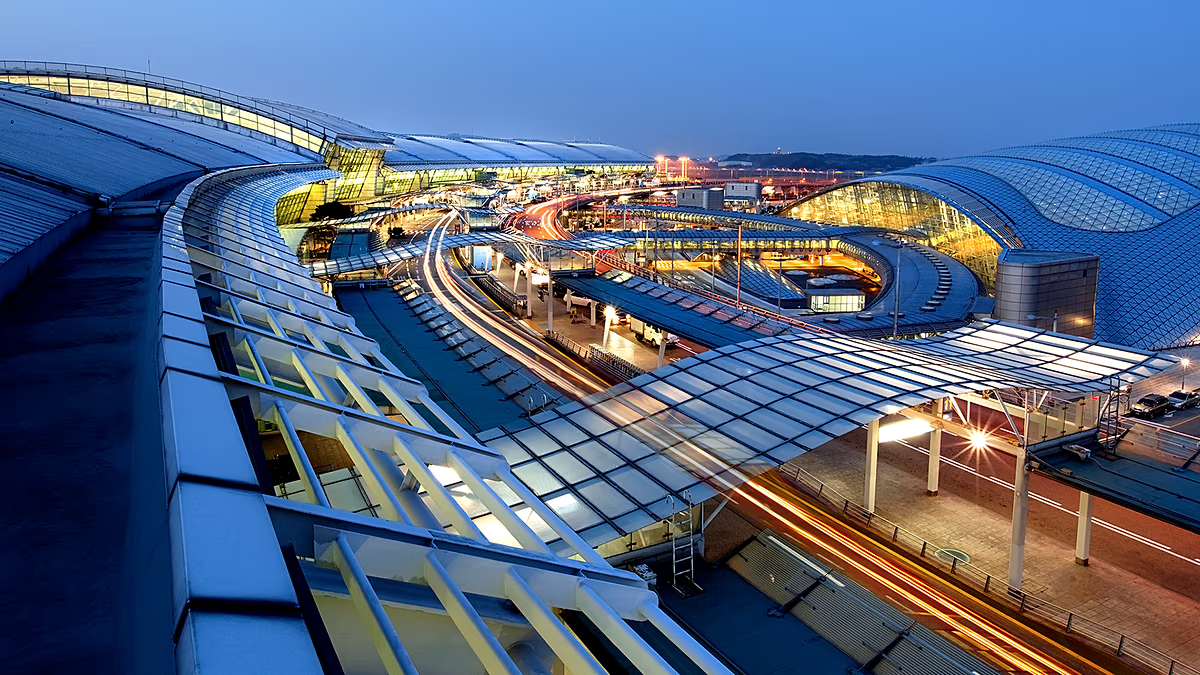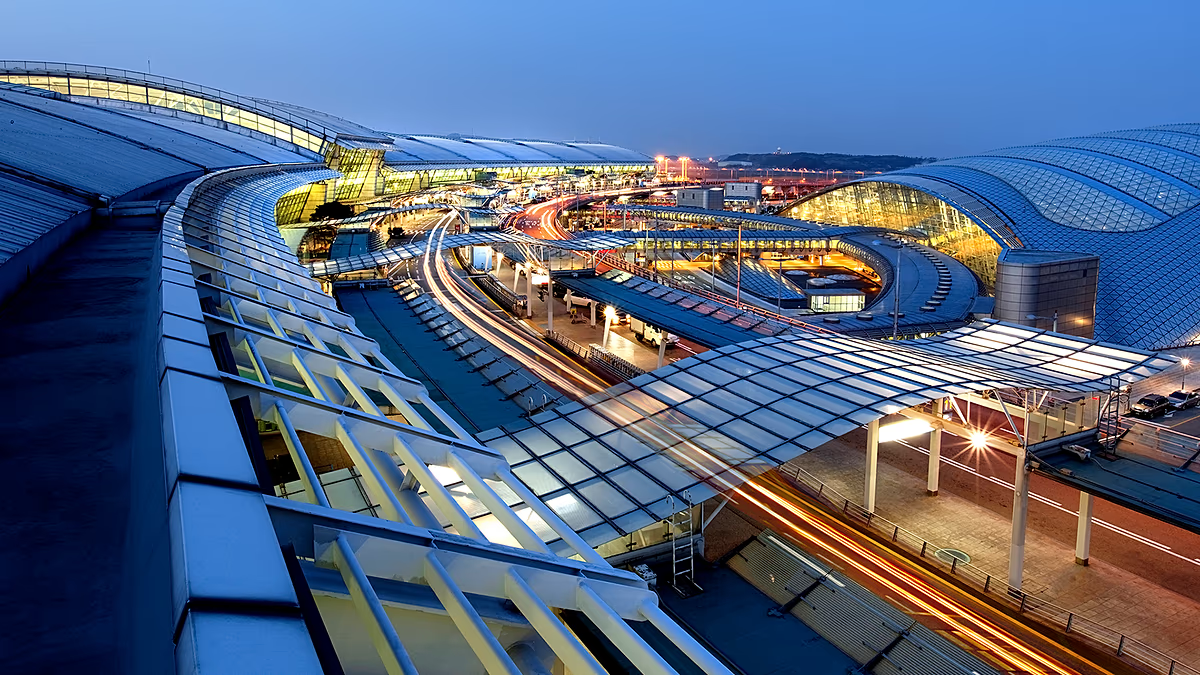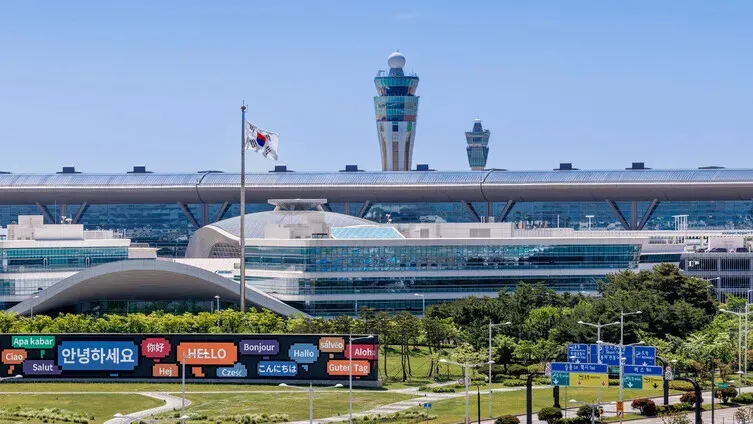
Incheon International Airport was the world’s busiest international hub in the first half of 2026. The airport revealed Thursday that it served 38.39 million international passengers in the first six months of 2026, setting a new Airports Council International world record. London Heathrow Airport ranked second with 37.79 million passengers, followed by Singapore’s Changi Airport with 34.53 million. The number of international passengers is an important indicator of the international competitiveness of an airport. Incheon International Airport’s rise in the rankings is attributed to the decrease in passengers at aviation hubs like Dubai and Heathrow due to uncertainty in the Middle East following the US’ attacks on Iran, which it then absorbed. Incheon’s international passenger traffic in the first half of 2027 rose by 6.3% from the same period last year (36.12 million). The war in the Middle East has led to a surge in transfer passengers in Incheon, with passengers making connections rising 18.1% compared to the same period last year, going from 3.59 million to 4.24 million. In the case of connecting travelers heading to Europe, the number increased by 63.2%, totaling 214,000. The rise in international tourists, especially those from China and Japan, also contributed to the increase in international passenger traffic. Foreign nationals accounted for 44.4% of all passengers, a record proportion, in the second quarter of 2026. The airport noted its infrastructure expansion and top-notch aviation network as factors that led it to rank first. Ever since its opening, the Incheon airport has continued to expand over four phases. In November 2024, it completed its Phase 4 construction program, allowing the airport to have the world’s third-best infrastructure that could host 106 million people annually. With 101 airlines serving 183 cities across 53 countries, Incheon boasts a broader international network than its rival airports. Incheon’s international passenger routes serve 158 cities, beating Hong Kong International Airport (139), Shanghai Pudong International Airport (92), and Japan’s Narita International Airport (86). In 2026, Incheon International Airport launched services from new airlines: Virgin Atlantic, Thai Lion Air, and Sun PhuQuoc Airways. America’s Delta Airlines replaced Narita’s airport with Incheon’s airport as its Asian hub in 2024. Incheon International Airport plans to strengthen its competitiveness by embracing AI-driven transformation and developing infrastructure for urban air mobility. “We thank the government for its support, the people for their encouragement, and the airport staff for their hard work,” said Kim Beom-ho, the acting president of Incheon International Airport Corporation. “We will strive to remain true to the fundamentals of operating an airport while innovating our services by engaging in projects to strengthen connections with regional areas.”
Incheon airport becomes world’s busiest international hub so far in 2026
·Incheon International Airport’s rise in the rankings is attributed to the decrease in passengers at aviation hubs like Dubai and Heathrow due to uncertainty in the Middle East
434 words~2 min read