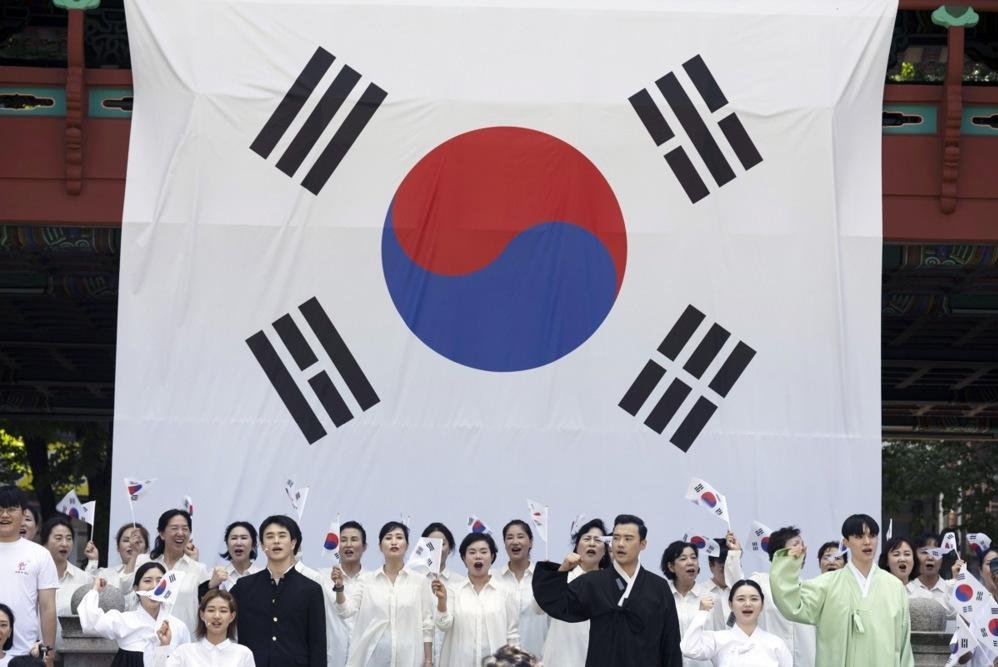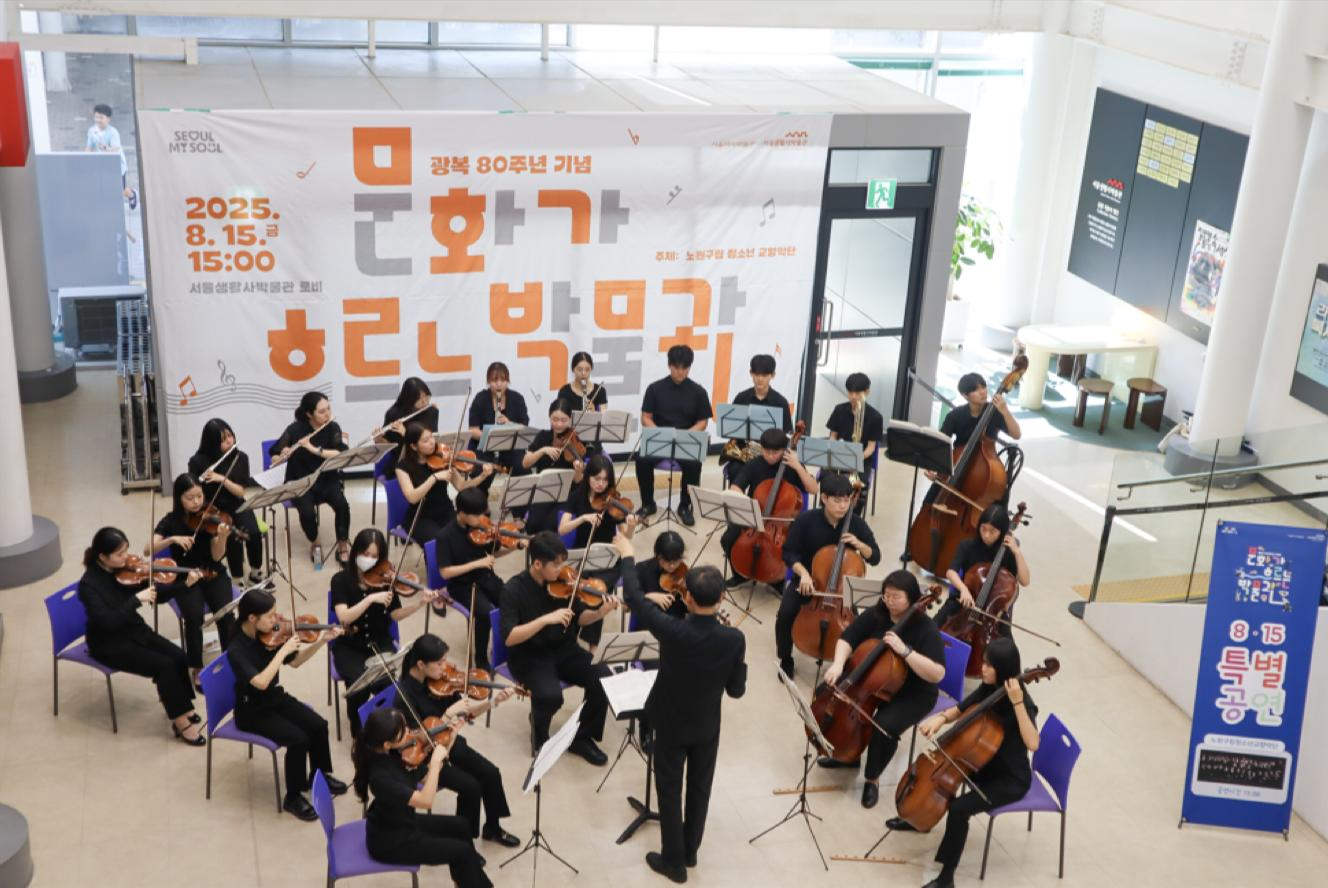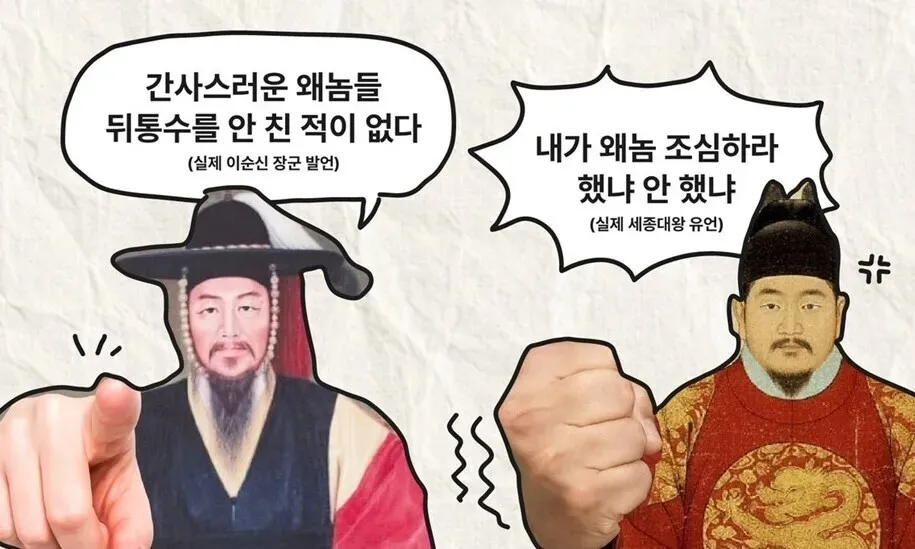
Kim Ha-eun, 33, a self-professed “fangirl” of King Sejong, is borrowing a page from K-pop fandom culture to mark Liberation Day this Saturday, renting a café and organizing a “Wipe Out Pro-Japanese Collaborators Café — Mock all Traitors!” event to honor those who fought to protect Korea and call for the eradication of Japanese collaborators.The event is a spinoff of the “birthday café” events that K-pop fans use to mark their favorite idol’s birthday.“While history should not be treated lightly, it also should not feel unapproachable,” she said. “I hope that people enjoy the event and take the opportunity to stop by Independence Gate, which is right nearby.”Liberation Day means a great deal to Kim as a fan of King Sejong, one of Korea’s most beloved former kings. “What King Sejong said in his will really made a lasting impact,” she said, referring to his apparent warning to others to be cautious when dealing with the Japanese in his will — 42 years before the Imjin War and 460 years before Japan’s colonial rule of Korea. Ahead of the 81st anniversary of Korea’s liberation from Japan, young Koreans are reflecting on the meaning of liberation in playful and unique ways. While some, like Kim, plan events that are profound while also being entertaining, there are other enthusiastic attempts to infuse the historical significance of Liberation Day into hobbies such as cosplaying and running. The “Wipe Out Pro-Japanese Collaborators” café, planned by Kim and other acquaintances in their early 30s, will be held in a coffee shop in the Okbaraji Alley near Seoul’s Independence Gate, also known as Dongnimmun. Many family members of the independence fighters jailed in Seodaemun Prison stayed in that alley to provide support. As the event aims to be goofy while still emphasizing the importance of liberation, a myriad of goodies will be available for all those who drop by. To mock Lee Wan-yong, a noted Japanese collaborator, the event planners made a stress ball in the shape of a liver with Lee’s name on it — a reference to a Korean saying about how Lee sold out his country “liver, gallbladder and all.” Also available will be fidget clickers shaped like Yi Sun-sin’s turtle ships and tea coasters with warped images of Lee’s face. The drinks provided also have unique names, such as “Gabae-ricano,” (Gabae being the modern Korean word for coffee), “Red Blood of the Japanese Army” (omija tea), and others. “We watched documentaries and explored all kinds of resources to learn more about our history. I think all Koreans can agree that we owe a great deal to those who fought for independence, and that if we want to move forward, we also need to come to terms with our past,” Kim said. The café isn’t the only creative way people are weaving the meaning of Liberation Day into their existing hobbies. One such example is the “Liberation Day” Comic World event taking place from Saturday to Sunday. At this convention, fans of various comics will either cosplay or set up booths to sell fan merch or original goods. While this kind of subculture cannot deny its relationship to Japan, the event will have various booths focusing on the Korean national flag or liberation. Many participants have indicated that they will cosplay as independence fighters or righteous soldiers through social media. In a YouTube video released on Saturday, the Ministry of Patriots and Veterans Affairs and SK Telecom unveiled new running courses that they created based on records of Korea’s freedom fighters that take runners through areas where independence activists once went about their lives, drawing an enthusiastic response from runners who said they wanted to run on the courses to pay homage to the freedom fighters.Habitat for Humanity Korea will also hold its annual 815 Run for charity, which it established in 2020. All participation fees and donations will go to home improvements for the descendants of independence activists. “There’s more to history education than books and textbooks,” says Seo Kyoung-duk, a professor at Sungshin Women’s University. “The fact that younger generations are using the things they like to honor and shine a light on independence activists and Liberation Day should be seen as a positive thing.”
Stress balls, runs, cosplay: How young Koreans are marking Liberation Day in their own unique ways
Saturday, Aug. 15, marks 81 years since Korea’s liberation from Japan
704 words~3 min read