Methadone clinics are finally getting their report card.
In 2024, with the specialized addiction treatment providers facing backlash from patient groups and scrutiny from lawmakers, the federal government issued a long-awaited overhaul of regulations that determine how the clinics operate.
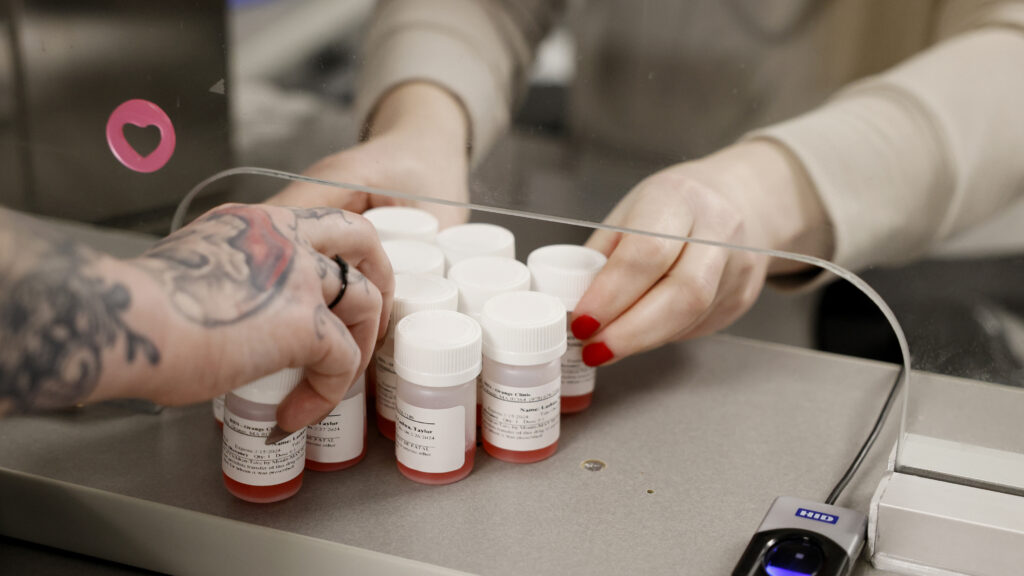
The changes included greater flexibility over “take-home” medications, and stressing that counseling should be offered to patients but not required as a condition of receiving their medication.
The real question, however, was never how big the regulatory changes would be. It was whether clinics, and the state-level agencies that oversee them, would make the sweeping cultural shift. In recent months, a picture has finally begun to emerge. According to data collected by industry groups and the federal government, a significant share of opioid treatment programs, as the clinics are known, have implemented major changes.
“A significant majority of OTPs have incorporated the changes,” said Mark Parrino, president of the American Association for the Treatment of Opioid Dependence, a New York-based advocacy group that represents methadone clinics. “I’d say more than 75% of the programs have, in fact, provided more take-home medication … and the result has been, as the study captured, that retention in treatment has significantly increased.”