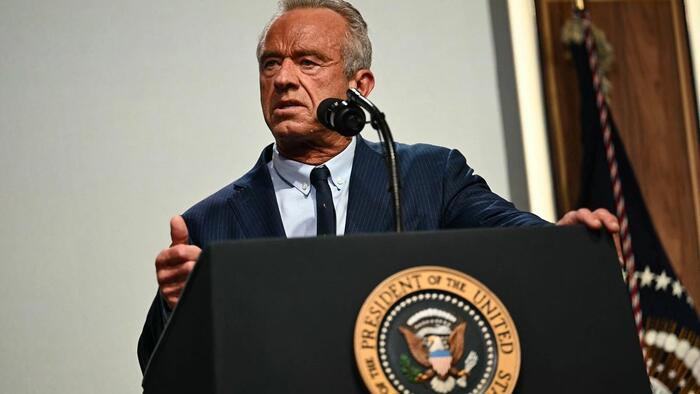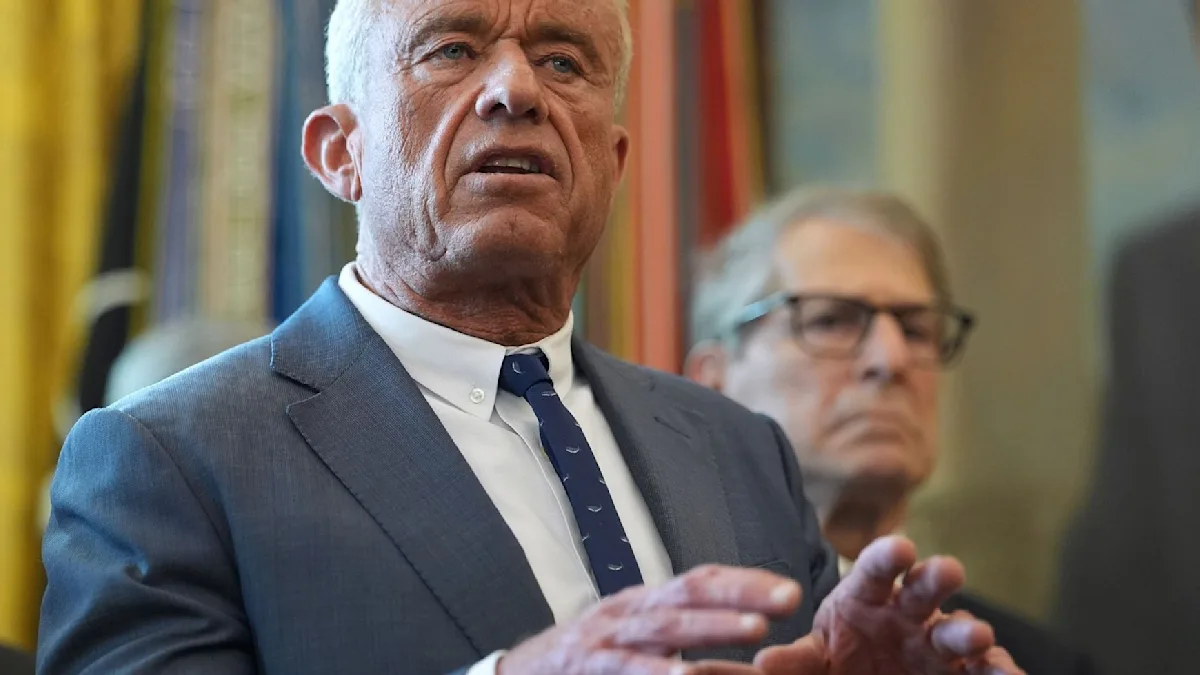
When Robert F. Kennedy Jr. took office in February 2025, he broke new ground as the first health secretary openly in recovery from addiction to drugs and alcohol.
At a public appearance soon after, he delivered precisely the message that many substance use experts had hoped to hear: that evidence-based medications for treating opioid addiction, in particular, would remain essential components of the country’s response to its drug overdose crisis.
“We have to do all of the nuts-and-bolts things that you are all involved with, the practical, pragmatic things,” Kennedy said to applause from doctors, patients, and drug policy professionals in April 2025 at the Rx Summit in Nashville. “We need Suboxone, we need methadone, we need naltrexone, we need Narcan.”
In the past year, however, the Trump administration has taken a decidedly more negative tack on medications for opioid use disorder, setting off alarm bells among public health experts, addiction physicians, and patient groups.
In April, the Substance Abuse and Mental Health Services Administration issued a “Dear Colleague” letter cautioning against the long-term use of methadone or buprenorphine, the drug commonly referred to as Suboxone.