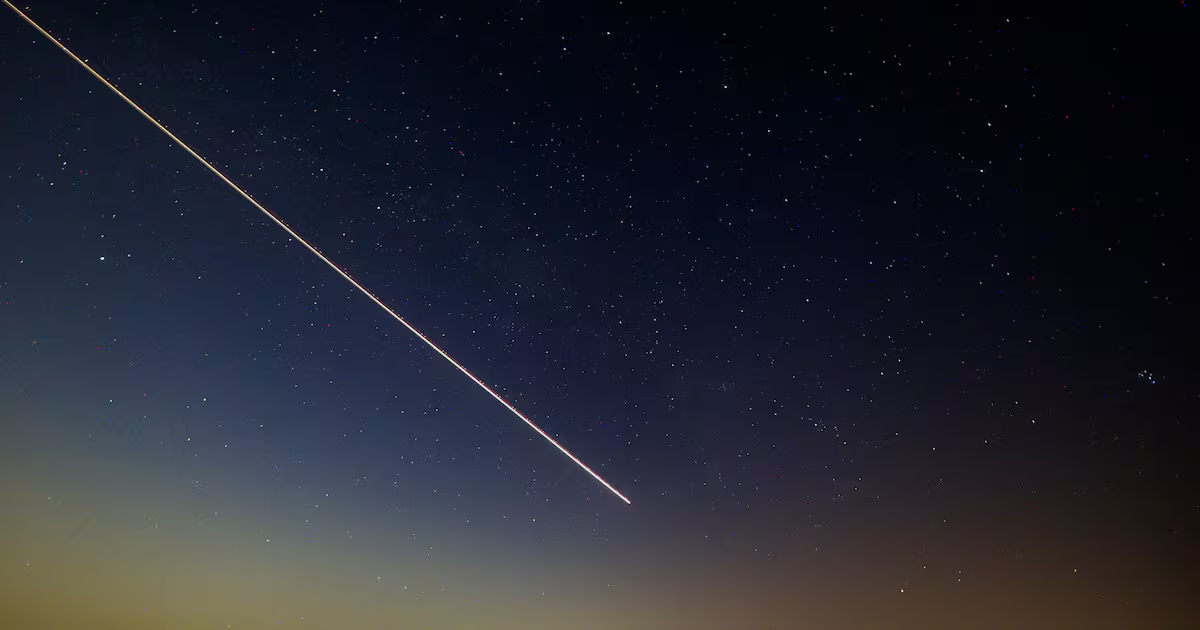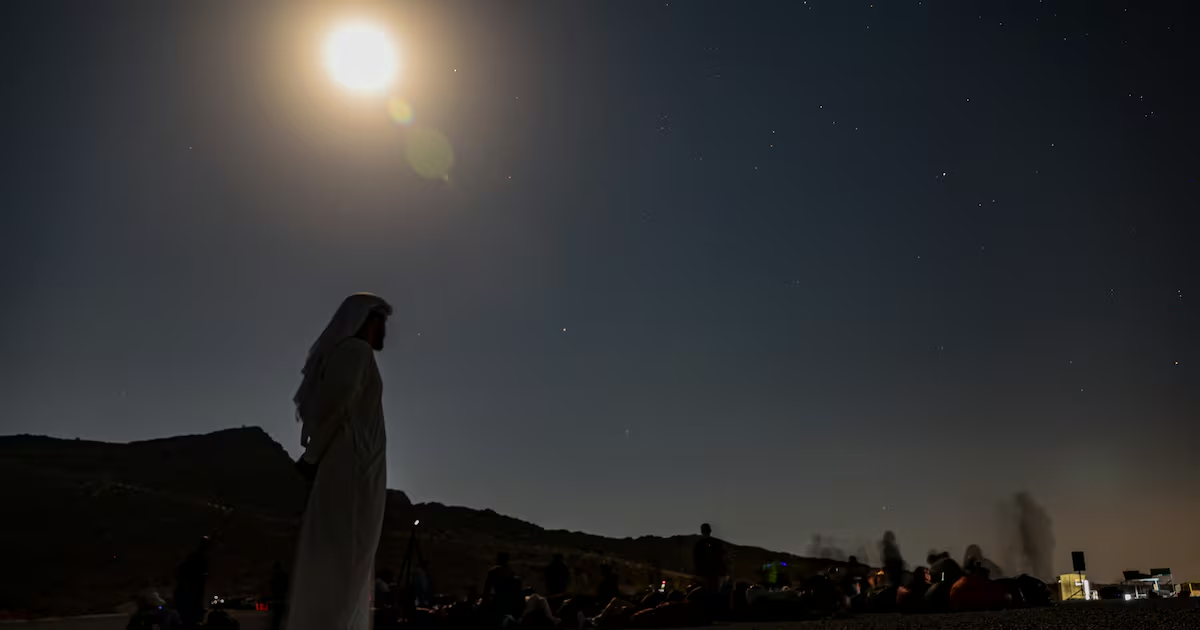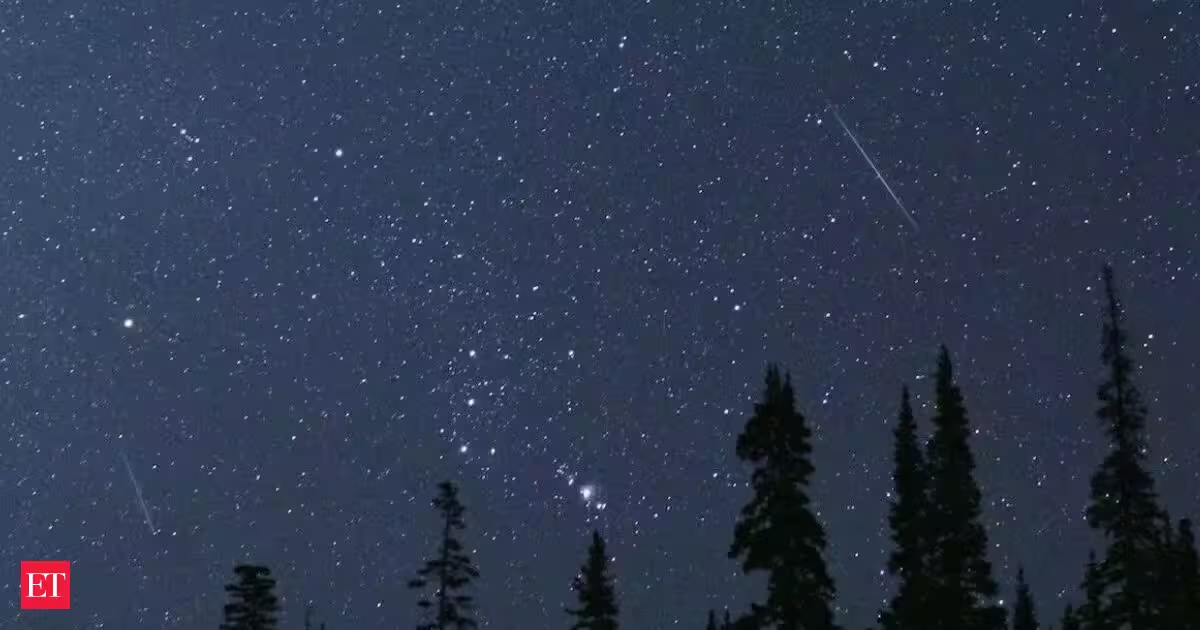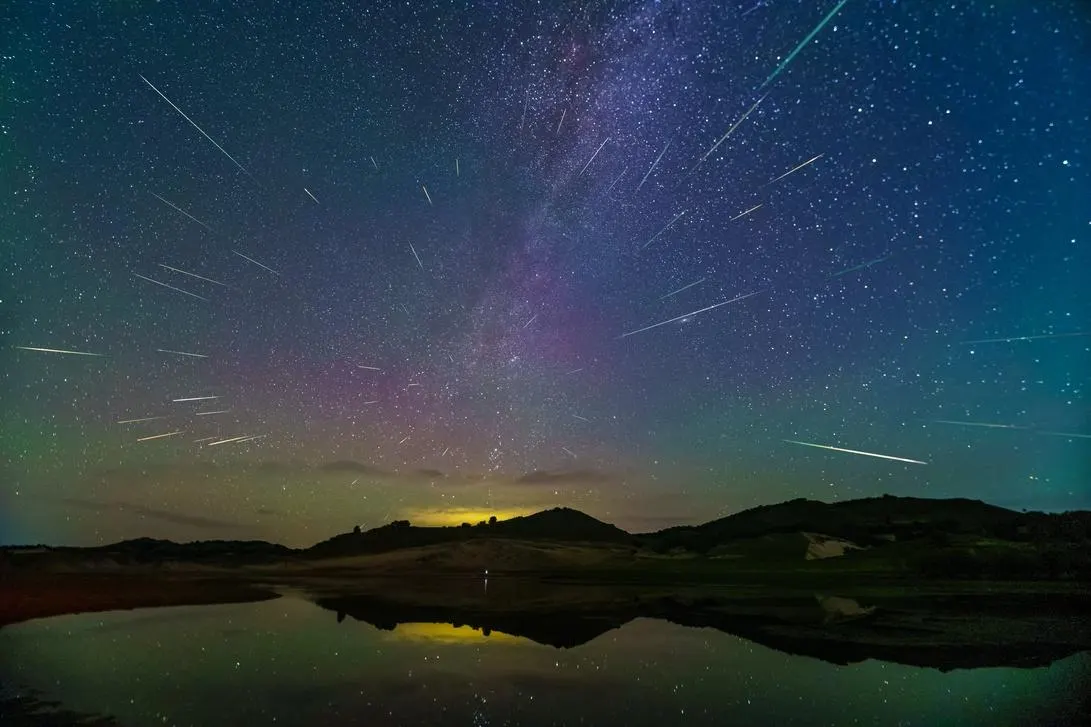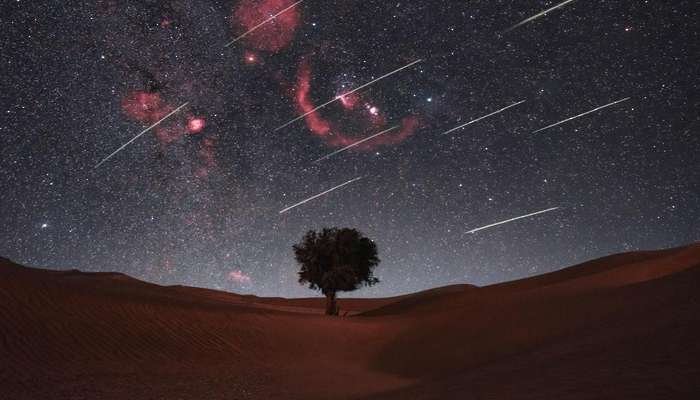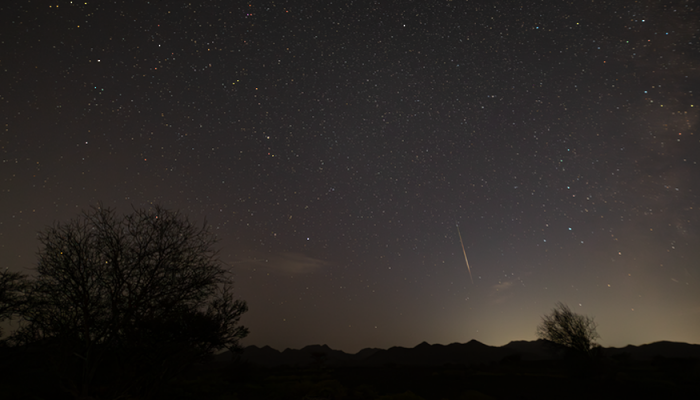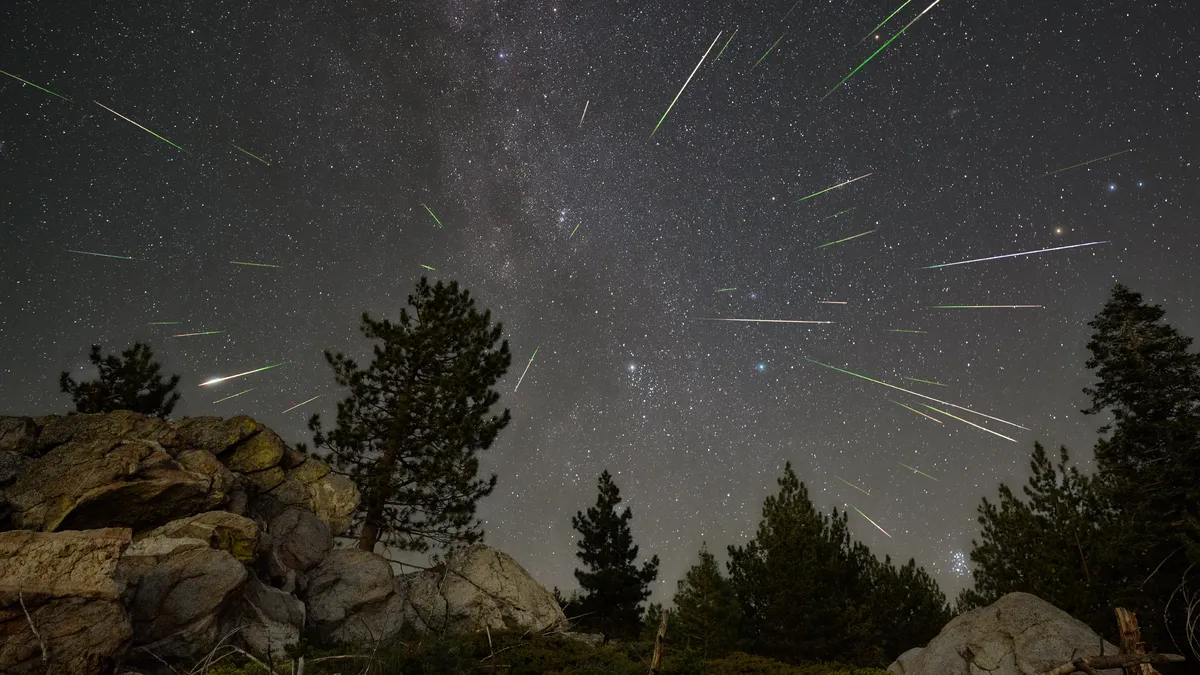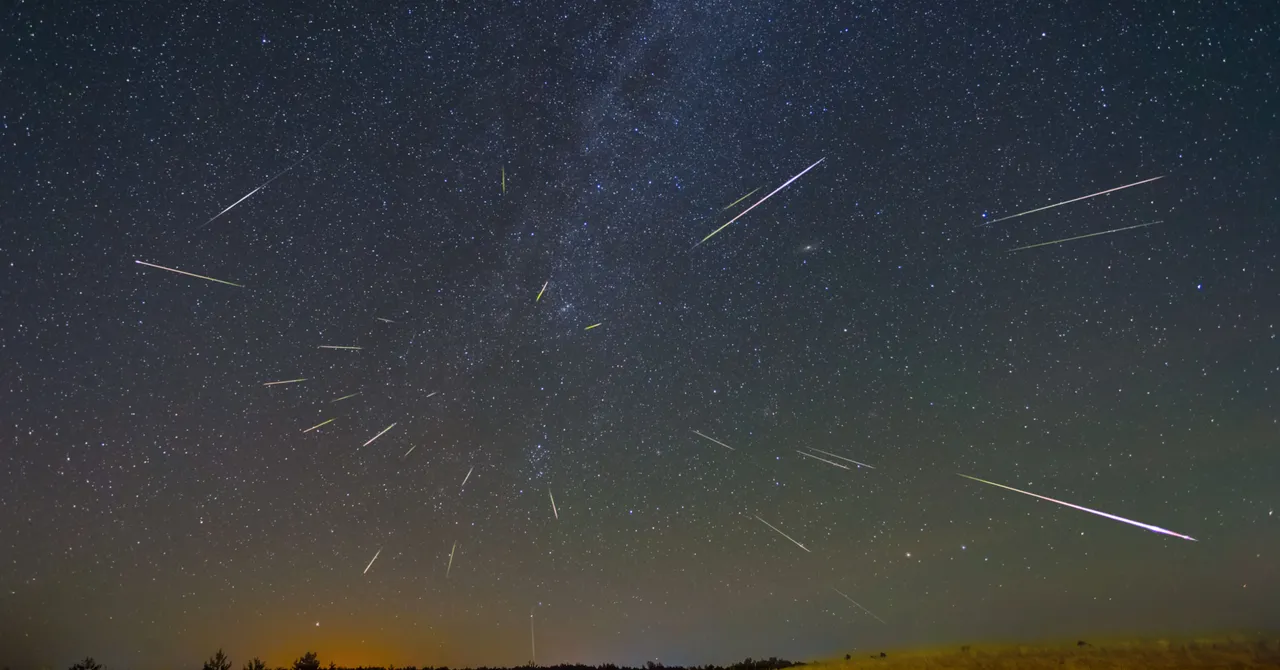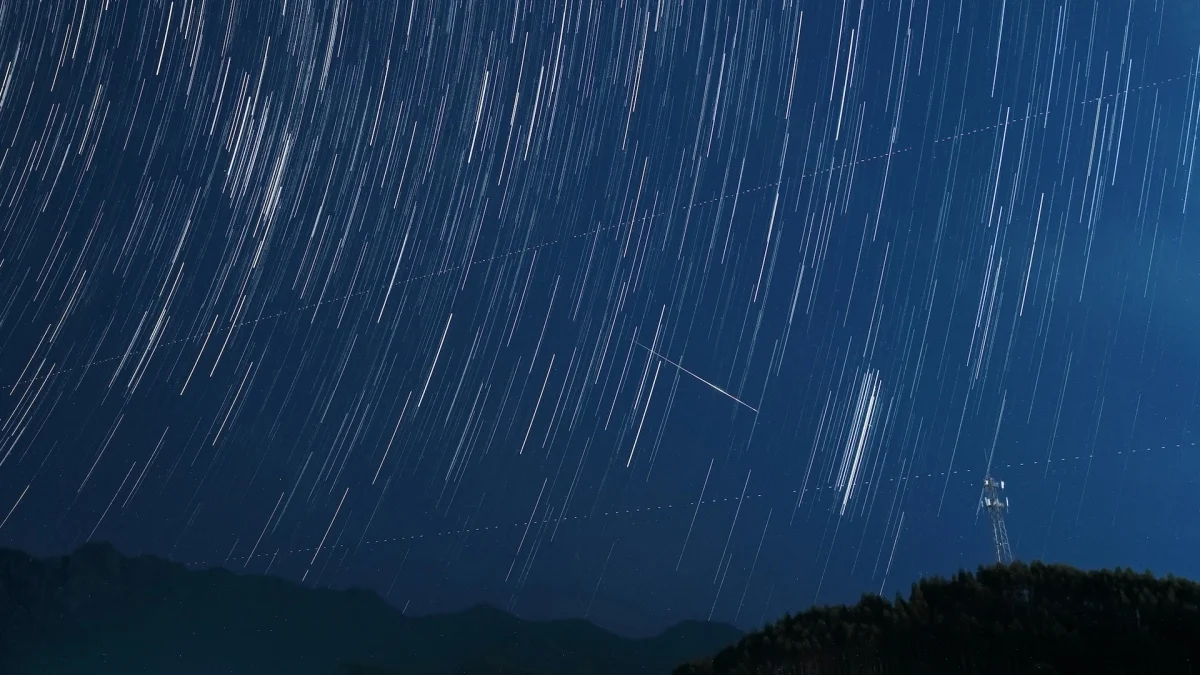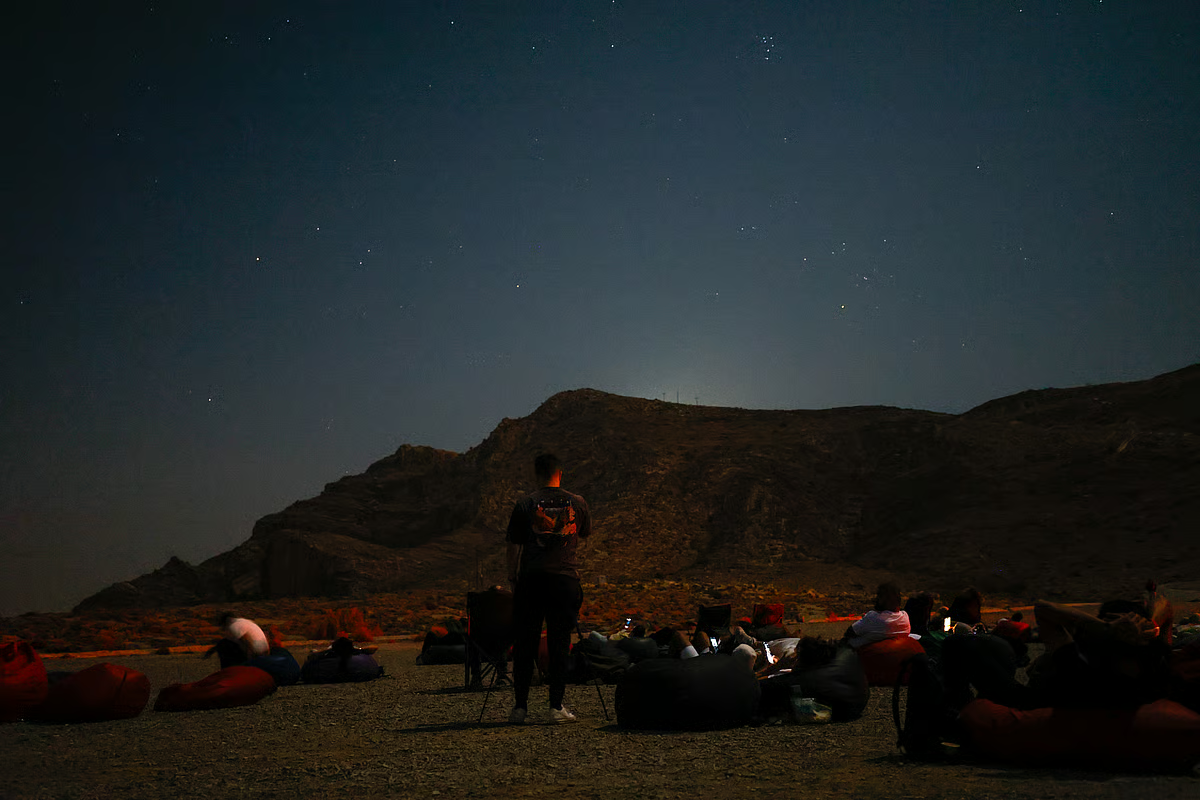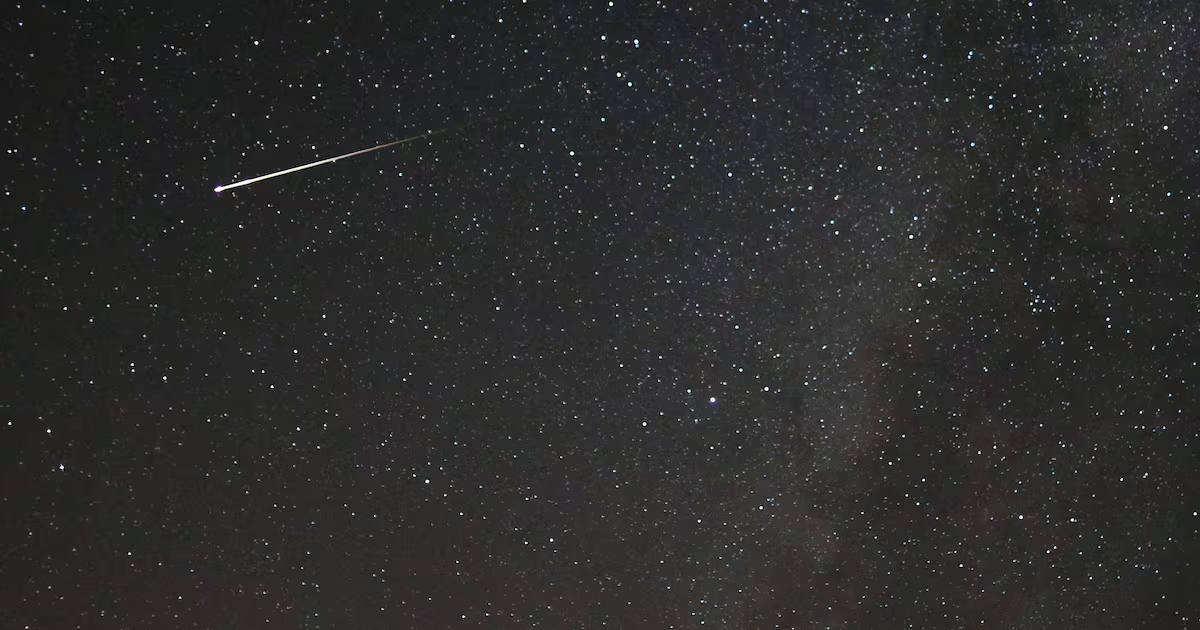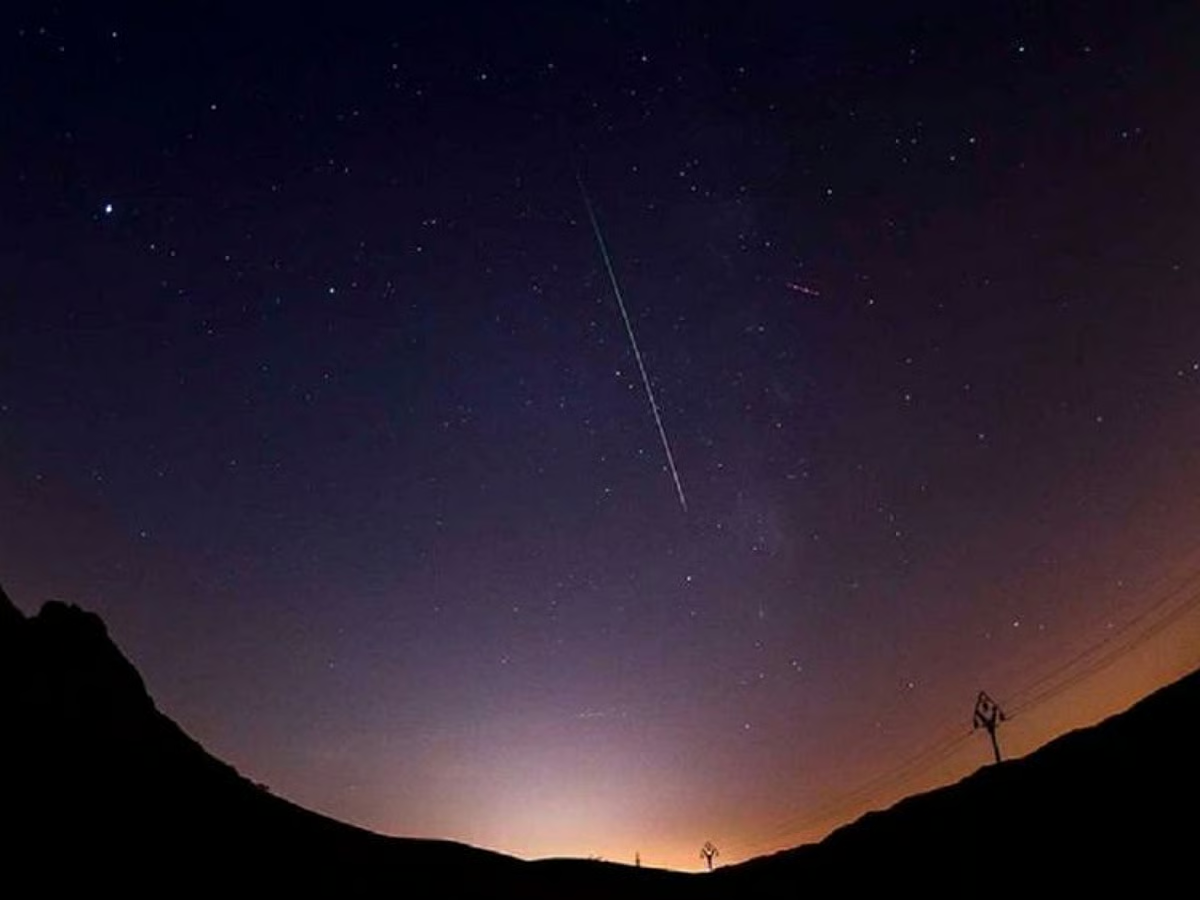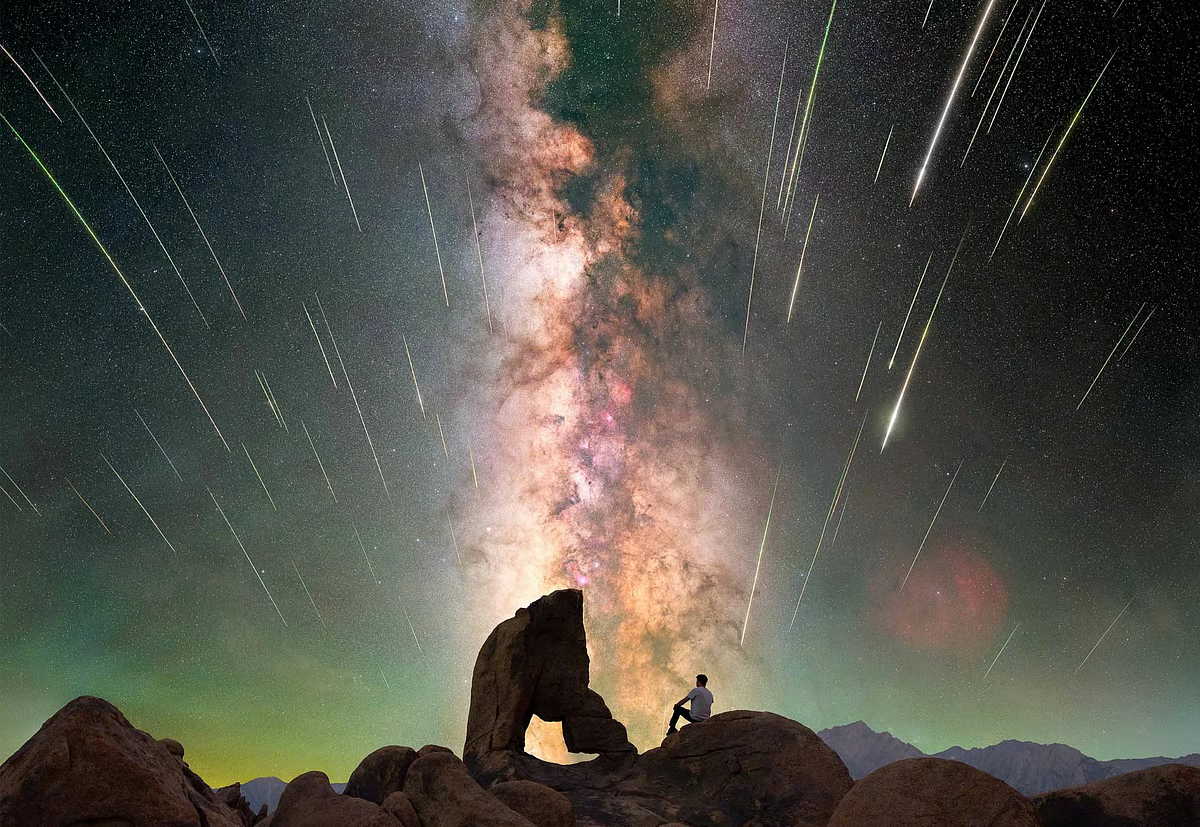
From eclipses to meteor showers, where to watch the UAE night skyLast updated: August 14, 2026 | 10:062 MIN READEnthusiasts and stargazers were in for a celestial treat as the annual Perseid meteor shower returns, with a display of "shooting stars" across the night sky during an event hosted by Dubai Astronomy Group at Jebel Jais in Ras Al Khaimah. Virendra Saklani/Gulf NewsThe next major meteor shower: the Orionids in October. This will be followed by the Leonids in November and the Geminids in December — with the latter among the strongest and most reliable meteor showers of the year.For anyone who missed the Perseids, there is also a penumbral lunar eclipse on August 28, 2026. It will be subtle, with the Moon setting soon after the eclipse begins in the UAE, so it is more of a bonus for dedicated skywatchers than a major spectacle.Get it: Fast, verified news for FREE ... download the Gulf News app — simply click here But you don't have to wait for a meteor shower.On a clear, moonless night, some of the UAE's deserts offer spectacular views of the Milky Way, planets, constellations and occasional shooting stars.The rule is simple: the darker the sky, the more the stars you see.The next big UAE sky showsThe Geminids are the big one to circle on the calendar. The American Meteor Society lists a peak rate of up to about 120 meteors an hour under ideal conditions, although actual rates seen from any particular location will be lower.For all meteor showers, don't expect the sky to fire off stars continuously. Meteor activity comes in bursts, and light pollution, haze, clouds and moonlight can dramatically reduce what you see.EventBest datesBest timeWhat to expectPenumbral lunar eclipseAug. 28Before sunriseSubtle darkening of the MoonOrionidsOct. 21–22After midnight–dawnFast meteors from Halley's CometLeonidsNov. 17–18After midnight–dawnFast meteors; occasional bright fireballsGeminidsDec. 13–14Late night–dawnBright, colourful and plentiful meteorsThe UAE sky calendarAug. 28 — Penumbral lunar eclipseA subtle event visible around dawn, with the Moon close to the western horizon.Oct. 21–22 — OrionidsFast meteors associated with Halley's Comet.Nov. 17–18 — LeonidsKnown for occasional spectacular meteor storms, although most years produce more modest activity.Dec. 13–14 — GeminidsThe one to circle. One of the year's strongest annual meteor showers, capable of producing bright and colourful meteors under dark skies.If you don't want to plan everything yourself, the Dubai Astronomy Group maintains a calendar of guided stargazing and meteor-shower events, including its scheduled Leonids and Geminids nights at Al Qudra.What you needYou don't need an observatory, an expensive telescope or a professional camera to experience the UAE's night sky.You need darkness, clear weather, patience — and a safe place to park.For the easiest trip (from Dubai), choose Al Qudra.For families and a more organised experience, choose Mleiha.For serious Milky Way hunting, make the long drive to Al Quaa.For mountains and cooler air, choose Jebel Jais.And for the biggest meteor-show payoff later this year, mark Dec. 13–14 for the Geminids now.Also In This PackageGet Updates on Topics You ChooseUp Next
Missed the Perseids? UAE night sky has more to offer — save these dates
Plan your UAE stargazing with key dates for Orionids, Leonids, Geminids and a lunar eclipse, plus the best desert locations for dark skies.
499 words~2 min read