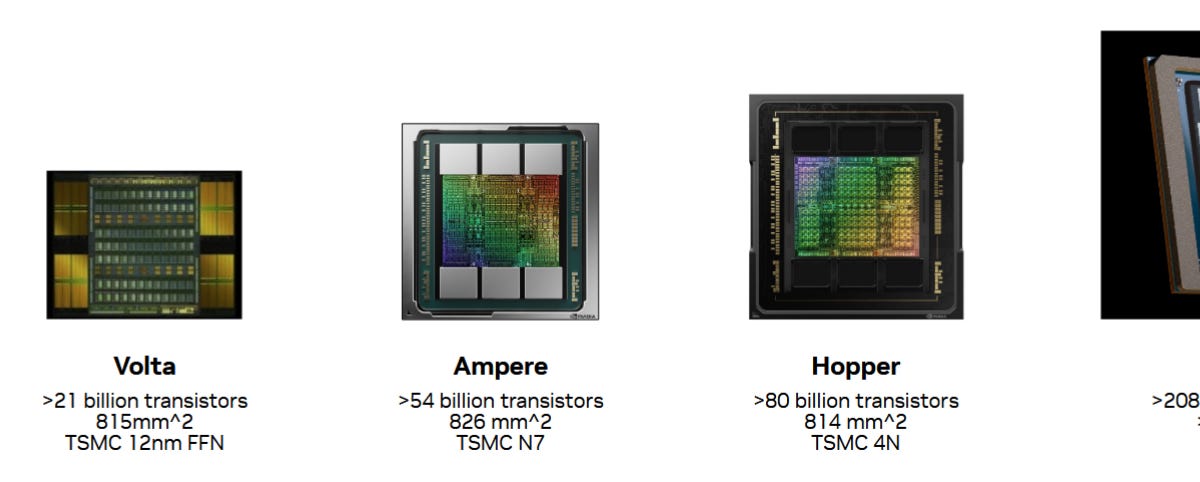
If you have spent any time provisioning AI infrastructure over the last few years, you have watched the ground shift under you more than once. A100. Then H100. Then H200. Now Blackwell and Rubin are showing up in every procurement conversation.
It is a lot to track. So here is the roadmap laid out plainly, generation by generation. The context in this will help you when you are the one deciding what to run your workload on.
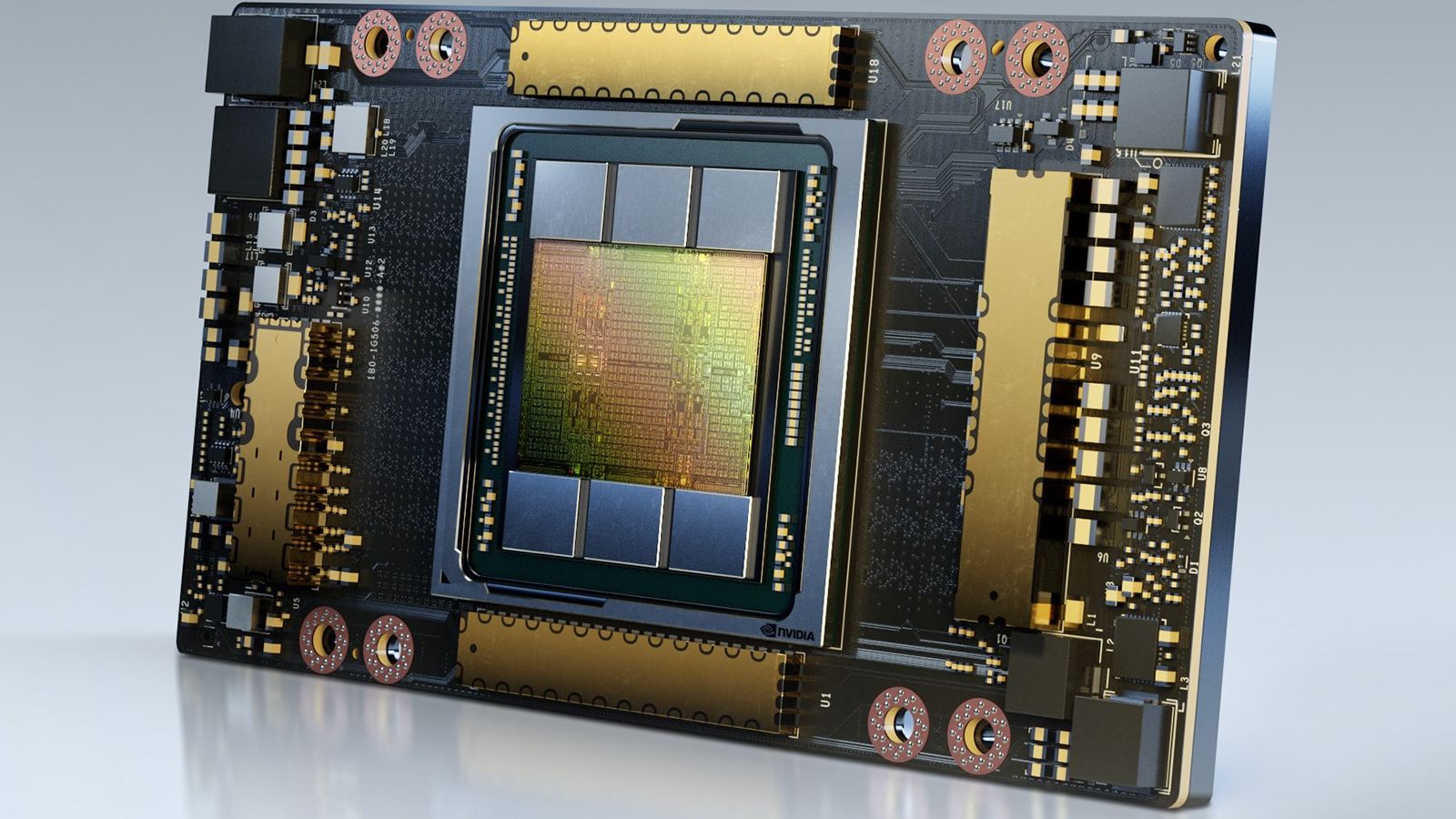
Quick answer: NVIDIA's data center GPUs have moved through four major architectures in recent years: Ampere (A100), Hopper (H100 and H200), Blackwell (B200 and B300), and now Vera Rubin, arriving through the second half of 2026. Each generation brings more memory, faster interconnects, and lower-precision compute formats built specifically for AI workloads.
Why this roadmap matters more than a typical spec bump
In consumer hardware, a new generation usually means "faster." In data center AI hardware, a new generation usually means a workload that used to need four GPUs now needs two, or a model that used to require careful partitioning across chips now fits on one.