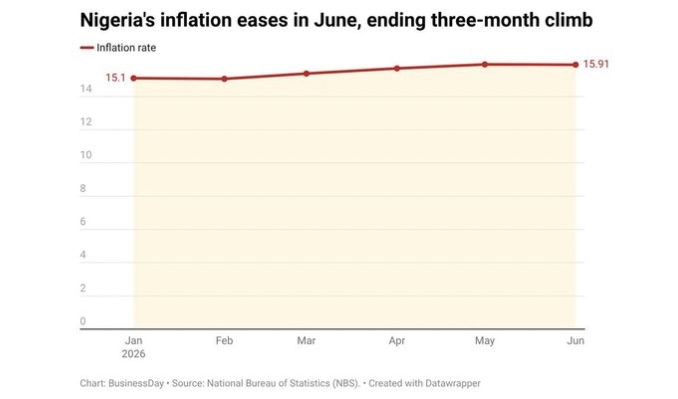
Nigeria’s inflation story has changed dramatically over the past year. The country is no longer battling runaway price growth; it is confronting a more difficult challenge: convincing households that economic stability matters when the cost of living remains painfully high.
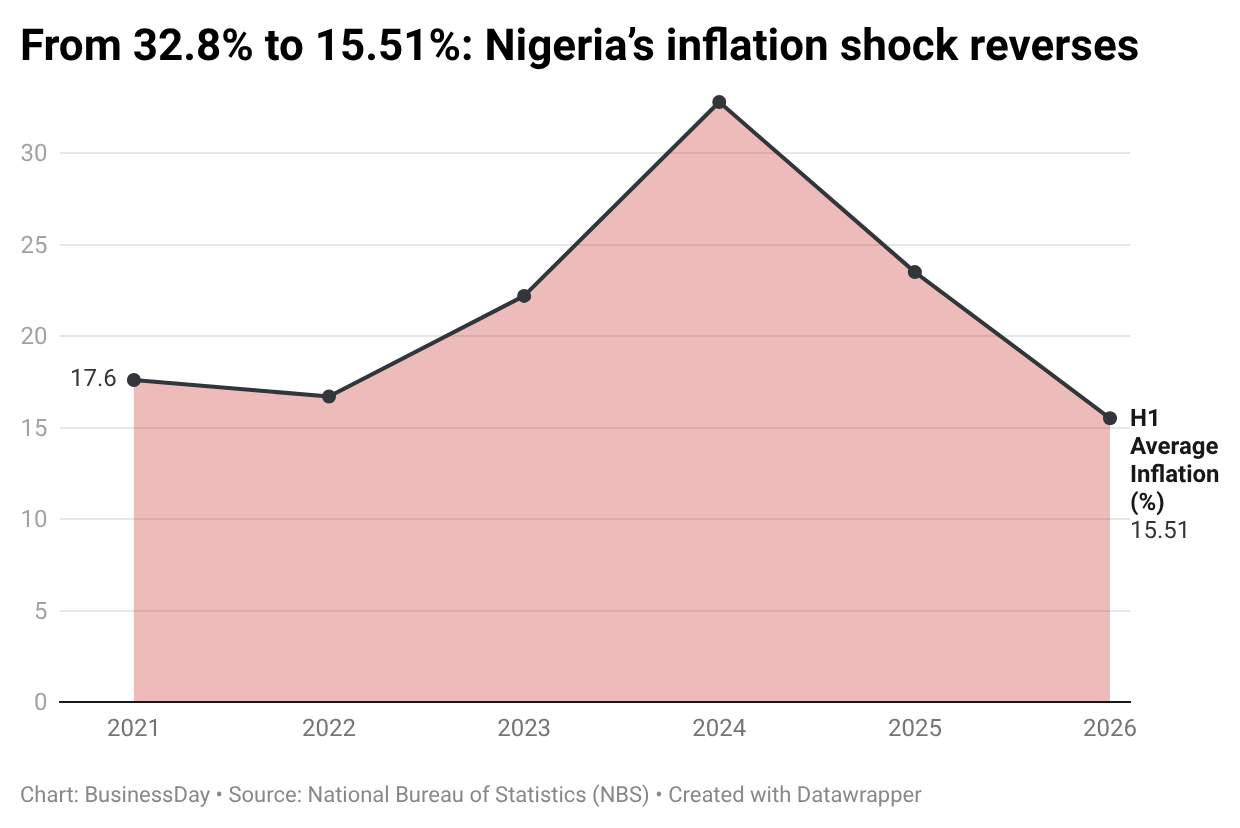
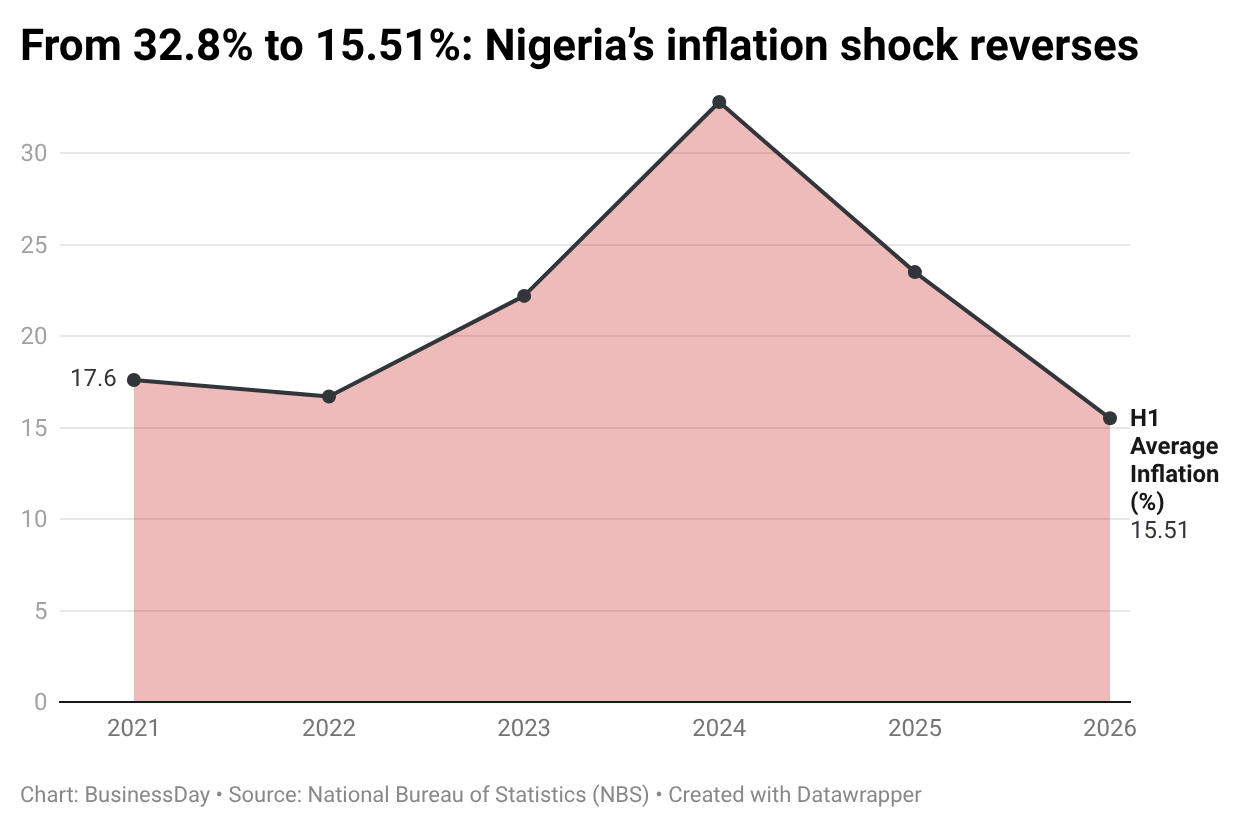
Average inflation fell to 15.51 percent in the first half of 2026, down from 23.47 percent a year earlier and well below the 32.77 percent recorded during the inflation shock of 2024. By any macroeconomic measure, that is substantial progress. For millions of Nigerians buying food, paying rent or commuting to work, the relief remains largely invisible.
The disconnect lies in a distinction that economic headlines rarely explain. Inflation measures how fast prices are rising, not how high prices already are. A lower inflation rate slows the pace of increase; it does not reverse the surge that has already reshaped household budgets.
This is why the optimism surrounding disinflation has collided with widespread public scepticism. Nigerians are not rejecting the data; they are responding to a different reality. The price of rice, transport fares, electricity bills and school fees remains far above pre-2024 levels, even if those prices are no longer rising as rapidly.