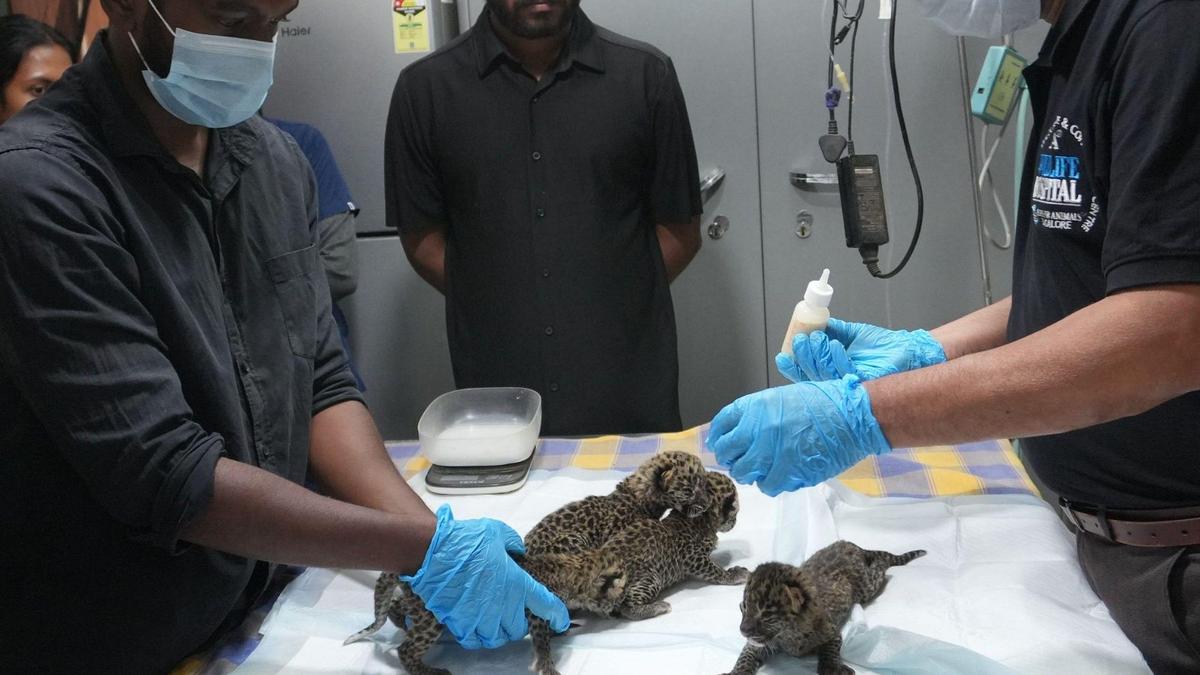
Prosthetics for peacocks, electro acupuncture for snakes and implants for the de-feathered may seem far-fetched, but are all in a day’s work for the good folk at Bengaluru’s People For Animals Wildlife Hospital (PfA).PfA has been working behind the scenes in Bengaluru for the past 30 years, quietly rescuing, rehabilitating and releasing, furred and feathered friends in need of medical attention. Col. Navaz Shariff (retd), PfA’s general manager and chief wildlife veterinarian, talks about their rescue of a seven-month-old leopard cub hit by a bike.With experience comes practical knowledge that may not always be found in the guidebooks. Though the cub sustained a head injury, it was not fatal and he soon recovered under PfA’s care. Protocol dictates rescued leopard cubs have to be handed to the Bannerghatta Biological Park.
Navaz feeds a leopard cub at PfA
| Photo Credit:
Special Arrangement
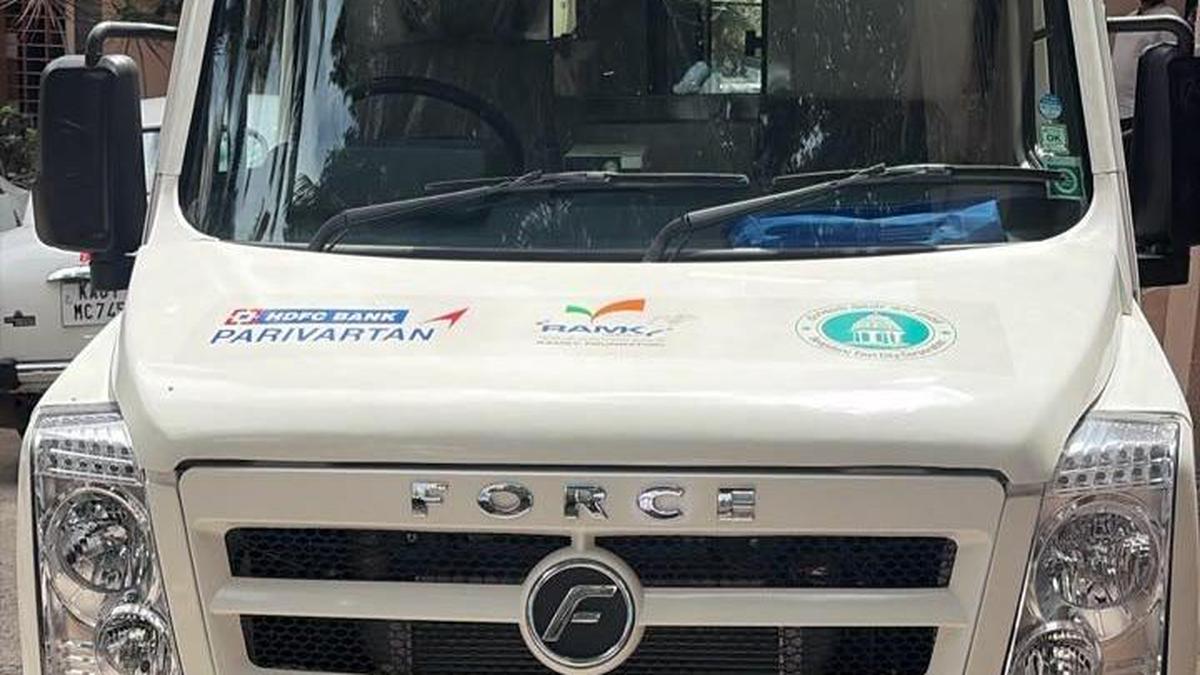
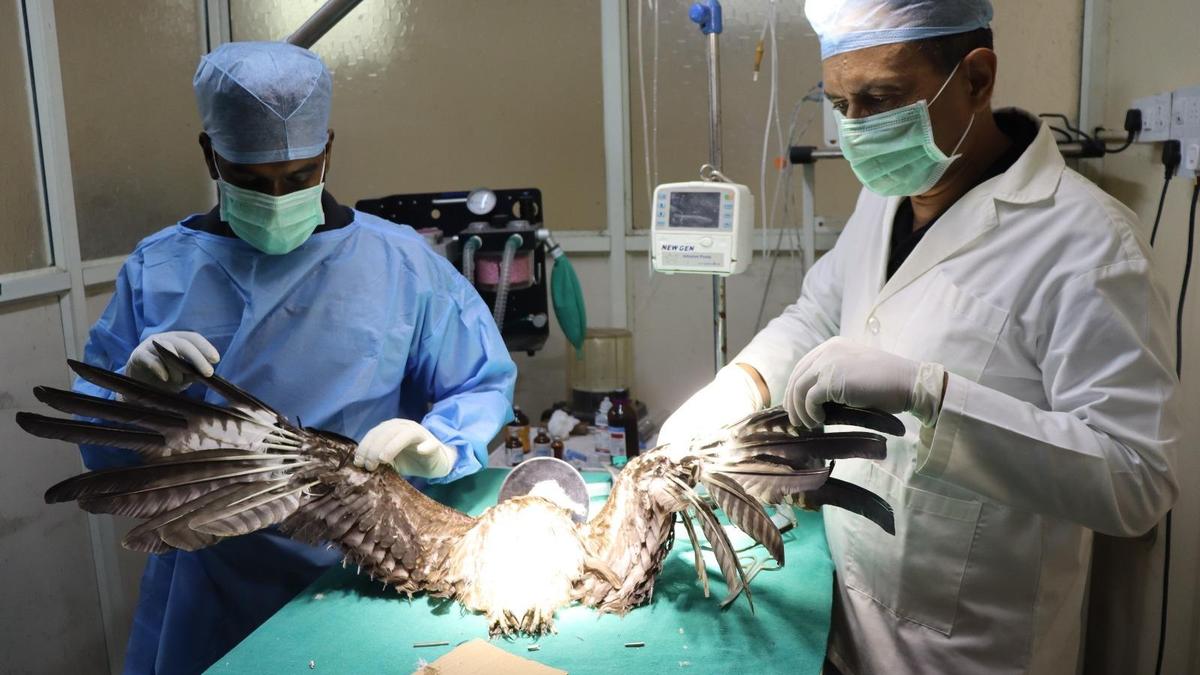
“But, we had seen the mother and her cubs in that area before so we tried to reunite them. After consulting with the chief wildlife warden we recorded the cub’s sounds and spread his urine in areas frequented by the mother. Though we played the cub’s soundbites over loudspeaker in those areas, she didn’t show up. But since the cub was healthy we released him into the forest and soon found out he was back with his mother and sibling.”Over the years, PfA has developed an aquatic rescue team with a motorised boat; with a four-wheeler equipped with medical supplies and a vet assigned to duty daily, the team is ready to take up rescue operations on all manner of terrain.Another feather in their hatNavaz patiently explains the science of imping or feather implantation. “Birds caught in manja or plastic webbing flap their wings frantically, making their situation worse and they lose a lot of feathers in the struggle.”“We put up boards in Kannada and English around Vijaynagar with boxes attached below, telling passersby to deposit feathers they find. Volunteers bring these to us on a weekly basis; we vacuum clean and store them. Today, we have the feathers of around 32 species including common ones such as peahens and peacocks, owls and parakeets,” he says, adding this might be the only feather bank in the country.“We make a receptacle for the donor feather and using surgical glue we implant it. Each operation takes about two to three hours, and is quite painstaking,” he continues.The team surgically implants the primary, secondary, and tail feathers. After a series of test flights, the bird can be released into the wild. Over time, as the bird regains its strength and new, healthy feathers appear, the implanted ones shed naturally.