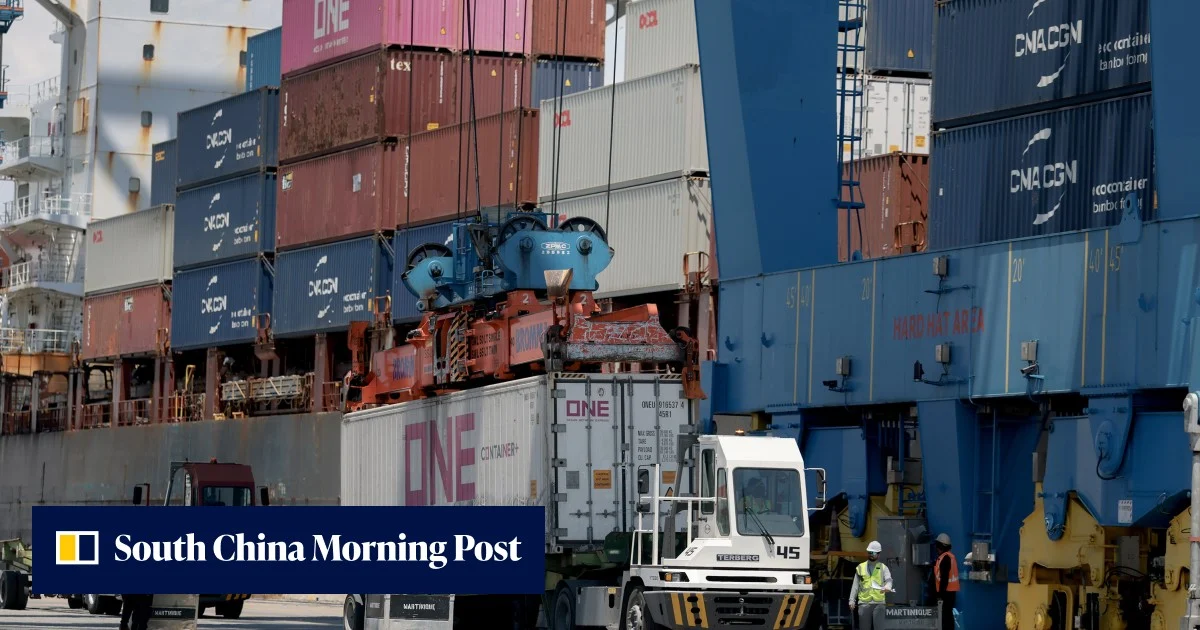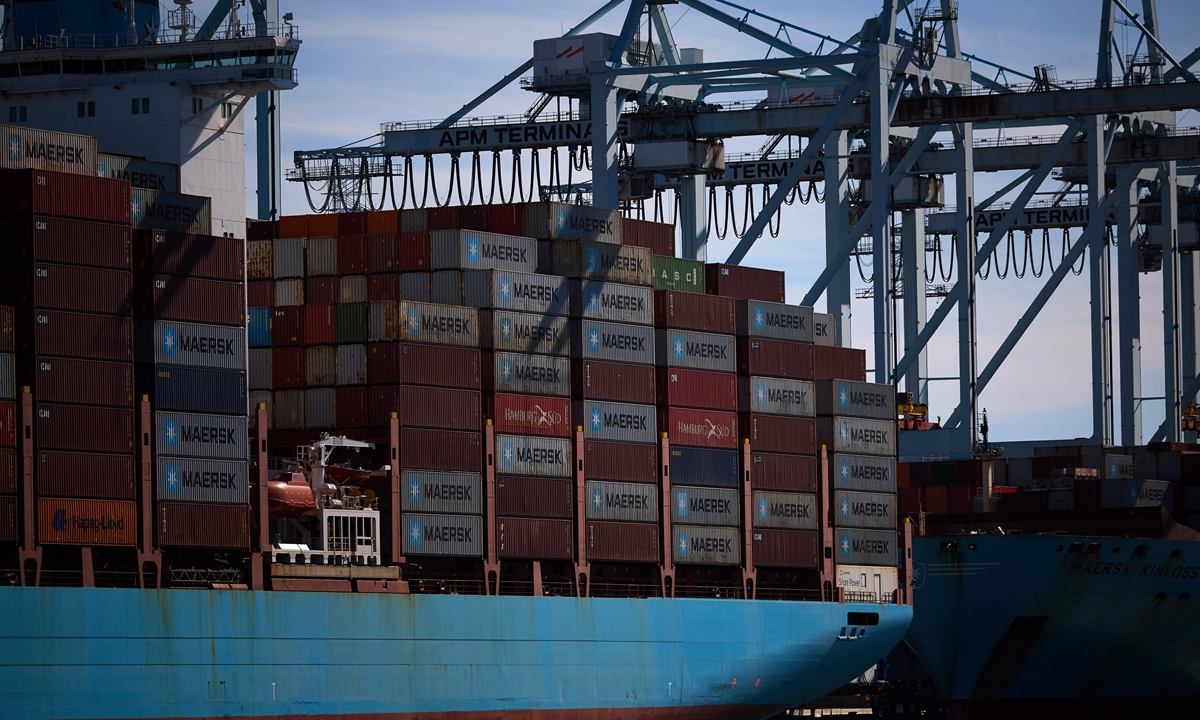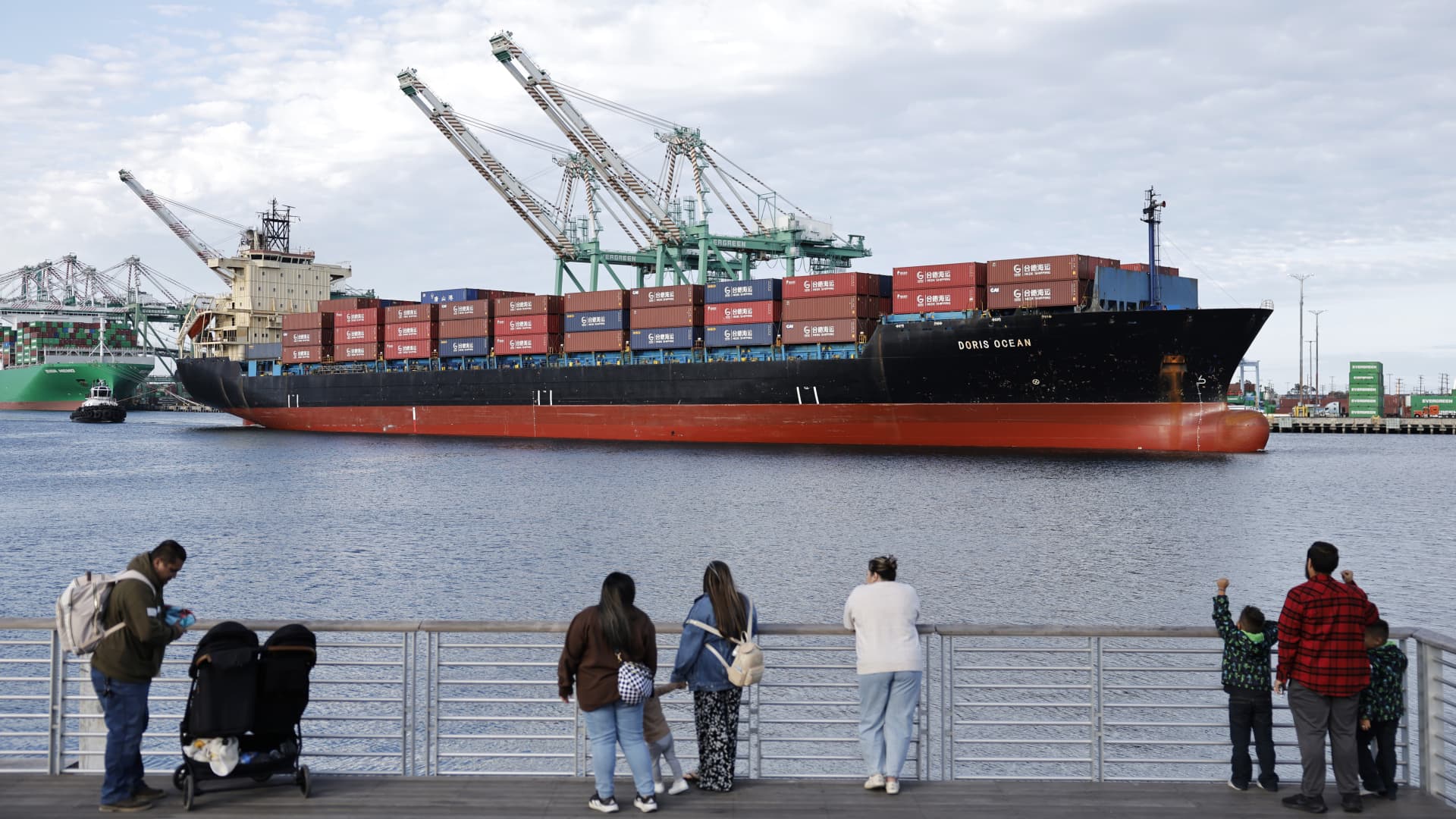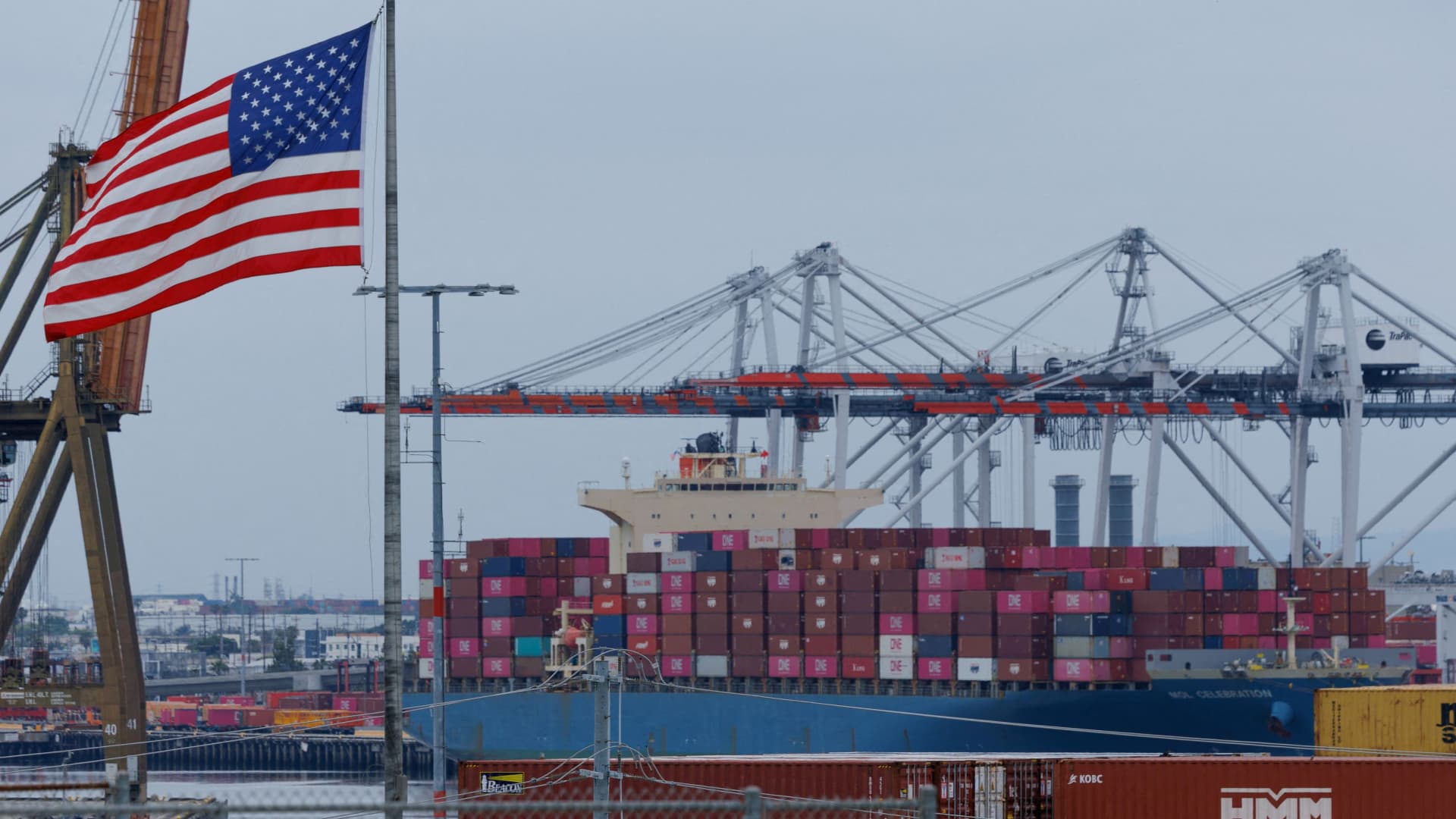
As tariffs and freight disruption make overseas sourcing harder to predict, one of the few large apparel manufacturing hubs left in the U.S. is getting a closer look.On July 23, the Office of the U.S. Trade Representative finalized new Section 301 tariffs tied to forced-labor import rules across 60 economies, with duties of 10% or 12.5%, subject to exemptions. The duties took effect on July 24. On August 12, Reuters reported another sign of shipping disruption: Vessel traffic through the Strait of Hormuz fell to its lowest daily level since August 5 as shipowners avoided the waterway amid continued regional hostilities. Kpler tracked eight vessels on August 11, versus a 10-day average of about 12.
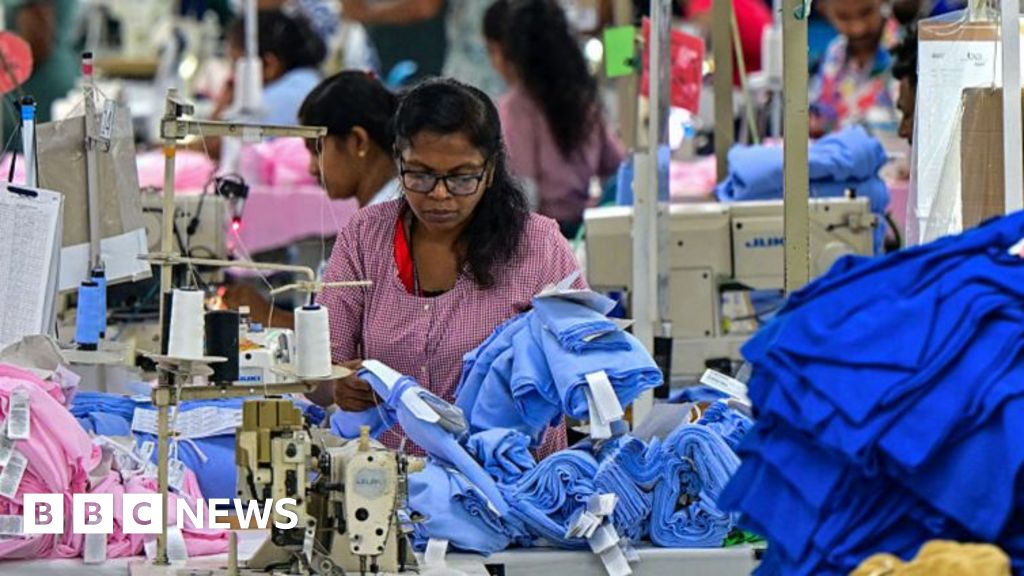
That does not mean fashion brands can simply move overseas production back to the U.S. Most American apparel manufacturing capacity has disappeared over decades. But Los Angeles remains an exception. California is the leading U.S. state for apparel manufacturing, and L.A. remains its main hub, with a concentration of pattern makers, sewers, wash houses, dye houses, fabric suppliers and finishing facilities that is difficult to reproduce elsewhere. Los Angeles accounts for roughly 23% of national apparel-manufacturing employment, as of June 2026, with about 17,000 workers in the Los Angeles-Long Beach-Glendale area out of 72,600 nationwide, according to Bureau of Labor Statistics data. The ecosystem is not without risk: June 2025 immigration raids in L.A.’s Fashion District led to worker absences, reduced factory production and delayed shipments, according to industry reporting.