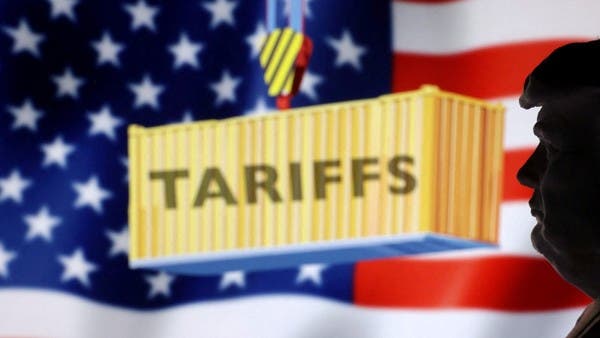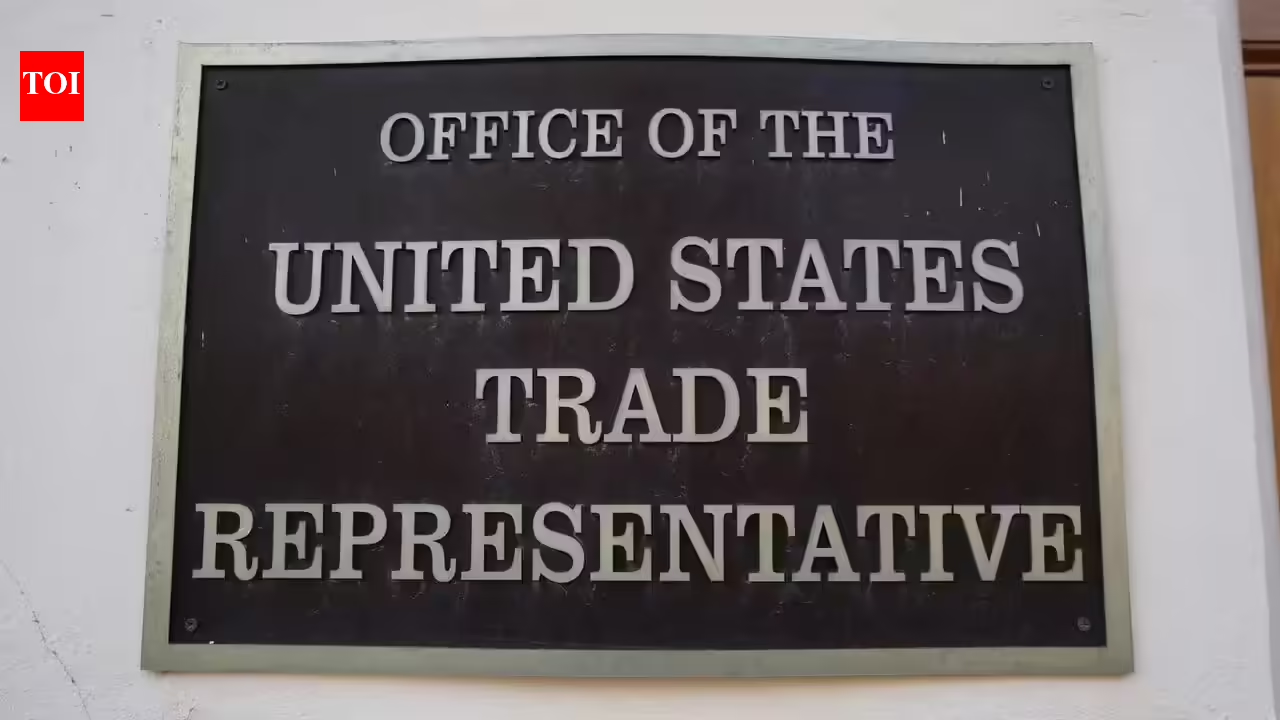
In early June, the Office of the U.S. Trade Representative released its recommendations under a Section 301 investigation of 60 economies over their alleged “failure to impose and effectively enforce a prohibition on the importation of goods produced with forced labor.” The current proposal has a central flaw: it evaluates trading partners by only one criterion, namely, whether they prohibit and enforce restrictions on trade in goods made with forced labor. It does not take into account the risk of forced labor within each country’s own production system.
As a result, USTR recommended that China receive the same 12.5 percent tariff as Japan, Australia, Norway, and Switzerland, despite fundamental differences in the scale, institutional entrenchment, and global reach of its suppression of labor standards. No credible risk-based framework would treat these countries alike.
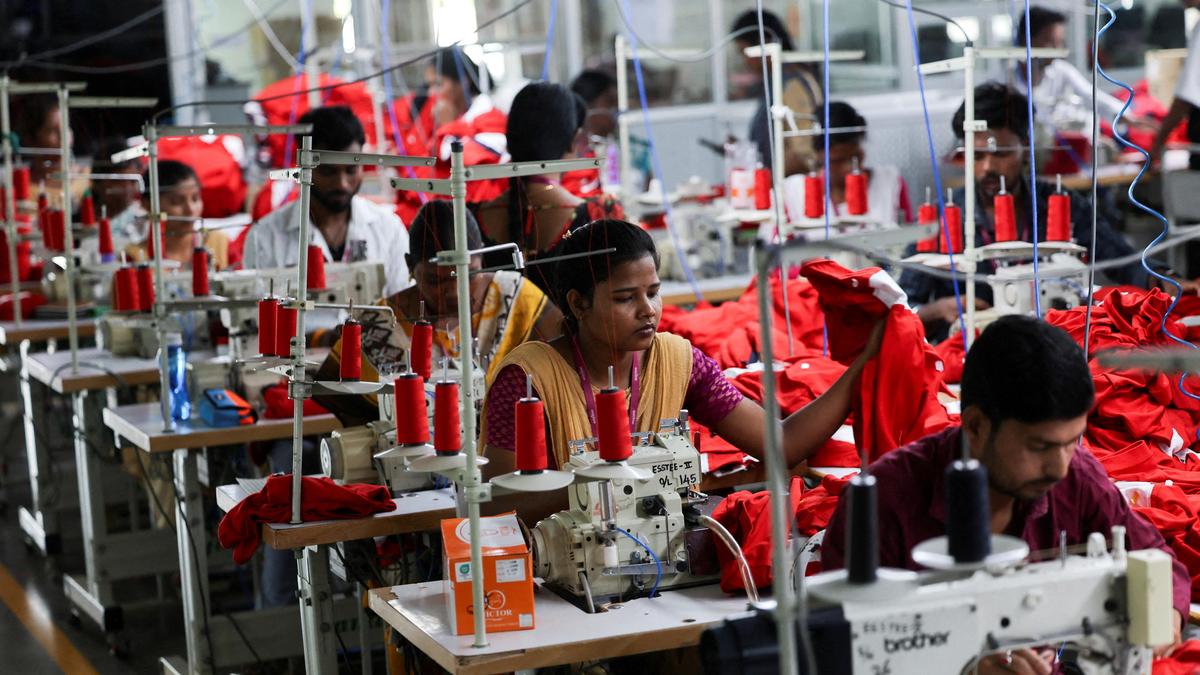
The Section 301 proposal seeks to address trade distortions, but it remains an incomplete solution. If the goal is a fairer global trading system, policy must also address one of the underlying causes of those distortions: the long-standing repression of labor in production itself.
In my view, Section 301 tariffs cannot directly or immediately improve working conditions in the targeted economies; they are not a substitute for labor enforcement. At most, they force governments and firms to confront the true cost of their production model. These economies have little incentive to raise labor standards on their own because much of their competitive advantage rests on suppressing them. A tariff does no more than raise the cost of access to the U.S. market. But where that advantage depends on keeping labor costs artificially low, raising those costs is precisely the lever that matters.