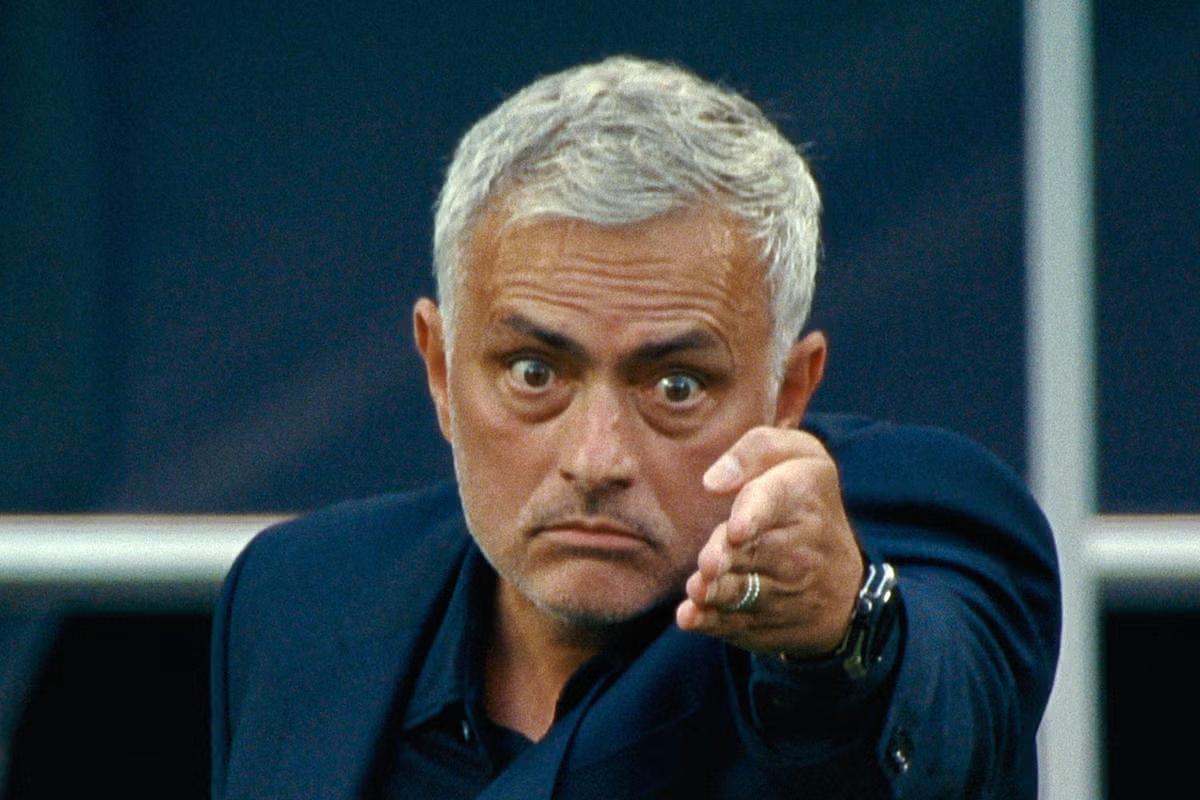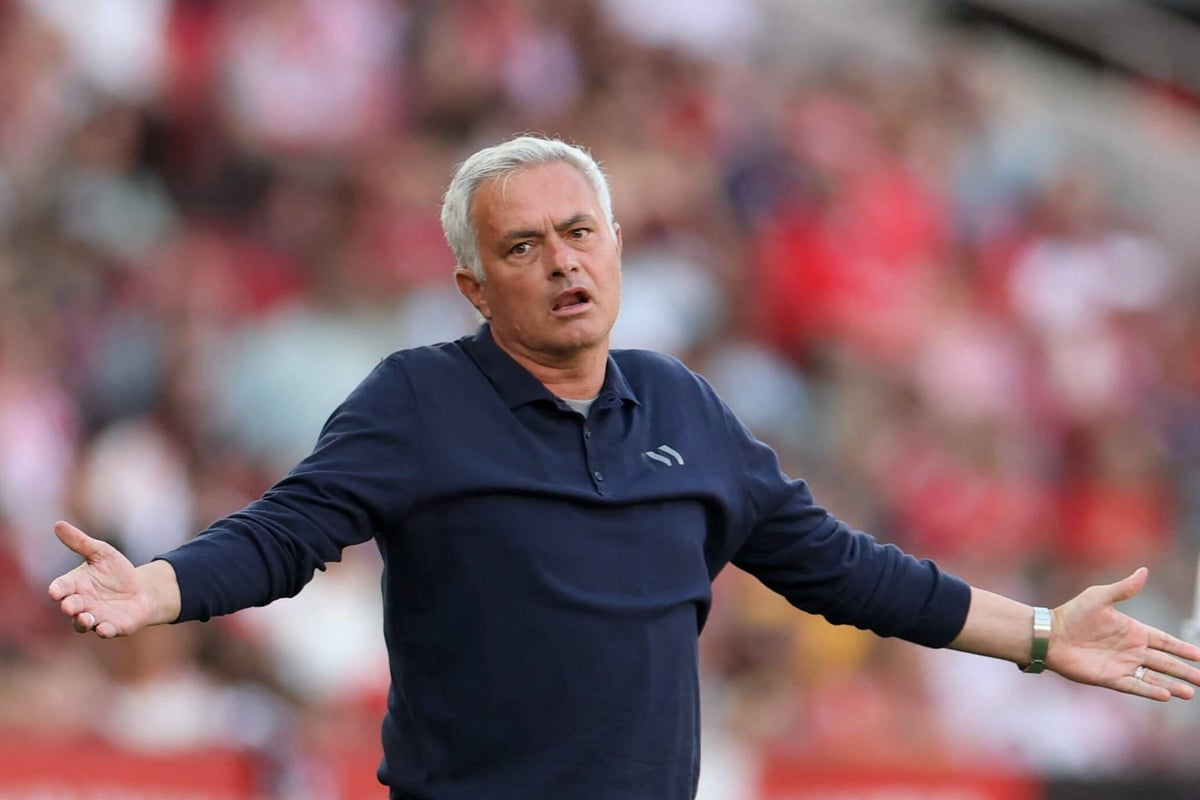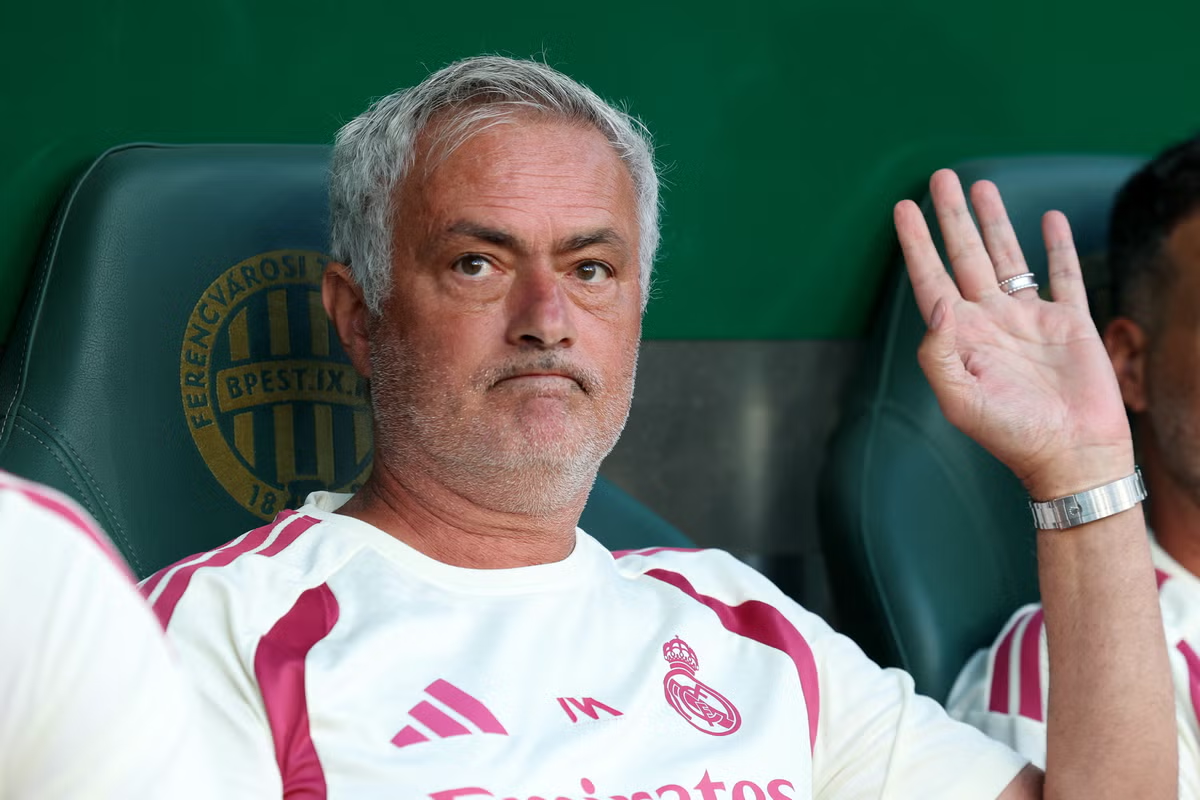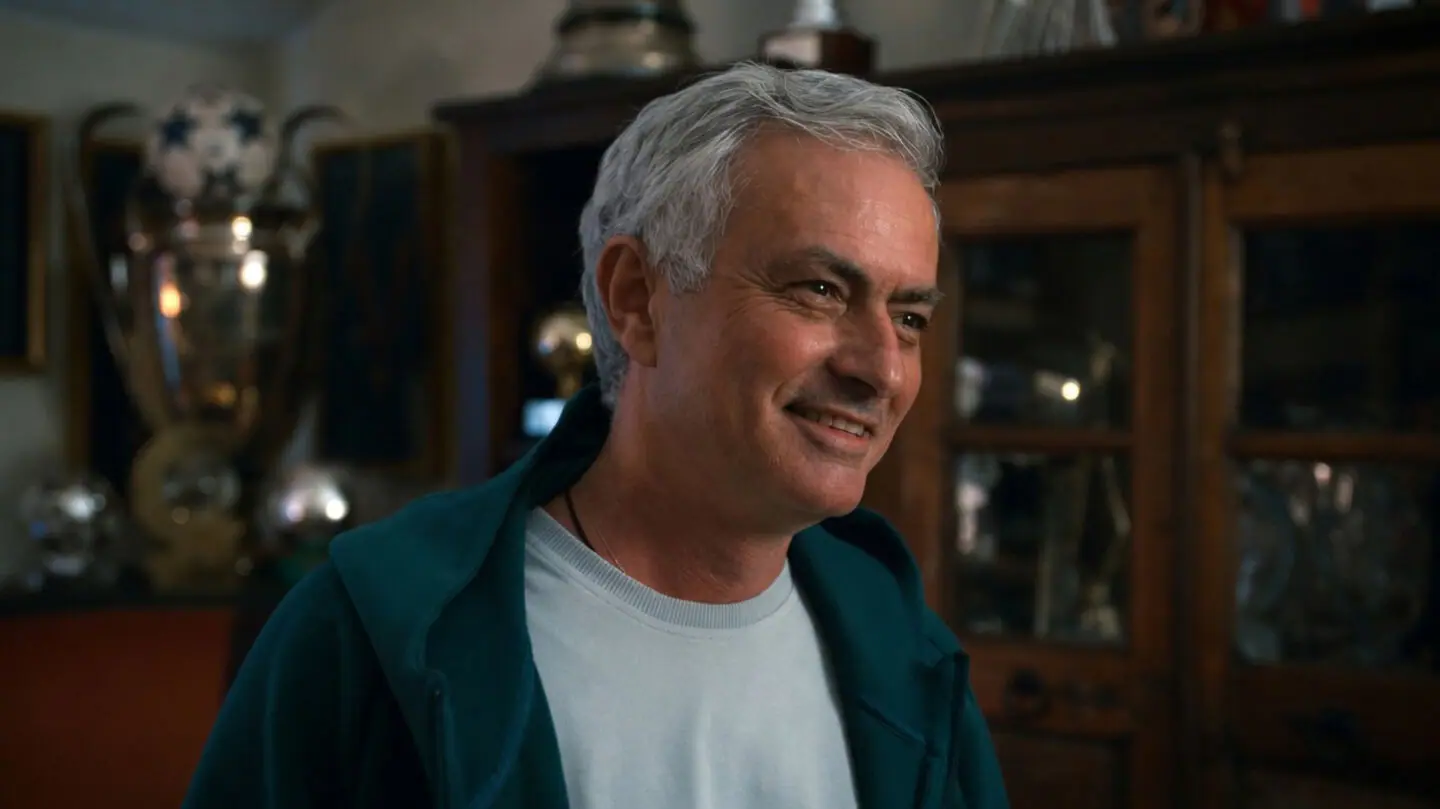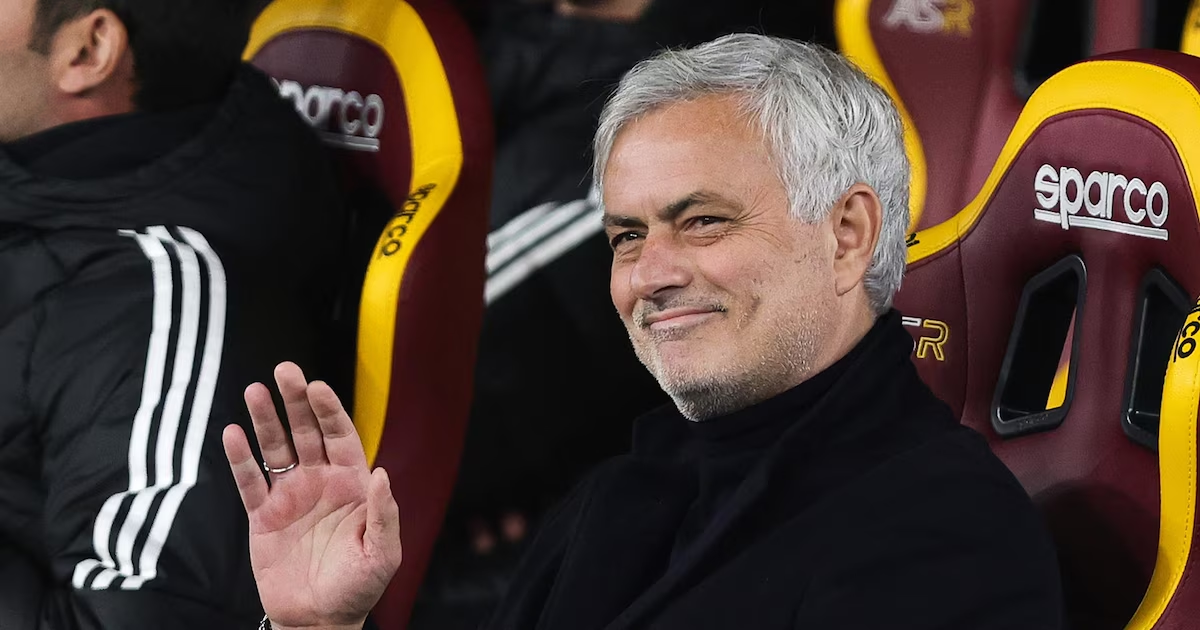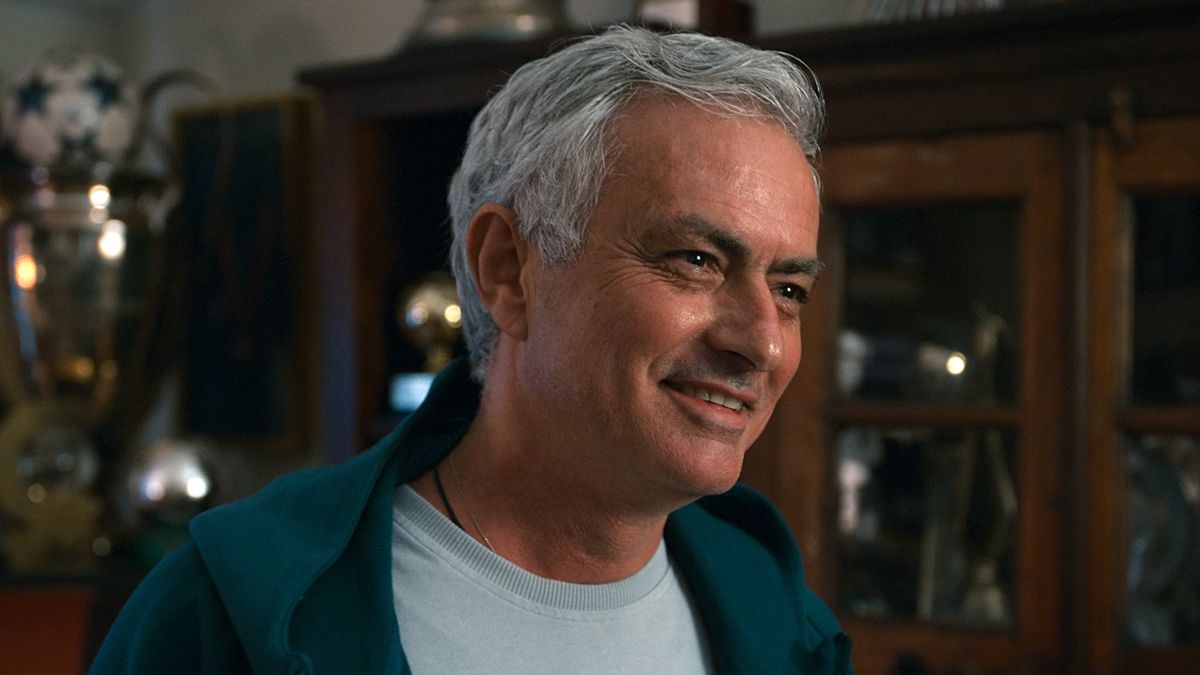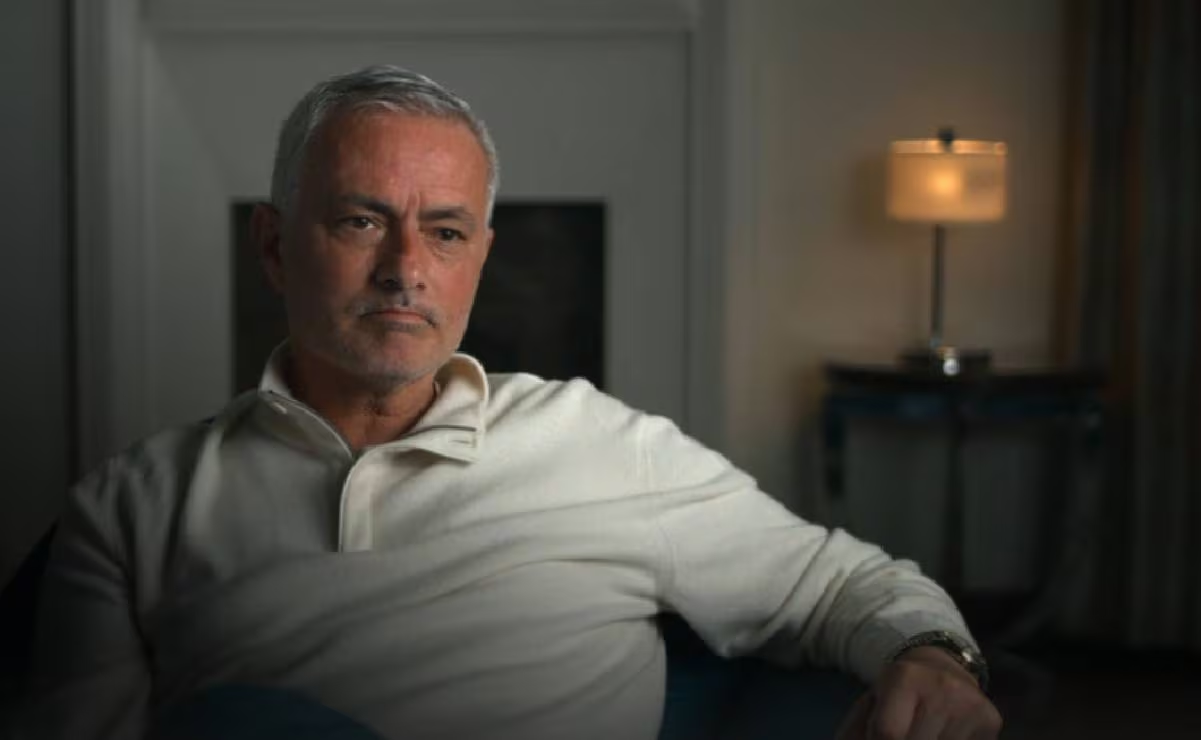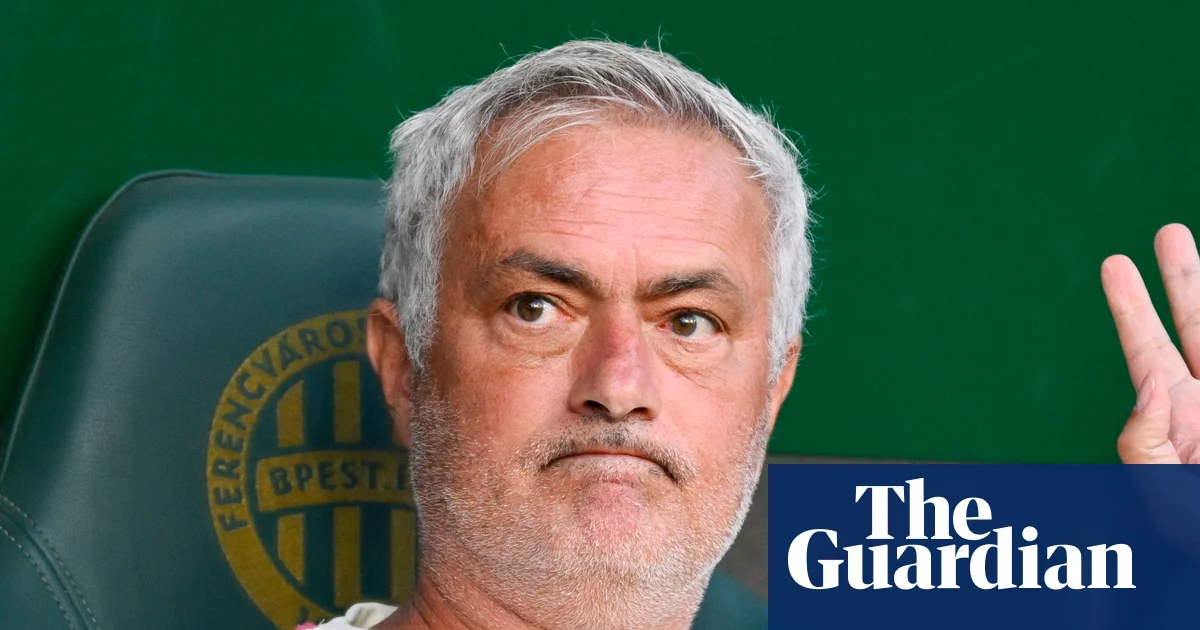
José Mourinho’s new documentary is a rare Netflix production which may not be quite long enough. With three, hour-long episodes structured around his first stint at Chelsea, his treble-winning time at Inter Milan and the absurd operatics at Real Madrid, we don’t hear much about his time at Manchester United nor his subsequent wanderings through European football’s middle classes. Perhaps we consider it short because we would like to know more about his sacking at Tottenham, or perhaps we could simply have watched another hour of Mourinho, still telegenic after all these years. Watching what already passes for archive footage of his successful years at Chelsea and Inter is the documentary’s greatest joy. This was the era in which Mourinho felt impossibly glamorous and fresh, his raffish charm not yet dulled by the turmoil he agitated in Madrid. There are plenty of Mourinho acolytes among the talking heads but there are a few apostates interviewed as well. Iker Casillas features, whose scapegoating by Mourinho at Real Madrid precipitated what Sami Khedira describes as a “poison” in the dressingroom. The documentary doesn’t tell us anything new about Mourinho but confirms what we already know. He obsesses throughout about his status as an outsider, saying he did not belong to the managerial “tribe” as he did not enjoy a gilded playing career. Mourinho’s striving to prove he belongs among that tribe is what has animated his entire career. It is why he has worked so hard. He recounts with some bitterness a hellish work schedule under Louis van Gaal at Barcelona and says he holds the notion of rest in contempt. At one point he expresses bewilderment at Pep Guardiola’s needing to take a break from football after Barcelona, saying he equates the word sabbatical with weakness. It therefore stands to reason that Mourinho holds rejection by the football establishment as an unconscionable thing, and he uses this prospect to motivate his players. Where others encourage, Mourinho provokes. Zlatan Ibrahimovic remembers Mourinho taking him aside at half-time of a game for Inter and telling him he was playing so badly that he and his family should be ashamed of his holding the Serie A Player of the Year award. Suitably affronted, Zlatan scored in the second half having been determined to prove Mourinho wrong. But as history has repeatedly shown, this style of management has a limited half-life and it usually ends with what the former Chelsea director Michael Emenalo described with exquisite understatement as “palpable discord”. It is also of limited benefit with elite players: those who claim to be the GOAT won’t accept being a scapegoat. Carlo Ancelotti enjoyed much more sustainable success at Madrid by presenting himself to his best players as a kind of concierge service. Zlatan Ibrahimovic walks away after talking with José Mourinho in 2009 in California. Photograph: Kevork Djansezian/Getty Images Mourinho still equates success solely with winning titles, telling his interviewer that there are no documentaries made about losers. He wields his titles like a passport, as proof he belongs among the elite. You wonder whether a coach less insecure about their status would place such an unsparing preponderance on winning. Mourinho says that pursuit of victory overrides everything else, and so this justifies all of his wretched episodes in his own mind. He stands over his public hectoring of Chelsea club doctor Eva Carneiro and also the allegations he made against Anders Frisk, which led to the referee receiving death threats and quitting the game. Mourinho describes himself as not a nice guy, and he says this with pride. With this documentary, Mourinho has embraced Larry David’s law when writing Seinfeld: “No hugging, no learning.” There is no peeling back layers to Mourinho’s youth to reveal something new about his character. He dismisses the documentary makers’ questions about his childhood and his private life, saying they should only be interested in his career. José Mourinho with Real Madrid players during the pre-season friendly against Fiorentina in Klagenfurt, Austria. Photograph: Christian Bruna/Getty Images Its abbreviated form means the documentary does not address the paradox of the most recent decade of Mourinho’s career. While he didn’t have a renowned playing career, he has had a famous coaching career, giving him fame with which he has undeservedly leveraged his way into a series of subsequent jobs. Mourinho hasn’t won a league title since 2015 and hasn’t won the Champions League since 2010, and yet he is now back at Real Madrid. It seems the club are sick of their indulged stars and want to inculcate a new era of discipline. They believe Mourinho is the man to do it. In this they are ignoring a decade’s worth of evidence that his hiring will deliver little success and is fated to end in disastrous rancour. But Mourinho’s reputation fits the bill for Madrid, and he has always understood the importance of image. Our best means of understanding modern elite football is to interpret it as a recurring, camp television drama. Mourinho, with his sideline flounces and media theatrics, has always been a main character in this drama. Susan Sontag wrote that to understand camp you had to understand that people are merely playing a role, and so character is to be understood as “a state of continual incandescence – a person being one, very intense thing”. We should therefore be unsurprised that José Mourinho says he hasn’t changed across more than two decades in the global spotlight. He alighted on a leading role and is not willing to lose it.
Brilliant, embittered and pure box office: This is José Mourinho at his best
If modern elite football is a camp television drama, the Real Madrid manager’s theatrics make him the main character
922 words~4 min read