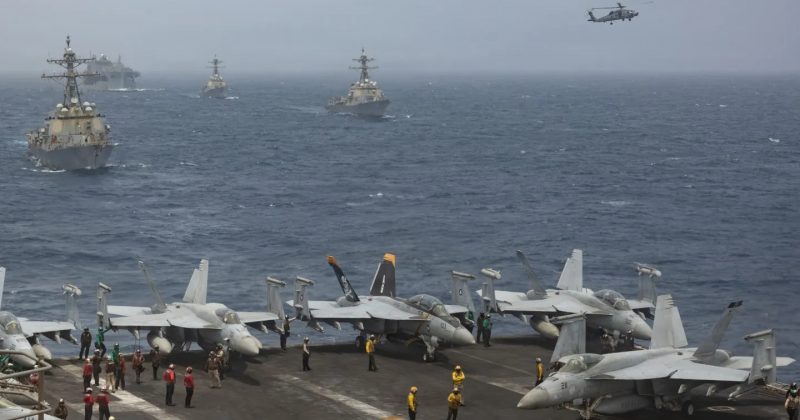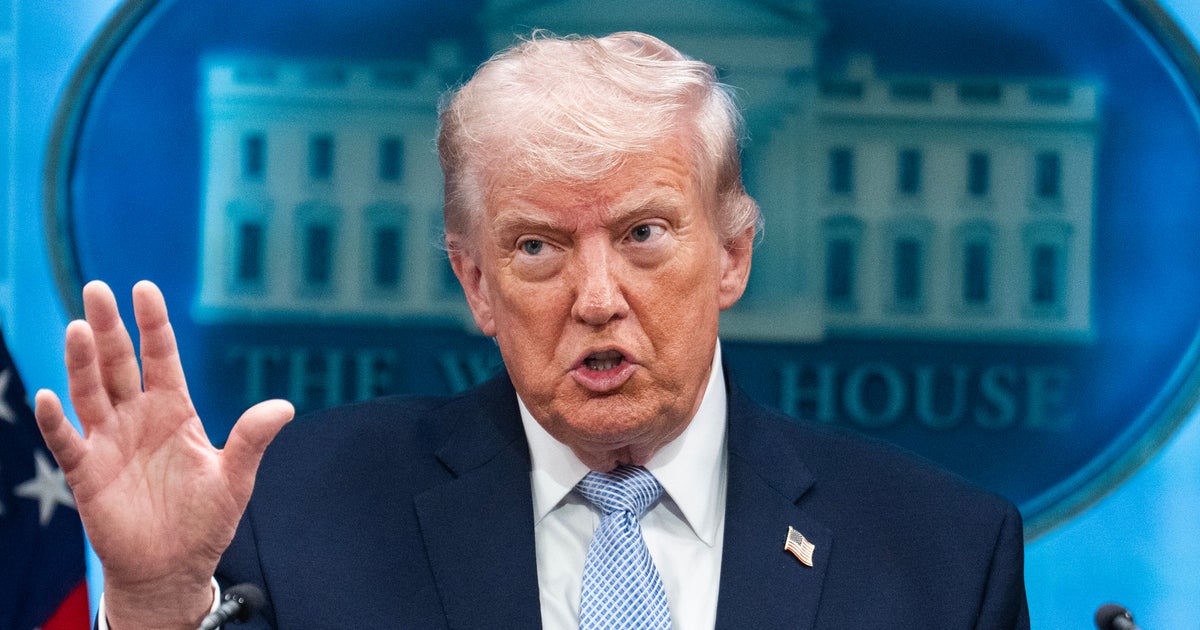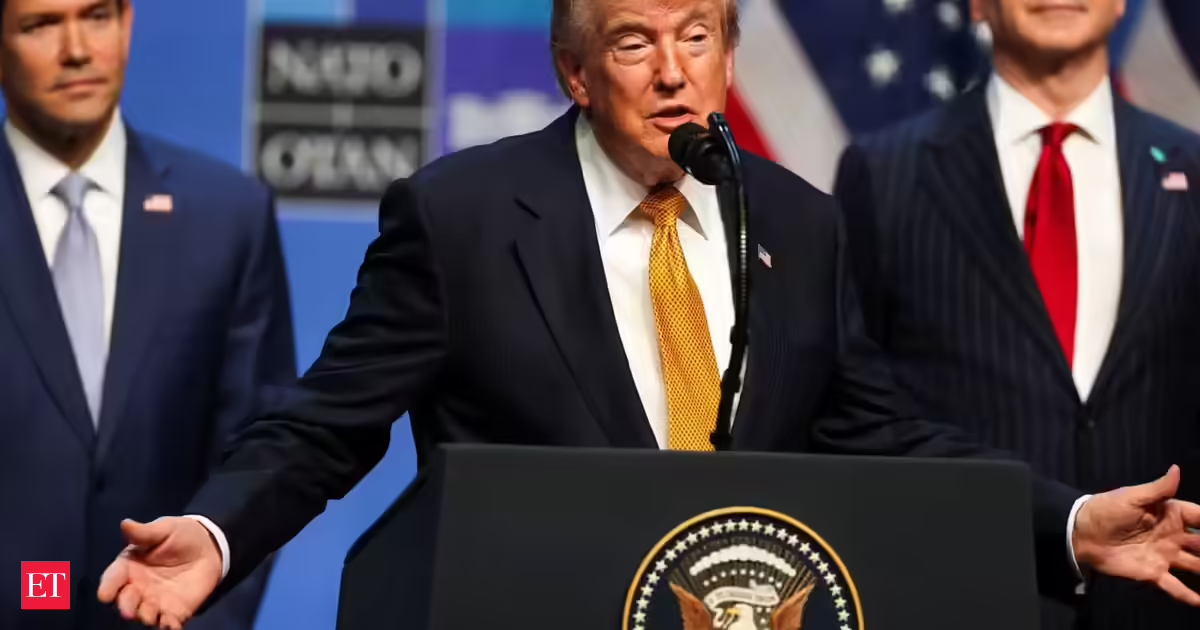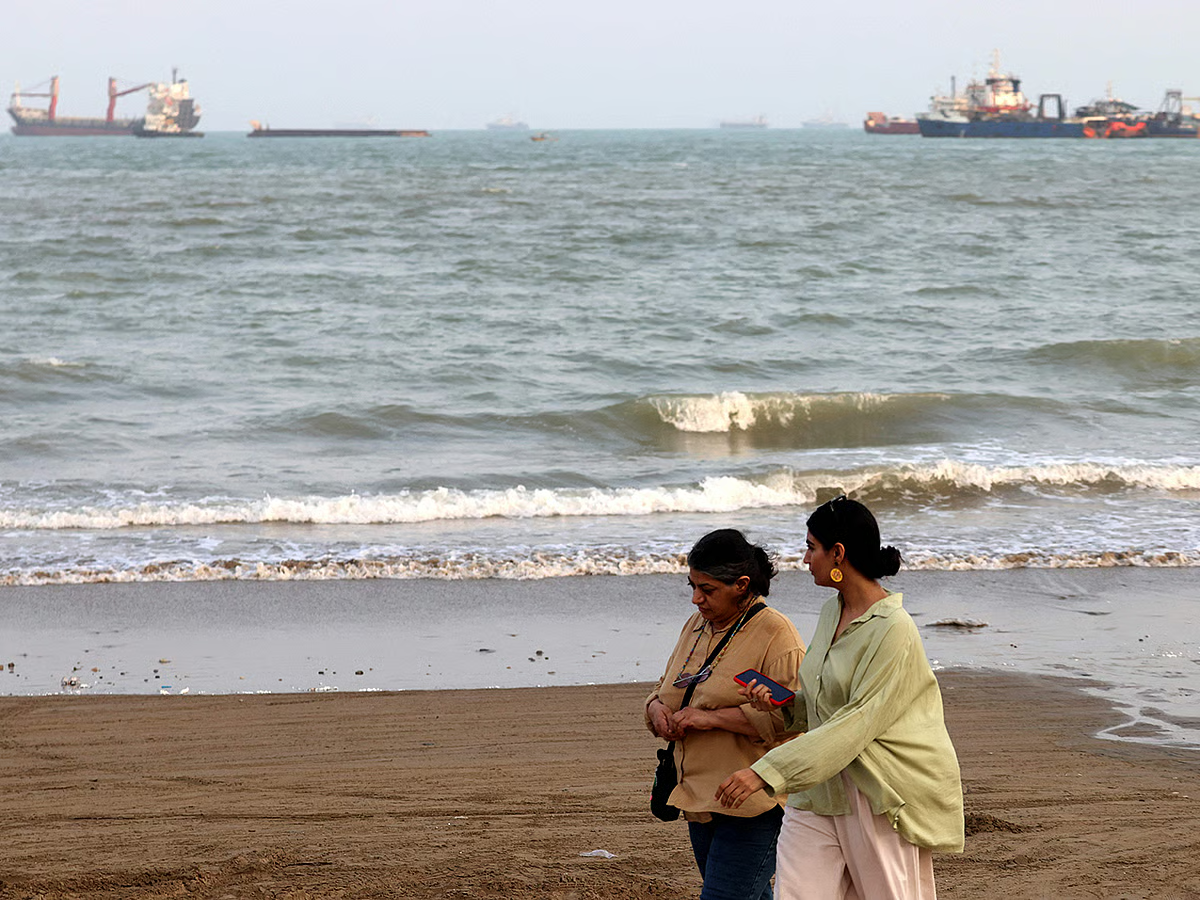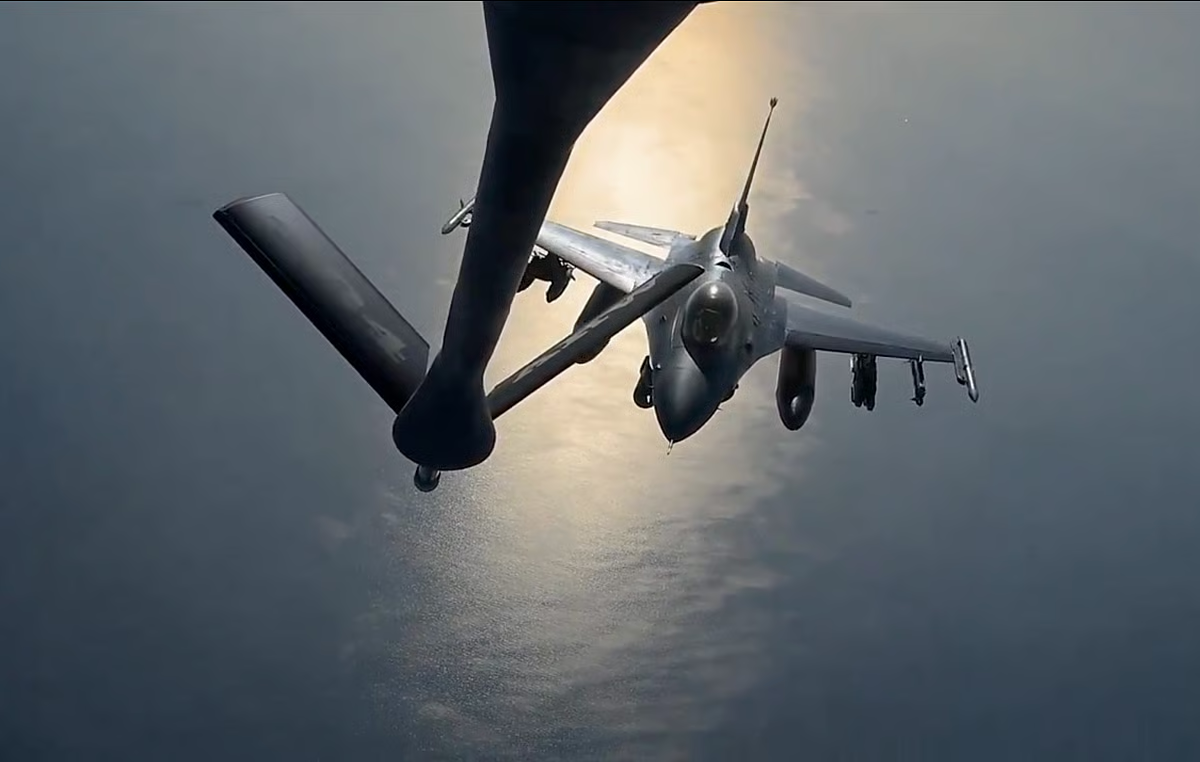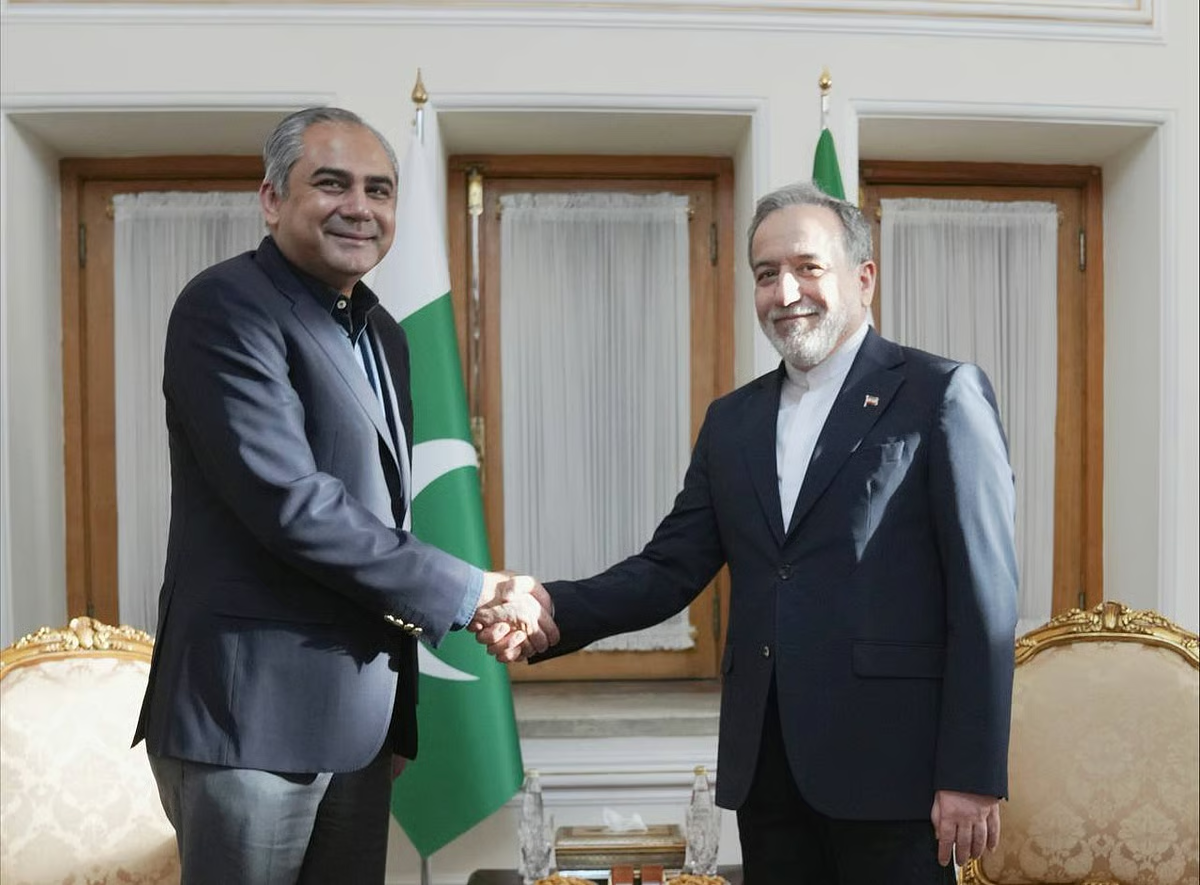
In briefShipping traffic through the Strait of Hormuz fell to eight vessels on Tuesday, compared with a 10-day average of about 12.Donald Trump is under pressure to end a war that is unpopular in the US, with high fuel prices dragging down his approval ratings.The United States says it could maintain a naval blockade of Iran indefinitely and would ratchet up economic pressure on the country as ceasefire talks floundered. Amid the stalemate, global oil supply has continued to drop while regional tensions have risen. Iran has imposed an effective blockade of the strait since the US and Israel initiated attacks in late February, and wants to charge tolls for passage. Continued attacks in the strait, which had been free to transit before the war, led to the collapse of an April ceasefire and the breach of a memorandum of understanding signed in June. US defence secretary Pete Hegseth told reporters that the US military has the capability to maintain a naval presence in the region to enforce its blockade of Iran, which has inflicted severe economic damage on the country."Indefinitely, the United States Navy can maintain a blockade like that because we'll rotate ships in and out, as we have, and we'll continue to," Hegseth told reporters during a trip to Panama.News that makes senseYour trusted source for staying up-to-date with the world around you. Get free daily news updates and analysis, straight to your inbox.US treasury secretary Scott Bessent said on Thursday that the US planned to inflict more financial damage on Iran."Watch this space for more announcements coming next week because we are going to apply measures like have never been seen in the history of economic isolation on a country," he said in an interview on Newsmax's Rob Schmitt Tonight program.With a tentative June deal to end the war in tatters, Iran has sought to exert leverage on the US in return by controlling the Strait of Hormuz.It has attacked some vessels trying to transit the strategic waterway, through which a fifth of the world's oil and liquefied natural gas travelled before the war began in February.Two vessels from the state-owned Abu Dhabi National Oil Company were attacked transiting the strait on Friday, UAE state news agency WAM reported. The United Arab Emirates government condemned it as an Iranian attack.US President Donald Trump is under pressure at home to end a war that is deeply unpopular, with high fuel prices dragging down his approval ratings and potentially eroding his party's control of congress in midterm elections in November.Trump has repeatedly said the US has "total control" over the strait, prompting Iranian denials. Iran has said it would not allow the waterway to reopen until its conditions are met. These include removing economic sanctions and releasing frozen Iranian assets.Shipping traffic through the Strait of Hormuz fell to eight vessels on Tuesday, compared with a 10-day average of about 12 vessels, and 130 to 140 ships before the war.The US lifted its blockade of Iran's shipping and ports for a month in mid-June but has since reimposed it, cutting off Iran's primary source of hard currency and compounding earlier losses from wartime strikes on its energy infrastructure.The US previously said it would lift the Iranian blockade once Iran and Oman, which sit on either side of the strait, reach an agreement to restore commercial shipping.Dwindling oil supplyTrump has also repeatedly threatened to escalate military strikes and "hit Iran hard", although he has thus far resisted deploying ground troops or seizing strategic islands and bombing desalination plants. Earlier this week, Trump suggested he would rely on economic means, rather than military action.The US has tightened economic sanctions against Iran and other individuals and entities that it says are helping it procure weapons, but the pressure campaign has failed to bring Iran back to the negotiating table.Stress is mounting on the global economy. The International Energy Agency on Wednesday forecast that global oil supply would fall by 4.3 million barrels per day, or around 4 per cent, this year.Just a month ago, the agency had forecast a drop of 3.7 million barrels per day.Oil prices settled down more than 2per cent on Thursday after a week of gains, as investors focused on signs of weaker global demand and a sharp increase in US crude inventories.But reports that Yemen's Iran-backed Houthis had targeted a Saudi Aramco refinery with drones unsettled the market, renewing concerns about a widening regional war.Global economists have forecast a sharp drop in global growth as a result of the war, and potentially a swing into recession in some areas, warning that the impact will worsen if the war is not ended soon.Hegseth declined to comment on a question about whether, in retrospect, it was a mistake to declare a ceasefire in April, a move that ended high-tempo bombing of Iran in exchange for peace negotiations that have failed to resolve the conflict."I'm never going to comment on that. We're doing exactly what we need to, to ensure that Iran never has a nuclear weapon," Hegseth said.For the latest from SBS News, download our app and subscribe to our newsletter.
The US threatens 'indefinite naval blockade' of Iran as oil crisis resurges
US President Donald Trump is holding firm on Iran, claiming "total control" over the Strait of Hormuz and vowing to use economic pressure.
852 words~4 min read