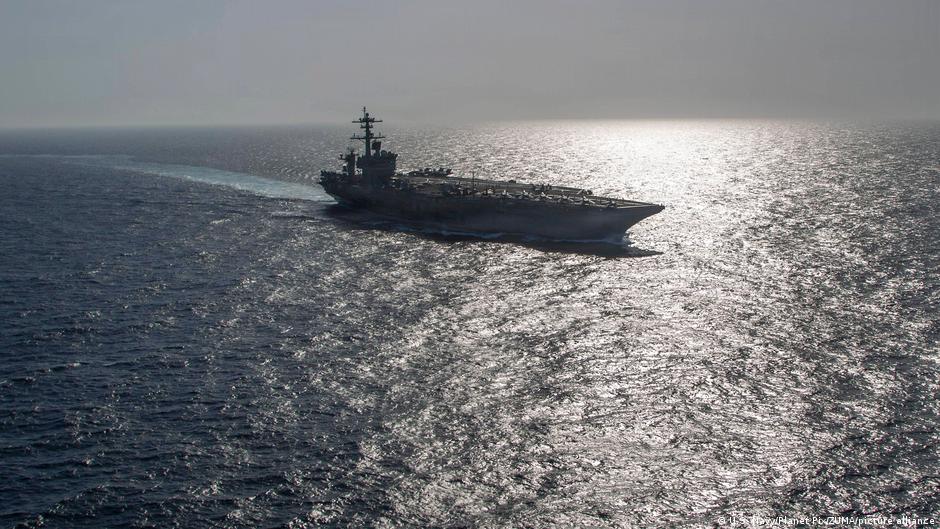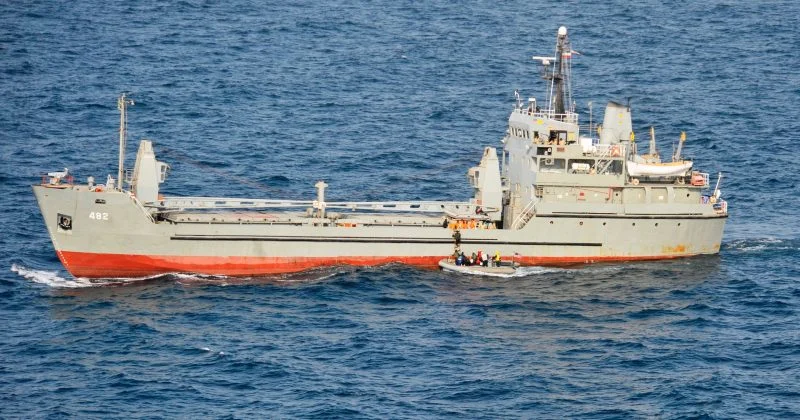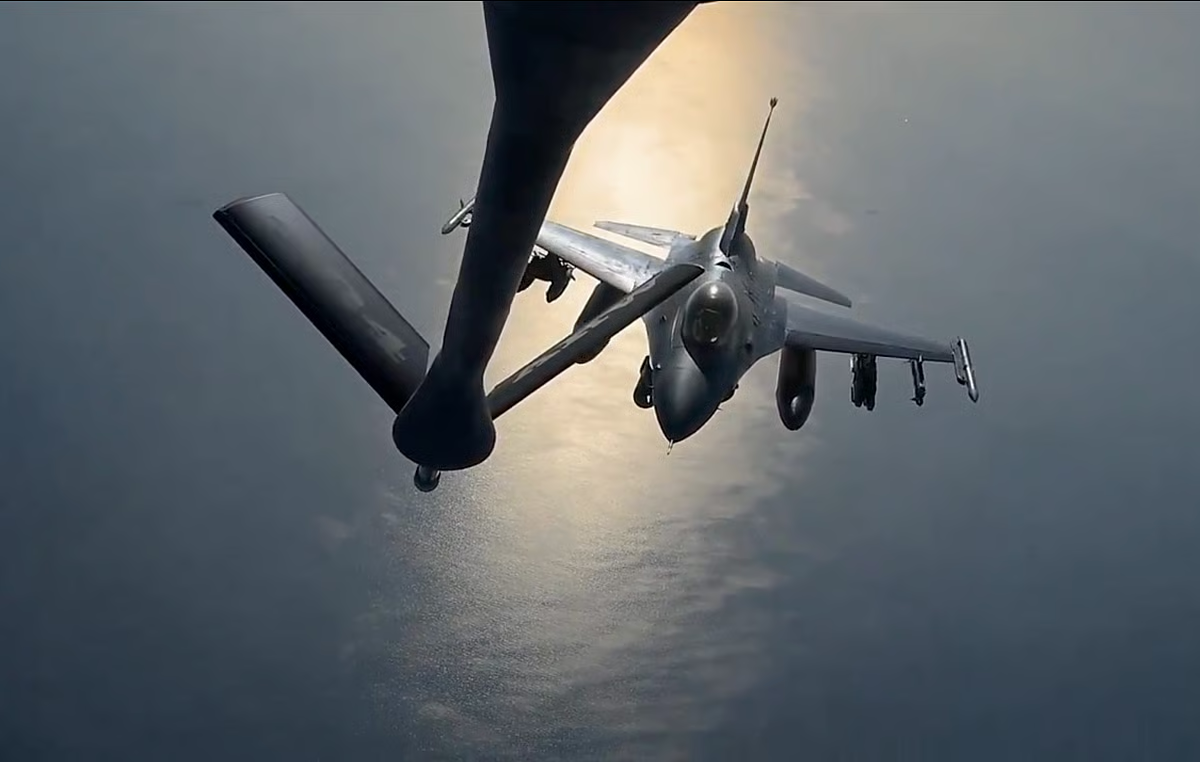
Stalemate over control of Hormuz fuels economic strain, miscalculation fearsLast updated: August 14, 2026 | 07:194 MIN READUS forces are enforcing the blockade against vessels transiting to or from Iranian ports and coastal areas while supporting traffic flow through regional waters for all vessels not violating the blockade. A US fighter jet gets refuelled mid-air.
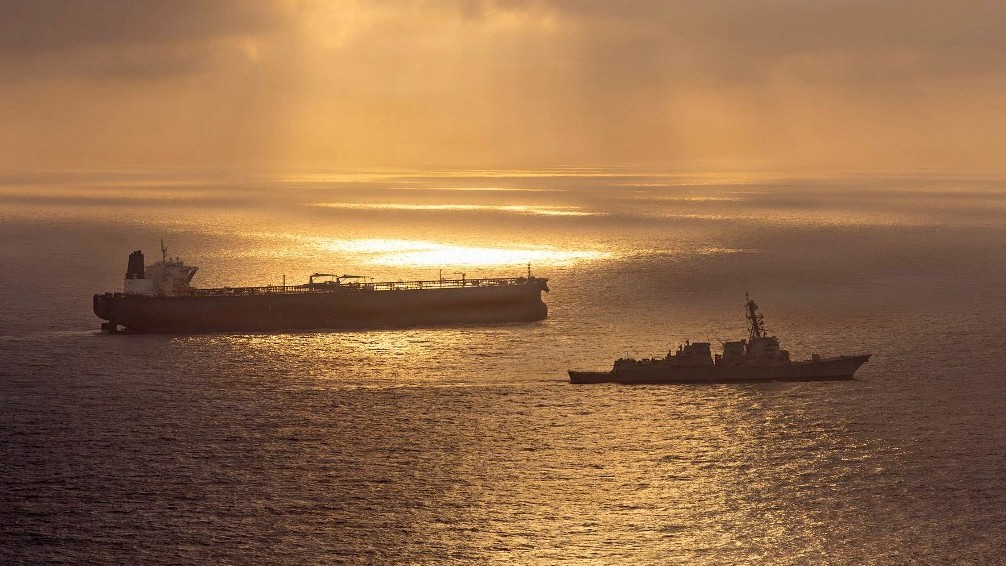
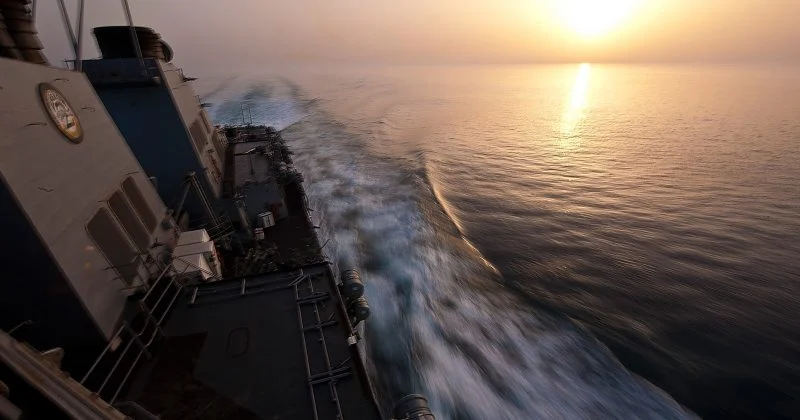
@CentCom | XThe Trump administration is signaling its naval pressure campaign against Iran could continue for as long as necessary.US War Secretary Pete Hegseth said Thursday that the US could maintain the blockade of Iranian ports “indefinitely,” because American warships can be "rotated" in and out of the region.“Indefinitely, the United States Navy can maintain a blockade like that because we'll rotate ships in and out, as we have, and we'll continue to,” Hegseth said.The message was blunt: Washington does not believe time is necessarily on Iran's side.What is actually being blockaded?There is an important distinction.The U.S. operation targets vessels entering or leaving Iranian ports and coastal areas. U.S. Central Command has said it is not intended to prevent ships traveling through the Strait of Hormuz between non-Iranian ports.That matters because describing the operation simply as a “Hormuz blockade” can give the impression that the United States has closed the entire waterway.Nevertheless, the operation is having consequences far beyond Iran's coastline because Iran has simultaneously restricted traffic through the strategic strait, while attacks and the threat of interception have deterred commercial shipping.The result is effectively a choked energy artery.The ceasefire off-ramp disappearing?The latest US warning comes after months of fighting, intermittent ceasefire arrangements and negotiations aimed at restoring navigation through Hormuz.A potential deal appeared within reach earlier this month, with Iran, the United States and Oman discussing arrangements for reopening the waterway. But the negotiations have since stalled, with Tehran maintaining demands over sanctions, compensation, military activity and the terms governing navigation.At the same time, Washington and Tehran are making competing claims over who controls Hormuz.Trump has said the United States has “total control” of the strait. Iranian officials have rejected that claim and insisted that Tehran retains control over passage.The result is a dangerous stalemate: neither side appears willing to surrender the leverage that comes from controlling access to the waterway.Iran is under pressure — but so is the world economyThe blockade is designed to squeeze Iran economically by restricting its ability to export oil and receive maritime trade.But the economic pressure does not stop at Iran's borders.The International Energy Agency (IEA) has sharply reduced its 2026 global oil-supply forecast. It now expects global supply to fall by about 4.3 million barrels per day, or roughly 4%, with the market facing a projected 1.27 million-bpd deficit relative to demand.The IEA says the disruption is being driven primarily by the collapse in Middle Eastern production and exports associated with the conflict, particularly the severe disruption around Hormuz.That is significant because roughly one-quarter of the world's seaborne oil trade normally passes through the strait, while alternatives for rerouting crude are limited.Why an 'indefinite' blockade changes the equationMarkets can tolerate a temporary disruption more easily than an open-ended one.If traders believe Hormuz will reopen within days or weeks, they can draw on inventories, reroute some cargoes and wait for normal flows to resume.An indefinite confrontation is different.It encourages refiners, airlines, shipping companies and governments to assume that disrupted supplies may persist — forcing them to compete for alternative crude, build inventories and pay more for transportation and insurance.That can translate into higher fuel costs, tighter diesel supplies and renewed inflationary pressure far beyond the Middle East.And the longer the disruption lasts, the harder it becomes to restore the old trading system quickly even after a political deal.Military clock vs economic clockHegseth's comments reveal the asymmetry Washington is trying to exploit.The Pentagon can rotate ships, aircraft and personnel. But Iran faces the loss of export revenue and increasing economic isolation.Yet the United States also faces a cost.Keeping major naval forces deployed indefinitely places pressure on crews, maintenance cycles and readiness elsewhere. The USS Abraham Lincoln, for example, has been at sea for more than 260 days, with the USS George Washington now moving toward the region as a replacement.So “indefinitely” does not mean without cost.It means Washington believes it can sustain the cost longer than Tehran can sustain the economic pressure.Miscalculation riskEvery additional day of blockade increases the number of encounters between warships, Iranian forces and commercial vessels.That creates another danger: an incident that neither side intended to escalate could trigger a much wider confrontation.For energy markets, meanwhile, the critical question is no longer simply whether Hormuz will reopen. It is when — and under what political and military conditions.Hegseth's message suggests Washington is prepared to let that uncertainty continue.Also In This PackageGet Updates on Topics You ChooseUp Next