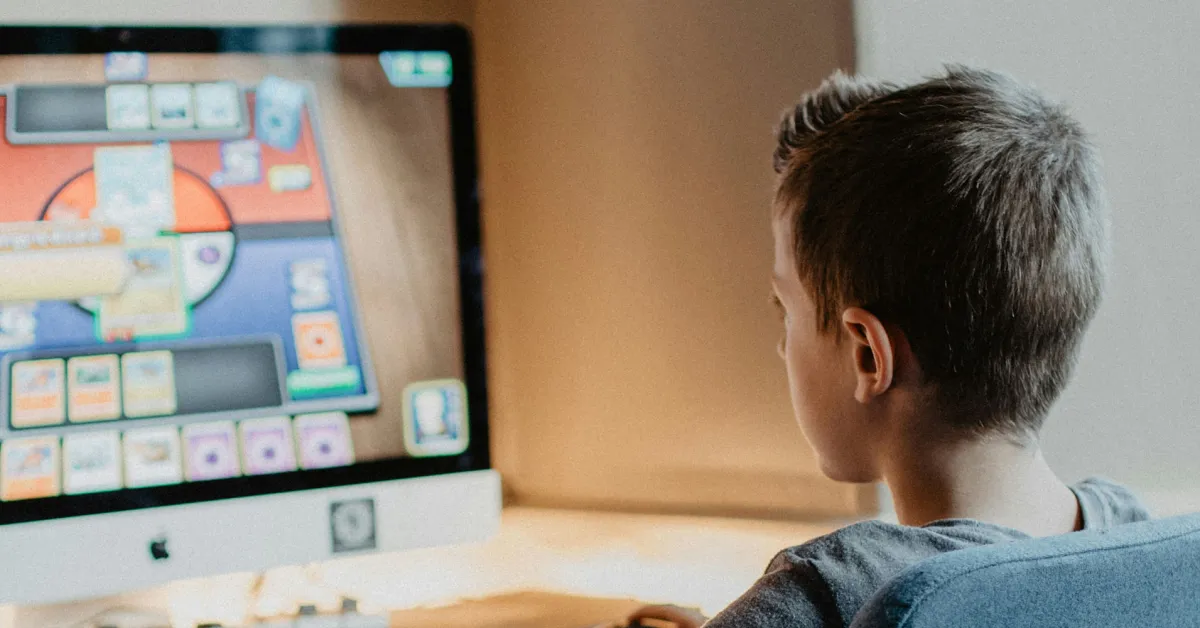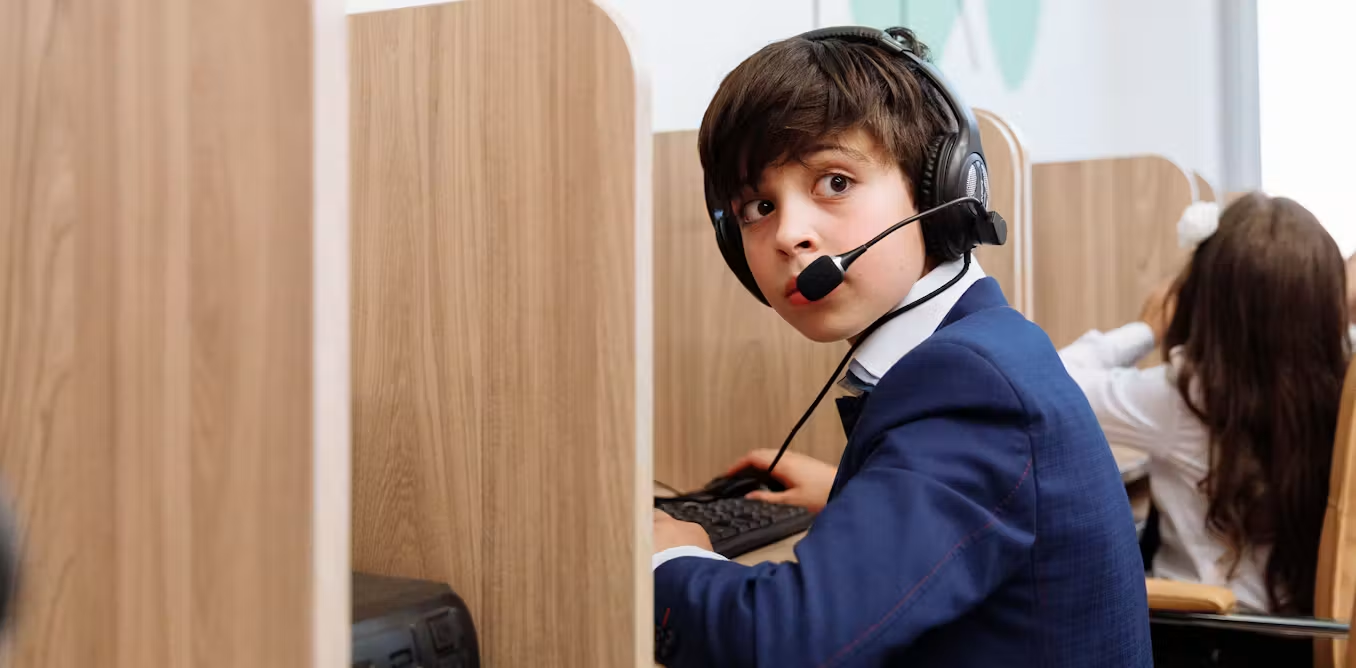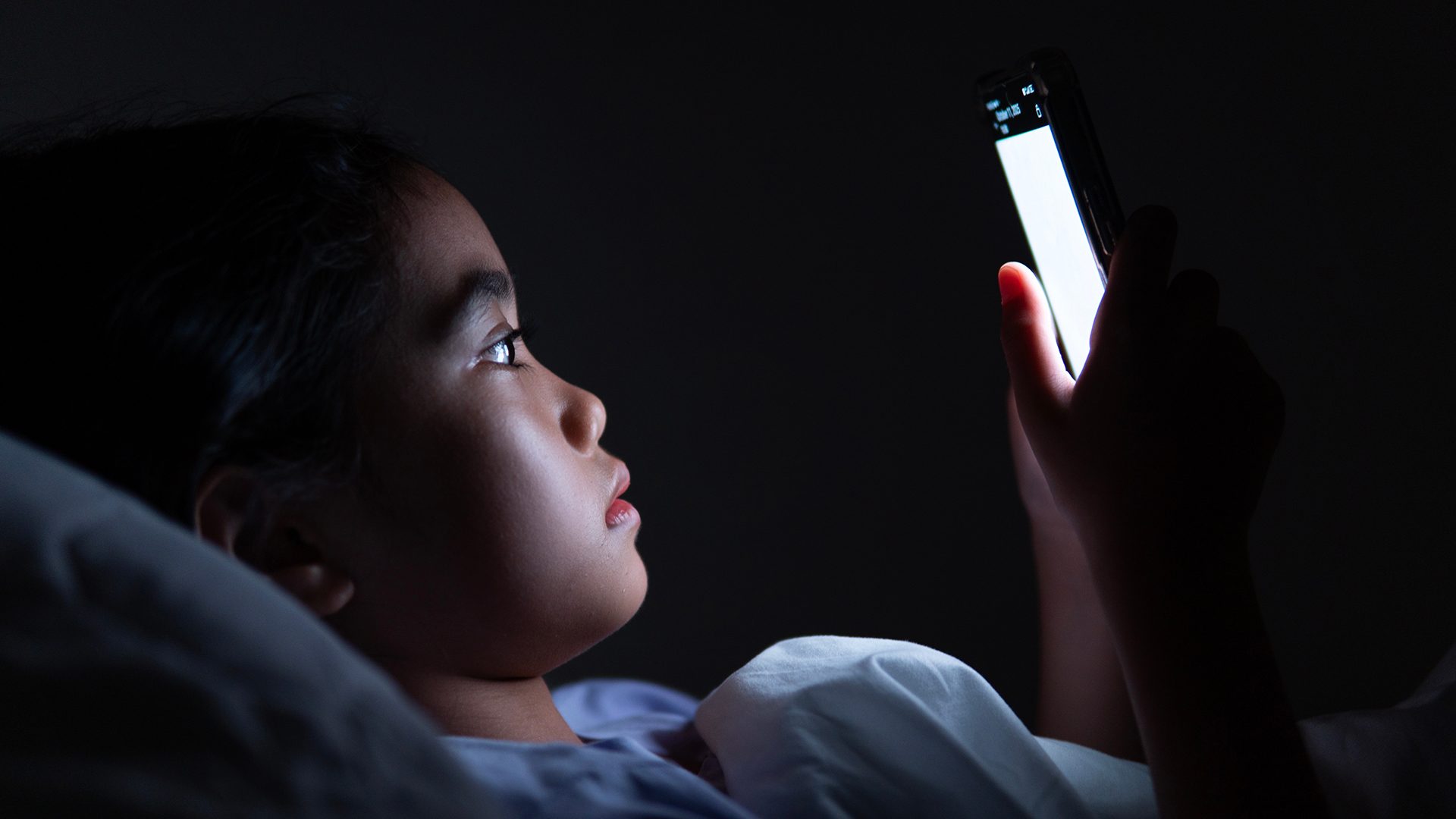
Noida, Schools across Noida and Greater Noida have been asked by the district administration to cap daily screen time at 30 minutes for primary students and 60 minutes for upper-primary students following complaints that children in several schools were spending four to five hours a day using smart and digital boards.Noida schools told to cap daily screen time at 30-60 minutesThe Gautam Buddh Nagar administration said in a statement on Thursday that the directions apply to all government, aided and private schools in the district, with designated magistrates and nodal officers tasked with monitoring compliance.The administration said parents' associations had complained that smart and digital boards were being used continuously for teaching, including displaying textbooks and conducting classwork, question-answer sessions and homework."Smart and digital boards are a supplementary medium to make teaching more effective, but their continuous and unnecessary use should not affect the health, studies, sports and other activities of students," the statement noted.The administration said prolonged screen exposure could increase the possibility of eye strain, short-sightedness, headaches, reduced concentration and other physical and behavioural problems among students.The guidelines call for "limited, balanced and purposeful use of smart boards and digital boards" in schools, keeping in view the health and overall development of students.The administration directed schools to ensure that screen time "does not exceed 30 minutes in primary classes and 60 minutes in upper-primary classes."Schools have been asked to use smart boards mainly "for explaining difficult concepts and displaying pictures, videos and necessary teaching material" rather than continuously displaying textbooks.For writing, practice, question-answer sessions and activities involving student participation, schools have been directed to ensure regular use of blackboards, whiteboards or greenboards, it said.The administration also directed schools to "maintain screen brightness and classroom lighting appropriately", ensure students maintain a proper distance from screens and "provide breaks after about 20 minutes of screen use".For online classes, schools have been asked to follow NCERT guidelines regarding session duration and breaks, as well as the 20-20-20 practice, under which students should look at an object at least 20 feet away for 20 seconds after every 20 minutes of screen use.Schools have also been asked to promote activity-based learning, reading, writing, sports, group activities and physical exercise.If students show symptoms such as eye irritation, headaches or blurred vision, parents should be informed immediately and medical advice sought where necessary, the administration said.Schools have also been asked to conduct quarterly eye examinations and share the reports with parents, according to the statement.School management committees have been directed to discuss the guidelines on balanced use of smart and digital boards and students' health, with the minutes of such meetings to be shared with parents during parent-teacher meetings.Schools have further been encouraged to introduce "digital-free periods, digital zero days and digital detox" activities to provide students adequate opportunities for sports, creative work, reading and social interaction away from screens, it added.Designated magistrates and nodal officers will monitor compliance in the schools allotted to them and submit reports through the District Inspector of Schools, Gautam Buddh Nagar, the administration said.This article was generated from an automated news agency feed without modifications to text.
Noida schools told to cap daily screen time at 30-60 minutes
Noida schools told to cap daily screen time at 30-60 minutes
518 words~2 min read