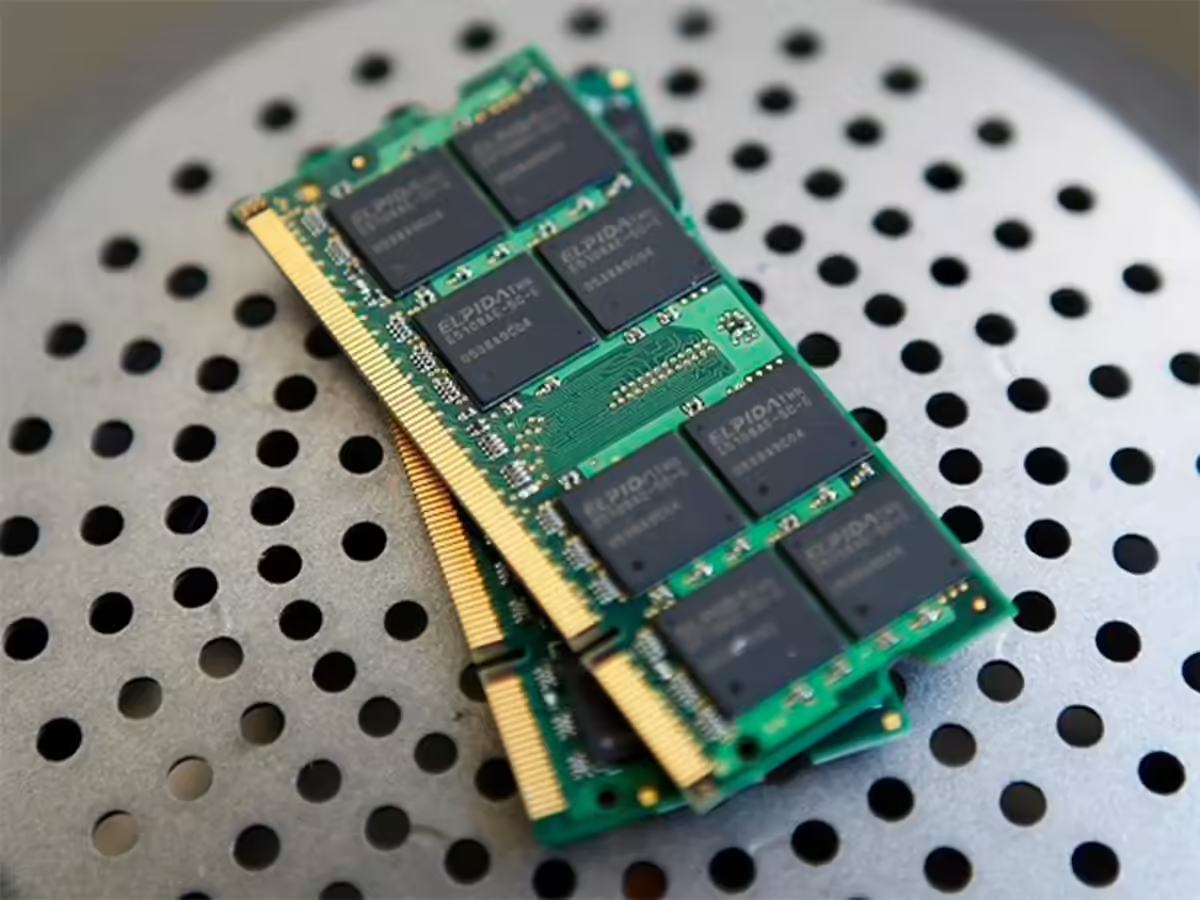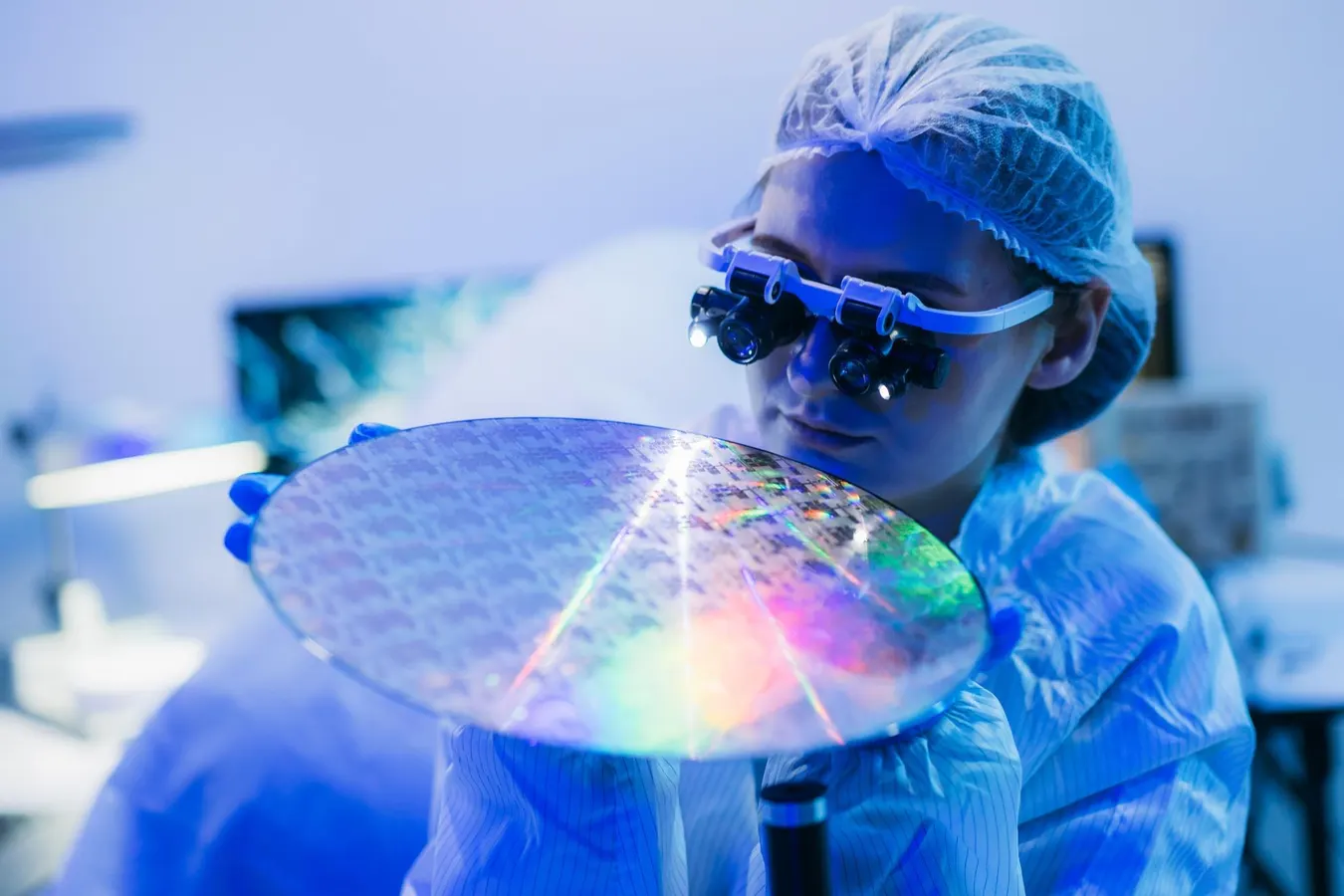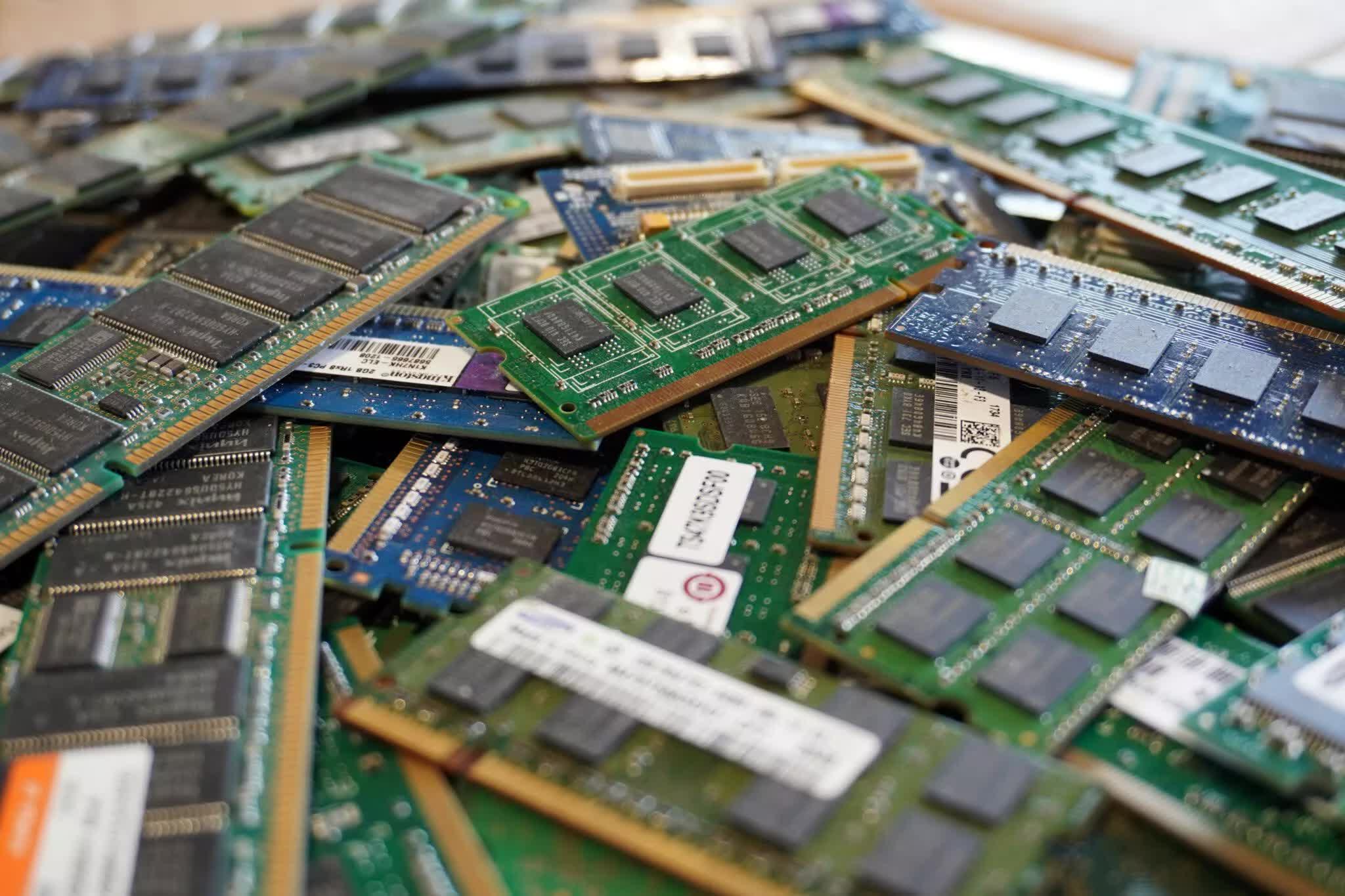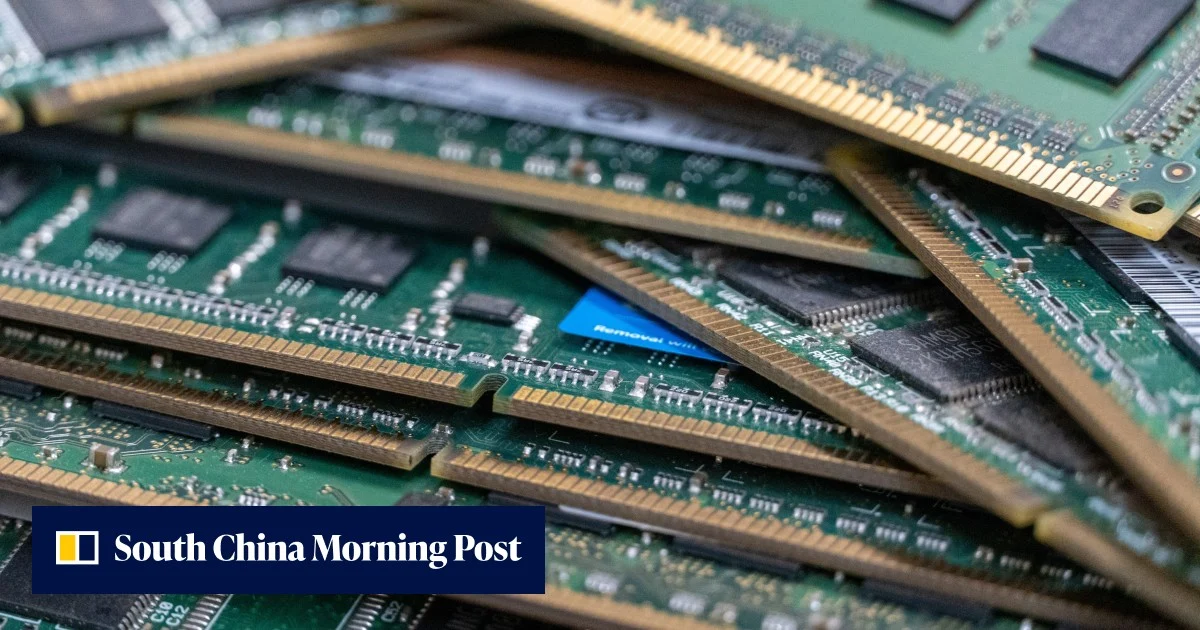
In 2026, AI training workloads will dominate global DRAM demand, overshadowing traditional computing needs. Generative AI models like GPT-5 will rely heavily on memory technologies such as High-Bandwidth Memory (HBM), making HBM the backbone of AI systems. Meanwhile, consumer electronics will struggle with diminished memory supply and soaring costs.
The entire memory market is undergoing a significant transformation. The traditional balance between data centers and devices like PCs, smartphones, or gaming systems is collapsing under the weight of this change.
Why HBM is the Future of AI Memory
High-Bandwidth Memory has become essential for AI. HBM3E and HBM4 modules offer bandwidths surpassing 22 TB/s, a performance unmatched by DDR5’s peaks of 70 GB/s. Because generative AI workloads demand immense data transfer speeds, traditional DRAM is no longer an option for training models like GPT-5. Even GDDR memory, designed for GPUs, cannot match the parallel processing requirements of AI workloads.
This reliance on HBM has caused memory manufacturers to pivot their focus. Industry leaders such as Samsung, SK hynix, and Micron are redirecting resources toward HBM production, moving away from DDR and LPDDR products that previously dominated their pipelines. This shift is vital to support AI but has strained resources for legacy memory technologies.