Analysis note — Tensions in the memory market affect AI infrastructure costs and, by extension, AI-native e-commerce architectures. # Global Strategic Analysis: Structural Tensions in the RAM and Storage Market in 2026
1. Introduction: The End of Traditional Cycles and the Advent of the AI-Centric Era
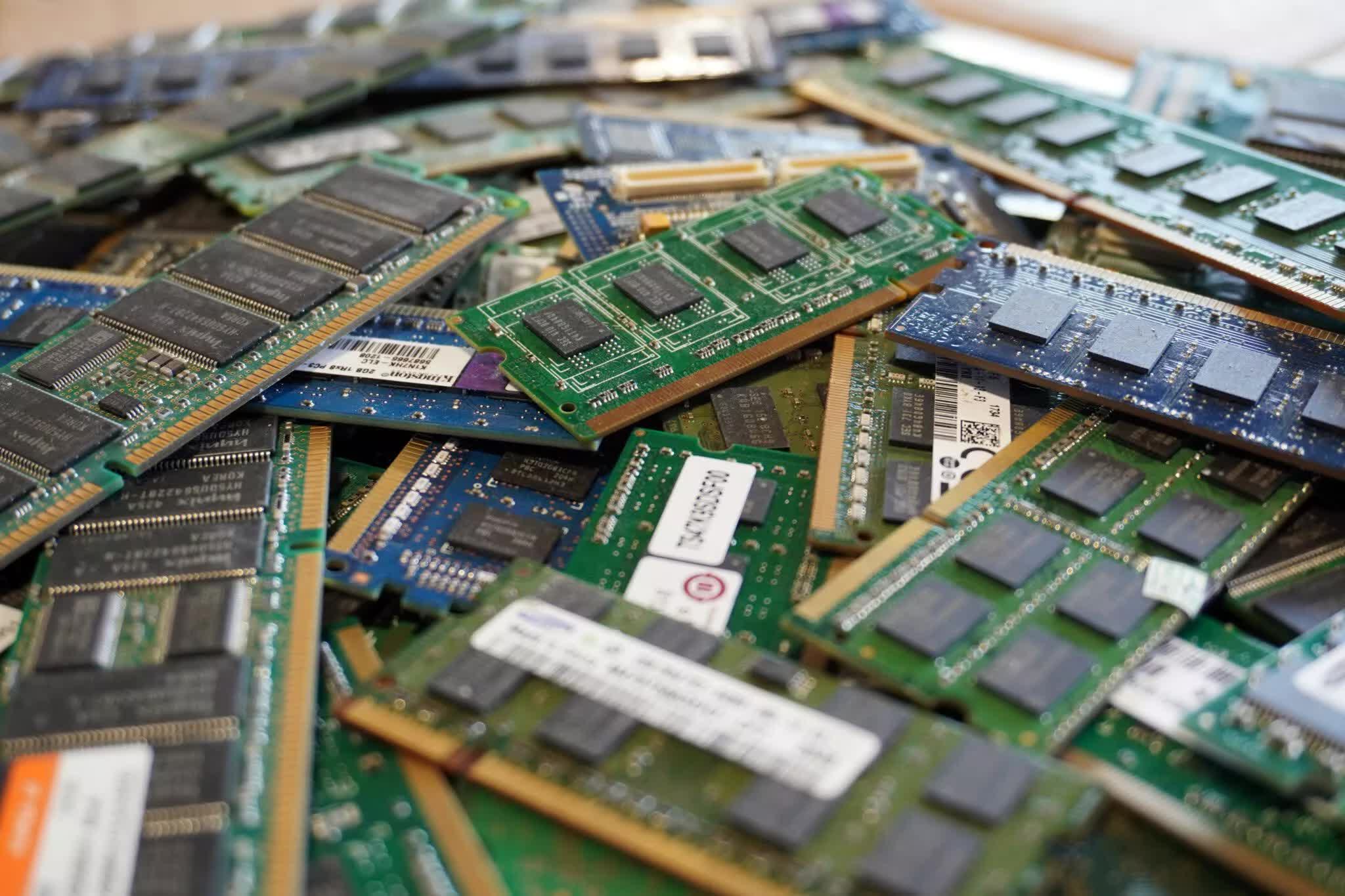
The year 2026 marks a fundamental break in the history of the semiconductor industry. Historically, the memory market — including DRAM (Dynamic Random Access Memory) and NAND Flash — was governed by predictable cycles of expansion and contraction (“boom-and-bust”), dictated by consumer electronics demand (PCs and smartphones). However, analysis of current data reveals that we have left this cyclical model to enter a period of sustainable structural shortage, orchestrated by a massive reallocation of industrial capacities towards artificial intelligence (AI).
This transformation is not a simple cyclical adjustment; it represents a paradigm shift where the “Data Gravity” of AI data centers exerts an irresistible force of attraction on global silicon production. The major memory manufacturers — Samsung Electronics, SK Hynix and Micron Technology — have deliberately pivoted their production lines. Instead of expanding conventional DRAM manufacturing, they now prioritize high bandwidth memory (HBM) and high-density DDR5, essential components for AI accelerators but whose production cannibalizes that intended for consumers.