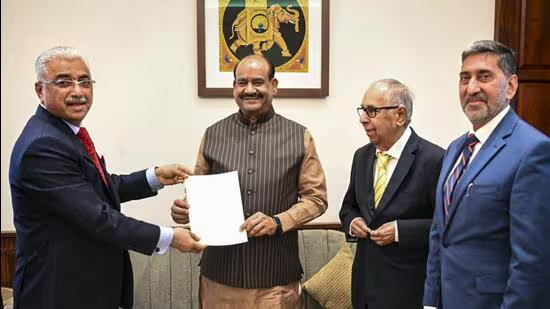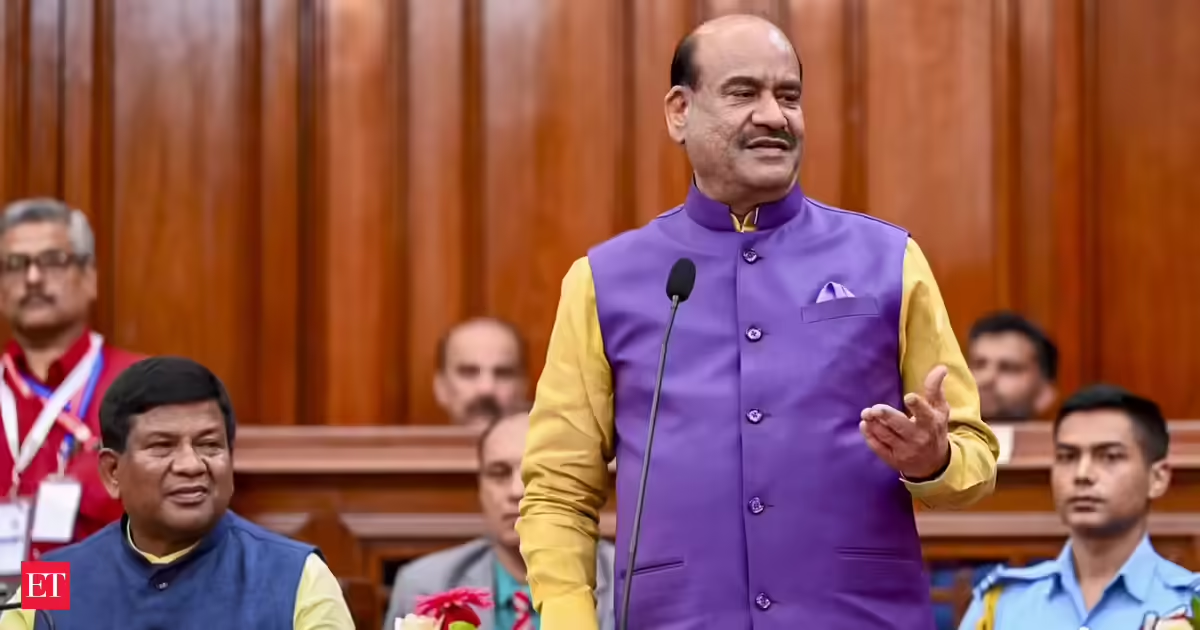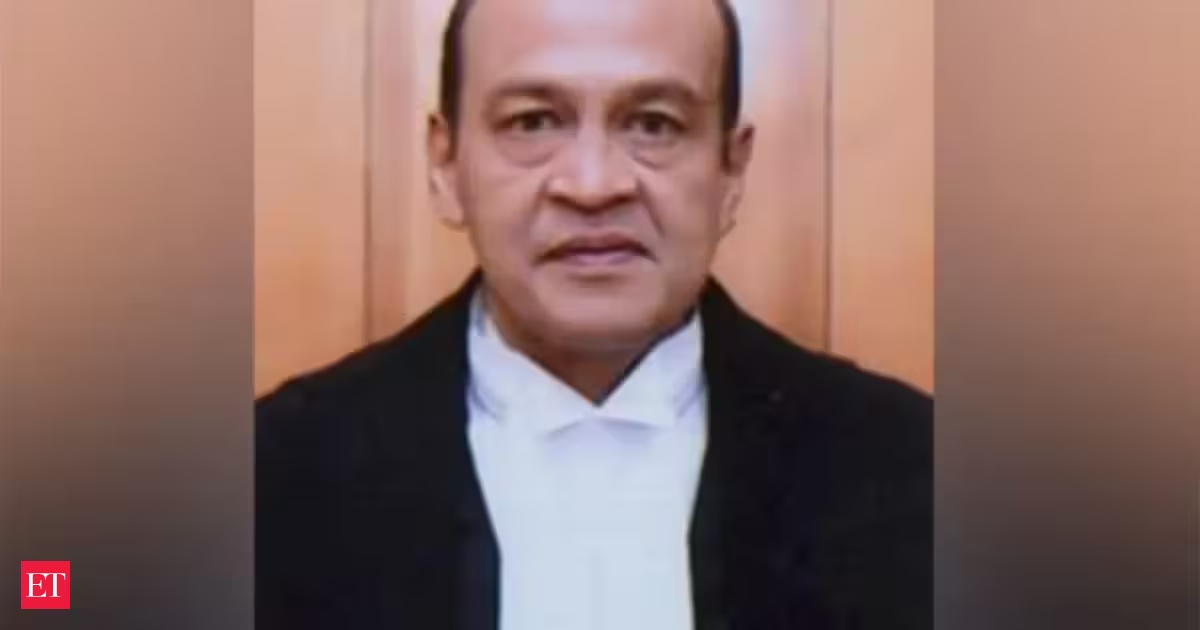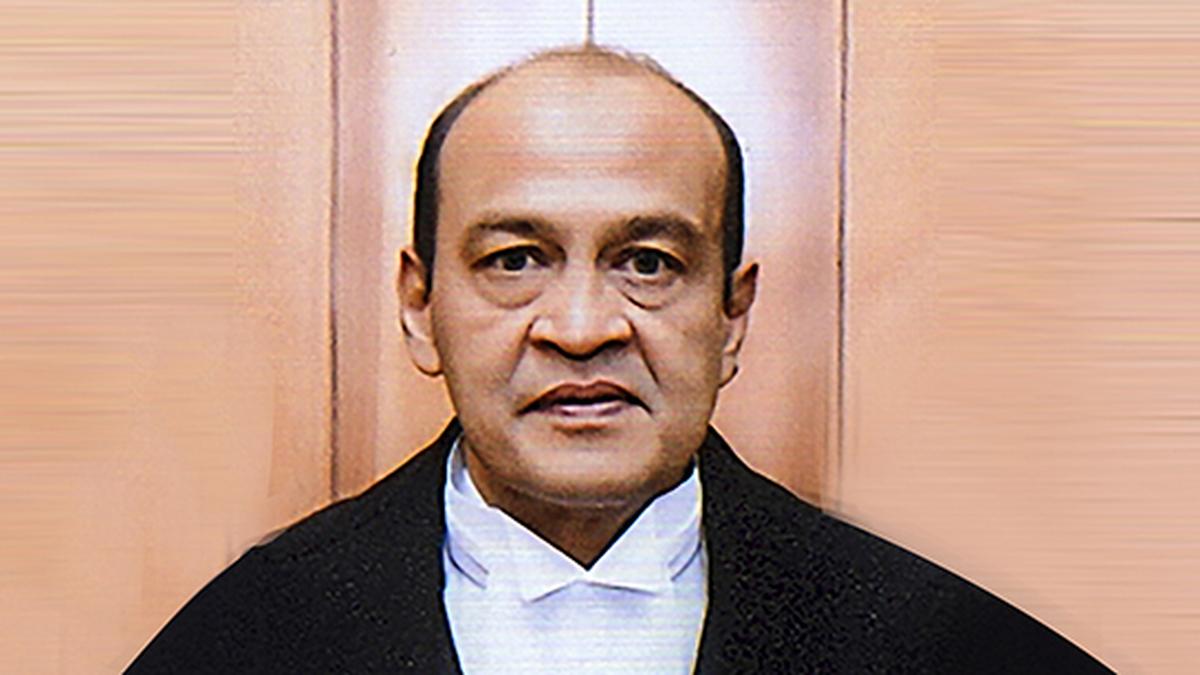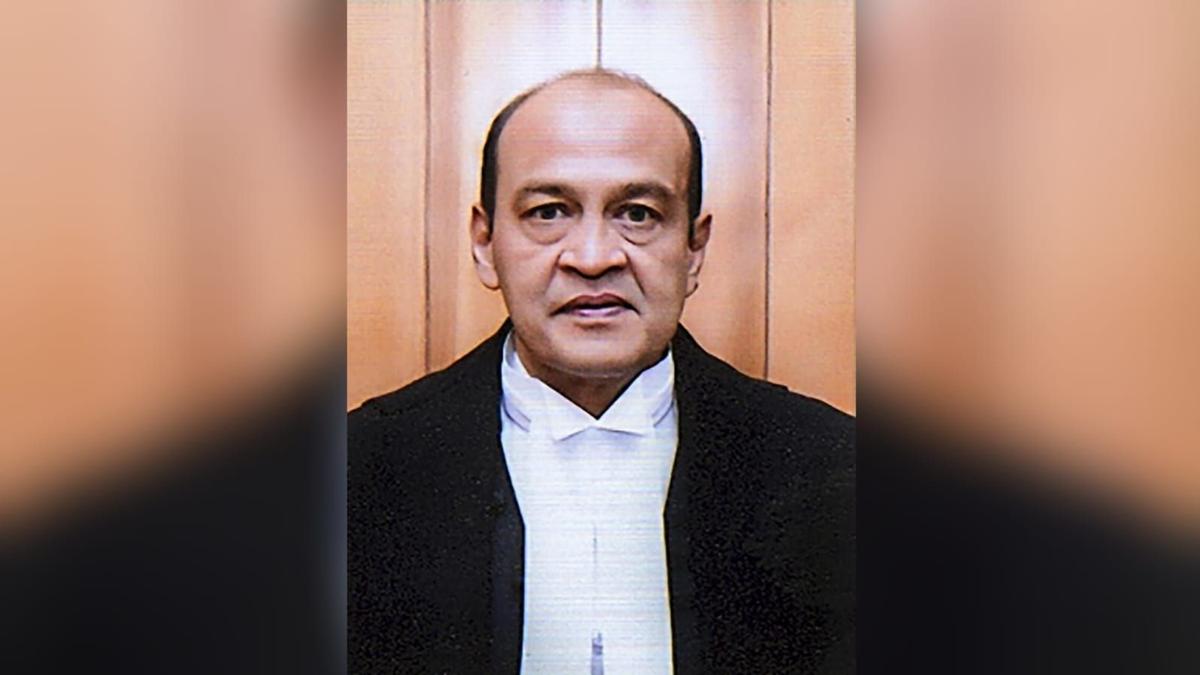
The parliamentary inquiry into allegations against Justice Yashwant Varma did not end with his resignation from the judiciary on April 9. In fact, 20 days after the resignation, the Lok Sabha secretariat conveyed to the three-member inquiry committee that Speaker Om Birla wanted the panel to complete its investigation and submit its report under the Judges (Inquiry) Act, 1968.The panel noted that this was not simply a case of a judge staying away from proceedings. (File picture)The 126-page report of the committee, headed by Supreme Court judge Justice Aravind Kumar, records that on April 29, the joint secretary of the Lok Sabha secretariat wrote to the committee’s secretary stating that the “Hon’ble Speaker, Lok Sabha, had desired” that the Judges (Inquiry) Committee complete its investigation and submit its report in terms of Section 4(2) of the 1968 Act.The committee then proceeded to finalise its report despite Justice Varma having not only resigned but also withdrawn from the proceedings.“The committee accordingly proceeded to prepare the present Report on the basis of available material. It is clarified that the findings recorded herein are founded only upon the material already taken on record in the course of the inquiry, including the statement of defence, additional statement of defence, oral evidence, cross-examination, exhibits, documents and electronic evidence marked during the proceedings,” stated the report.It also clarified clear that the committee itself had already concluded on April 21 that Justice Varma’s withdrawal could not bring the statutory inquiry to an end. It recorded that by the time he withdrew, the charges had been framed and served, his statements of defence had been received, relied-upon material had been supplied and inspected, interlocutory applications had been heard, nine witnesses had been examined and cross-examined, and documentary and electronic evidence had been marked.“A statutory inquiry of this nature cannot be made to depend upon unilateral withdrawal after the evidentiary record has substantially come on record,” said the committee, holding that Justice Varma had been afforded the opportunity to cross-examine witnesses, adduce evidence and be heard in defence.The panel noted that this was not simply a case of a judge staying away from proceedings. Justice Varma had participated through lawyers, challenged the procedure, filed interlocutory applications, inspected records and cross-examined witnesses before withdrawing at the stage when he was required to lead his defence. “At such a stage, withdrawal from participation could not disband the inquiry or efface the evidence already available,” the committee said.The report also records that Justice Varma had on April 9 communicated his decision to withdraw from further participation after failing to furnish the list of defence witnesses and affidavits within the extended deadline. The committee subsequently discharged the lawyers appearing for him and concluded the proceedings, stating that its report would follow.It was against this backdrop that the Lok Sabha Secretariat’s communication of April 29 assumed significance. The Speaker’s direction, as recorded by the committee, effectively made clear that the resignation did not bring the statutory inquiry to a close.The committee thereafter proceeded to prepare its report “on the basis of available material”. It specifically clarified that its findings were based only on material already brought on record during the inquiry, including Justice Varma’s statement of defence and additional statement of defence, oral evidence, cross-examination, exhibits, documents and electronic evidence.To be sure, Justice Varma had also challenged the initiation of the parliamentary removal process before the Supreme Court. In January 2026, a bench led by Justice Dipankar Datta dismissed his challenge, holding that “constitutional safeguards for judges cannot come at the cost of paralysing the removal process itself”.The Supreme Court had rejected Justice Varma’s contention that the Lok Sabha Speaker’s decision to constitute the inquiry committee could be stalled because the Rajya Sabha had declined to admit the parallel removal motion or because of the vacancy in the office of the Rajya Sabha chairman. The court held that there was no present or inevitable infraction of any fundamental right warranting interference.The parliamentary proceedings had their genesis in the controversy over the alleged discovery of burnt currency at Justice Varma’s official residence in Delhi following a fire on the night of March 14, 2025. An in-house committee subsequently found his explanation unsatisfactory, following which then CJI Sanjiv Khanna asked him to resign or face the constitutional process for removal.Notices seeking his removal were subsequently moved in both Houses on July 21, 2025. While the Lok Sabha Speaker admitted the motion on August 12 and constituted the inquiry committee under the 1968 Act, the Rajya Sabha Deputy chairman declined to admit the parallel motion, holding it defective.The committee was originally constituted with Justice Aravind Kumar, Justice Maninder Mohan Shrivastava -- then chief justice of the Madras High Court, and senior advocate BV Acharya. Following Justice Shrivastava’s retirement, the panel was reconstituted with Justice Shree Chandrashekhar, then Chief Justice of the Bombay High Court and now a Supreme Court judge.The committee ultimately went on to record findings that all three articles of charge against Justice Varma were proved, while clarifying that those findings were based on the evidentiary record already created before his withdrawal.The episode now raises a larger constitutional question: whether Justice Varma’s resignation has brought the removal process to an end, or whether Parliament can still act on the committee’s findings despite his having resigned.
After Justice Varma’s resignation, LS Speaker asked panel to complete probe, submit report
The 126-page report of the committee, headed by SC judge Justice Aravind Kumar, records that on April 29, the joint secretary of the Lok Sabha secretariat wrote to the committee’s secretary | India News
880 words~4 min read