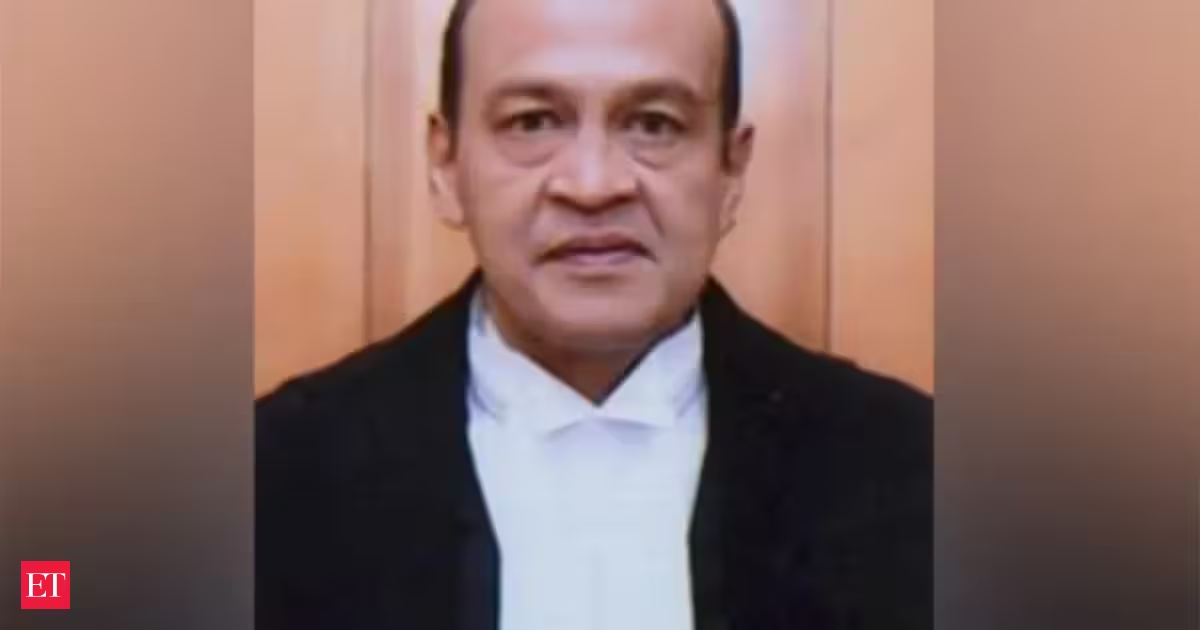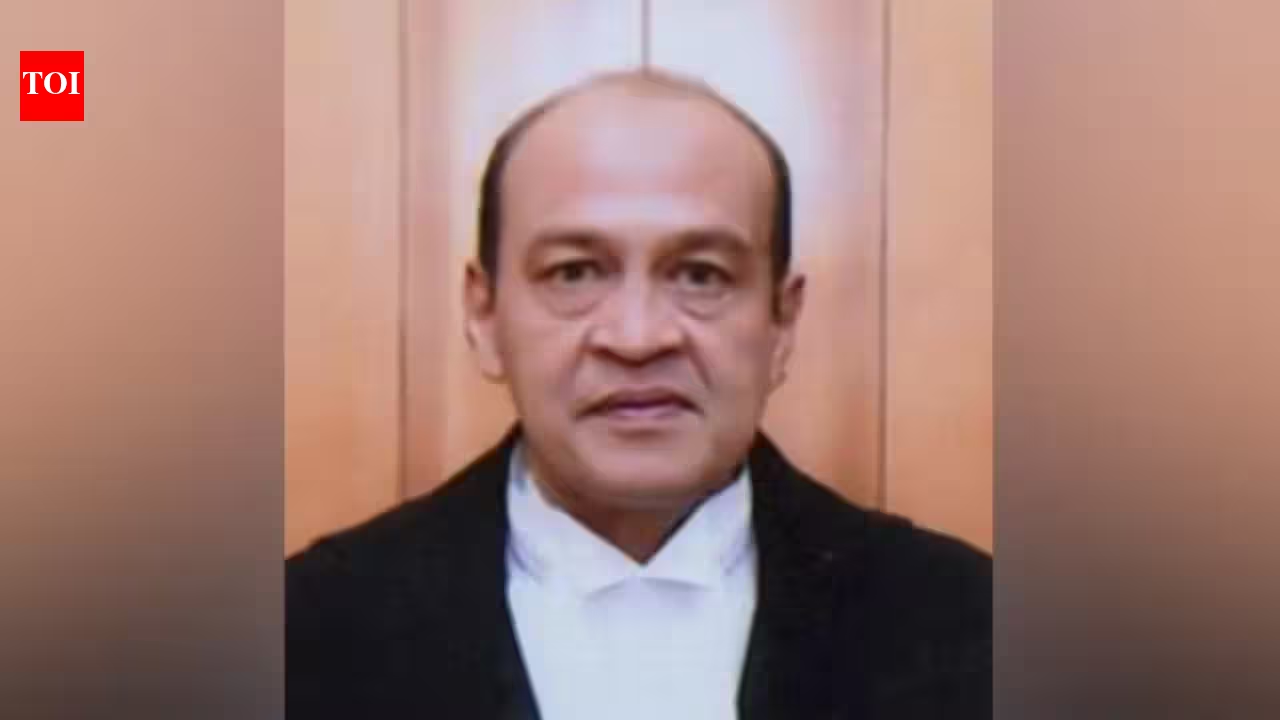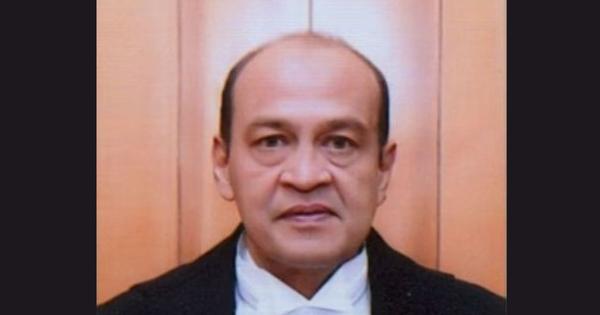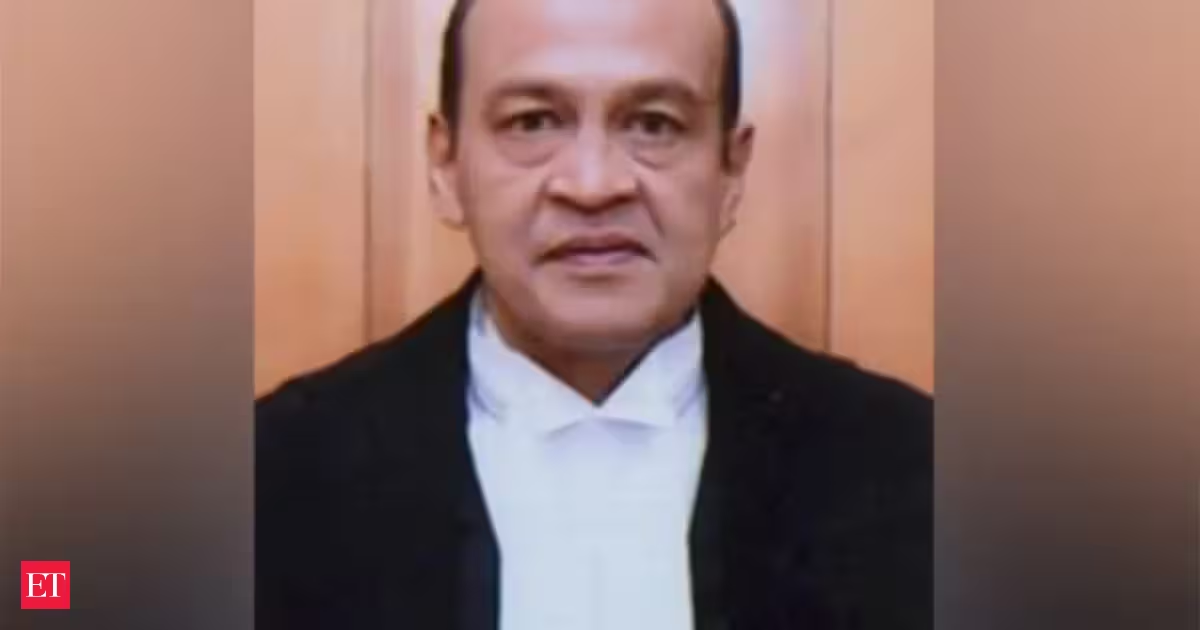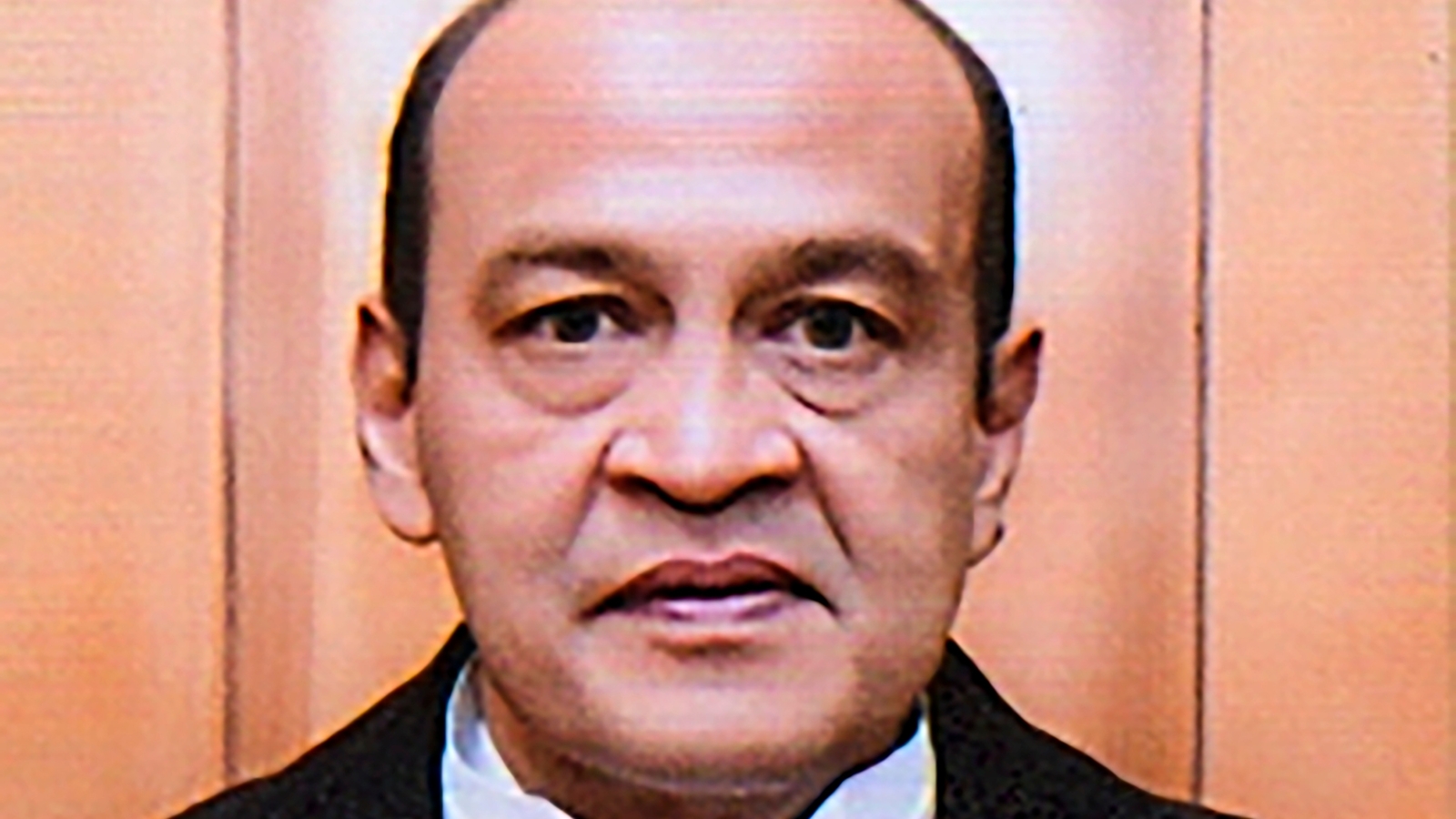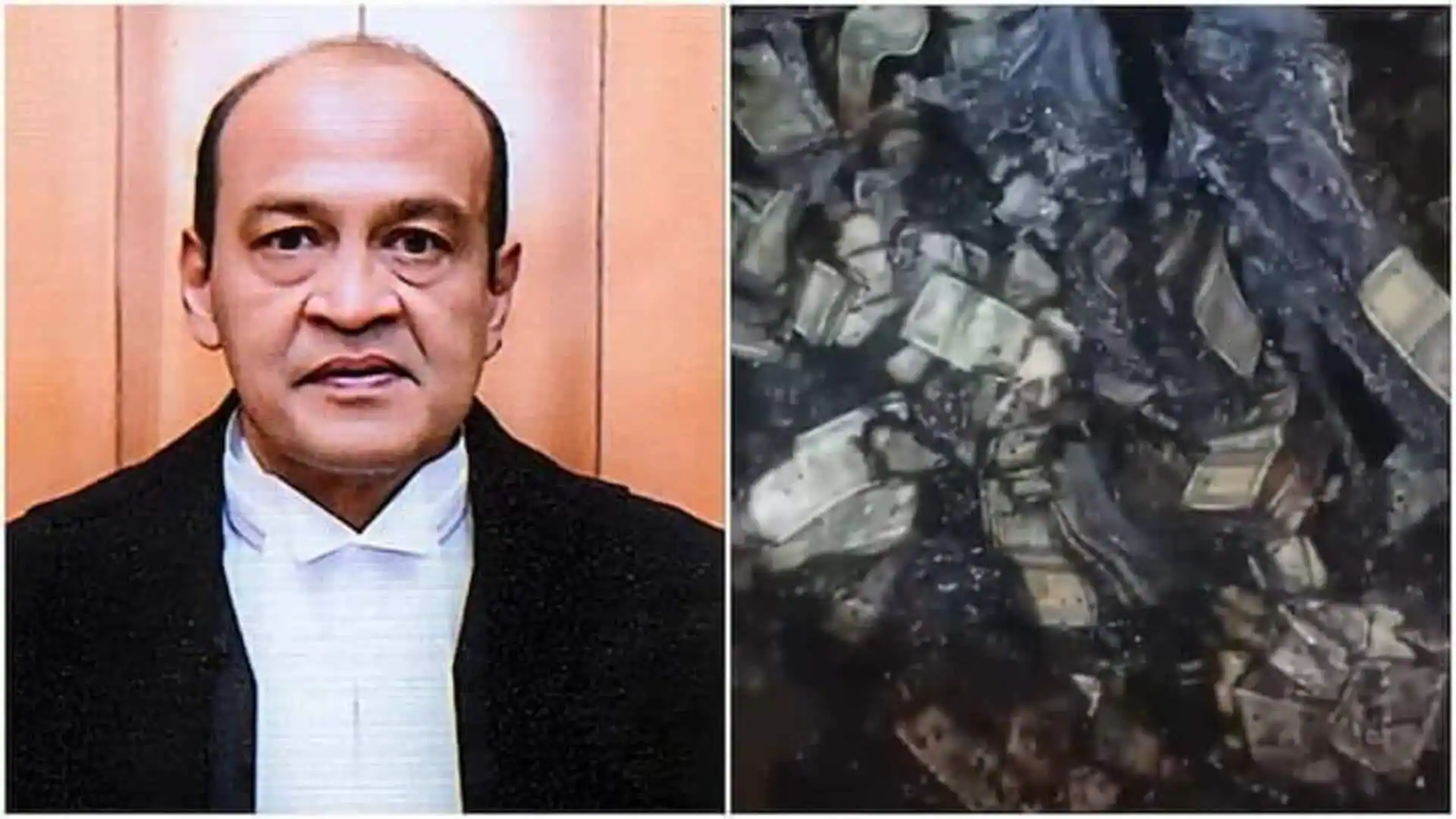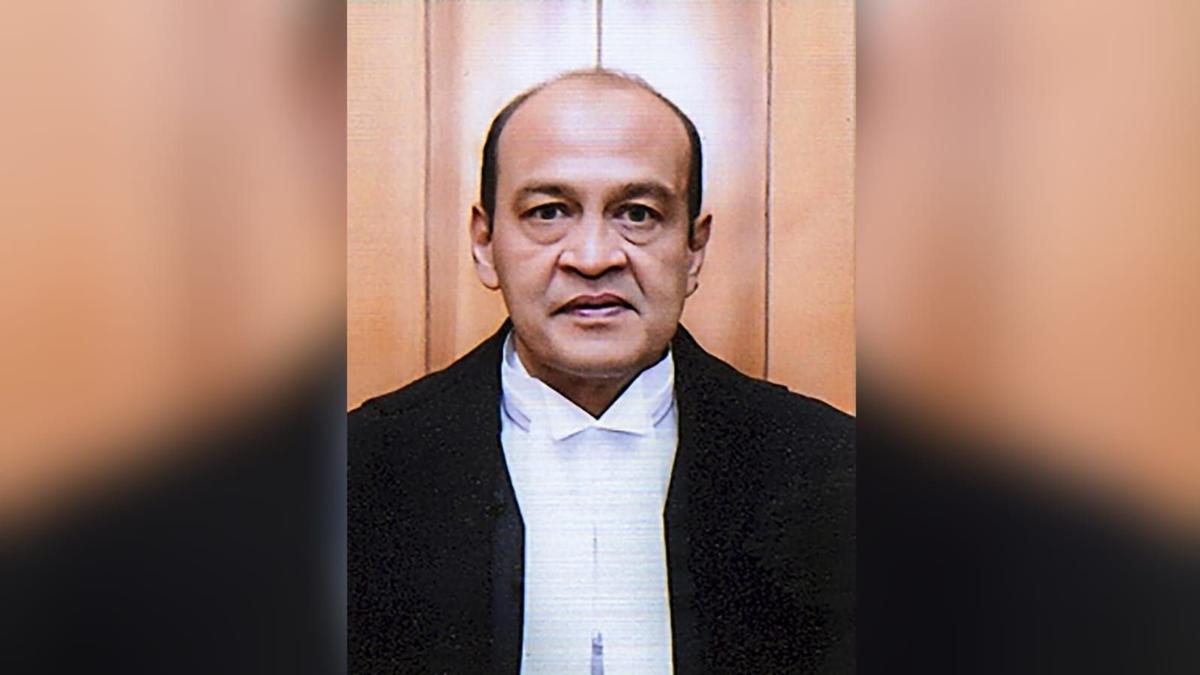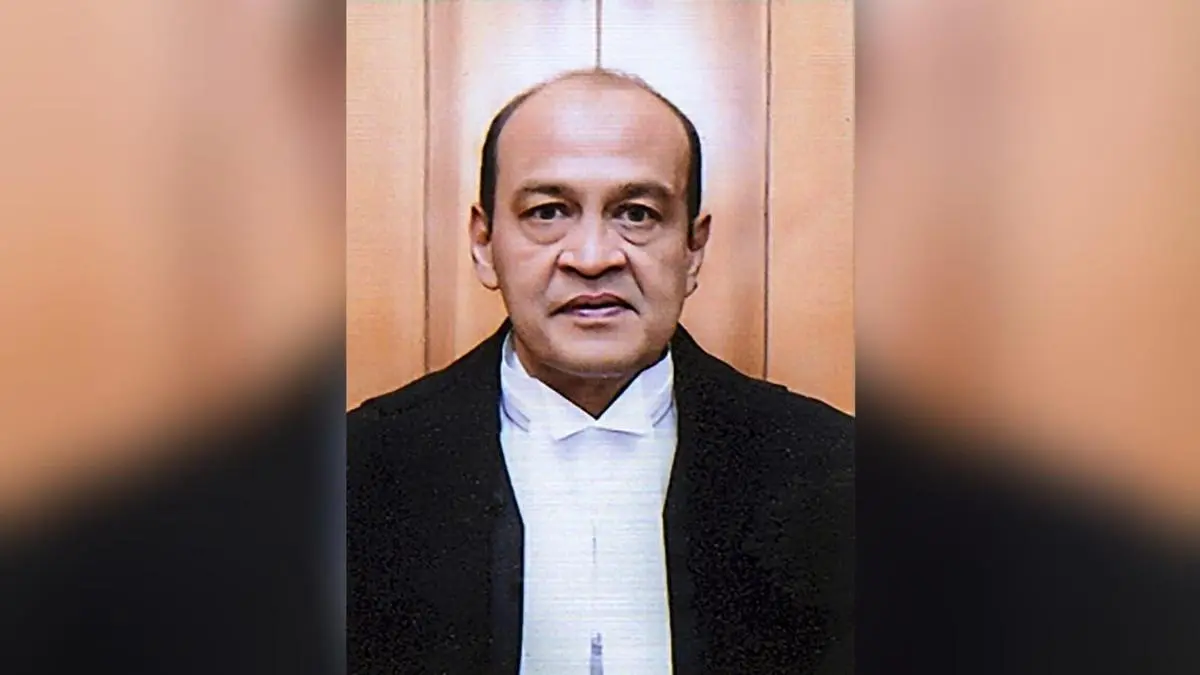
A three-member panel set up by the Lok Sabha Speaker has indicted former Allahabad High Court Judge Yashwant Varma for failing to satisfactorily explain the presence, source, and ownership of a large amount of cash found at his residence in the national capital.The Committee report in two volumes, submitted in both houses of Parliament on Wednesday, stated that the charges of holding unaccounted cash against Varma are “proven.” However, Varma resigned in April of this year, nullifying the government’s efforts to impeach him, which were initiated by Parliament after the case came to public attention.Resignation statusCongress MP Manish Tiwari also raised this issue: “Can Parliament impeach a judge who has resigned but whose resignation has either not been accepted or has not been notified? On the website of the Allahabad High Court, Justice Yashwant Sinha continues to appear as a judge,” he posted on X ahead of the tabling of the report.“So therefore, the government needs to clarify as to what is the status of that resignation. Has the government accepted it, not accepted it, or rejected the resignation? And in either circumstance, acceptance or rejection, why hasn’t it been made public?” he asked.Varma’s reply to the panel, dated March 22, 2025, which included an explanation on the presence of cash, “was found unsatisfactory”.“Varma’s response lacked candour, transparency and institutional responsibility,” the report said. “The Committee therefore records its final findings that Articles of charges I, II and III are proved,” read the indictment of Justice Varma.As per the report, before being shifted to Allahabad High Court after the controversy broke out, Justice Varma was posted at the Delhi High Court and was allotted 30 Tughlak Crescent, New Delhi, as his official residence.Way back on March 14 last year, a fire broke out at his official residence. When firefighters rushed to Tughlak Crescent residence to douse the blaze, they allegedly came across large amounts of burnt currency in a storeroom.Large quantities of unexplained ₹500 currency notes were found in a storeroom inside the official residence at 30 Tughlak Crescent, New Delhi. The judge failed to provide a satisfactory explanation regarding the presence, source, and ownership of the cash,” the committee flagged in its report.Probe LapsesAnother disturbing trend the panel pointed out was that the subsequent probe was not conducted properly, as it found that the currency notes had disappeared from the scene.“Material evidence was not properly secured or preserved. The evidentiary condition of the storeroom was disturbed before lawful sealing and inspection,” the report stressed, adding that the “subsequent disappearance/non-availability of the currency notes remains unexplained”.The loss of material evidence, as ascertained by the panel, was due to the “failure to preserve evidence” and to the disturbance of the storeroom by staff attached to the premises.The committee, though, believed that it “did not find proof that the judge personally removed the cash”.It had framed three charges — firstly, discovery and possession of unexplained Indian currency notes within official premises; secondly, failure to preserve and causing interference with material evidence; and thirdly, furnishing evasive and misleading explanations.Interestingly, the panel noted that Justice Varma initially denied the allegations but later suggested different possibilities, including that the cash may have been planted or that there could have been a conspiracy involving others.He, however, failed to produce any evidence to back his claims.The probing members wondered why no FIR was lodged if the cash was planted or relevant staff members, too, were not examined as defence witnesses.The panel drew an adverse inference against the Varma from these circumstances.Before the parliamentary probe, an in-house committee constituted by then Chief Justice of India Sanjiv Khanna had concluded that Justice Varma had “active or tacit control” over the storeroom in which the cash was hidden.Published on August 12, 2026
Parliamentary panel indicts ex-Judge Yashwant Varma in cash probe
Parliamentary panel indicts ex-Judge Yashwant Varma for unaccounted cash; resignation complicates impeachment proceedings and raises questions on evidence handling.
622 words~3 min read