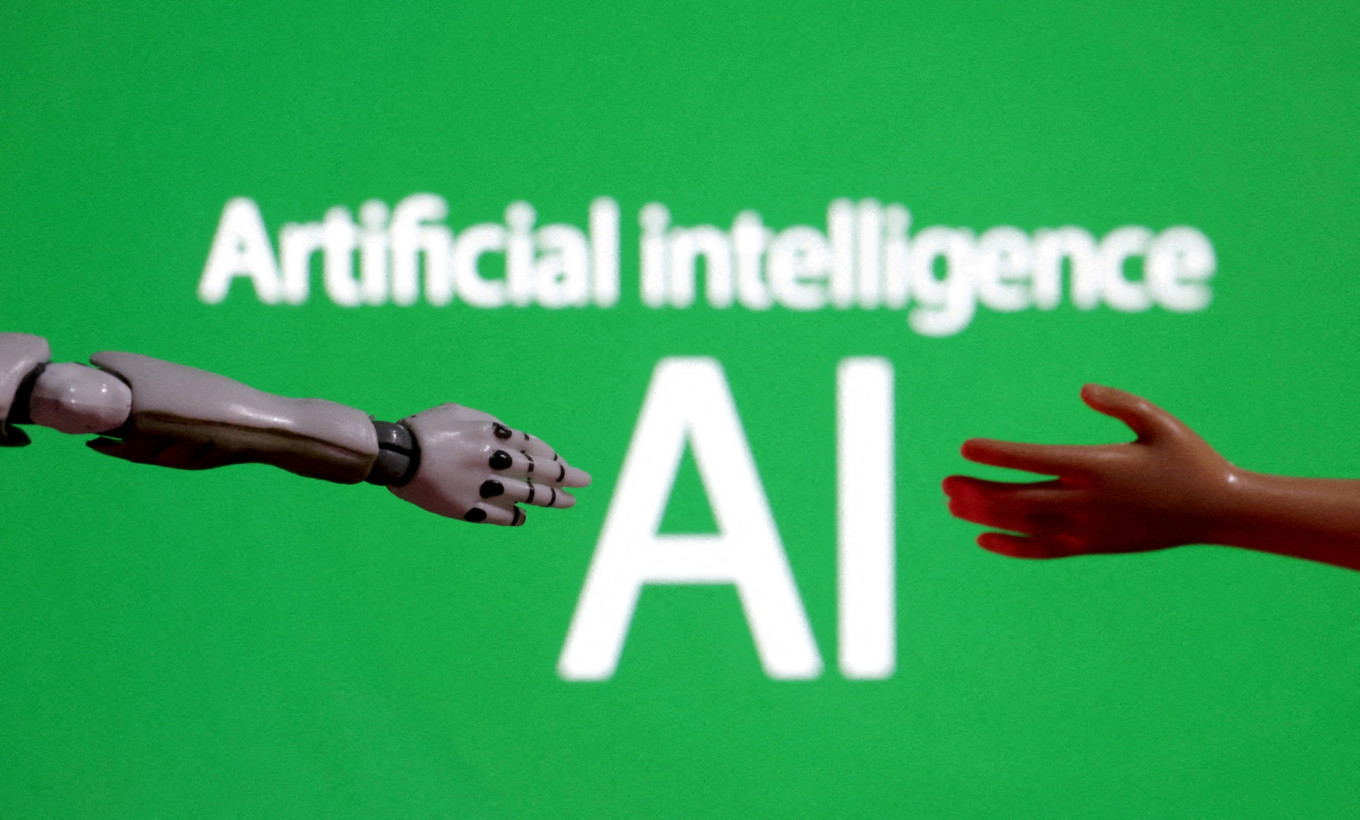
Artificial intelligence (AI) is transforming economies around the world, but much of the discussion about it focuses on software, algorithms, computing power, regulation, and talent. While these factors are important, they overlook the one major precondition upon which everything else depends: a reliable supply of electricity.
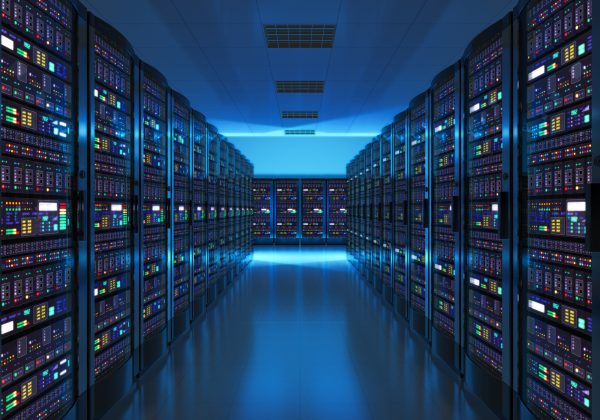
Every AI application ultimately runs inside an AI data center and requires industrial land, electrical substations, cooling systems, fiber-optic connectivity, backup power, and, depending on the cooling technology employed, significant quantities of water. Without this infrastructure and the energy to power it, even the most advanced AI software, algorithms, and talent cannot be deployed at scale.
For Indonesia, this raises an important strategic question: Does it have the land, infrastructure, and energy needed to become a leading destination for AI investment? The answer will help determine whether Indonesia becomes a regional AI hub or watches investment flow elsewhere.
The Energy Bottleneck in Digital Infrastructure
AI is rapidly becoming as dependent on energy as it is on technology. Training advanced AI models requires vast numbers of specialized processors operating continuously for weeks or months. Even after models have been trained, serving millions of AI queries each day creates a permanent and growing demand for electricity. The newest AI data centers already consume hundreds of megawatts of power, while some planned facilities are expected to consume as much electricity as medium-sized cities.