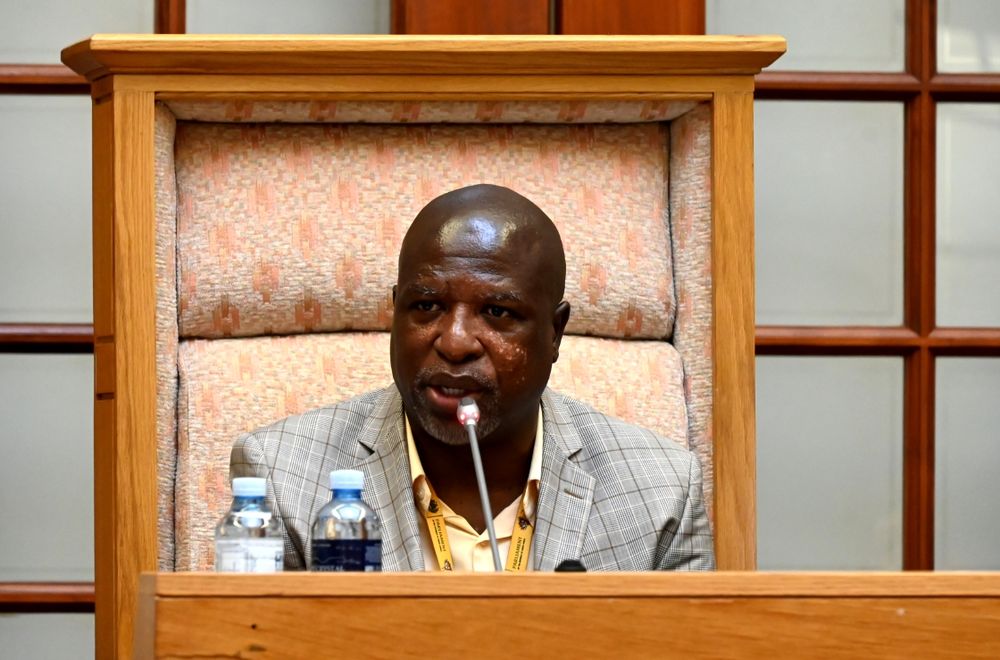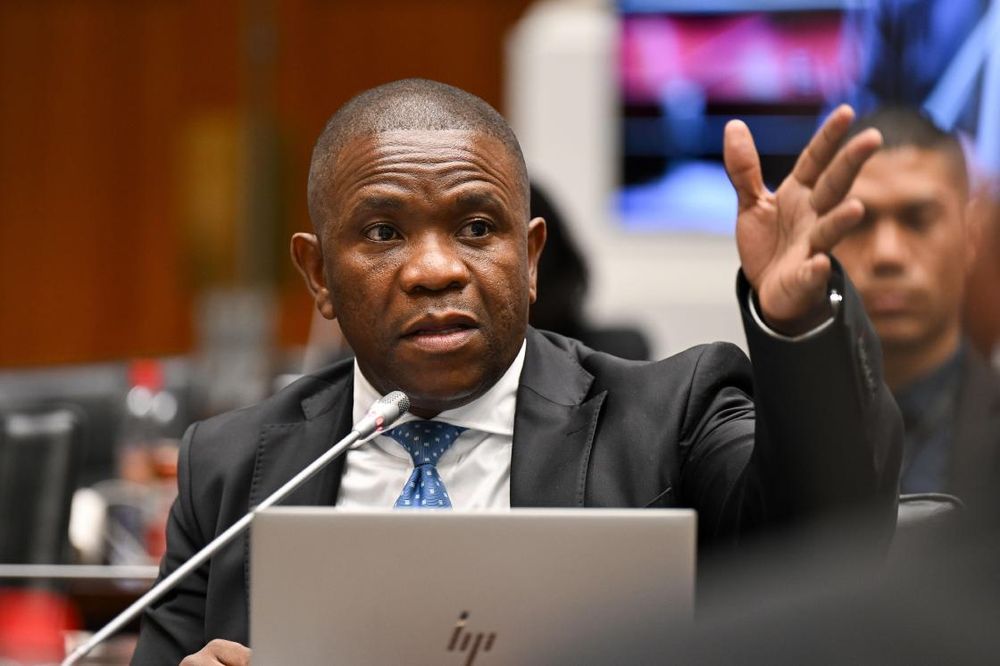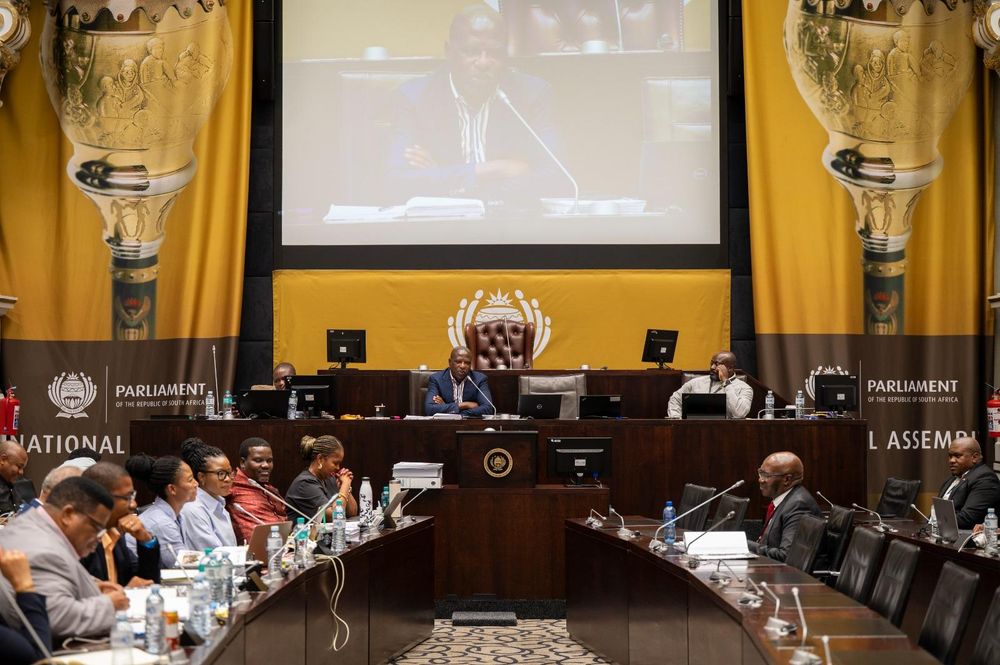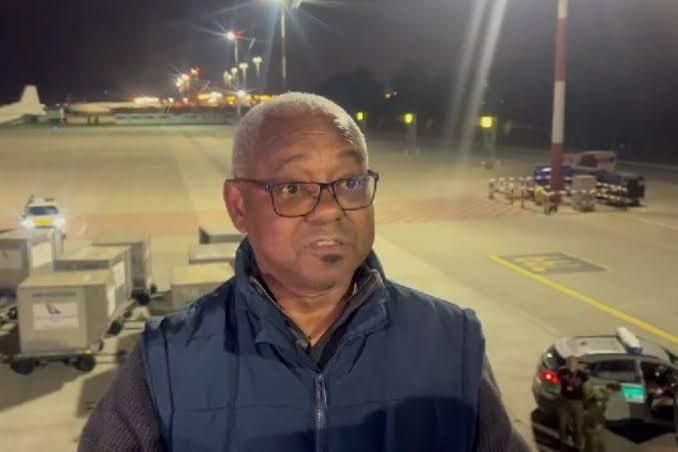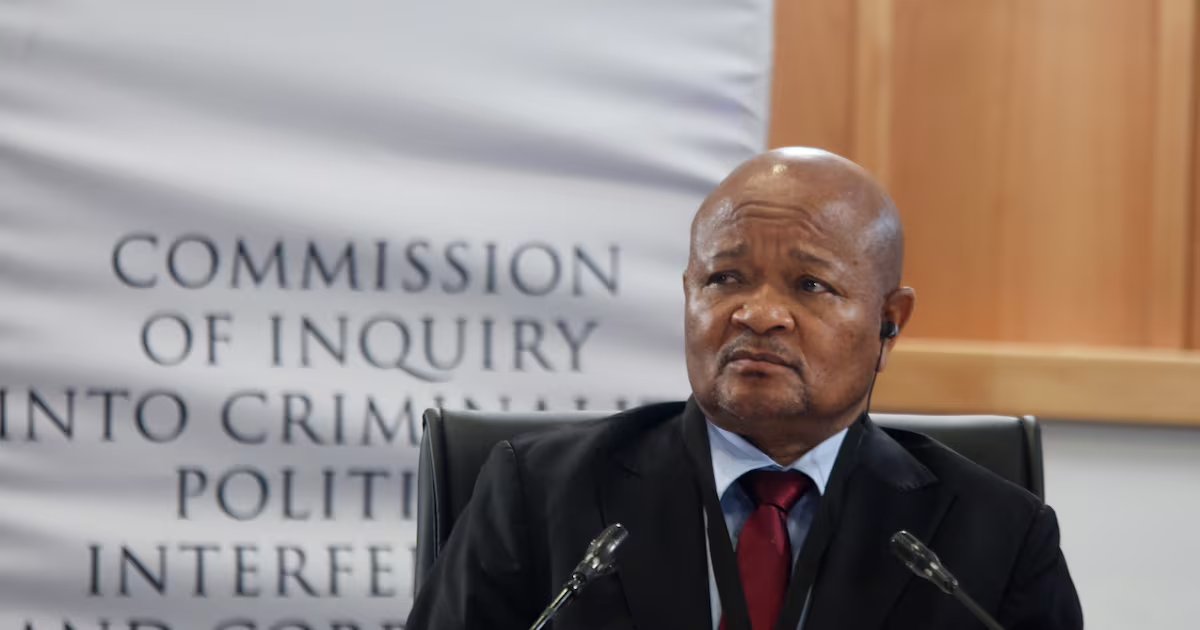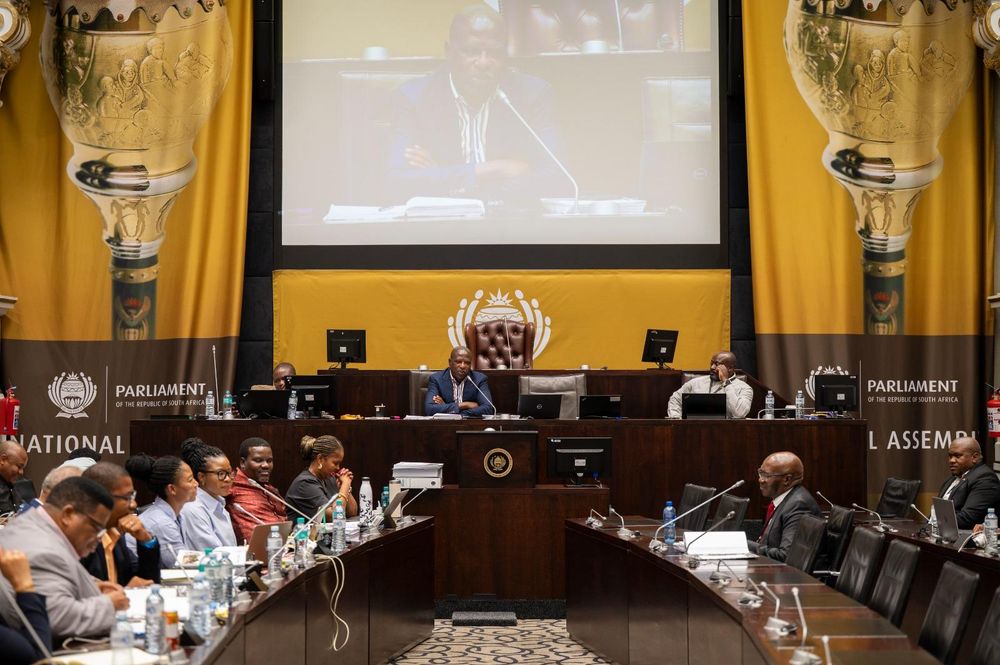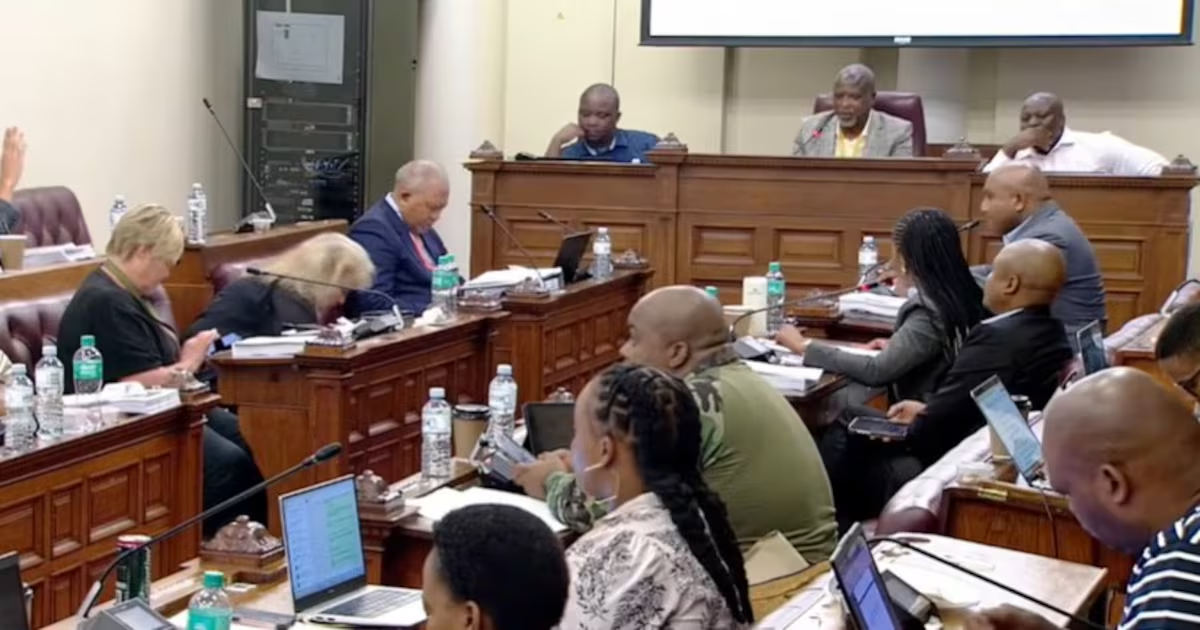
Parliament’s inquiry into allegations of police corruption and political interference is entering a critical phase, with MPs divided over how far the committee can go in making findings against people implicated by the evidence.The ad hoc committee investigating allegations made by KwaZulu-Natal police commissioner Lt-Gen Nhlanhla Mkhwanazi resumed deliberations on Thursday on its fourth draft report, with chair Soviet Lekganyane warning that the committee risks damaging parliament’s credibility if it fails to clearly identify wrongdoing if it believes the evidence supports such a conclusion.Lekganyane’s intervention came as the DA cautioned committee members against making findings based on hearsay, conjecture or evidence that does not meet the committee’s mandate.DA chief whip Glynnis Breytenbach has argued that parliament must distinguish between exercising its oversight powers and effectively determining the guilt of individuals implicated during the inquiry.The disagreement goes to the heart of what the committee’s final report will ultimately be able to say.“This committee cannot become a laughing stock; this committee cannot become a joke,” Lekganyane said.“Where wrongs have been made or committed, the committee must come out very clearly and unambiguously and say there was a wrong here.”The committee’s challenge is, therefore, not simply to complete its report but to produce one that can withstand scrutiny over the evidence supporting its conclusions.The inquiry was established after Mkhwanazi made wide-ranging allegations concerning political interference, criminal networks and problems in the criminal justice system.Since then, the committee has heard evidence from Mkhwanazi and other witnesses and has had to grapple with competing accounts of events, gaps in documentation and disputes over the reliability of some evidence.When Mkhwanazi gave his final testimony to the committee in March, MPs acknowledged the seriousness of the allegations but also warned against drawing conclusions without corroborating evidence.Parliament said at the time that questions had been raised about gaps in documentation and the need for further witnesses to substantiate some claims. That tension has continued into the drafting process.Parliament said in July that political parties had already submitted proposed findings based on their assessment of the evidence. The committee’s evidence leaders and content team had also produced an assessment, with members broadly agreeing with its thrust while proposing additions and amendments. But there remain significant areas of disagreement.The committee cannot simply reproduce the allegations that were made during the inquiry. It must explain what was, and was not, established, and, if appropriate, what parliament believes should happen as a consequence.Yet, it must avoid turning parliamentary oversight into a substitute for a criminal trial.That distinction is likely to be one of the central tests of the final report, particularly if MPs are considering findings concerning individuals who have denied allegations made against them.Parliament’s own account of the committee’s work has stressed that the inquiry is an exercise in constitutional oversight and that its recommendations should strengthen public confidence in parliament’s ability to hold the executive and state institutions to account.The committee has already had its lifespan extended several times as MPs struggle to complete the report.Speaker Thoko Didiza has now granted another extension, with the latest deadline set for September 11.Business Day
MPs split over extent of findings in police graft probe
Parliamentarians differ about how far the inquiry can go in implicating people in wrongdoing
512 words~2 min read