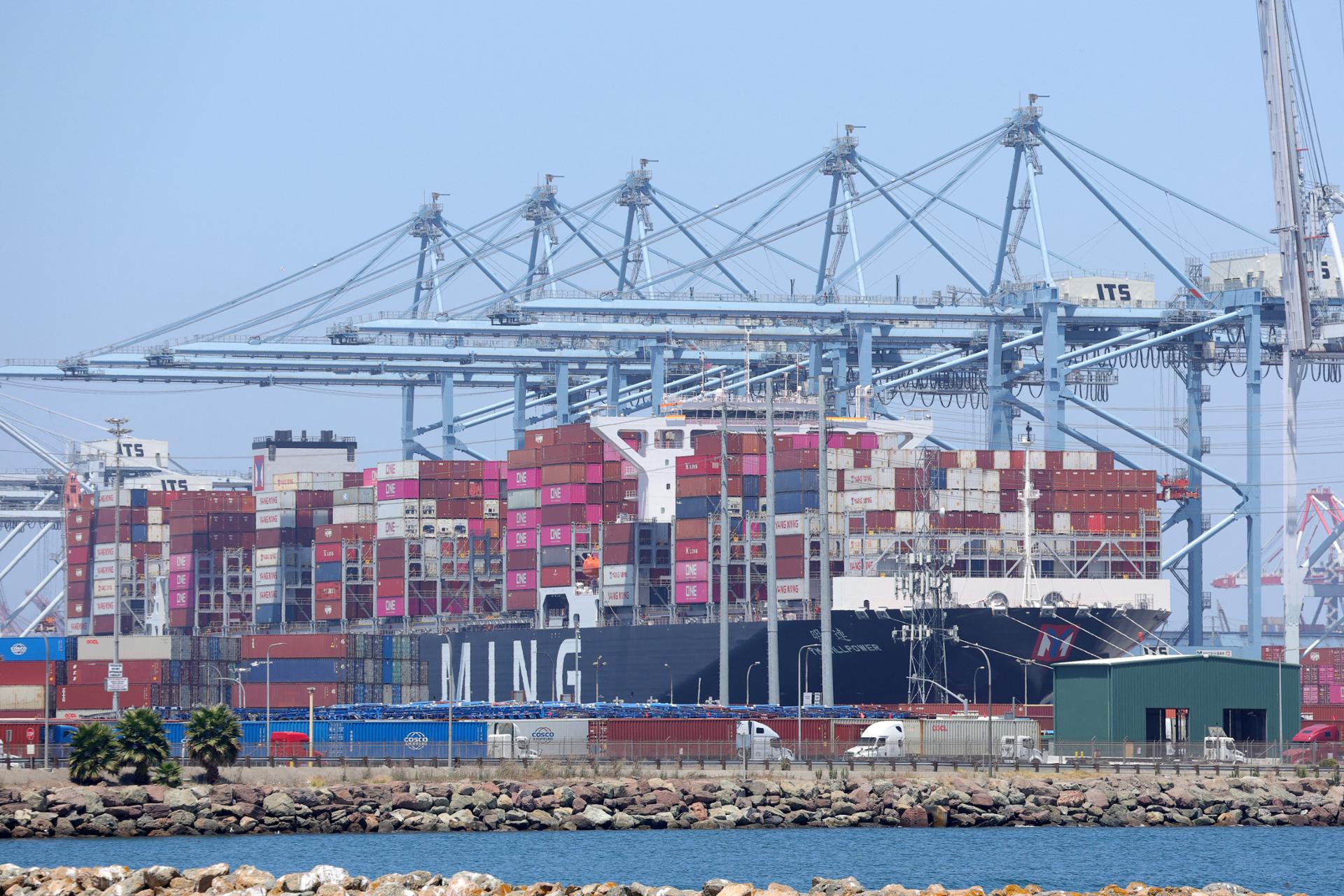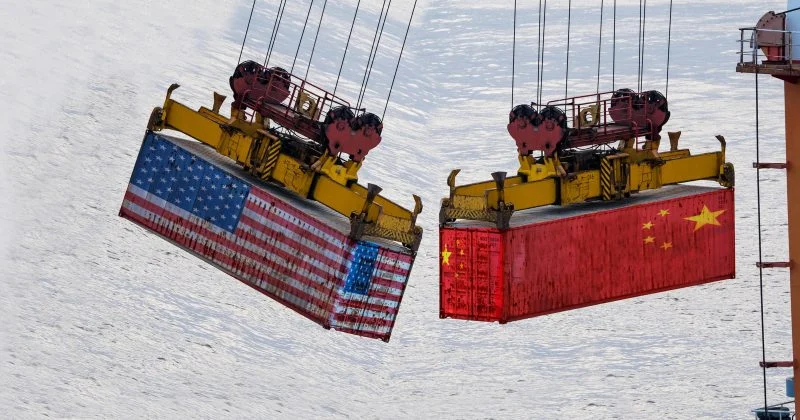
The White House dropped a report on Thursday with a title that reads more like a Netflix documentary than a policy paper: “The Great Transshipment Scam.” The findings paint a picture of a sprawling, multi-country shell game in which Chinese exporters allegedly funnel goods through dozens of intermediary nations to dodge US tariffs, costing the federal government somewhere between $19 billion and $26 billion in lost revenue every year.
The central estimate puts the total value of illegally transshipped goods at roughly $75 billion annually.
How the scam works
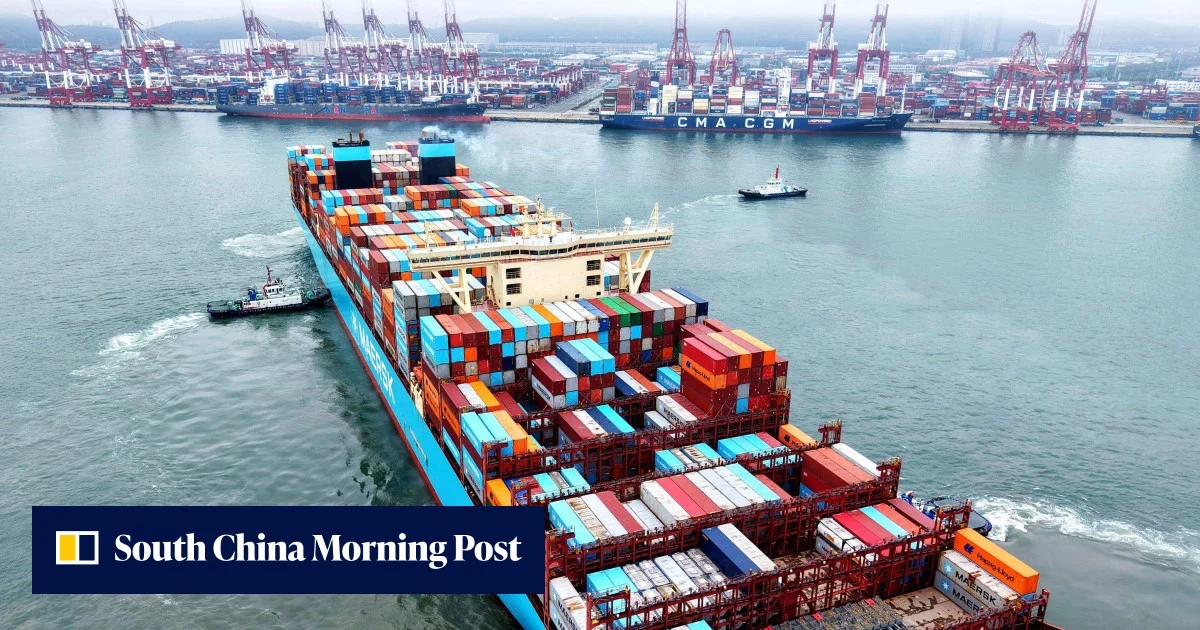
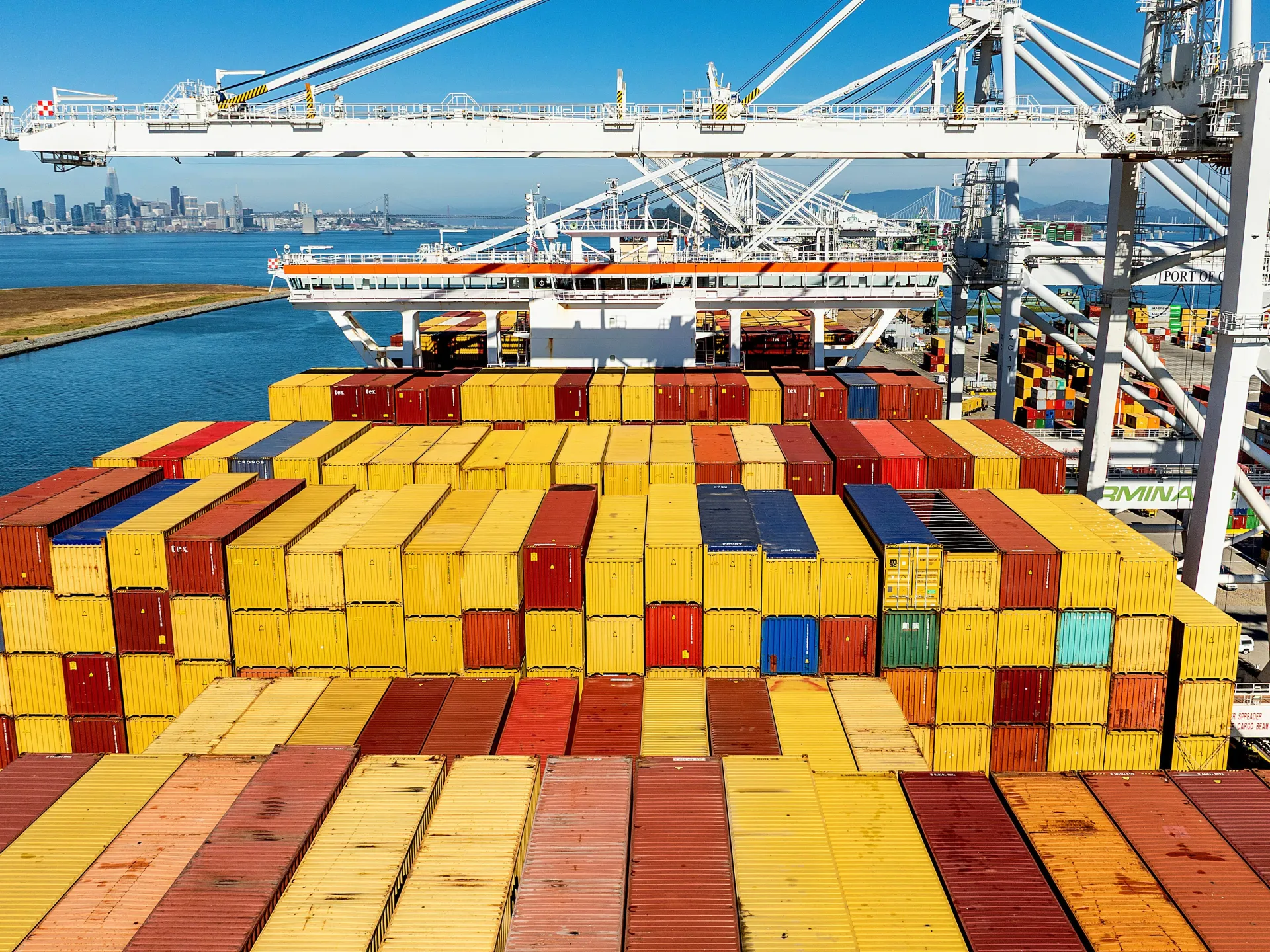
Transshipment, in its simplest form, is tariff laundering. A product made in China gets shipped to a third country, where it undergoes minimal cosmetic changes like relabeling, repackaging, or light assembly. It then enters the US market under the third country’s origin label, sidestepping the steep tariffs that would have applied to Chinese-made goods.
The White House report identifies more than 40 countries as posing elevated transshipment risk. Panama, Mexico, and Colombia top the list alongside China itself. Brazil, Argentina, Chile, Peru, Costa Rica, and the Dominican Republic also appear among the flagged nations.