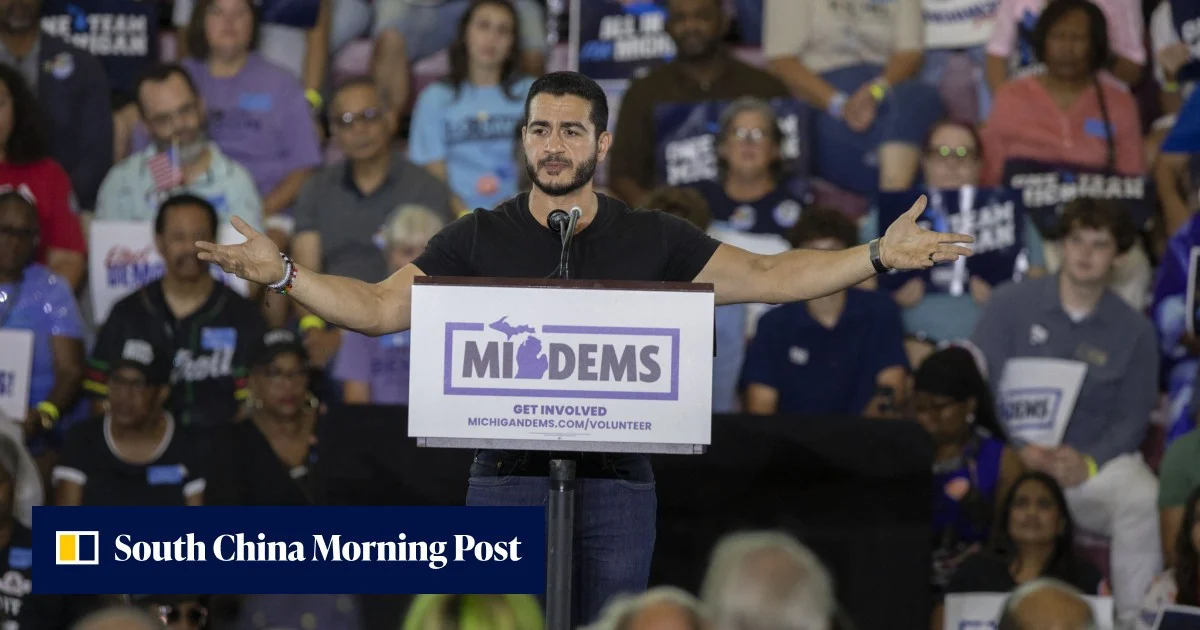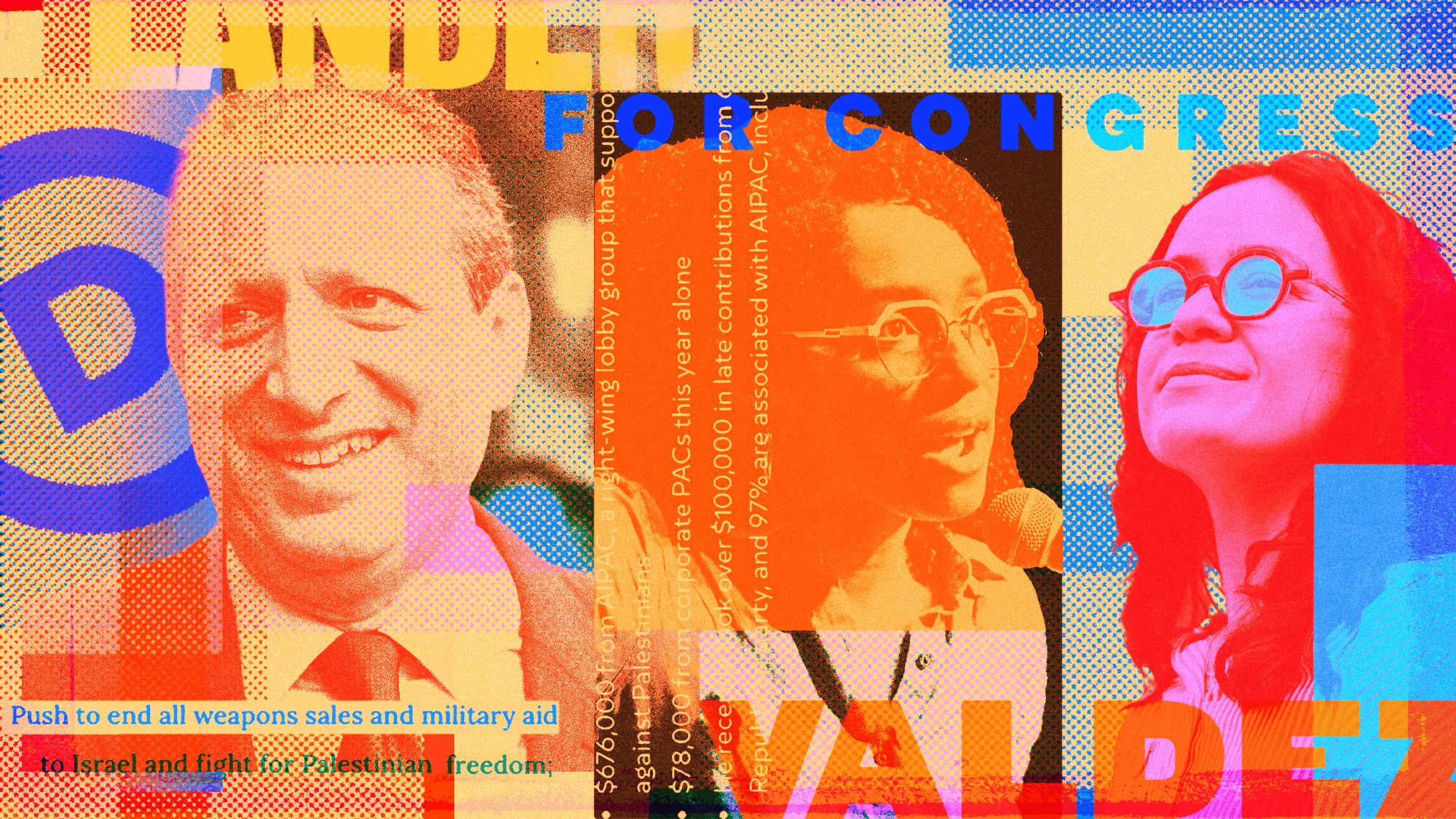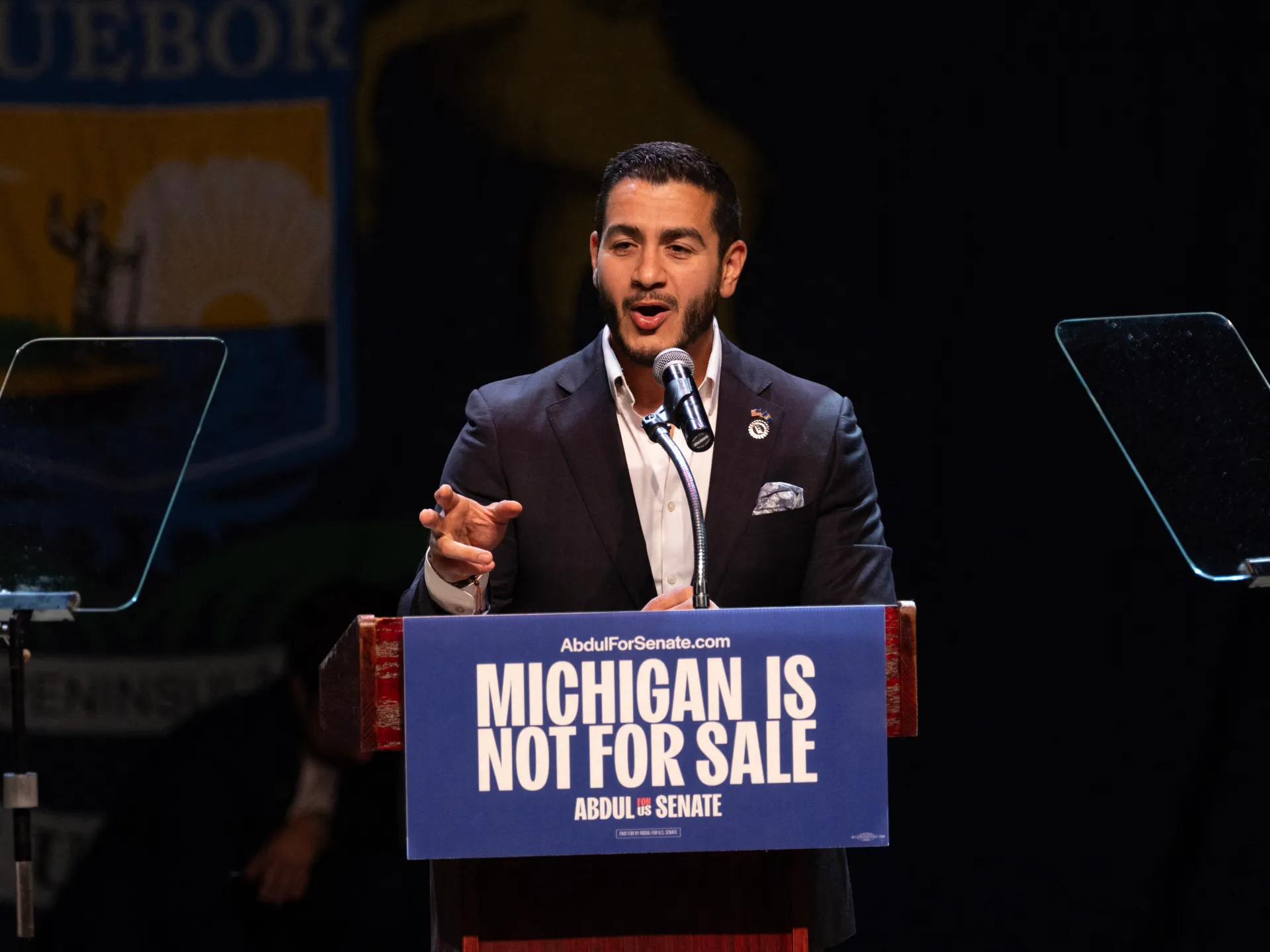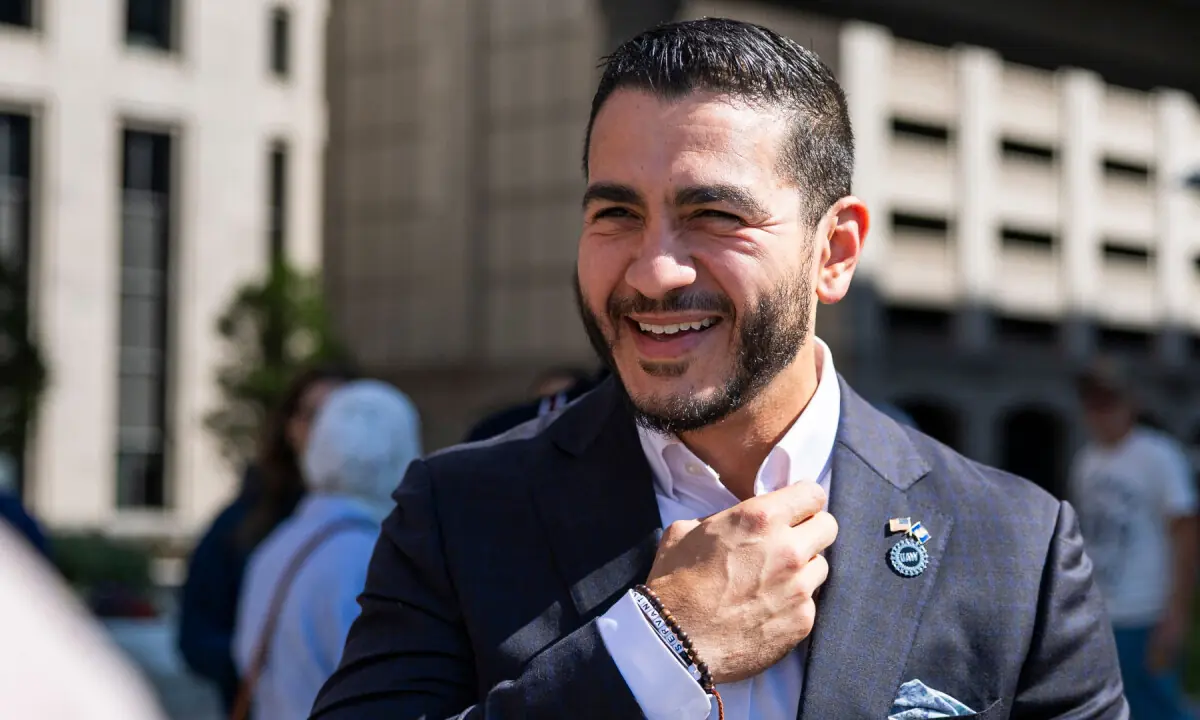
From Analilia Mejia to Abdul El-Sayed to Peggy Flanagan, a progressive winning streak in Democratic primaries has swept across the country in the lead-up to this year’s midterm elections. Unlike most midterm election cycles, where domestic issues dominate the political agenda, foreign policy has been thrust into the spotlight this time, with the Israel-Palestine conflict emerging as the defining litmus test of the Democratic Party. As progressive candidates have rallied behind the Palestinian cause in their battles against AIPAC-backed moderates, the party’s leftward ideological shift could impact not only the decades-long Israel-U.S. alliance, but also Washington’s policy toward its greatest strategic competitor: China.
Progressives perceive the world through the lens of structural inequality. That worldview lies at the heart of their dissatisfaction with the status quo of the U.S. socioeconomic structure: a widening gap between economic elites and ordinary people. As a result, they fight against corporate interests and political corruption, thereby translating their opposition to economic elites into opposition to the political establishment. The same logic applies to foreign affairs – progressives can readily translate their anti-establishment sentiment into opposition to American primacy, which has long been buttressed by bipartisan support for U.S. military dominance.