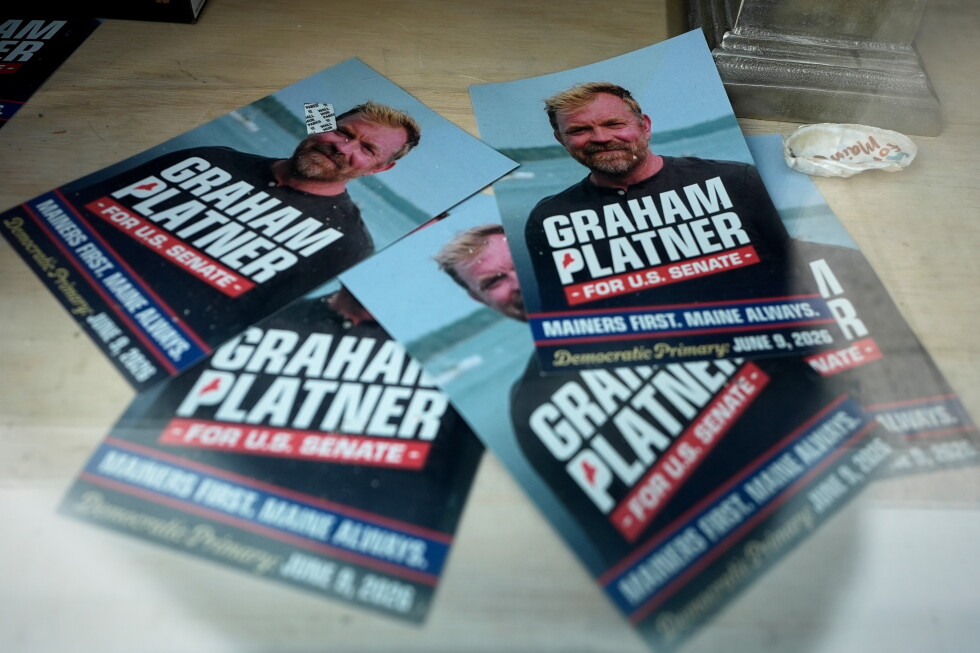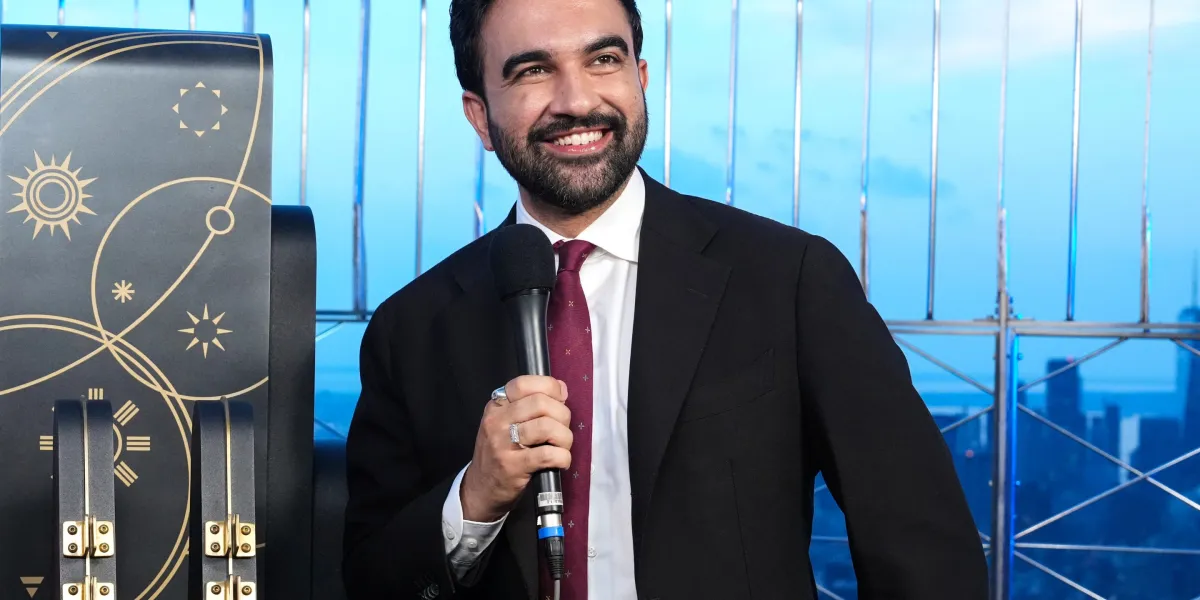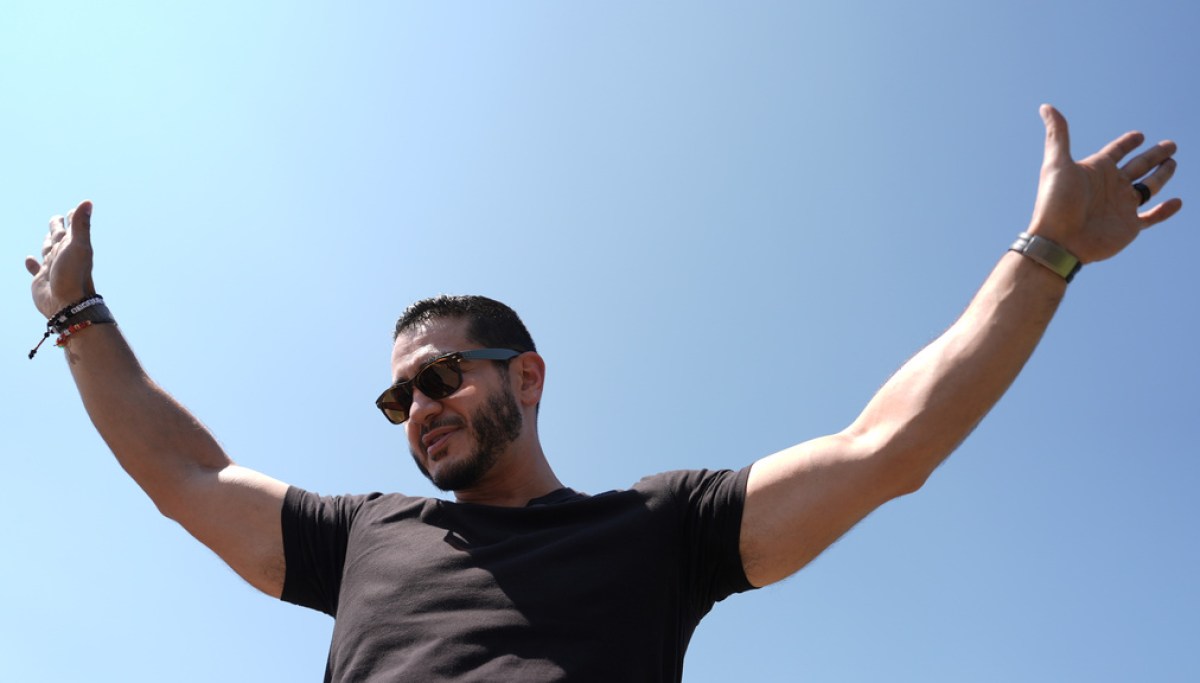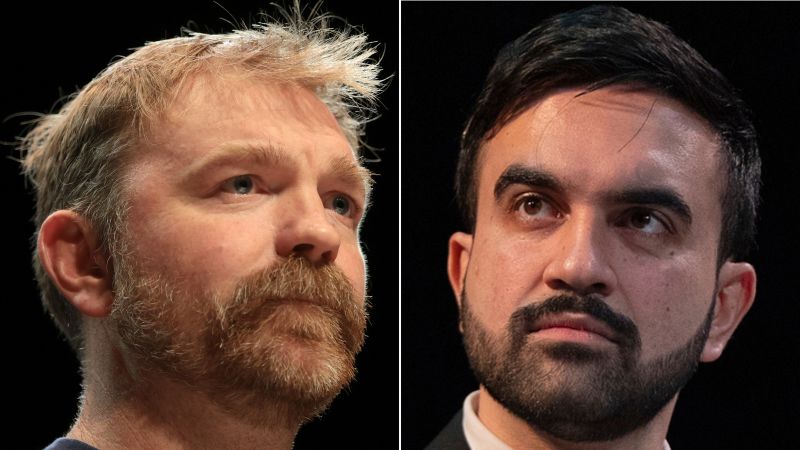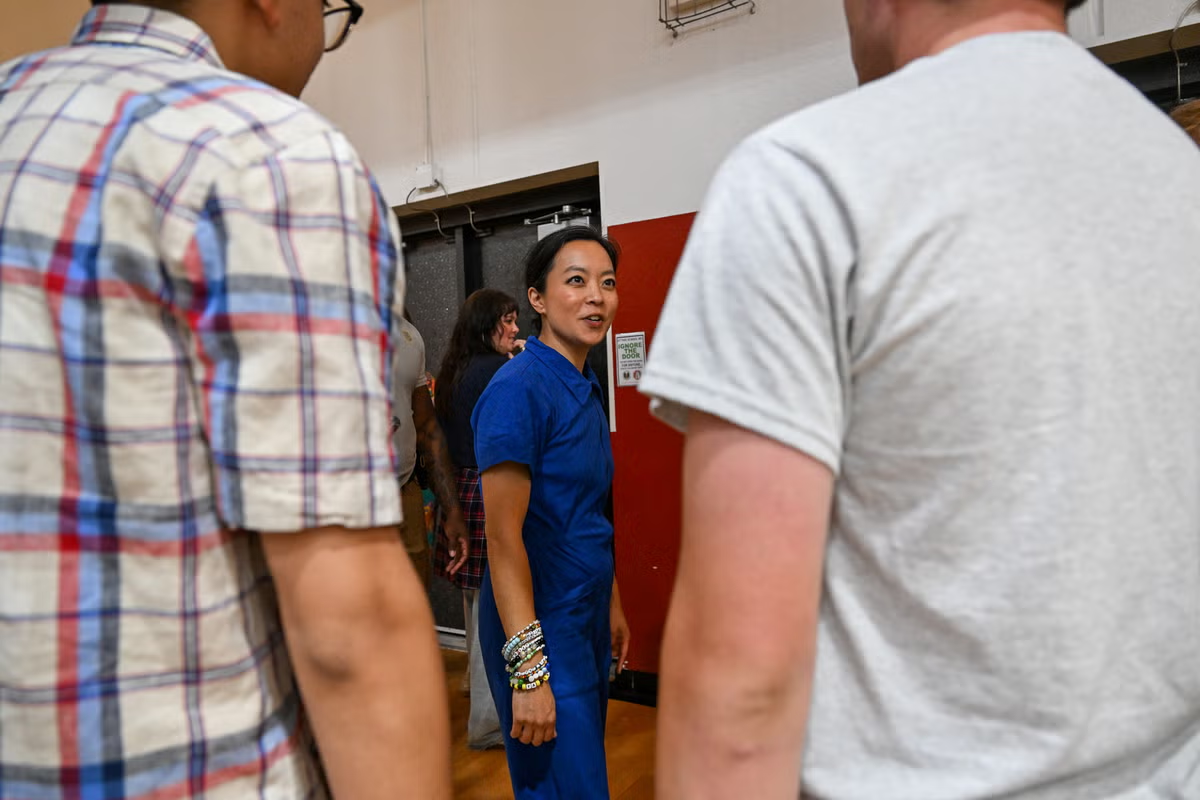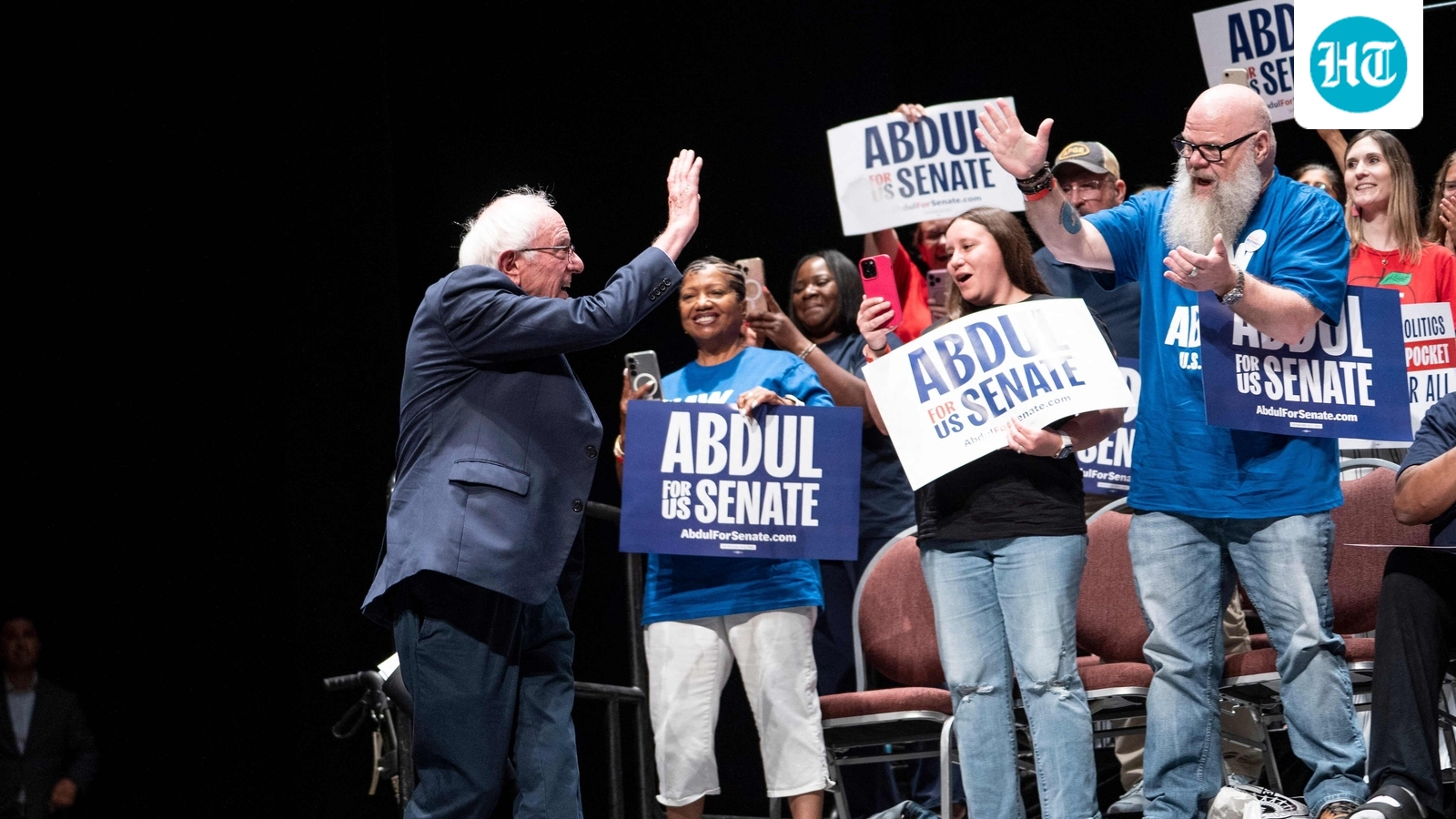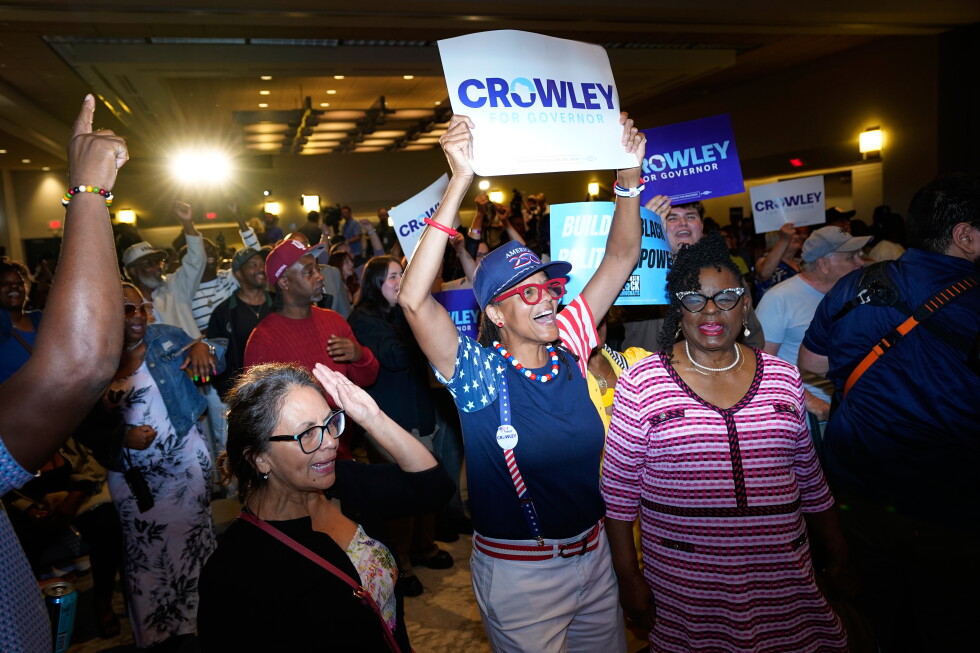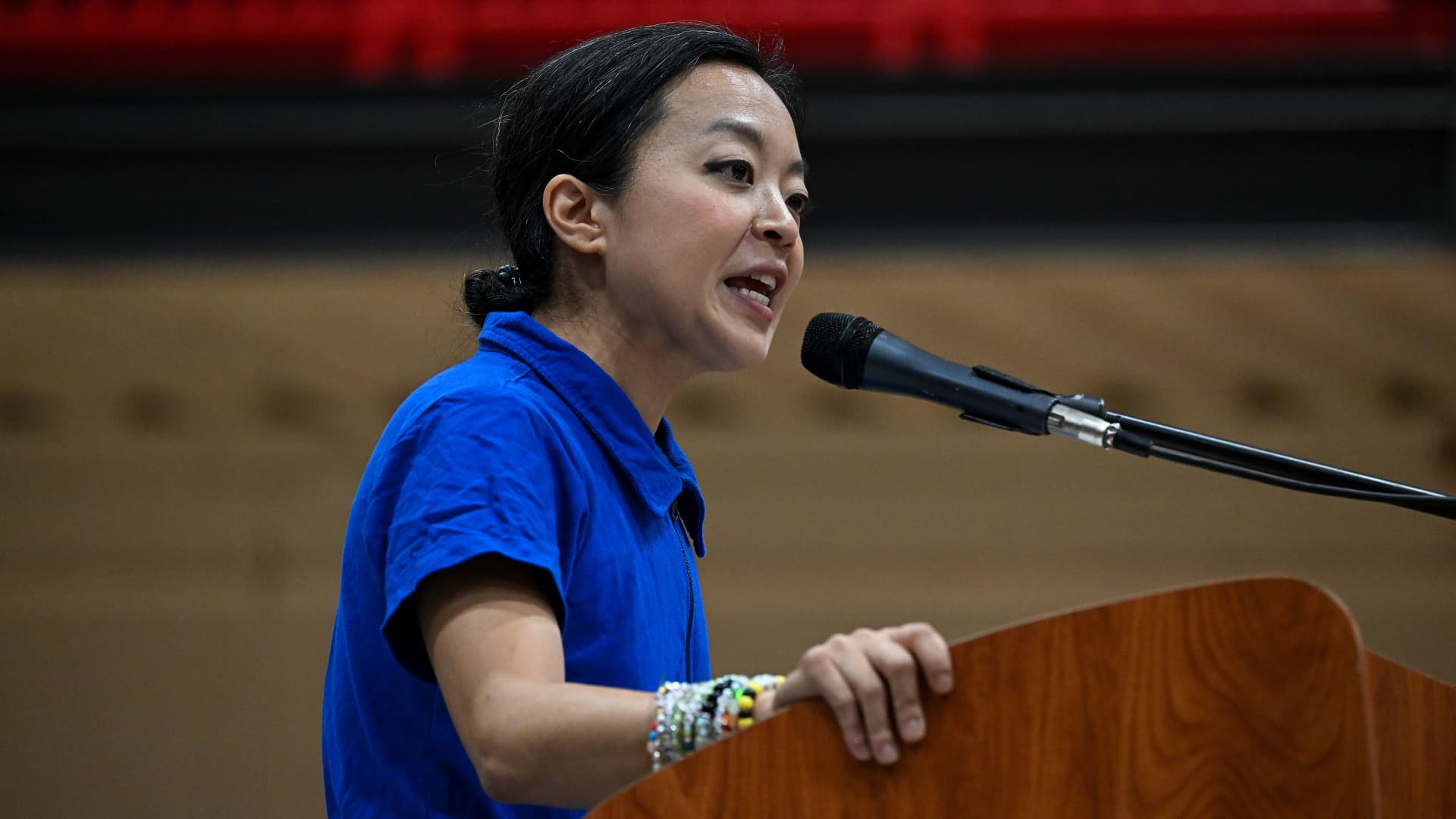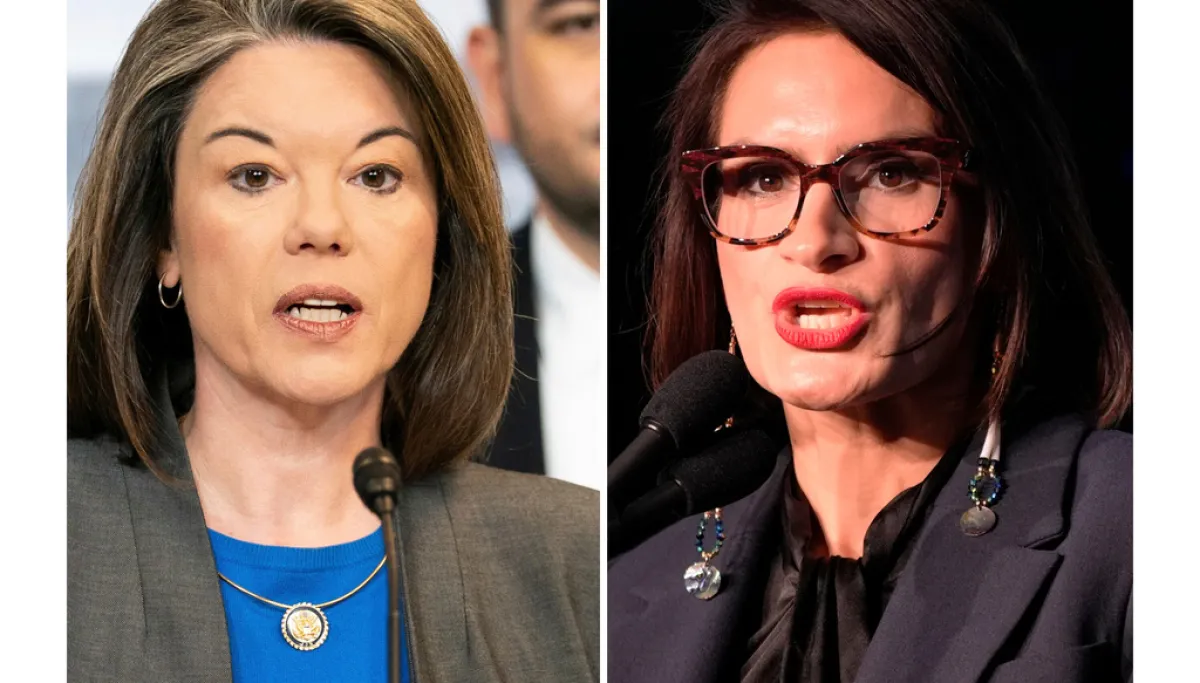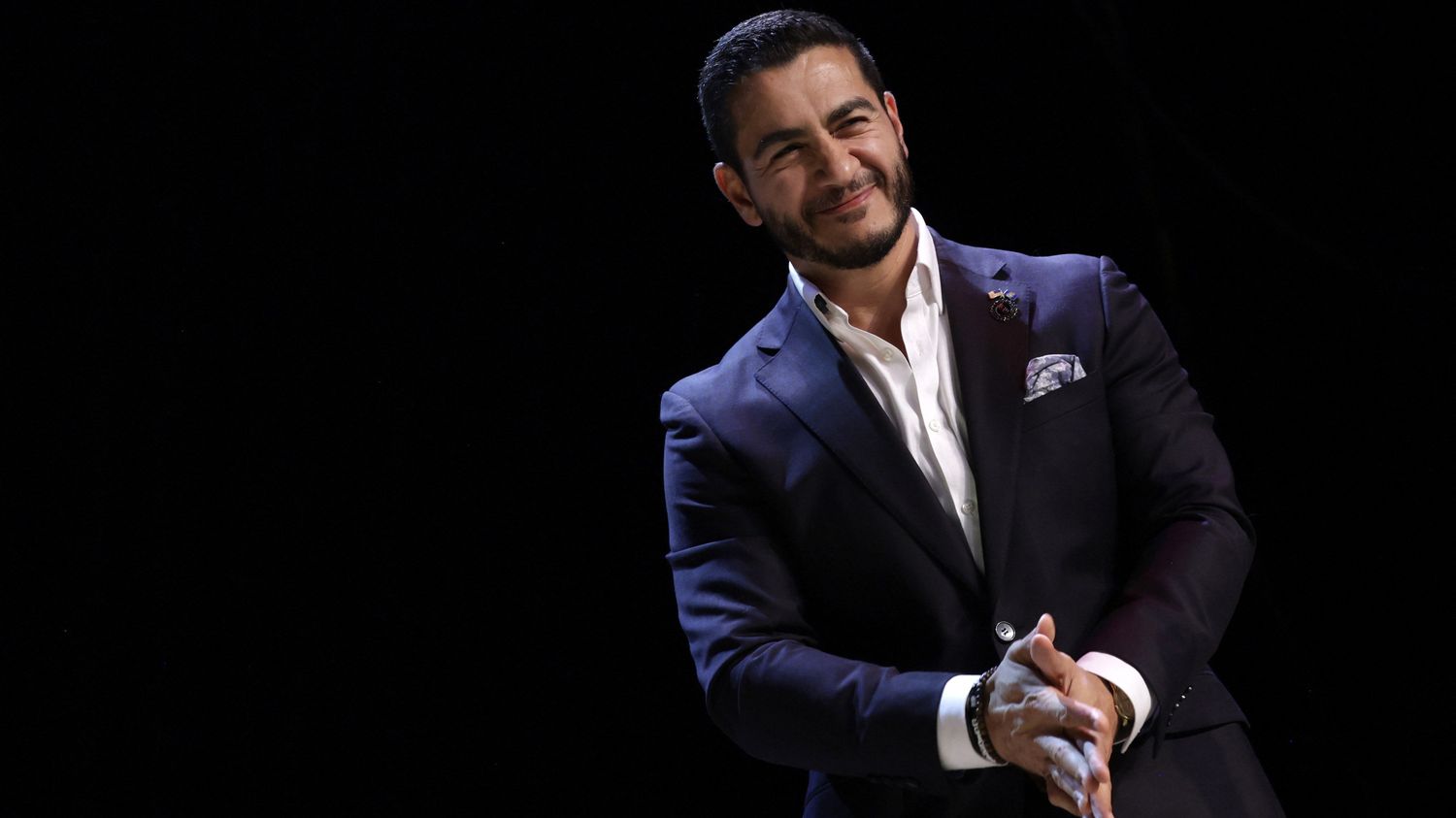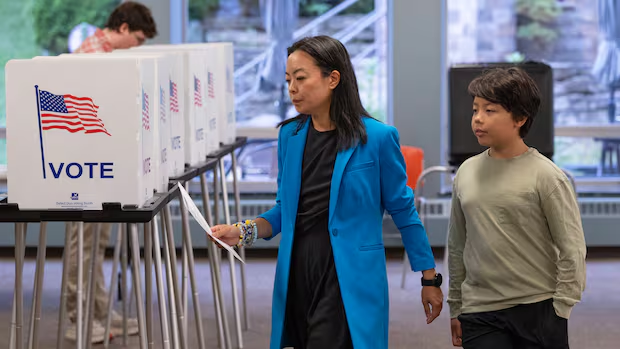
As the U.S. heads toward the midterm elections, a gruelling primary season has further entrenched a rift between the insurgent progressive and centrist wings of the Democratic Party. At stake is control of Congress this November and, beyond that, the presidency in 2028. The centrists argue candidates touting moderate and pragmatic policies is the path to flipping seats from Republican control. While progressives say more uninspiring, establishment candidates will not galvanize a coalition of young people, the working class and diverse voters that could propel the party to victory. "I don't even know how I could go about being sure which group has the most appeal," said Hans Noel, an associate professor of Government at Georgetown University and co-director of the Georgetown Democracy Initiative.He says that while progressive candidates may alienate some voters who otherwise might have voted Democrat, they will also bring new voters to the party, including those who may not have voted at all. There are also intangible characteristics, like personal likeability, said Noel: "How do you add that all up and make a strong prediction? It's hard." LISTEN | What direction should the Democratic Party take?:Two Blocks from the White House29:47As progressives win U.S. primaries, what’s the direction of the Democratic Party?Primary wins and losses The primary season — where Democratic voters choose their candidates for upcoming general elections against Republicans — has given both sides wins, losses and lessons.On Tuesday, in the key battleground state of Wisconsin progressives were dealt a blow when democratic voters narrowly chose moderate David Crowley in the primary for governor over self-described Democratic Socialist Francesca Hong, who was projected to win in the polls. Democratic gubernatorial nominee David Crowley speaks to the media on Wednesday in Middleton, Wis., after winning the primary. Crowley will take on Republican Rep. Tom Tiffany in November's midterm election. (Kayla Wolf/The Associated Press)Hong's campaign was plagued in its final days by past comments she made advocating for defunding the police and abolishing ICE and also saying it was time to "cancel Thanksgiving," calling it a celebration of colonialism. During the campaign, she backed away from all these comments, saying her views had evolved. Hong ultimately wasn't endorsed by progressive flagbearers, Rep. Alexandria Ocasio-Cortez and Sen. Bernie Sanders. Other races where moderates were able to hold progressive challengers at bay included those in Washington and Missouri. In the swing state of Michigan earlier this month, however, progressive Addul El-Sayed, who campaigned with Ocasio-Cortez and Sanders, eked out a victory against centrist candidate Haley Stevens despite over $60 million being spent on her behalf, largely from super PACs. WATCH | What Abdul El-Sayed's Michigan victory means for Democrats:Abdul El-Sayed's Michigan victory called a win for progressive DemocratsAugust 5|Duration 2:04U.S. Senate hopeful Abdul El-Sayed's narrow victory in a Michigan primary has been described as a win for progressive Democrats, but has some in the party worried that being seen as too progressive will hurt their chances to defeat Republicans in the upcoming midterms.El-Sayed, like other progressive candidates, campaigned on issues like medicare for all, getting money out of politics, taxing billionaire wealth and calling for an end to military aid for Israel. He has also been praised for his communication skills. In response to the U.S. President Donald Trump calling him "full of shit," El-Sayed shot back: "At least I don't let mine go all over the Oval Office." Abdul El-Sayed wins Michigan's Democratic Senate primary in major victory for party's progressive wingMichigan's Democratic Senate primary puts spotlight on big money and pro-Israel lobbyEl-Sayed's victory followed wins from progressive candidates who took on more moderate democrats in strongholds of New York and Colorado. Notably, in Maine, another battleground state, progressive Graham Platner delivered a win before he dropped out due to sexual assault allegations. Discontent among young voters Bhaskar Sunkara, president of left-leaning magazine The Nation and former vice chair of the Democratic Socialists of America, says El-Sayed's win and others like it are a "huge check" on the Democratic Party. "Voters, particularly young voters, are really discontent with the leadership of the party … and just generally feel that the Democratic Party doesn't stand for anything. It's not combative enough." Progressive politicians U.S. Rep. Alexandria Ocasio-Cortez, left, and Sen. Bernie Sanders, right, campaigned alongside Democratic nominee Abdul El-Sayed at July's the People V. The Powerful rally in Detroit. El-Sayed went on to win the Michigan senate primary nomination on Aug. 5, in a tight race. (Jose Juarez/The Associated Press)Sunkara went on to say that El-Sayed is a better candidate than Hong with working-class voters. "I think there is a way in which some candidates have been tarred with stances they had in 2019, 2020. This sort of abolish the police, the discussion of whiteness or whatever else. Abdul never had that problem." Hong wasn't the only candidate backing off from past comments. New York congresswoman Alexandria Ocasio-Cortez made headlines earlier this week when asked about her past support for defunding the police. "I have a local city councilman that has this saying: 'Woke 1 was crazy,' " she said before laughing. Can progressives win key battleground states? While some in the progressive wing re-evaluate past positions that could alienate voters this election cycle, many moderate democrats continue to warn of liabilities in swing states. Fareed Zakaria, host of CNN's Sunday public affairs program GPS, cited Washington Post data to point out that while El-Sayed had the support of Michigan's most educated counties and college towns, his opponent did better in rural and lower-income areas. AnalysisWhat the Graham Platner scandal says about Democratic Party's troublesMore Americans than ever are identifying as political independents, poll shows"The left has the passion, but the middle still has the votes needed to win in general elections," Zakaria said. Kate de Gruyter is the vice-president of communications at Third Way, a leading centrist democratic group that is spending $15 million between now and 2028 to discredit Democratic Socialism. LISTEN | What's behind the wave of Democratic Socialist wins in the U.S.:Front Burner36:53Understanding the rise of ‘democratic socialism’"Their theory of the case is that they're somehow going to be able to persuade all these voters in the middle that they absolutely need to win in November to back their candidate. We've never seen that happen over the entirety of the Trump era," she said in an interview. De Gruyter added that El-Sayed's decision to campaign with controversial left-wing streamer Hasan Piker as one example of "a whole universe of things that Republican ad makers are salivating at."De Gruyter went on to suggest that the reason Democrat Kamala Harris lost the presidential election in 2024 was that she was seen as too lax on issues like immigration and plagued by stances she'd taken in the past on "transgender policy." Democrats' autopsy of 2024 U.S. election blames Harris and 'identity politics' for lossKamala Harris says she 'might' make another presidential run in 2028In the final weeks of the campaign. Trump's team ran an ad using a five-year old clip of Harris saying that "every transgender inmate in the prison system would have access" to taxpayer-funded gender transitions."The idea that we should move further left makes no sense at all," she said. The interesting thing is that while that can all be true, there are also plenty of arguments that suggest the opposite, according to Noel, the Georgetown associate professor. U.S. Vice-President and then presidential candidate Kamala Harris takes part in a phone bank at the Democratic National Convention Headquarters on Nov. 5, 2024. Her unsuccessful campaign has been criticized by both progressives and moderate democrats. (Brendan Smialowski/AFP/Getty Images)"And it can also be true that Harris actually lost because she was too tied to the establishment and Biden. And too close to Israel … progressives called her a cop. Either of those differences could have been enough because it was a fairly close race." Either way, Democrats are riding favourable waves into the midterms. Trump's polling is low. He has entered into an unpopular war in Iran. And all of this should help the Democrats, whether they're progressives or moderates in the mid-terms, said Noel, adding that if the Democrats don't do as well as expected there will be a lot of "what happened?""If all the progressive candidates lose and the centrist candidates win, well, that's going to be an easier story."
With midterm elections looming, Democrats are clashing over how to win | CBC News
As the U.S. heads toward the midterm elections, a gruelling primary season has further entrenched a rift within the Democratic Party. Centrists argue moderate and pragmatic policies are key to flipping seats, while progressives say more inspiring candidates are needed to galvanize young people, the working class and diverse voters.
1,385 words~6 min read