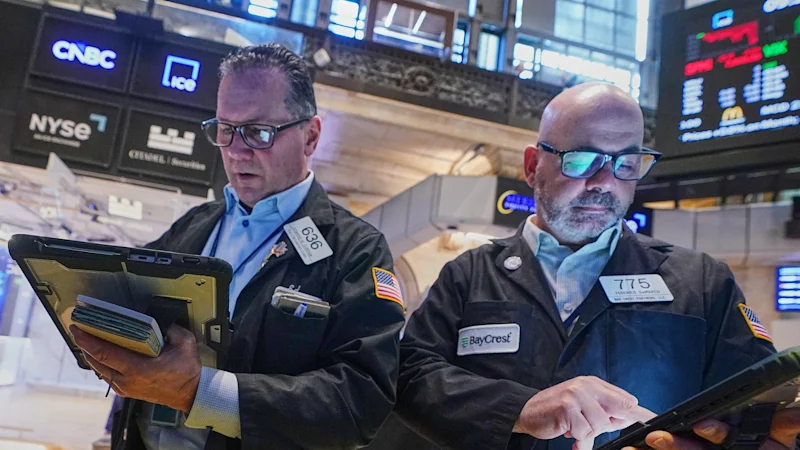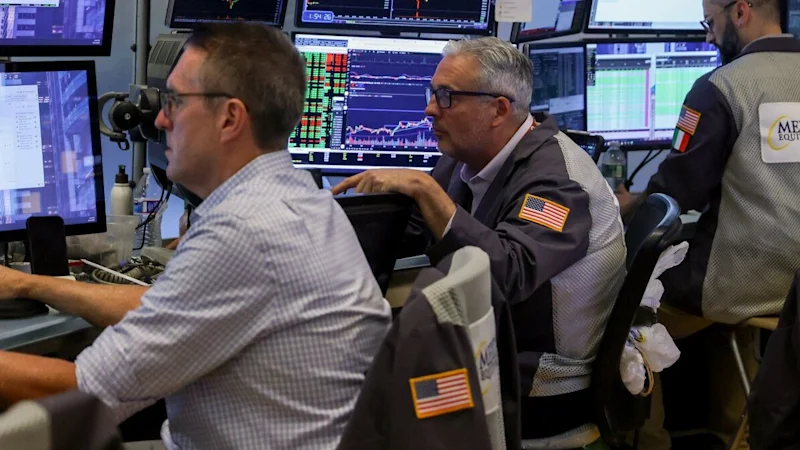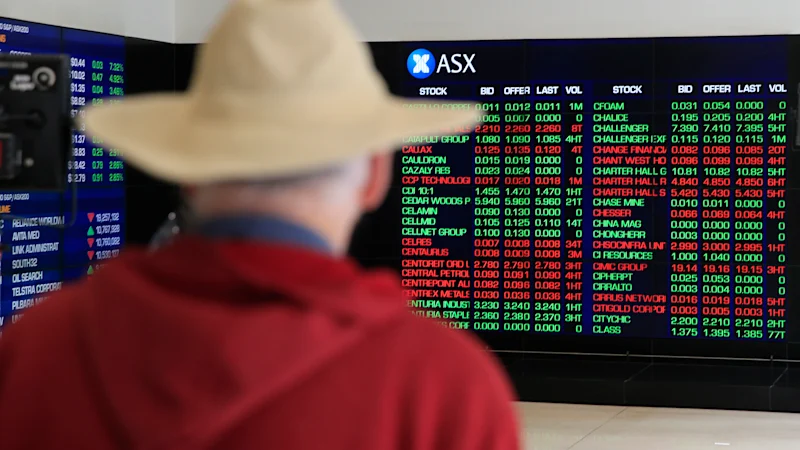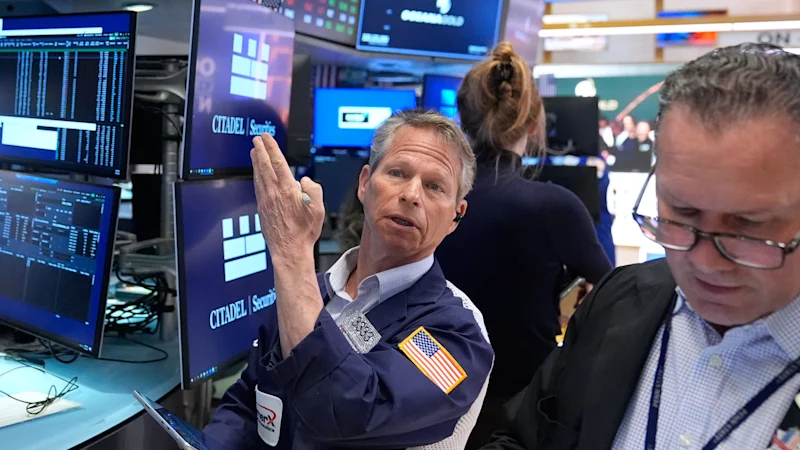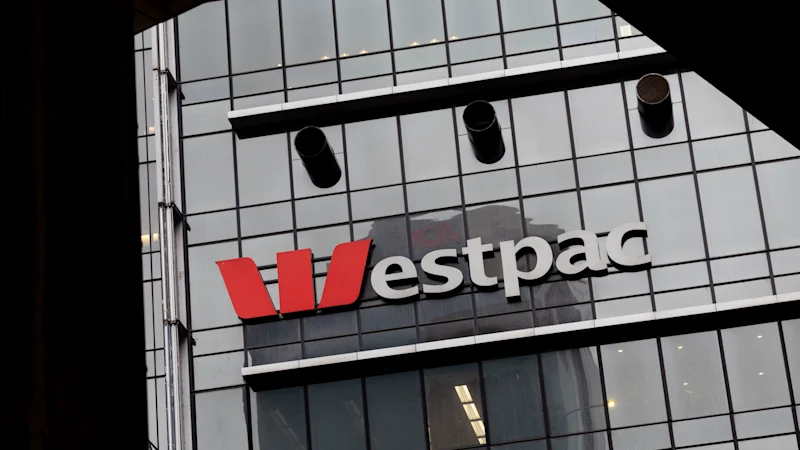
Staff writersUpdated August 14, 2026 — 10:59am,first published August 14, 2026 — 5:12amThe Australian sharemarket has retreated at the open with mining stocks slumping while Wall Street rose to an all-time high overnight following the latest sign that US inflation is easing.The S&P/ASX 200 was down 63.1 points, or 0.7 per cent, to 9125.4 in early trade, with six of 11 industry sectors in negative territory. The ASX lost 0.2 per cent on Thursday.Wall Street got more positive inflation news on Thursday. ReutersMining stocks lost ground as commodities’ prices retreated, with BHP shedding 3.4 per cent, Fortescue falling 1.7 per cent and Rio Tinto losing 1.9 per cent in early trade. Gold miners also declined, with Northern Star retreating 1.4 per cent and Evolution Mining declining 2.6 per cent.Financial stocks advanced with Commonwealth Bank up 0.3 per cent, National Australia Bank adding 0.5 per cent, Westpac edging up 0.1 per cent and ANZ Bank gaining 0.8 per cent.Insurance giant QBE slumped 5.5 per cent after posting a 1 per cent rise in net profit to $US1.03 billion ($1.5 billion) while lifting its interim dividend to 33¢ per share.Energy stocks are higher and oil prices steady in early Asian trade, with Iran and Oman yet to reach an accord to reopen the crucial Start of Hormuz waterway, after optimism earlier in the week that an agreement was within reach. Woodside Energy and Santos both rose 0.3 per cent while refiners Ampol and Viva Energy each added 0.7 per cent.Technology stocks are higher with Xero jumping 5.6 per cent and WiseTech surging 5 per cent.The Australian dollar was higher at US70.65¢.Overnight, the S&P 500 climbed 0.7 per cent and topped its prior record set last week. The Dow Jones Industrial Average added 69 points, or 0.1 per cent, and the Nasdaq composite gained 0.8 per cent.Wall Street relaxed after a report showed prices at the US wholesale level were 4.7 per cent higher last month than a year earlier. While that’s more painful than anyone would like, it’s not as bad as June’s 5.5 per cent inflation rate at the wholesale level, and it was slightly better than economists expected.Back-to-back benign inflation prints, following last week’s softer-than-expected jobs report and a pullback in oil prices, are easing pressure on the Fed to tighten policy at its meeting next month. While the lack of a deal in the Middle East remains a concern, equity traders are also focusing on a revival in the artificial intelligence trade after a selloff in semiconductor stocks in July.“The next round of data that we get in September and the lead up to the meeting will be pretty critical,” said BofA Securities economist Stephen Juneau. At the same time, “the market obviously has started to really discount hikes more and more given that the data in recent months has been more dovish.”Fed officials are split on whether they should have already begun hiking interest rates. But Thursday’s report, following a similar update on inflation at the US consumer level the day before, has traders now betting on just a 35 per cent chance that the Fed will raise the federal funds rate at its next meeting in September. That’s down from the roughly 50 per cent probability seen two days ago, according to data from CME Group.Any increase by the Fed would be the first in more than three years. It also could anger President Donald Trump, who has been lobbying for lower interest rates.Treasury yields sank in the bond market, which eases pressure on stocks and other investments. The yield on the 10-year Treasury fell to 4.65 per cent from 4.68 per cent late Wednesday and from 4.72 per cent on Monday, though it’s still well above its 3.97 per cent level from before the war with Iran sent oil and gasoline prices surging.Oil prices eased back on Thursday, helping to limit worries about inflation. The price for a barrel of Brent crude oil fell 2.1 per cent to $87.07.It’s been swinging sharply recently and pinballed between $72 and $102 last month as hopes rose and fell that a deal in the war could allow oil tankers to freely exit the Middle East again and deliver crude worldwide.On Wall Street, stocks in the real-estate industry climbed to some of the market’s bigger gains. When interest rates are lower and bonds are paying less in yield, the dividends that many real-estate investment trusts pay look more attractive.Lower mortgage rates could also drive more activity in the housing market, and the average long-term US mortgage rate fell this week for the first time in six weeks.AvalonBay Communities, which owns apartments across the country, rose 2.3 per cent. Homebuilder D.R. Horton added 2.8 per cent.Fossil Group climbed 5.9 per cent after the seller of watches and jewellery became one of the latest companies to report better results for the latest quarter than analysts expected. Such reports have helped drive Wall Street to records because stocks tend to track the path of corporate profits over the long term.They helped offset a drop for Cisco Systems, which fell 8.4 per cent even though the tech giant reported stronger profit and revenue for the latest quarter than Wall Street expected.Analysts said investors may be worried about its profit margins going forward, and its stock has been shaky through the summer amid worries that AI-related stocks in general shot too high.In stock markets abroad, indexes dipped in Europe.With AP, BloombergThe Market Recap newsletter is a wrap of the day’s trading. Get it each weekday afternoon.From our partners
ASX declines as miners slump; QBE falls
The Australian sharemarket has retreated at the open despite Wall Street rising to an all-time high following the latest sign that US inflation is easing.
TL;DRAI
Fed taglia probabilità rate hike a settembre al 35% dopo dati inflation positivi (4.7% vs 5.5%); policy si allenta. Per tech manager significa meno pressione su capex e hiring: budget IT/AI expansion torna più attrattivo, margin risk ridotto.
923 words~4 min read