Academia
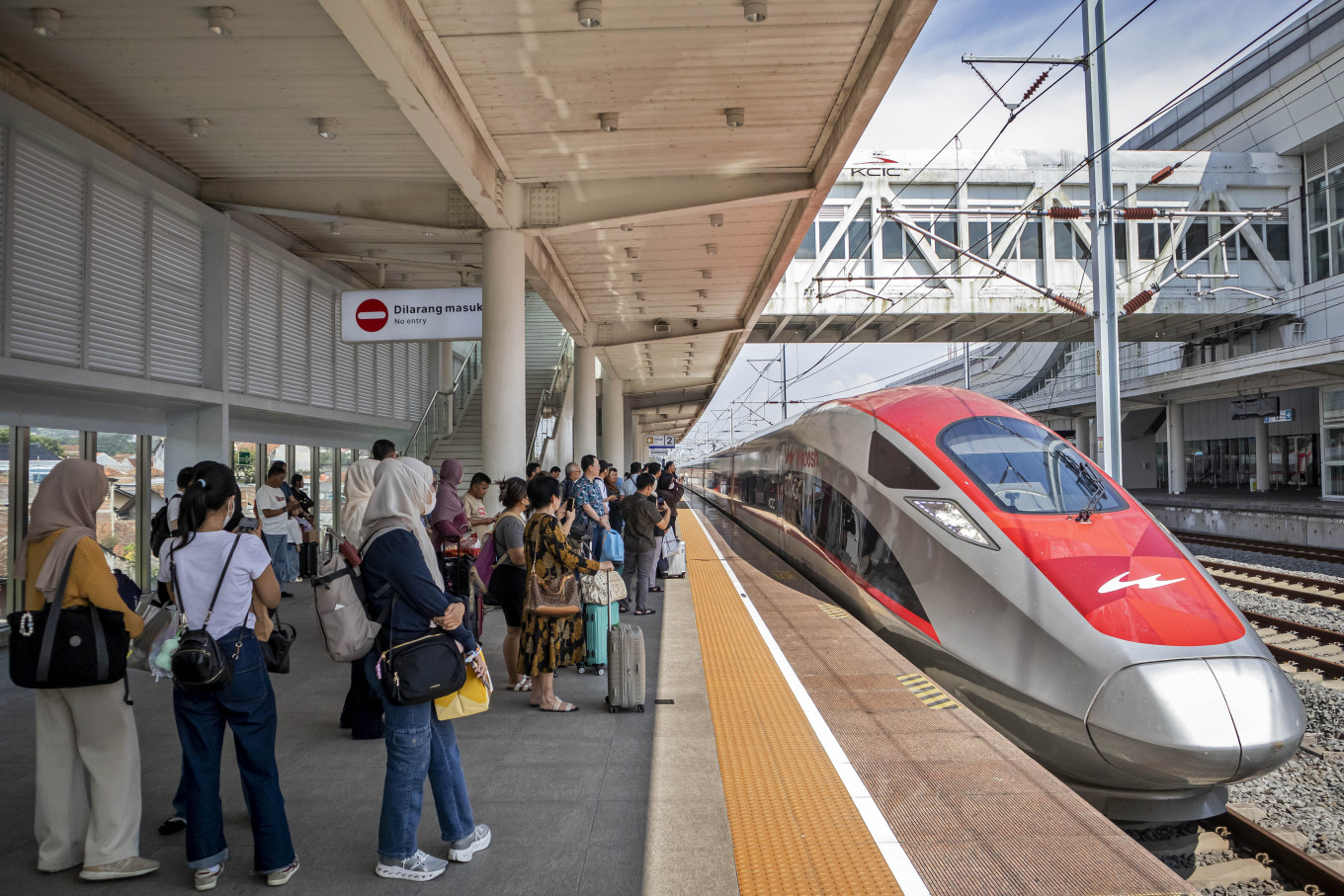
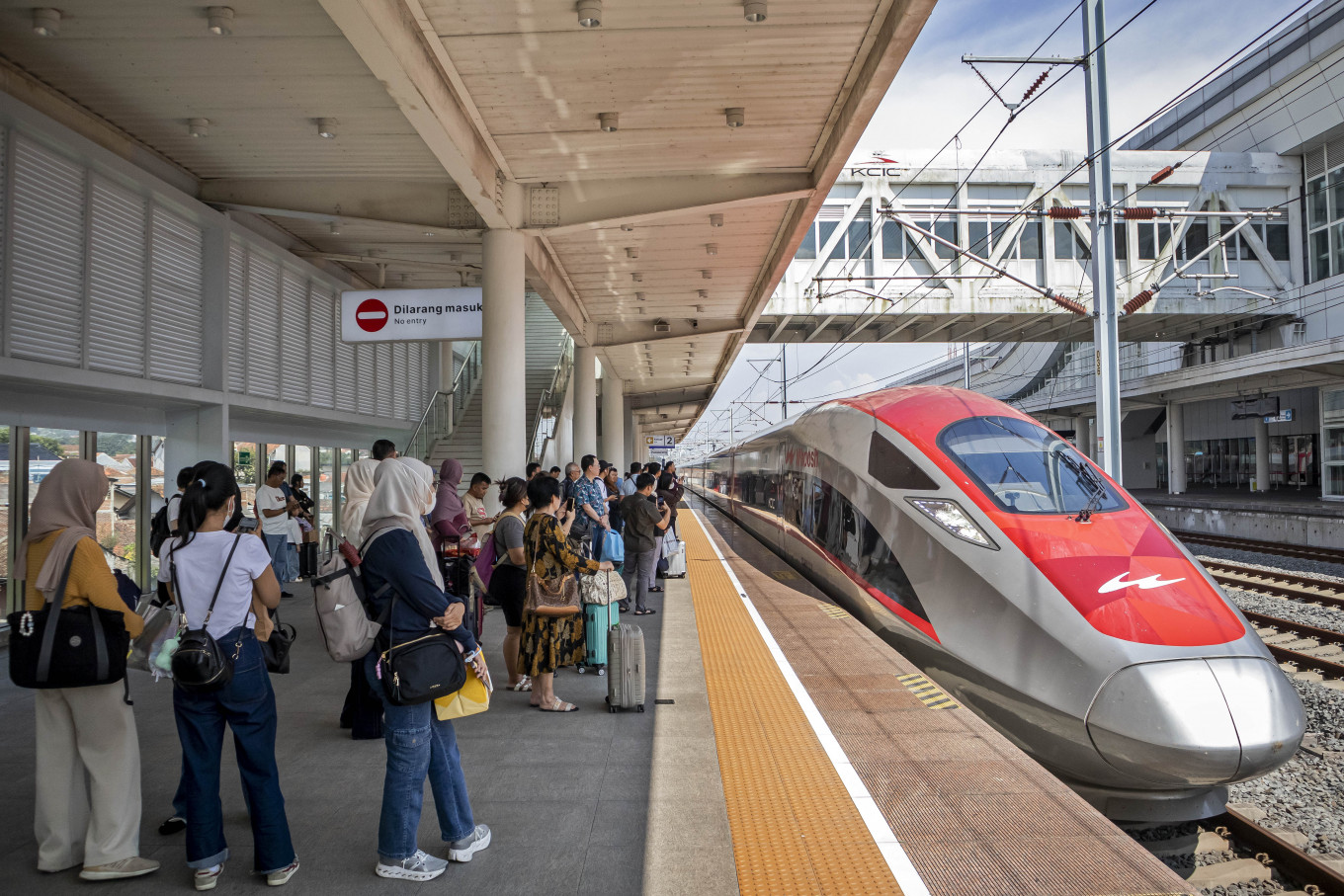
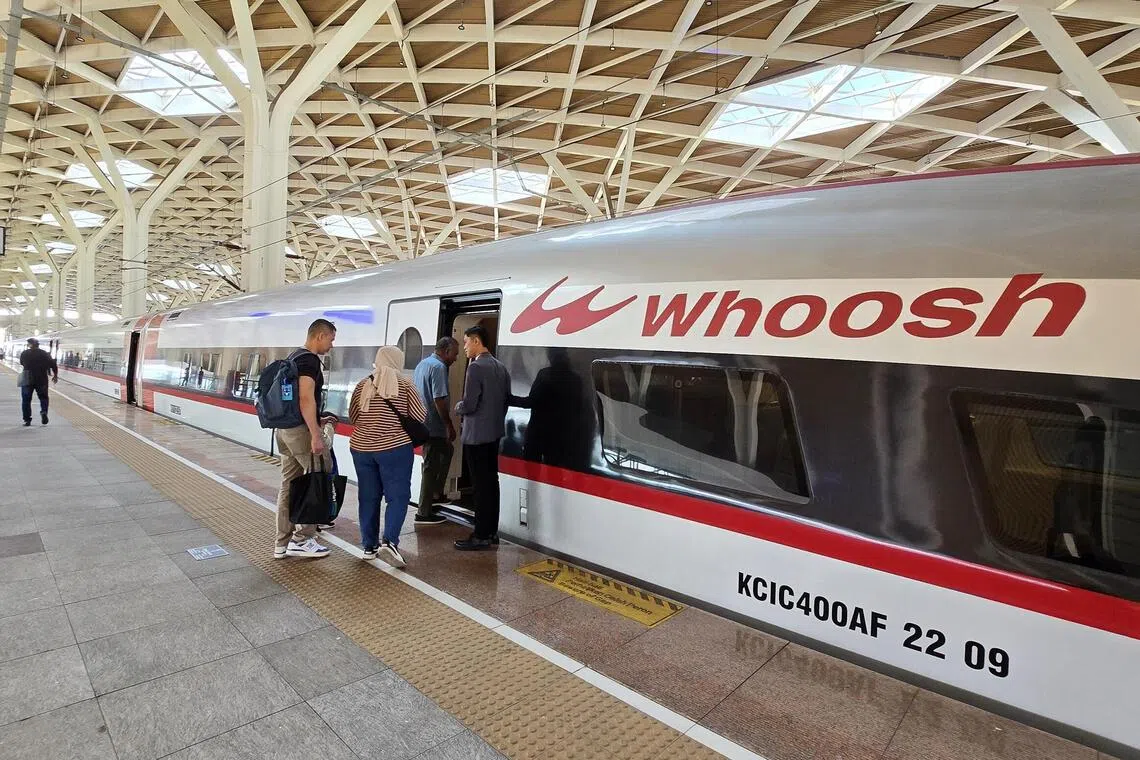
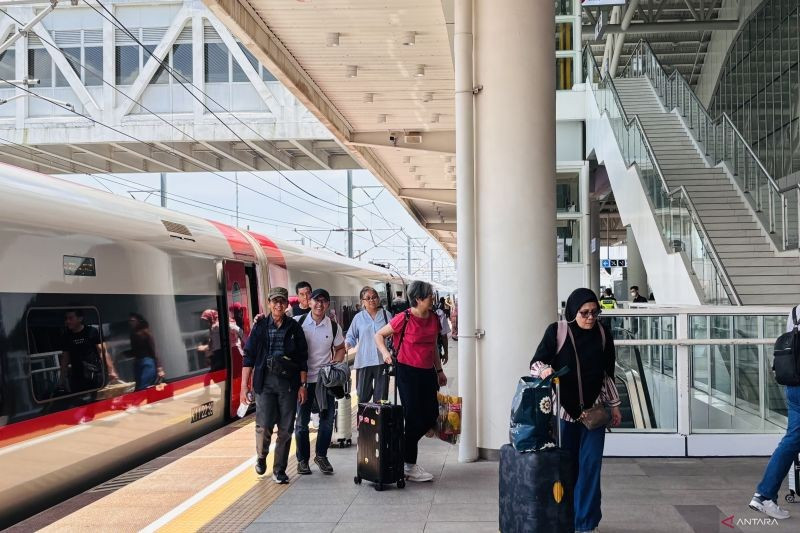
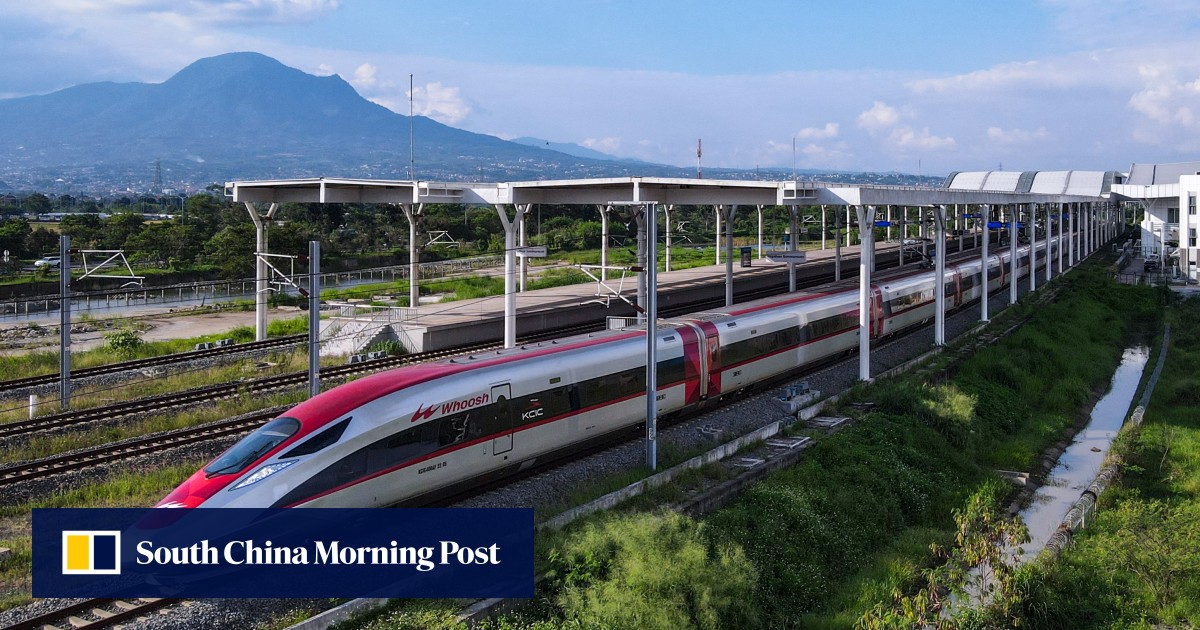
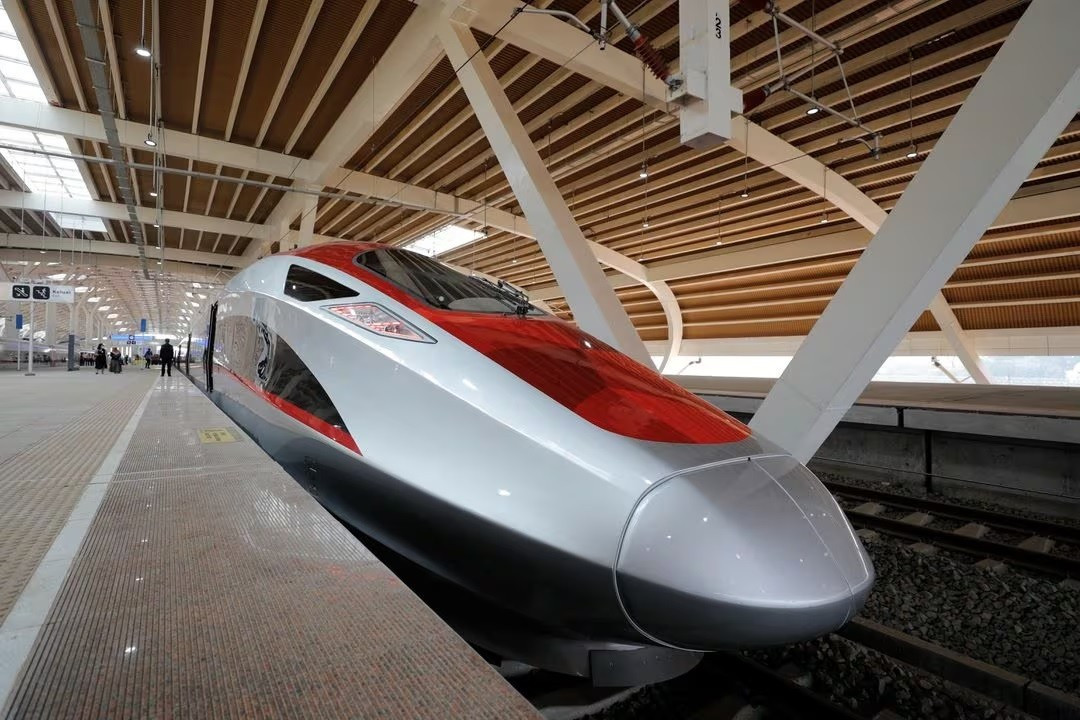
A China-backed high-speed railway train connecting Jakarta and Bandung called “Whoosh“ is parked on Oct. 2, 2023, at Halim station in East Jakarta ( Reuters/Willy Kurniawan)
The government's decision to take over the debt restructuring of the Whoosh Jakarta-Bandung high-speed railway marks the end of one of Indonesia's largest business-to-business (B2B) infrastructure experiments. A decade after promising the project would not rely on the state budget, the government has been forced to step in. The rescue raises a broader question: If the existing line has yet to prove financially sustainable, why extend it to Surabaya?The Whoosh, owned and operated by PT Kereta Cepat Indonesia China (KCIC), was originally designed as a B2B project, with a consortium of Indonesian state-owned enterprises under PT Pilar Sinergi BUMN Indonesia (PSBI) holding a 60 percent stake and Beijing Yawan HSR Co., Ltd. owning the remaining 40 percent. However, KCIC's mounting losses have placed increasing financial strain on the SOEs that make up PSBI, effectively undermining the very B2B model on which the project was built.
The Whoosh has been controversial since its inception. The project's estimated cost rose from an initial US$5.5 billion to $7.27 billion, with around 75 percent financed through loans from the China Development Bank (CDB). Total debt reached approximately Rp 79 trillion (US$4.5 billion), carrying an initial annual interest rate of 3.4 percent, equivalent to roughly $121 million in annual interest payments. The project's estimated payback period is between 30 and 40 years.