Academia
The decision to move the consortium's stake to the fiscal authorities is effectively an admission that the domestic SOE structure has reached its limits.
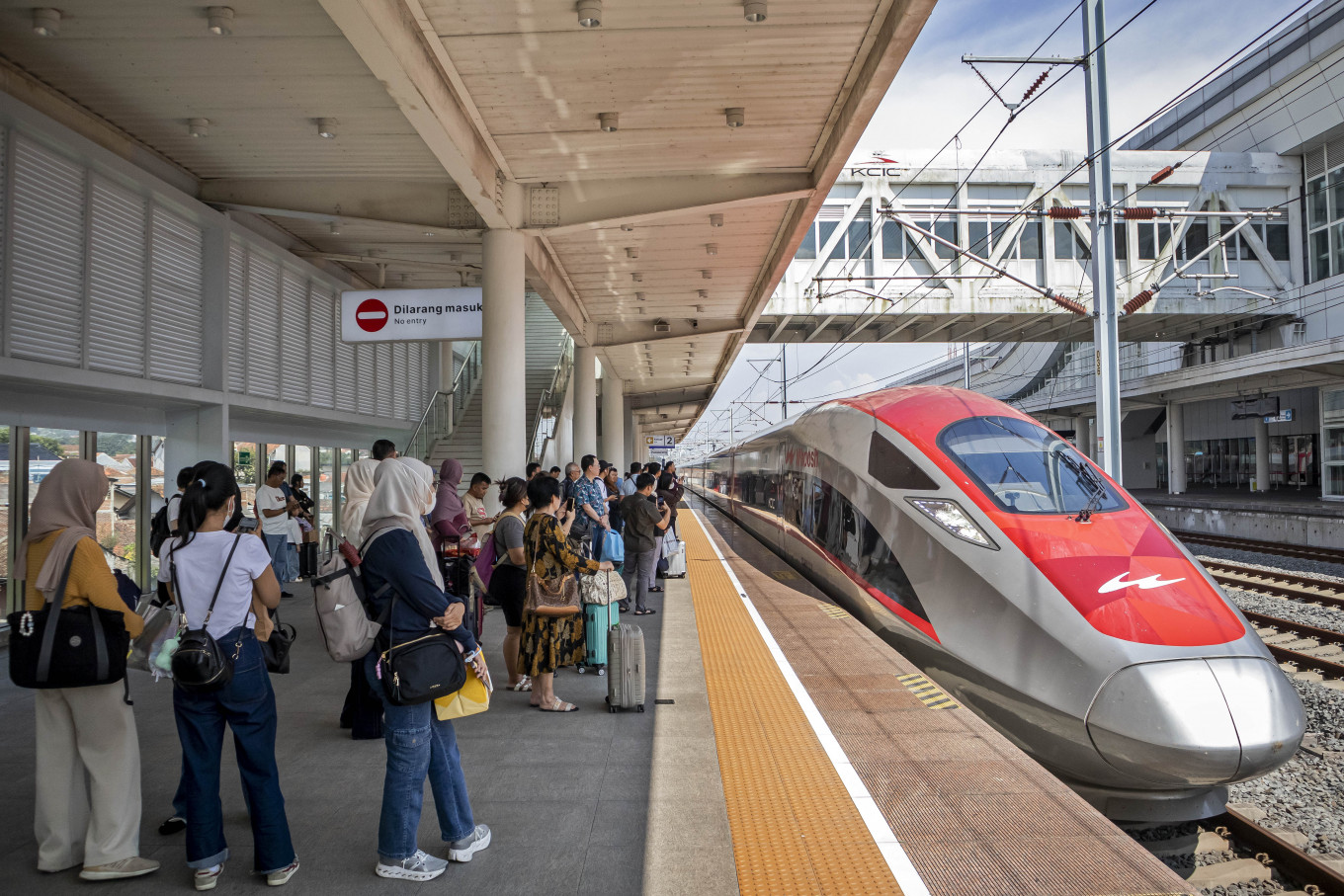
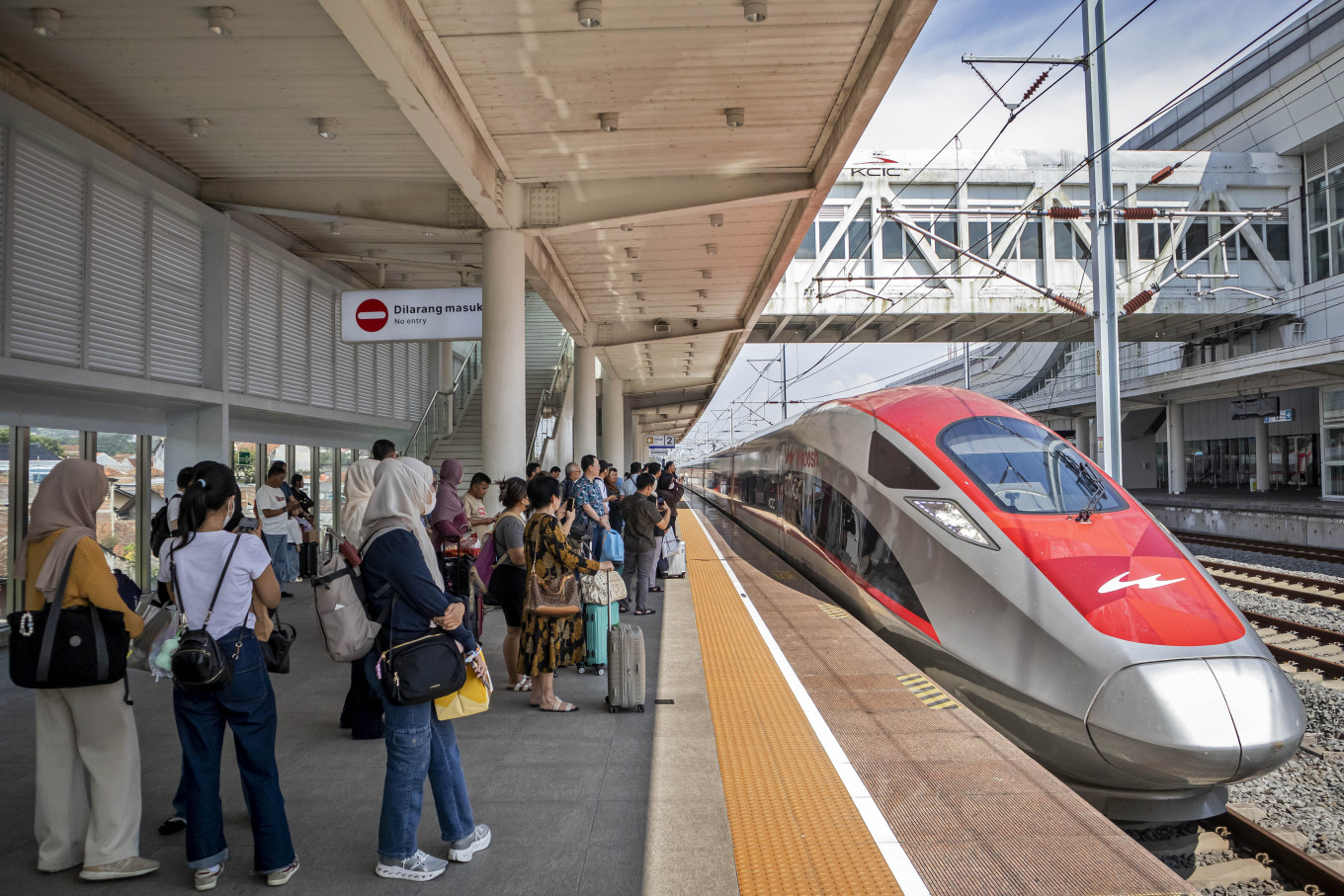
Prospective passengers wait for the arrival of the Whoosh high-speed train on March 15 on the platform at Whoosh Padalarang Station in West Bandung regency, West Java. (Antara/Abdan Syakura)
The August agreement between Finance Minister Purbaya Yudhi Sadewa and Danantara Indonesia Chief Operating Officer Dony Oskaria marks a consequential new chapter in the troubled finances of the Whoosh high-speed railway. Under the plan, a 60 percent equity stake in PT Kereta Cepat Indonesia China (KCIC), together with its liabilities, will be transferred from the state-owned enterprise (SOE) consortium to the Finance Ministry by mid-September.
The official message is reassuring, that rescuing Whoosh will not cost the State Budget a single rupiah. But this claim deserves much closer scrutiny. The transfer may remove the burden from the balance sheets of SOEs, but it does not make the underlying debt disappear. It merely changes where the risk sits and ultimately, who may have to absorb it.