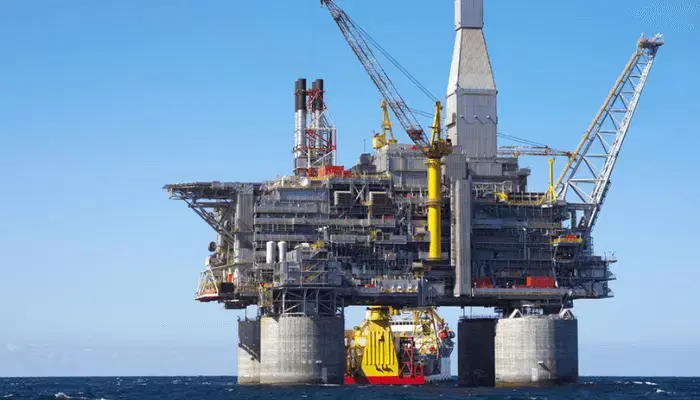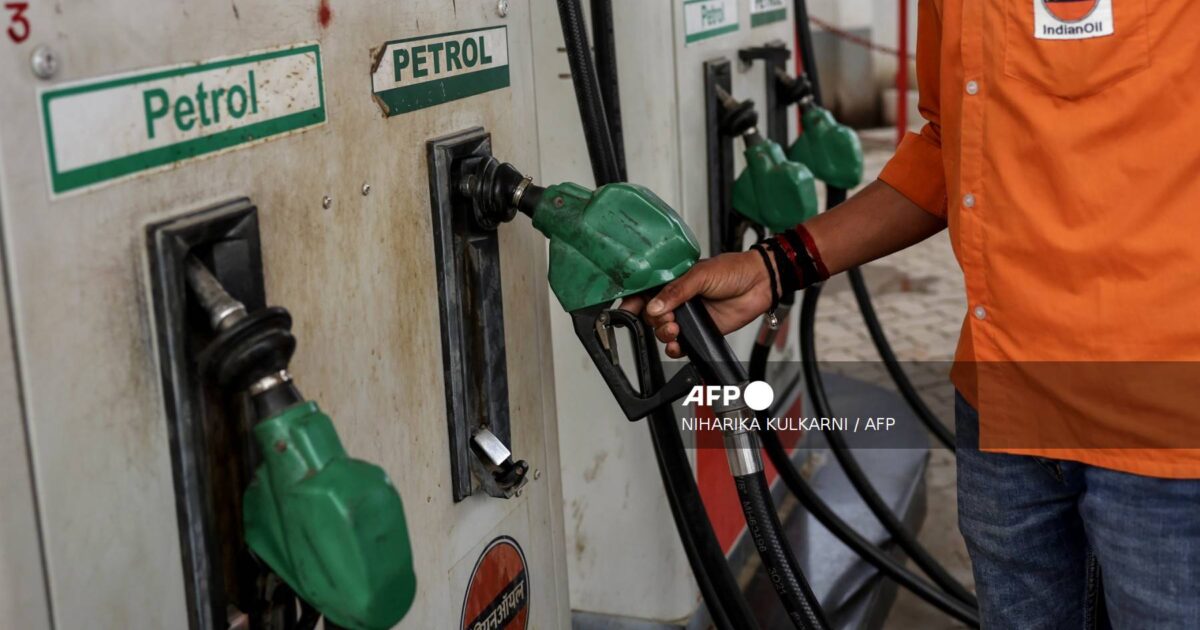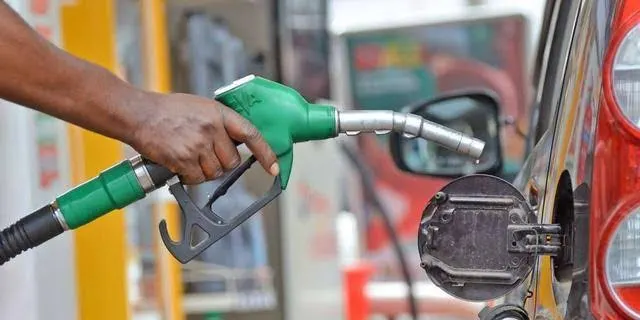
As countries around the world adopt fuel subsidies and other palliative measures to cushion the impact of the US-Iran war and the closure of the Strait of Hormuz, Nigerians have continued to bear the brunt of rising petrol and diesel prices, even as energy economists and industry stakeholders call for targeted interventions to ease the pressure on households and businesses.
The International Energy Agency disclosed that more than 115 countries had introduced measures to respond to the energy shock, including energy conservation, price support and structural policies aimed at reducing fuel consumption.
Of these, 94 governments had introduced price-support measures, including fuel subsidies, price caps and tax interventions, while 58 had adopted energy conservation measures and 30 had announced longer-term structural policies to reduce fuel use.
The measures came as the disruption of energy flows through the Strait of Hormuz, one of the world’s most important oil and gas shipping routes, sent shock waves through global energy markets.
For Nigeria, the impact has been felt through higher petrol prices, with pump prices rising above N1,300/litre in parts of the country before subsiding to N1,200, while the increase in energy costs has also pushed up transportation, food and business operating costs.